Ringworm (Tinea): Complete Guide to Symptoms, Causes, and Effective Treatment

Ringworm (Tinea): Complete Guide to Symptoms, Causes, and Effective Treatment
Ringworm (Tinea) is a common fungal skin infection caused by a group of fungi known as dermatophytes. Despite its name, it is not caused by a worm. Ringworm can affect different parts of the body, including the skin, scalp, feet (athlete’s foot), groin (jock itch), hands, and nails. It typically appears as a red, itchy, circular or ring-shaped rash with raised edges and clearer skin in the center. The infection is highly contagious and can spread through direct skin-to-skin contact, contact with infected animals, contaminated objects, or shared personal items. While mild infections may respond to treatment, recurrent or persistent ringworm should not be ignored, as it may require proper evaluation and long-term management. Seeking early treatment can help control the infection, prevent its spread, and promote healthy skin.
At Spiritual Homeopathy, we believe in treating the root cause of ringworm rather than simply suppressing the symptoms. Our experienced homeopathic doctors carefully evaluate each patient’s symptoms, medical history, immune health, lifestyle, hygiene practices, environmental factors, and overall constitution before preparing an individualized treatment plan. Our holistic approach focuses on providing natural treatment for ringworm, supporting the body’s immune response, reducing recurrent fungal infections, relieving itching and skin irritation, and promoting long-term skin health through safe and personalized homeopathic care. We specialize in homeopathic treatment for ringworm (tinea), fungal skin infections, athlete’s foot, jock itch, nail fungal infections, and other chronic skin conditions.
We provide personalized homeopathic treatment for ringworm in Hyderabad to patients of all age groups through our clinics in KPHB, Dilsukhnagar, Chandanagar, and Nallagandla, as well as online homeopathy consultations for patients across India and in more than 100 countries worldwide. If you are looking for the best homeopathy doctor for ringworm, natural treatment for fungal infections, or long-term skin wellness, Spiritual Homeopathy is committed to delivering expert, patient-centered care wherever you are.
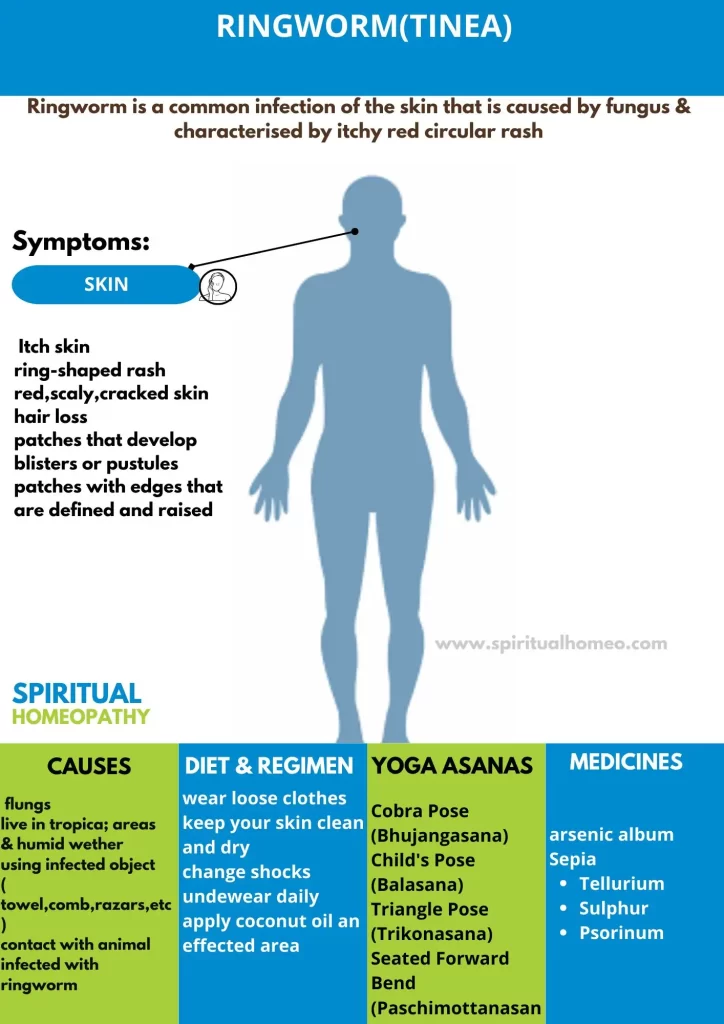

Dermatophyte infections, commonly known as ringworm, are widespread fungal infections caused by fungi belonging to the Microsporum, Trichophyton, and Epidermophyton species. These fungi may originate from soil (geophilic), animals (zoophilic), or remain confined to human skin (anthropophilic). Ringworm commonly affects the skin (tinea corporis), scalp (tinea capitis), groin (tinea cruris), feet (tinea pedis), and nails (onychomycosis).
Despite its name, ringworm is not caused by worms. The condition is named for the characteristic ring-shaped, itchy red rash that appears on the affected area. Proper clinical evaluation helps differentiate dermatophyte infections from other skin conditions with similar appearance.
At Spiritual Homeopathy Clinic, evaluation and consultation are available across multiple branches in Hyderabad, as well as through online and international consultations, allowing access to care based on individual needs and circumstances.
Ringworm (also known as tinea) is a common fungal skin infection caused by dermatophytes—fungi that thrive on keratin, a protein found in the skin, hair, and nails. Despite its name, ringworm has nothing to do with worms. It typically presents as a red, itchy, circular rash with clearer skin in the center, giving it a ring-like appearance.
Below is a clear overview of how ringworm develops and spreads:
Direct Human-to-Human Contact
Ringworm is most commonly transmitted through direct skin-to-skin contact. Activities such as shaking hands, hugging, or prolonged contact with an infected person can allow the fungus to spread.
Indirect Contact
Dermatophytes can survive on contaminated objects such as towels, bedding, clothing, footwear, and hairbrushes. Contact with these items after use by an infected person may lead to infection. Warm and moist environments—such as locker rooms, public showers, gyms, and swimming pools—support fungal growth, and walking barefoot in these areas increases risk.
Animal-to-Human Transmission
Domestic animals, especially cats and dogs, may carry fungi responsible for ringworm. Direct contact with an infected animal can transfer the fungus to human skin.
Fungal Spores in the Environment
The fungi that cause ringworm can persist in the environment, particularly in warm and humid conditions. Soil, decaying wood, or fallen leaves may harbor fungal spores, and contact with contaminated surfaces can contribute to infection.
Weakened Immune System
Individuals with a weakened immune system—such as those with chronic illnesses, metabolic conditions, or those undergoing certain medical treatments—may be more susceptible to fungal infections. Reduced immune response can make it easier for the infection to develop and persist.
Poor Hygiene and Excessive Sweating
Excessive sweating, inadequate hygiene, or wearing tight, moisture-trapping clothing can create favorable conditions for fungal growth. Areas like the feet (athlete’s foot), groin (jock itch), and scalp are particularly vulnerable.
Understanding these causes helps guide an individualized care approach, as susceptibility and triggers can vary from person to person.
While ringworm can affect anyone, the following factors may increase the likelihood of infection:
Close contact with an infected person or animal
Living in crowded settings or sharing personal items such as towels, clothing, or sports equipment
Excessive sweating, particularly with tight-fitting clothing
Inadequate drying of skin after bathing or swimming
Reduced immunity due to illness, nutritional factors, or medications
Poor hygiene or infrequent hand washing
Exposure to contaminated environments such as gyms, pools, or communal changing areas
Ringworm (also called tinea) is a fungal infection caused by dermatophytes—fungi that thrive on keratin found in the skin, hair, and nails. The infection can affect different areas of the body, and the name varies based on the location involved. Each type has distinct features and symptoms. Below are the main types of ringworm seen in clinical practice:
1. Tinea Corporis (Body Ringworm)
Location: Affects the skin on the body, excluding the scalp, feet, and groin.
Symptoms: Circular, red, itchy rashes with raised, scaly borders and a clearer center. The rash may spread outward and sometimes merge into larger patches.
Common Causes: Spread through direct skin-to-skin contact or contact with contaminated objects or surfaces.
2. Tinea Pedis (Athlete’s Foot)
Location: Primarily affects the feet, especially between the toes.
Symptoms: Itching, redness, burning, and scaling of the skin. In more advanced cases, blisters, cracking, or peeling of the skin may occur, and an unpleasant odor may be noticed.
Common Causes: Exposure to moist, warm environments such as public showers, swimming pools, and locker rooms. Tight or non-breathable footwear can contribute.
3. Tinea Capitis (Scalp Ringworm)
Location: Involves the scalp and hair.
Symptoms: Itching, scaly or crusted patches, and areas of hair breakage leading to patchy hair loss.
Common Causes: More common in children and spreads through close contact with an infected person or shared items like combs, hats, or pillows.
4. Tinea Cruris (Jock Itch)
Location: Affects the groin, inner thighs, and buttocks.
Symptoms: Red, itchy rash with well-defined, raised edges, often ring-shaped. The rash may extend to surrounding areas.
Common Causes: Contact with contaminated clothing or surfaces. Warm and moist conditions make the groin area particularly susceptible.
5. Tinea Unguium (Fungal Nail Infection)
Location: Affects fingernails or toenails, more commonly the toenails.
Symptoms: Nails may become thickened, brittle, discolored (yellowish or whitish), and distorted. In some cases, the nail may separate from the nail bed.
Common Causes: Seen more often in older adults or individuals with metabolic conditions, and may follow repeated nail trauma.
6. Tinea Barbae (Beard Area Ringworm)
Location: Affects the beard and moustache area in men.
Symptoms: Red, inflamed lesions, bumps, or pustules, sometimes associated with localized hair loss.
Common Causes: Transmission through contact with infected individuals, animals, or use of contaminated shaving tools.
7. Tinea Versicolor (Pityriasis Versicolor)
Location: Commonly affects the upper trunk, including the chest, back, neck, and shoulders.
Symptoms: Small patches of skin discoloration that may appear lighter or darker than surrounding skin. Mild scaling may be present, and itching is often minimal or absent.
Common Causes: Caused by Malassezia, a yeast-like fungus normally present on the skin that can overgrow in warm, humid conditions.
Ringworm (tinea) is a common fungal infection that can affect different parts of the body. Symptoms usually appear 4 to 14 days after exposure to the fungus. While signs may vary based on the affected area, the following symptoms are commonly observed:
Itchy Skin: One of the most frequent and early symptoms of ringworm.
Ring-Shaped Rash: Typically appears as a circular or ring-like patch with a red, scaly border and a clearer center.
Red, Scaly, or Cracked Skin: The affected skin may look irritated, rough, or cracked around the rash.
Hair Loss: Seen mainly when the scalp or beard area is involved.
If symptoms are frequent, spreading, or causing discomfort, a professional consultation is advised for proper evaluation.
Ring-Like Rash: Raised, well-defined edges with a clearer center.
Inflammation: Redness and mild swelling around the border of the rash.
Spreading Nature: Lesions may enlarge or merge into multiple rings.
Itchiness: Itching is common, especially around the affected area.
Intense Itching: Especially in the groin and inner thigh region.
Redness and Burning: The skin may feel sore or irritated.
Flaky, Scaly Skin: Common on the inner thighs.
Worsening with Movement: Walking or physical activity may increase discomfort.
Aggravation with Tight Clothing: Tight or non-breathable clothing can worsen symptoms.
Redness and Swelling: Inflamed bumps in the beard or moustache area.
Pus-Filled Lesions: Swollen bumps may contain pus.
Hair Loss: Temporary hair loss in affected patches.
Swollen Glands: Nearby lymph nodes may become enlarged.
Raw or Oozing Skin: In some cases, the skin may become raw or moist.
Itching, Burning, or Stinging: Common between the toes and on the soles.
Dry, Scaly Skin: Particularly between toes and on the bottom of the feet.
Peeling and Cracking: Skin may peel or crack, sometimes painfully.
Blisters: Fluid-filled blisters can develop in more severe cases.
Unpleasant Odor: A noticeable odor may be present.
Spread to Hands: Infection may spread if feet are frequently touched.
Thickened Nails: Nails may become thick and brittle.
Discoloration: Yellow, white, or brown changes in nail color.
Nail Separation: The nail may partially lift from the nail bed.
Crumbling Nails: Nails may break or crumble over time.
Toenails More Commonly Affected: Especially in long-standing athlete’s foot cases.
Scaly Bald Patches: Areas of hair loss with scaly skin.
Crust Formation: Crusty or flaky patches on the scalp.
Black Dots: Broken hair shafts may appear as small black dots.
Pus-Draining Sores: Inflammatory lesions may ooze pus.
Inflammation: Raised, soft, swollen areas on the scalp.
Swollen Lymph Nodes: Particularly around the neck or head.
Severe Itching: Intense itching of the scalp is common.
Ringworm (tinea) is a common fungal infection that affects the skin, hair, and nails. While appropriate medical treatment is required to manage the infection, a balanced diet and healthy daily regimen can help support immune function, reduce inflammation, and aid overall recovery. The following guidance focuses on supportive dietary and lifestyle measures.
A nutritious diet can assist the body’s natural defenses and support skin health during recovery. Emphasis should be on immune-supportive, anti-inflammatory, and balanced food choices.
Supporting immune health is important when managing fungal infections. Foods rich in essential vitamins and minerals include:
Vitamin C–Rich Foods:
Vitamin C contributes to immune support and tissue repair.
Citrus fruits (oranges, lemons, grapefruits)
Bell peppers
Kiwi
Strawberries
Tomatoes
Broccoli
Vitamin A–Rich Foods:
Vitamin A supports skin integrity and immune function.
Carrots
Sweet potatoes
Spinach
Kale
Eggs
Zinc-Rich Foods:
Zinc plays a role in immune balance and skin healing.
Lean meats (chicken, turkey)
Shellfish
Chickpeas
Pumpkin seeds
Nuts (almonds, cashews)
Whole grains (quinoa, oats)
Reducing inflammation may help ease discomfort associated with skin irritation. Consider including:
Turmeric: Commonly used in cooking for its anti-inflammatory properties
Ginger: Often included in meals or herbal preparations
Olive Oil: Used as a cooking medium or salad dressing
Leafy Greens: Such as spinach, kale, and arugula
Some dietary components are traditionally considered supportive during fungal infections:
Garlic: Commonly included in meals
Coconut Oil: Used in cooking; topical use should be approached with caution
Apple Cider Vinegar: If used, dilution and skin sensitivity should be considered
Gut health plays a role in overall immune balance. Probiotic-containing foods include:
Yogurt with live cultures
Kefir
Fermented vegetables (such as sauerkraut or kimchi)
Miso
Tempeh
Adequate hydration supports normal skin function and general health.
Water: Regular intake throughout the day
Herbal Teas: Such as chamomile, peppermint, or ginger
Coconut Water: For fluid and electrolyte support
Some foods may aggravate inflammation or disrupt immune balance:
Excess Sugar: May contribute to inflammation
Highly Processed Foods: Often high in refined sugars and unhealthy fats
Dairy (in some individuals): May worsen symptoms in sensitive people
Along with dietary care, certain daily habits can support recovery:
Adequate Rest: Helps maintain immune balance.
Maintain Hygiene: Keep affected areas clean and dry to limit spread.
Avoid Scratching: Scratching can worsen skin irritation or lead to secondary infection.
Follow Medical Advice: Use treatments as advised by a qualified healthcare professional.
The following yoga postures and lifestyle practices may support overall well-being while managing ringworm (tinea). These practices are intended as supportive measures only and should not replace appropriate medical care or professional consultation.
Benefits:
This posture supports blood circulation and helps maintain general physical strength. It also engages the arms, shoulders, and legs, contributing to overall body conditioning.
How to do it:
Start on your hands and knees, lift your hips upward, and straighten your legs as comfortable. Press the heels gently toward the floor, keeping the head between the arms. Hold for 30 seconds to 1 minute.
Benefits:
This gentle backbend opens the chest, supports spinal flexibility, and may help reduce physical tension and stress, which is relevant for overall healing.
How to do it:
Lie on your stomach, place your hands under the shoulders, and slowly lift the chest while keeping elbows slightly bent. Hold for 20–30 seconds.
Benefits:
This posture supports circulation, strengthens the back and hips, and promotes relaxation.
How to do it:
Lie on your back with knees bent and feet flat on the floor. Lift the hips upward while pressing through the feet. Hold for about 30 seconds.
Benefits:
Encourages proper posture, balance, and mindful awareness. It supports circulation and helps reduce stress.
How to do it:
Stand upright with feet together and arms by your sides. Stretch the body upward gently and hold for 30 seconds.
Benefits:
A restorative posture that promotes relaxation and supports circulation. It may help ease discomfort and swelling.
How to do it:
Lie on your back with legs extended upward against a wall. Keep arms relaxed by your sides and remain in the pose for 5–10 minutes.
Benefits:
Strengthens the legs, improves balance, and supports circulation while helping manage stress levels.
How to do it:
Stand with feet together, bend the knees as if sitting back, and extend the arms forward. Hold for 30 seconds before returning to standing.
Benefits:
Stretches the hips and thighs while supporting circulation. It may assist in maintaining flexibility and comfort during recovery.
How to do it:
Step one foot forward into a lunge, extend the back leg, and raise the arms overhead. Hold for 30 seconds and switch sides.
Benefits:
Promotes deep relaxation, helps calm the nervous system, and supports overall recovery.
How to do it:
Lie flat on your back with arms relaxed and palms facing upward. Focus on slow breathing and relax for 5–10 minutes.
Breathwork (Pranayama): Gentle breathing practices can help manage stress and support overall balance.
Hydration: Adequate fluid intake supports normal skin function and general health.
Homeopathy is a natural system of healing that focuses on understanding and addressing underlying factors contributing to illness, rather than only managing symptoms. It works alongside the body’s self-regulatory processes and is commonly used as part of a holistic health approach. Care is individualized and adapted based on age, health history, and symptom patterns, supporting long-term health management under professional guidance.
Homeopathy may be considered for both acute concerns and long-standing conditions, with treatment plans tailored to the individual rather than the disease label alone.
At Spiritual Homeopathy Clinic, care is guided by a holistic understanding of physical, emotional, and lifestyle factors that influence health. Consultations focus on gaining a detailed understanding of symptoms, medical background, and overall well-being to support individualized care planning.
The clinic offers consultations across multiple branches in Hyderabad and also provides online and international consultations for patients who are unable to visit in person.
The clinic follows classical homeopathic principles while recognizing the interaction between physical health, emotional balance, and daily lifestyle factors. Key aspects of the care approach include:
Individualized Assessment: Symptoms are evaluated in the context of the whole person.
Root-Factor Focus: Attention is given to identifying contributing factors rather than suppressing symptoms alone.
Professional Guidance: Consultations are conducted by trained homeopathy practitioners.
Supportive Care: Treatment plans are adjusted over time based on response and follow-up.
Holistic Perspective: Emotional and stress-related influences are considered as part of care planning.
Each consultation involves a structured discussion covering symptom patterns, medical history, lifestyle habits, and emotional well-being. This information supports the development of an individualized management plan.
Homeopathic treatment focuses on selecting remedies appropriate to the individual’s presentation, whether symptoms are acute or long-standing. The approach aims to support balance and address contributing factors under professional supervision.
Regular follow-ups help assess symptom changes and overall progress. Adjustments are made as needed to support long-term management and patient safety.
Spiritual Homeopathy Clinic emphasizes responsible, patient-centered care. Homeopathy is used as a supportive system of medicine and is not positioned as a substitute for emergency or specialized medical treatment when required.
Patients are encouraged to seek timely professional evaluation, especially if symptoms change, persist, or worsen.
You should consult a healthcare professional if ringworm symptoms are persistent, spreading, or causing significant discomfort. Early evaluation helps confirm the diagnosis, prevent transmission to others, and reduce the risk of complications.
Seek consultation if you experience:
Skin rashes that continue to spread or do not improve over time
Severe itching, redness, or irritation affecting daily comfort
Ring-shaped lesions on the scalp, face, nails, or multiple body areas
Hair loss, scaling, or patchy bald areas on the scalp
Signs of infection such as pain, oozing, or swelling
Recurrent ringworm or repeated infections despite general care
Ringworm in children, elderly individuals, or people with lowered immunity
At Spiritual Homeopathy Clinic, consultations are available at multiple branches in Hyderabad, including Kukatpally, Chandanagar, Dilsukhnagar, and Nallagandla. Online and international consultations are also available for patients who are unable to visit the clinic in person. A professional assessment helps guide individualized care based on symptoms, overall health, and contributing factors.
For appointments or further guidance, contact 9069 176 176.
Yes, tinea and ringworm are the exact same condition. "Ringworm" is the common name, while "tinea" is the medical term. Both are superficial fungal infections of the skin caused by dermatophytes—no actual worms are involved.
The fastest way to treat ringworm is with an over-the-counter (OTC) antifungal cream containing terbinafine (like Lamisil) or clotrimazole (like Lotrimin). Apply the cream to the rash and the surrounding skin twice a day for 2 to 4 weeks. Continue using the treatment for a full week after the rash clears to prevent it from returning.
Ringworm is a highly contagious skin infection caused by a group of fungi called dermatophytes, not an actual worm. These fungi thrive in warm, humid environments and feed on the keratin found in your skin, hair, and nails.
Ringworm is typically not a serious medical problem and is highly treatable with over-the-counter or prescription antifungal medications. However, it is highly contagious and can lead to uncomfortable complications—such as secondary bacterial infections, severe inflammation, or permanent hair loss—if left untreated.
Ringworm, also called tinea, is a common skin infection caused by a group of fungi called dermatophytes. The infection often looks like a circular, scaly rash. Ringworm can appear on different parts of the body including the scalp, feet (athlete's foot), and groin (jock itch).
Ringworm is not caused by a worm, but by a contagious group of fungi called dermatophytes. These fungi thrive in warm, moist environments and feed on keratin, the protein found in your skin, hair, and nails.