
Autism Spectrum Disorder (ASD) is a neurodevelopmental condition that affects how a person communicates, interacts with others, learns, and experiences the world. It is called a “spectrum” because the signs and their severity can vary widely from one individual to another. Common features may include challenges with social interaction, speech and communication, repetitive behaviors, restricted interests, and differences in sensory processing. Early identification, comprehensive evaluation, and timely intervention can help children develop important communication, social, and daily living skills while improving their overall quality of life.
At Spiritual Homeopathy, we believe in providing individualized and holistic care that supports each child’s overall health and well-being. Our experienced homeopathic doctors carefully evaluate the child’s symptoms, developmental history, medical history, emotional well-being, lifestyle, family history, and overall health before preparing a personalized supportive care plan. Homeopathy is offered as a complementary approach alongside recommended therapies such as speech therapy, occupational therapy, behavioral therapy, and educational interventions. Our holistic approach focuses on supporting overall well-being, emotional balance, and healthy development through safe and personalized homeopathic care.
We provide personalized supportive homeopathic care for children with Autism Spectrum Disorder in Hyderabad through our clinics, as well as online homeopathy consultations for families across India and in more than 100 countries worldwide. If you are looking for experienced homeopathy doctors to provide complementary support alongside your child’s existing therapy plan, Spiritual Homeopathy is committed to delivering compassionate, patient-centered care tailored to your child’s individual needs.
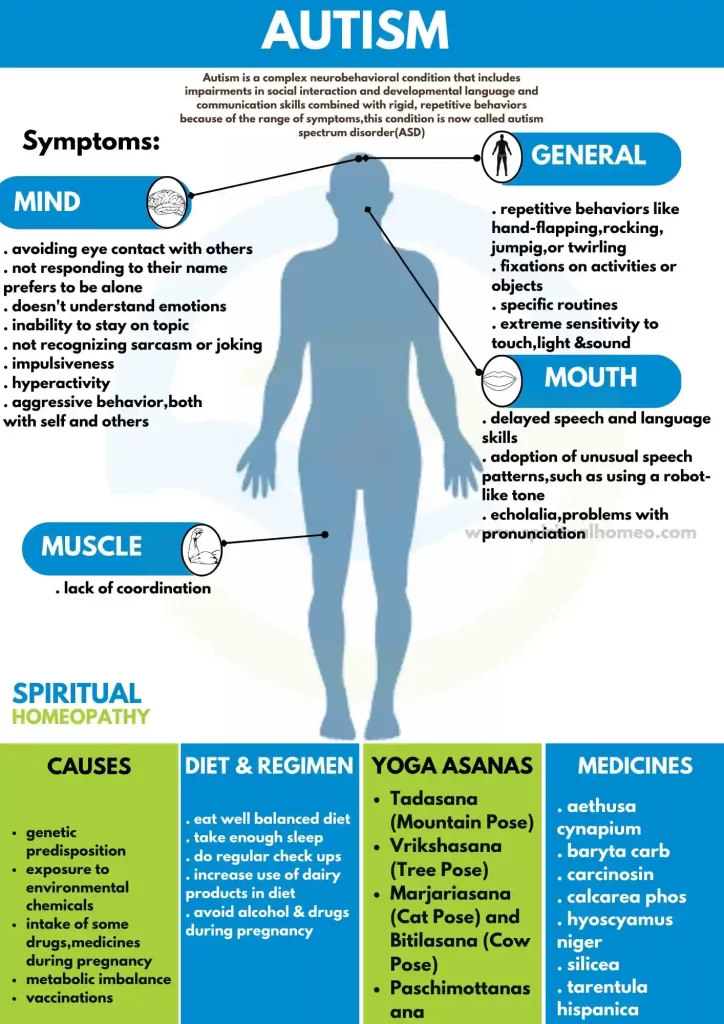
Autism Spectrum Disorder (ASD) is a complex neurodevelopmental condition, and its exact cause remains under active scientific study. Over the years, researchers have proposed multiple theories to better understand the biological and neurological mechanisms behind ASD. While no single theory fully explains all the symptoms and variations seen in individuals with autism, each has contributed valuable insights into the disorder’s development.
Recent research explores advanced areas such as genomic studies and neurovascular changes, offering promising directions for future breakthroughs. These studies aim to clarify how genes, brain structure, and blood vessel development may influence the onset and progression of ASD.
Animal models, particularly rodent models, are widely used in ASD research. Scientists continuously evaluate and refine these models to ensure they accurately replicate aspects of the human condition, helping to understand key pathways and test potential therapeutic strategies.
This overview highlights current theories and findings on the origins of autism, emphasizing their relevance to ongoing research and treatment development.
Consultation Availability: At Spiritual Homeopathy Clinic, specialized consultations for ASD are offered at multiple branches in Hyderabad, including Kukatpally, Chandanagar, Dilsukhnagar, and Nallagandla. Online and international consultations are also available, allowing for a personalized assessment and care plan based on individual needs.
Autism Spectrum Disorder (ASD) is a complex neurodevelopmental condition with a wide range of signs and symptoms that vary in type and severity among individuals. While the exact cause of ASD is not fully understood, research indicates that a combination of genetic and environmental factors may contribute to its development. Professional assessment is essential for understanding each individual’s unique needs and creating an effective care plan.
Core Features Commonly Associated with ASD:
Social Communication Difficulties
Individuals with autism often face challenges in understanding and responding to social cues, such as facial expressions, gestures, and body language. They may struggle to initiate or maintain conversations and form age-appropriate relationships.
Repetitive Behaviors
Repetitive movements or behaviors—such as hand-flapping, rocking, or repeating words (echolalia)—are frequently observed. These behaviors may provide comfort or help manage anxiety.
Intense or Restricted Interests
People with ASD may have deep, focused interests in a narrow range of topics or activities. These interests can be highly detailed and may dominate their time and attention.
Sensory Sensitivities
Many individuals experience hypersensitivity or hyposensitivity to sensory stimuli. Common triggers include loud noises, bright lights, specific textures, or certain smells, which may cause discomfort or distress. Some may actively seek particular sensory experiences.
Resistance to Change
A strong preference for routine and familiarity is typical in ASD. Sudden changes in daily routines or environments can lead to anxiety or emotional outbursts, making transitions particularly challenging.
Delayed Developmental Milestones
Some children with autism may show delays in speech, language, fine motor skills, or cognitive development. However, these delays vary widely, and some individuals may develop skills at a typical pace or even earlier than expected.
Social Withdrawal
Many individuals prefer solitary play or activities and may show limited interest in peer engagement or group settings.
Early recognition, diagnosis, and intervention are important for helping individuals with ASD develop essential skills and improve long-term outcomes. Supportive therapies, educational programs, and personalized treatment plans can significantly aid in managing autism effectively.
Autism Spectrum Disorder (ASD) is a complex neurodevelopmental condition that includes a wide range of symptoms and varying levels of severity. Understanding the different types can help guide assessment and management.
Asperger’s Syndrome
Individuals with Asperger’s Syndrome typically have average or above-average intelligence and do not show significant language delays. They may experience challenges in social interactions, understanding social cues, and often have a narrow range of interests.
Autistic Disorder
Often called “classic autism,” this form is usually diagnosed before the age of 3. It is marked by difficulties in communication, social interactions, and play, which are more pronounced compared to other ASD types.
Childhood Disintegrative Disorder
In this rare subtype, children develop normally for the first few years but later experience significant loss of social, communication, and motor skills. This regression can be distressing for families and requires careful monitoring.
Pervasive Developmental Disorder – Not Otherwise Specified (PDD-NOS)
Also known as atypical autism, PDD-NOS is diagnosed when a child shows some traits of autism but does not fully meet criteria for other subtypes. Symptoms may include delays in communication, social interactions, or behavioral challenges.
Core Characteristics of Autism Spectrum Disorder
Although ASD manifests differently in each individual, common features include:
Social Skills Challenges: Difficulty with eye contact, responding to their name, interpreting emotions, or understanding social norms.
Communication Difficulties: Delayed speech, challenges maintaining conversations, repetitive language (echolalia), flat or monotone voice, and difficulty understanding gestures, sarcasm, or humor.
Behavioral Patterns: Repetitive movements, intense focus on specific activities, strict adherence to routines, heightened sensory sensitivities, coordination difficulties, impulsivity, and food preferences.
Diagnosis and Early Signs of Autism
There are no lab tests for ASD; diagnosis relies on behavioral observations and parental input. Early identification is crucial for timely intervention and support.
Developmental Milestones to Monitor:
Smiling by 6 months
Mimicking sounds/facial expressions by 9 months
Babbling and cooing by 12 months
Key Behaviors in Early Checkups:
Repetitive or unusual behaviors
Limited eye contact or social interaction
Flat or monotone voice
Sensitivity to light, noise, or touch
Sleep disturbances or digestive issues
Increased irritability
Pediatricians typically assess children at 18- and 24-month checkups, and parental observations are vital in screening for ASD.
Other Conditions That May Mimic Autism
It is important to differentiate ASD from other conditions, such as:
Learning Disabilities / Intellectual Disabilities (LD/ID)
Attention-Deficit Hyperactivity Disorder (ADHD)
Social Communication Disorder (SCD)
Anxiety and Language Disorders
Sensory Processing Disorder (SPD), Epilepsy, OCD, and genetic syndromes
Autism Spectrum Disorder (ASD) presents with a wide range of signs and symptoms that can vary significantly between individuals. Early recognition is important for timely support and intervention.
Social Communication Challenges
Individuals with ASD often face difficulties in social interactions, such as:
Trouble making or maintaining eye contact
Not responding to social cues or others’ emotions
Difficulty initiating or maintaining conversations
Challenges in understanding or expressing emotions
Repetitive Behaviors
Repetitive actions or patterns are common in ASD, including:
Hand-flapping, rocking, or twirling
Following rigid routines or rituals
Repeating words or phrases (echolalia)
Narrow and Intense Interests
Individuals may develop focused interests in specific topics, objects, or activities, sometimes to the exclusion of other interests. These fixations can dominate their attention.
Sensory Sensitivities
Many individuals experience heightened or reduced sensitivity to sensory stimuli, leading to:
Overreaction or underreaction to lights, sounds, textures, or smells
Sensory overload or preference for particular sensory experiences
Resistance to Change
A strong preference for routines is typical in ASD. Changes in routine or environment may cause:
Anxiety, frustration, or distress
Difficulty adjusting to new situations or transitions
Delayed Developmental Milestones
Some children show delays in certain areas, including:
Language development (e.g., late speech)
Motor skills or cognitive milestones
Regression after a period of typical development in some cases
Social Withdrawal
Many individuals prefer solitary activities and may show limited interest in social play or interaction with peers.
Importance of Early Intervention
The signs and symptoms of ASD can vary in severity and may change over time. Early diagnosis and intervention are crucial for supporting skill development and improving long-term outcomes.
Special Diets for Children with Autism
While no conclusive scientific evidence supports the effectiveness of special diets for children with Autism Spectrum Disorder (ASD), some parents consider dietary changes to help manage symptoms. However, it is important to approach this cautiously, as eliminating certain foods may be ineffective or potentially harmful.
For example, children with ASD may have weaker bones, and dairy products provide nutrients essential for bone health. Although some studies have examined the protein casein in dairy, results indicate that removing dairy does not consistently affect behavior or development.
Consult with Experts for a Personalized Approach
Each child with ASD has unique nutritional needs. It is important to work with healthcare professionals—such as your pediatrician, registered dietitian, or homeopathic doctor—to develop a personalized diet plan that supports overall health and addresses ASD-related concerns. Regular consultation ensures that the diet evolves with the child’s growth and changing nutritional requirements.
Can Supplements Support ASD Management?
Certain supplements may help support nutrition and address specific ASD-related issues:
Essential Fatty Acids (EFAs): Omega-3 and omega-6 fatty acids are important for brain development and immune function. These must be obtained from food or supplements, as the body cannot produce them naturally. Omega-3 sources include salmon and tuna, while omega-6 is found in meat, eggs, dairy, and some vegetable oils.
Probiotics: Beneficial bacteria that support digestive health and help regulate inflammation, which can be associated with ASD.
Vitamins and Minerals: Children with ASD may have dietary restrictions leading to nutrient deficiencies. Supplements can help ensure essential nutrients are obtained for overall growth and health.
Yoga can be a supportive tool in managing Autism Spectrum Disorder (ASD) by promoting relaxation, improving focus, and enhancing emotional regulation. Certain yoga asanas (poses) are designed to help individuals with autism improve physical and mental well-being.
1. Tadasana (Mountain Pose)
Benefits: Enhances posture and balance, improves body awareness, promotes calmness.
How to do it: Stand tall with feet hip-width apart, arms by your sides, palms facing forward. Take deep breaths, engage the core, and focus on standing steadily. This pose encourages balance and mental grounding.
2. Balasana (Child’s Pose)
Benefits: Provides relaxation, relieves stress, calms the nervous system.
How to do it: Start on hands and knees, lower hips back to heels, extend arms forward, and rest forehead on the mat. This gentle pose supports relaxation and eases anxiety.
3. Viparita Karani (Legs Up the Wall Pose)
Benefits: Promotes relaxation, relieves stress, improves circulation.
How to do it: Sit with one hip against a wall, lie on your back, and extend legs up the wall. Keep arms relaxed by your sides. Focus on deep breathing for calmness.
4. Sukhasana (Easy Pose)
Benefits: Improves focus, enhances breathing awareness, reduces stress.
How to do it: Sit cross-legged with back straight, hands on knees, eyes closed, and concentrate on breathing. This encourages mindfulness and mental clarity.
5. Bhujangasana (Cobra Pose)
Benefits: Strengthens the spine, improves posture, opens the chest, boosts energy.
How to do it: Lie on your stomach, palms under shoulders, lift chest while keeping elbows slightly bent. Helps improve respiratory function and energy levels.
6. Setu Bandhasana (Bridge Pose)
Benefits: Strengthens lower back, glutes, and legs, calms the nervous system, promotes emotional balance.
How to do it: Lie on your back, knees bent, feet flat on the floor. Lift hips toward the ceiling, hold for a few breaths, then lower. Supports relaxation and emotional stability.
7. Pranayama (Breathing Techniques)
Benefits: Enhances focus, reduces anxiety, increases self-awareness.
How to do it: Sit comfortably, close eyes, and take slow, deep breaths through the nose. Techniques such as alternate nostril breathing or box breathing can promote calm and concentration.
8. Ardha Matsyendrasana (Seated Twist)
Benefits: Improves spinal flexibility, digestion, focus, and mental clarity.
How to do it: Sit with legs extended, bend the right knee, place foot flat, twist torso to the right, bringing left elbow outside right knee. Hold, then switch sides. Supports body awareness and flexibility.
9. Savasana (Corpse Pose)
Benefits: Promotes relaxation and mental clarity, integrates the benefits of the practice.
How to do it: Lie on your back, arms by sides, palms up, legs slightly apart. Close eyes and focus on breathing. This pose encourages deep relaxation and mindfulness.
Conclusion:
Incorporating yoga into the routine of children or individuals with ASD can support social interaction, focus, sensory integration, and emotional regulation. It should be approached with patience and tailored to the individual’s comfort level. Always consult a healthcare professional or a yoga instructor experienced with children with autism for personalized guidance.
Individualized Care Approach
At Spiritual Homeopathy Clinic, we provide an individualized homeopathic approach to support children and adults with Autism Spectrum Disorder (ASD). Our focus is on understanding each person’s unique behavioral, developmental, and emotional profile to develop a personalized plan that addresses contributing factors rather than just the symptoms.
Holistic and Long-Term Management
Homeopathy offers a holistic method that supports overall development and emotional balance. By considering physical, mental, and emotional aspects, the approach aims at long-term management of ASD traits, enhancing focus, social skills, and emotional regulation. Treatments are generally well-tolerated under professional guidance and can complement other supportive therapies, including behavioral or educational interventions.
Consultations and Follow-Up
Our experienced homeopathic doctors provide in-depth consultations at multiple Hyderabad branches, as well as online and international consultations for patients unable to visit in person. Each session involves careful assessment of behavior patterns, developmental milestones, and overall health. Regular follow-up ensures the treatment plan evolves with the individual’s progress and changing needs.
Supporting Overall Well-Being
Homeopathic care at Spiritual Homeopathy emphasizes gentle, safe, and supportive interventions. While it does not replace conventional therapies or educational support, it can play a valuable role in enhancing coping strategies, emotional regulation, and quality of life for individuals with ASD.
You should consult a healthcare professional if you notice persistent or concerning signs of Autism Spectrum Disorder (ASD) in your child or yourself. Early evaluation helps identify developmental challenges and supports timely intervention.
Seek consultation if you observe:
Delays in speech, language, or communication skills
Difficulty understanding or responding to social cues
Repetitive behaviors or rigid routines affecting daily life
Extreme sensitivity or underreaction to sensory stimuli (e.g., lights, sounds, textures)
Intense focus on narrow interests that limits social interaction
Regression in previously acquired skills or milestones
At Spiritual Homeopathy Clinic, consultations are available at multiple branches in Hyderabad, including Kukatpally, Chandanagar, Dilsukhnagar, and Nallagandla. Online and international consultations are also available for patients unable to visit in person. A professional assessment supports an individualized care approach based on developmental, behavioral, and overall health needs.
For appointments or guidance, contact 9069 176 176.
To determine if you are autistic, start by assessing your lifelong social, communication, and behavioral patterns. Common indicators include struggling with social cues, experiencing sensory overload, requiring strict routines, and having highly focused interests. A formal diagnosis from a healthcare professional is the only definitive answer.
Autism spectrum disorder is a condition related to brain development that affects how people see others and socialize with them. This causes problems in communication and getting along with others socially. The condition also includes limited and repeated patterns of behavior.
The 90% figure refers to the heritability of autism, meaning genetic factors account for about 60% to 90% of the risk for developing autism spectrum disorder (ASD). Autism is not caused by a single, isolated factor; it is a complex condition resulting from an intricate blend of inherited genes, spontaneous genetic mutations, and environmental influences during early brain development.
Yes, autism is highly genetic. Research estimates that heritability ranges from 70% to 90%. It is usually not caused by a single gene, but rather by a complex combination of hundreds of inherited gene variations and spontaneous, non-inherited mutations.
Yes, two neurotypical (non-autistic) parents can absolutely have an autistic child. The vast majority of autistic children are born to parents without autism. Autism is influenced by a complex combination of multiple genes and environmental factors rather than a single trait.