
Osteoporosis is a common bone disorder characterized by reduced bone density and deterioration of bone tissue, making the bones weak, fragile, and more prone to fractures. It often develops gradually without noticeable symptoms and is commonly referred to as a “silent disease” because many people are unaware they have it until a bone breaks. Osteoporosis most frequently affects the hips, spine, and wrists, and common signs may include back pain, loss of height, stooped posture, and fractures that occur after minor falls or injuries. Risk factors include aging, hormonal changes, calcium and vitamin D deficiency, lack of physical activity, certain medications, and family history. Seeking early osteoporosis treatment and proper evaluation can help strengthen bone health, reduce the risk of fractures, and improve long-term mobility and quality of life.
At Spiritual Homeopathy, we believe in treating the root cause of osteoporosis rather than simply managing its symptoms. Our experienced homeopathic doctors carefully evaluate each patient’s symptoms, medical history, nutritional status, hormonal health, lifestyle, bone health, family history, and overall well-being before preparing an individualized treatment plan. Our holistic approach focuses on providing natural osteoporosis treatment, supporting bone strength, improving overall musculoskeletal health, reducing the risk of recurrent fractures, and promoting long-term wellness through safe and personalized homeopathic care. We specialize in homeopathic treatment for osteoporosis, low bone density, bone weakness, postmenopausal bone loss, and other chronic bone health conditions.
We provide personalized homeopathic treatment for osteoporosis in Hyderabad to patients of all age groups through our clinics in Hyderabad, as well as online homeopathy consultations for patients across India and in more than 100 countries worldwide. If you are looking for the best homeopathy doctor for osteoporosis, natural treatment for weak bones, bone health management, or long-term musculoskeletal wellness, Spiritual Homeopathy is committed to delivering expert, patient-centered care wherever you are.
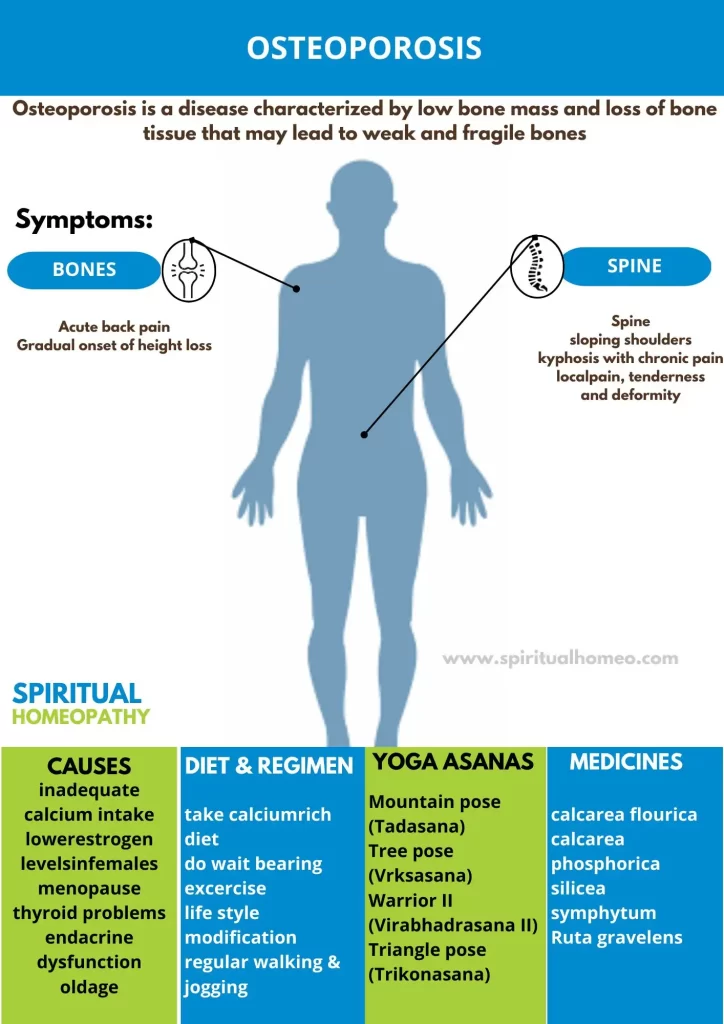
Osteoporosis is the most common bone disease, affecting millions of people worldwide. It leads to weakened bones, increasing the risk of fractures, particularly in the forearm, spine, and hip. In developed countries, osteoporosis-related fractures affect around 30% of women and 12% of men. In the UK alone, more than 250,000 fractures occur each year, with an estimated treatment cost of £1.75 billion.
Hip fractures are considered the most serious, associated with an immediate mortality rate of around 12% and a 20% increase in long-term mortality. Osteoporosis is characterized by reduced bone density and micro-architectural deterioration of bone tissue, which increases fracture risk even with minor falls or stress. As age advances, bone density naturally declines, particularly in women, making osteoporosis more prevalent. The condition develops when new bone formation does not keep pace with the loss of existing bone.
Osteoporosis occurs when there is an imbalance between new bone formation and old bone resorption. This imbalance may result from insufficient new bone formation, excessive bone loss, or a combination of both. Key minerals such as calcium and phosphate are essential for healthy bone development. When calcium intake is inadequate or absorption is impaired, bone production is affected, leading to weaker and more fragile bones.
Hormonal changes are a major contributing factor, particularly a decline in estrogen in women and testosterone in men. Women over the age of 60, especially during and after menopause, are at a higher risk due to reduced estrogen levels. Additional contributing factors include:
Inadequate calcium and vitamin D intake
Lack of regular weight-bearing exercise
Age-related hormonal changes
Prolonged use of corticosteroids (e.g., in conditions such as Cushing syndrome)
Thyroid-related disorders
Reduced muscle use or prolonged immobility
Bone-related cancers
Certain genetic disorders
Long-term use of specific medications, including corticosteroids
Osteoporosis is a condition in which bones become fragile and more prone to fractures. It can be classified based on the cause, age of onset, and factors contributing to bone loss. The main types of osteoporosis are outlined below:
Primary osteoporosis develops without an identifiable underlying medical condition, most commonly due to aging or hormonal changes. It includes two subtypes:
Type 1 (Postmenopausal Osteoporosis):
Cause: A decline in estrogen levels after menopause, which directly affects bone density.
Characteristics: Mainly affects trabecular bone, especially in the spine and wrists, increasing fracture risk.
Onset: Typically seen in women aged 50 years and above following menopause.
Type 2 (Senile Osteoporosis):
Cause: Age-related bone loss in both men and women due to reduced bone formation and decreased calcium absorption.
Characteristics: Involves both cortical and trabecular bones and is often associated with long-term low bone mass.
Onset: Common after the age of 70, affecting both genders, with a higher prevalence in postmenopausal women.
Secondary osteoporosis occurs as a result of underlying medical conditions, long-term medication use, or lifestyle factors. Common causes include:
Medications:
Prolonged use of corticosteroids (e.g., prednisone), which can interfere with bone formation and calcium balance.
Certain anticonvulsants and chemotherapy agents that may affect bone health over time.
Endocrine Disorders:
Conditions such as hyperthyroidism, Cushing’s syndrome, and diabetes, which can contribute to reduced bone strength.
Lifestyle Factors:
Smoking and excessive alcohol consumption, both of which accelerate bone loss.
Nutritional deficiencies, particularly low calcium and vitamin D intake.
Other Medical Conditions:
Rheumatoid arthritis, gastrointestinal disorders (such as celiac disease), and chronic kidney disease, all of which may increase osteoporosis risk.
Idiopathic osteoporosis refers to cases where no clear cause can be identified.
Onset: May occur in younger individuals under 50 years of age.
Characteristics: Often detected after an unexpected fracture and can affect both men and women, with a possible genetic component.
This is a rare form affecting children and adolescents.
Cause: May be related to genetic or metabolic disorders, or secondary to conditions such as juvenile arthritis.
Characteristics: Can present with frequent fractures, delayed growth, and impaired bone development.
This specific type of secondary osteoporosis results from long-term glucocorticoid use.
Mechanism: These medications reduce bone formation, increase calcium loss, and lower overall bone mass.
At Risk: Individuals receiving glucocorticoids for conditions such as asthma, rheumatoid arthritis, or lupus.
OPGS is a rare genetic disorder characterized by early-onset osteoporosis and visual impairment.
Cause: Mutations in the LRP5 gene leading to weak bones and eye conditions such as pseudoglioma, which can result in vision loss.
Osteoporosis is often referred to as a “silent disease” because it typically progresses without obvious symptoms until a fracture occurs. By the time signs appear, significant bone loss may have already taken place. Understanding the warning signs and types of fractures associated with osteoporosis can help in early identification and timely management.
Consultations for osteoporosis evaluation and long-term management are available at Spiritual Homeopathy Clinic, with multiple branches across Hyderabad, as well as online and international consultation options.
While osteoporosis itself may not cause noticeable discomfort in its early stages, fractures related to weakened bones can present with a range of symptoms depending on their location.
The spine is one of the most commonly affected areas in osteoporosis. Vertebral fractures may occur suddenly or develop gradually over time and can result in:
Sudden or persistent back pain
Gradual loss of height
Rounded or sloping shoulders
A hunched posture (kyphosis), often associated with long-term discomfort
These fractures may occur from minimal stress, such as bending forward, lifting light objects, or even coughing.
When a vertebral fracture occurs abruptly, it may cause:
Sharp back pain that can radiate to the chest or abdomen
Discomfort sometimes mistaken for cardiac or digestive conditions
Pain that worsens with movement
Localized tenderness along the spine
Because these symptoms can resemble other medical conditions, proper clinical evaluation is important for accurate diagnosis and appropriate care.
Fractures affecting the arms or legs often result from minor falls or low-impact injuries and may present with:
Localized pain and swelling
Visible deformity in the affected area
Pain following minimal trauma, such as slipping or bumping into furniture
These fractures commonly involve the wrist, forearm, or ankle.
Hip fractures are considered one of the more serious complications of osteoporosis, particularly in older adults. Common signs include:
Difficulty or inability to bear weight on the affected leg
Shortening of the leg on the fractured side
Outward rotation of the leg
Severe pain in the hip or groin region
Such fractures usually require prompt medical attention and may affect long-term mobility if not managed appropriately.
Alongside conventional medical care, supportive natural approaches may help in maintaining bone health and reducing the risk of further complications. A homeopathy-based approach focuses on individualized care, addressing contributing factors such as age, lifestyle, nutritional status, and overall health.
Supporting bone regeneration: Gentle, individualized care may assist the body’s natural healing processes during fracture recovery.
Enhancing nutrient absorption: Holistic guidance may support better utilization of calcium and other essential nutrients.
Maintaining bone strength: Long-term management emphasizes minimizing further bone loss through lifestyle, dietary measures, and supportive care.
Homeopathic care is generally well-tolerated when guided by a qualified professional and is intended to complement, not replace, standard medical evaluation.
A nutrient-dense diet plays a pivotal role in supporting bone health, particularly for individuals with osteoporosis. A focus on foods rich in calcium, vitamin D, magnesium, protein, vitamin K, and omega-3 fatty acids can support bone strength and help reduce fracture risk. Dietary guidance is best tailored to individual needs, age, and overall health status. Below are key dietary recommendations for osteoporosis:
Calcium is a vital mineral for bone structure. Adequate intake supports bone density and helps reduce bone weakening:
Dairy Products: Milk, yogurt, and cheese
Leafy Greens: Kale, collard greens, and bok choy
Fortified Foods: Almond or soy milk and fortified orange juice
Fish with Bones: Sardines and canned salmon
Tofu: Calcium-set tofu
Almonds and Figs: Naturally rich in calcium
Vitamin D supports effective calcium absorption and utilization:
Fatty Fish: Salmon, mackerel, sardines
Egg Yolks: Moderate source
Fortified Foods: Fortified milk (dairy and plant-based), cereals, orange juice
Sunlight: Short, regular sunlight exposure supports natural vitamin D synthesis, depending on skin type and location
Magnesium helps regulate calcium balance and bone formation:
Leafy Greens: Spinach, kale, Swiss chard
Nuts and Seeds: Almonds, sunflower seeds, cashews
Whole Grains: Brown rice, quinoa, oats
Legumes: Beans, lentils, chickpeas
Adequate protein supports both muscle mass and bone structure:
Lean Meats: Chicken, turkey, lean beef
Fatty Fish: Salmon, tuna
Plant-Based Proteins: Tofu, tempeh, beans, lentils, quinoa
Vitamin K plays a role in proper calcium regulation within bones:
Leafy Greens: Kale, spinach, Swiss chard
Cruciferous Vegetables: Broccoli, Brussels sprouts
Herbs: Parsley, basil
Omega-3 fatty acids help support joint comfort and overall bone health:
Fatty Fish: Salmon, sardines, mackerel
Nuts and Seeds: Walnuts, flaxseeds, chia seeds
Managing inflammation may help slow bone loss:
Fruits: Berries, oranges, apples, cherries
Vegetables: Tomatoes, broccoli, sweet potatoes, bell peppers
Spices: Turmeric and ginger
Adequate hydration supports nutrient transport and overall metabolic function, indirectly benefiting bone health.
Certain dietary habits may negatively affect bone health:
Excessive Salt: Can increase calcium loss
Caffeine: High intake may increase calcium excretion
Alcohol: Excess consumption may interfere with bone formation
Soda: Cola beverages may affect calcium balance
Sugar: High intake may contribute to gradual bone loss
Along with diet, appropriate physical activity plays an important role in maintaining bone strength and reducing fall risk. Exercise routines should be adapted to individual fitness levels and medical conditions.
These activities help stimulate bone maintenance:
Walking
Jogging (if joint health permits)
Hiking
Dancing
Stair climbing
Stronger muscles help protect bones and improve stability:
Light weightlifting
Resistance band exercises
Bodyweight exercises such as squats and lunges
Improving balance is especially important in osteoporosis:
Tai Chi
Gentle yoga
Pilates
Simple standing balance exercises
These activities support heart health with minimal bone stress:
Swimming
Cycling
Elliptical training
The following yoga poses are commonly recommended as supportive practices to improve posture, balance, flexibility, and muscle strength in individuals with osteoporosis. These practices are intended to complement medical care and are not a replacement for clinical evaluation or treatment. Movements should be gentle and adapted to individual bone health and physical capacity.
Benefits: Improves posture, strengthens the legs, and promotes balance.
How to Do It:
Stand tall with your feet hip-width apart, grounding evenly through both feet.
Engage your thighs, lift your chest, and keep the spine neutral.
Raise your arms overhead with palms facing inward, keeping shoulders relaxed.
Hold for 15–30 seconds with steady breathing.
Benefits: Enhances spinal mobility and flexibility; may help ease back stiffness.
How to Do It:
Begin on hands and knees, wrists under shoulders and knees under hips.
Inhale and gently arch the back, lifting the head and tailbone (cow pose).
Exhale and round the spine, tucking the chin and pelvis (cat pose).
Repeat slowly for 5–10 rounds with controlled breathing.
Benefits: Strengthens the legs, supports posture, and improves balance.
How to Do It:
Stand with feet wide apart, turning one foot outward and the other slightly inward.
Bend the front knee while extending arms parallel to the floor.
Keep the knee aligned over the ankle and gaze forward.
Hold for 20–30 seconds, then switch sides.
Benefits: Enhances balance, focus, and lower limb strength.
How to Do It:
Stand upright and shift weight onto one leg.
Place the sole of the opposite foot on the inner calf or thigh (avoid the knee).
Bring palms together at the chest or raise arms overhead.
Hold for 20–30 seconds, then change sides.
Benefits: Strengthens the back, gluteal muscles, and legs; supports spinal alignment.
How to Do It:
Lie on your back with knees bent and feet hip-width apart on the floor.
Press through the feet and gently lift the hips upward.
Keep shoulders grounded; hands may be clasped beneath the back if comfortable.
Hold for 15–30 seconds, then lower slowly.
Benefits: Builds strength in the legs, core, and spine.
How to Do It:
Stand with feet together or hip-width apart.
Bend the knees as if sitting back into a chair, keeping weight in the heels.
Raise arms overhead while maintaining a long spine.
Hold for 15–30 seconds and return slowly to standing.
Benefits: Lengthens the spine and strengthens the arms and legs.
How to Do It:
Start on hands and knees.
Lift hips upward, forming an inverted “V” shape.
Keep hands shoulder-width apart and feet hip-width apart.
Hold for 20–30 seconds with steady breathing.
Benefits: Gently strengthens the lower back and supports spinal posture.
How to Do It:
Lie on your stomach with forearms on the floor, elbows under shoulders.
Press forearms down and lift the chest slightly, lengthening the spine.
Keep hips and legs relaxed on the mat.
Hold for 20–30 seconds while breathing comfortably.
Benefits: Provides gentle spinal stretch and promotes relaxation.
How to Do It:
Kneel with toes together and knees apart.
Lower hips toward heels and extend arms forward.
Rest the forehead on the floor or a support.
Hold for 1–2 minutes in a relaxed position.
Benefits: Strengthens the spine and opens the chest.
How to Do It:
Lie on your stomach with palms placed under the shoulders.
Gently press into the palms to lift the chest, keeping elbows slightly bent.
Avoid excessive back extension.
Hold for 15–20 seconds and release slowly.
Homeopathy is a gentle, natural system of healthcare that focuses on addressing the underlying causes of illness rather than only treating symptoms. It works in harmony with the body’s innate healing ability and is suitable for all ages. Homeopathic care is individualized, aiming to support long-term health and overall well-being.
It can be applied for both chronic conditions and acute symptoms, providing a holistic and personalized approach to care.
At Spiritual Homeopathy Clinic, we focus on supporting physical, emotional, and spiritual health. Our approach combines time-tested homeopathic principles with modern clinical insight, ensuring care that is personalized, careful, and safe.
We aim to identify underlying imbalances and address them thoughtfully, rather than simply suppressing symptoms.
Our approach emphasizes:
Root-Cause Focus: Evaluating the factors behind your symptoms to support long-term wellness.
Personalized Care: Remedies and treatment plans are tailored to your body, lifestyle, and emotional state.
Experienced Team: Skilled homeopathy doctors in Hyderabad provide in-clinic, online, and international consultations.
Safe & Gentle: Homeopathic remedies are non-toxic and well-tolerated under professional guidance.
Holistic Perspective: Treatment integrates mind, body, and emotional aspects of health.
🩺 1. Comprehensive Consultation
We carefully assess your health history, lifestyle, emotional state, and symptoms to create an individualized care plan.
💊 2. Homeopathic Remedies
We select natural remedies based on your specific condition. Care may support both acute illnesses and long-term health management.
🔄 3. Ongoing Support & Follow-Up
Regular follow-ups allow monitoring, adjustments, and guidance to ensure treatment aligns with your evolving health needs.
Your health and well-being are our primary focus. We guide patients toward balanced health using professional, individualized, and supportive homeopathic care
You should consult a healthcare professional if you are at risk of osteoporosis or notice symptoms that may indicate weakened bones. Early evaluation helps identify contributing factors and reduces the risk of fractures.
Seek consultation if you experience:
Frequent or unexplained back pain
Loss of height over time or a stooped posture
Fractures from minor falls or minor trauma
Difficulty moving or limited mobility due to bone pain
Bone pain that persists despite rest or basic care
Risk factors such as menopause, long-term steroid use, low calcium or vitamin D intake, or a family history of osteoporosis
At Spiritual Homeopathy Clinic, consultations are available at multiple branches in Hyderabad, including Kukatpally, Chandanagar, Dilsukhnagar, and Nallagandla. Online and international consultations are also available for patients who cannot visit in person. A professional assessment helps create an individualized care plan based on bone health, lifestyle, and overall well-being.
For appointments or guidance, contact 9069 176 176.
Yes, you can live a full and active life with osteoporosis. The condition does not typically affect your overall life expectancy. Successful management focuses on preventing bone fractures and maintaining density through prescription medications, regular weight-bearing exercise, fall-proofing your home, and ensuring adequate calcium and vitamin D intake.
To reduce the progression of osteoporosis and strengthen bones, combine weight-bearing and resistance exercises with a diet rich in calcium and vitamin D. Avoid smoking and excessive alcohol, and consult your doctor about bone density screenings and potential prescription medications.
Osteoporosis most commonly develops after age 50. While bone loss starts naturally around age 35, the accelerated breakdown leading to osteoporosis typically kicks in during postmenopause for women (usually ages 45–55) and in men over 70.
Since bones are living tissue and classified as organs, the skeletal system is the organ system most affected by osteoporosis. The disease causes bones to become porous and brittle. The areas most frequently affected and susceptible to fractures are the hips, spine (vertebrae), and wrists.
Yes, osteoporosis is a serious and potentially life-altering condition. It silently weakens bones, making them extremely fragile. The most severe danger is a hip or spinal fracture, which can lead to permanent disability, chronic pain, and a dramatically increased risk of mortality.
Osteoporosis and low bone mineral density affect millions of Americans. The majority of adults in North America have insufficient intake of vitamin D and calcium along with inadequate exercise. Physicians are aware that vitamin D, calcium and exercise are essential for maintenance of bone health.