
Nasopharyngitis, commonly known as the common cold, is an inflammation of the nasal passages and the pharynx (throat), most often caused by viral infections. It is one of the most common upper respiratory tract infections and can affect people of all age groups. Symptoms typically include a sore throat, nasal congestion, runny nose, sneezing, cough, mild fever, headache, body aches, fatigue, and difficulty breathing through the nose. While most cases of nasopharyngitis resolve within one to two weeks, frequent, severe, or persistent symptoms may indicate an underlying respiratory condition, allergy, or secondary bacterial infection and should not be ignored. Seeking early nasopharyngitis treatment and proper evaluation can help relieve symptoms, reduce recurrent infections, and support faster recovery.
At Spiritual Homeopathy, we believe in treating the root cause of nasopharyngitis rather than simply suppressing symptoms. Our experienced homeopathic doctors carefully evaluate each patient’s symptoms, medical history, immune health, allergy profile, lifestyle, environmental triggers, and overall health before preparing an individualized treatment plan. Our holistic approach focuses on providing natural nasopharyngitis treatment, strengthening the immune system, reducing the frequency of recurrent upper respiratory infections, relieving nasal congestion and throat irritation, and promoting long-term respiratory wellness through safe and personalized homeopathic care. We specialize in homeopathic treatment for nasopharyngitis, common cold, recurrent throat infections, allergic rhinitis, and upper respiratory tract infections.
We provide personalized homeopathic treatment for nasopharyngitis in Hyderabad to patients of all age groups through our clinics in Hyderabad, as well as online homeopathy consultations for patients across India and in more than 100 countries worldwide. If you are looking for the best homeopathy doctor for nasopharyngitis, natural treatment for the common cold, recurrent respiratory infections, or long-term immune support, Spiritual Homeopathy is committed to delivering expert, patient-centered care wherever you are.
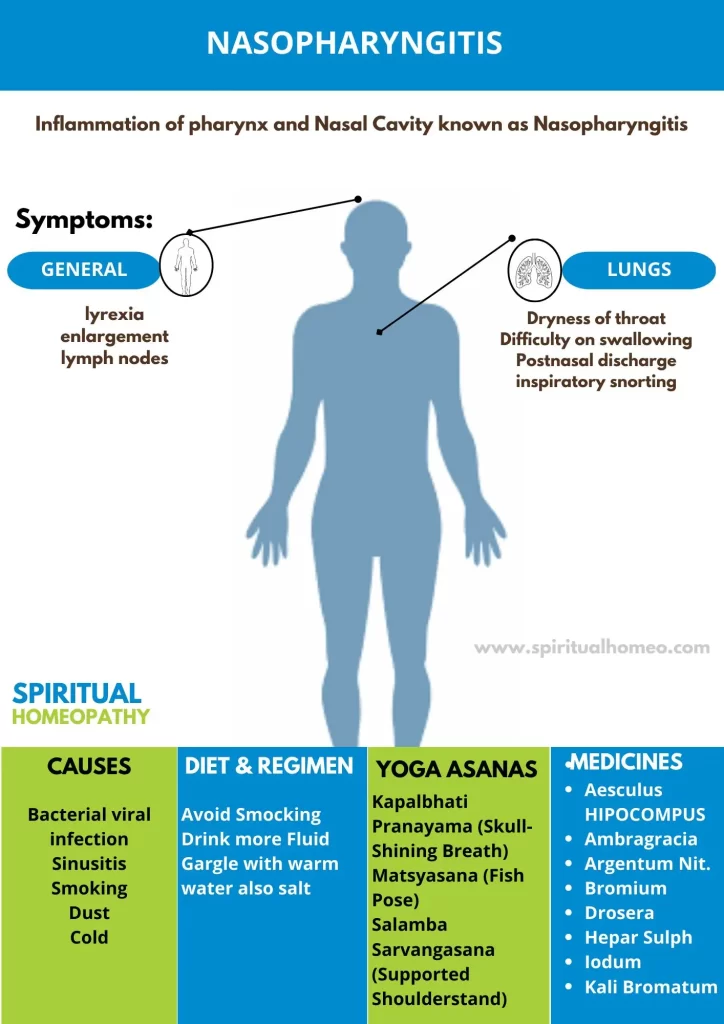
Nasopharyngitis is the inflammation of the nasopharynx, the upper part of the throat located behind the nose and above the soft palate. This condition affects both the nasal passages and the pharynx, leading to discomfort such as nasal congestion, difficulty breathing, swallowing problems, and a general sense of irritation in the throat.
Nasopharyngitis may be triggered by viral infections, allergens, irritants, or other underlying medical conditions. While mild cases often resolve on their own, persistent or severe symptoms may require professional evaluation.
Acute nasopharyngitis is usually caused by viral infections, such as the common cold, influenza, parainfluenza, rhinovirus, or adenovirus. Bacterial infections, including streptococcus, pneumococcus, or Haemophilus influenzae, may also contribute in some cases. Typical symptoms include nasal congestion, sore throat, cough, and mild fever. Acute cases often improve with supportive care, rest, and appropriate symptom management.
Chronic nasopharyngitis is associated with persistent inflammation of the nasal passages, paranasal sinuses, or pharynx. It is more common in individuals who smoke, consume alcohol excessively, or are frequently exposed to environmental irritants such as dust, fumes, or pollution. Long-term inflammation can lead to persistent discomfort, throat irritation, nasal blockage, and difficulty breathing.
Nasopharyngitis is the inflammation of the nasopharynx, the area located at the back of the nose and the upper part of the throat. This condition can arise from infections, allergies, irritants, acid reflux, or chronic conditions, and may require professional evaluation if symptoms persist. Consultations are available at Spiritual Homeopathy Clinic in Hyderabad, as well as online and international consultations for patients who cannot visit in person.
This type occurs due to infections and can be classified as:
Viral Nasopharyngitis: The most common cause, often triggered by viruses such as rhinovirus (common cold), influenza, adenovirus, or COVID-19.
Bacterial Nasopharyngitis: May result from bacterial infections, such as those associated with sinusitis or Group A Streptococcus, causing localized inflammation.
Fungal Nasopharyngitis: Less common, usually seen in individuals with weakened immune systems. Fungal infections like Candida can irritate and inflame the nasopharynx.
Inflammation occurs due to allergic reactions to environmental triggers:
Seasonal Allergic Nasopharyngitis: Caused by allergens like pollen, typically appearing during certain seasons (e.g., spring or fall).
Perennial Allergic Nasopharyngitis: Triggered by indoor allergens such as dust mites, pet dander, and mold, causing year-round symptoms.
Exposure to environmental irritants can also inflame the nasopharynx. Common triggers include:
Cigarette smoke
Air pollution
Strong chemicals or fumes (household or industrial)
Strong perfumes or odors
Repeated exposure can lead to persistent irritation similar to allergic reactions.
Backflow of stomach acid into the throat may irritate the nasopharynx, causing inflammation. Symptoms may include throat discomfort, a sensation of a lump in the throat, and persistent coughing.
Chronic nasopharyngitis refers to long-term or recurring inflammation, often linked to:
Chronic Rhinosinusitis: Persistent inflammation of the sinuses affecting the nasopharynx.
Chronic Allergies: Ongoing allergic rhinitis causing sustained inflammation and repeated symptoms.
Inflammation can occur following physical trauma to the head, neck, or throat, such as injuries, surgery, or accidents. This type arises directly as a result of trauma.
Acute nasopharyngitis, commonly known as the common cold, involves inflammation of the nasopharynx—the area behind the nose and above the soft palate. It often begins with a dry, burning sensation in the upper throat, similar to early cold symptoms.
Key Symptoms:
Dryness and burning in the throat above the soft palate
Pain or discomfort at the back of the nose
Difficulty swallowing
Fever (in more severe cases)
Enlarged and tender cervical lymph nodes
Clinical Findings:
On examination, the nasopharyngeal mucosa may appear red, swollen, and congested. In some cases, it may be covered with whitish exudate, reflecting inflammation or infection.
If symptoms are frequent or severe, a professional evaluation is recommended to guide individualized care.
Chronic nasopharyngitis refers to long-term inflammation of the nasopharynx, often resulting from persistent infections or ongoing exposure to irritants such as dust, smoke, or allergens.
Common Symptoms:
Persistent postnasal drip or nasal discharge
Crusting and irritation at the back of the nose
Constant throat-clearing or hawking
Habitual snorting to clear secretions
Clinical Findings:
Examination may show congested nasopharyngeal mucosa, often with mucopus or dry crusts. In children, enlarged or chronically infected adenoids (chronic adenoiditis) may contribute to nasal obstruction and recurring infections.
Nasopharyngitis, commonly known as the common cold, is an inflammation of the nasopharynx—the area at the back of the nose and upper throat. While mild cases often resolve on their own, supportive dietary and lifestyle measures can help relieve symptoms and promote recovery. Guidance may vary depending on individual health conditions, so professional consultation is recommended.
1. Soothing and Hydrating Liquids
Warm Broths: Chicken, vegetable, or miso broths can soothe the throat and provide hydration.
Herbal Teas: Non-caffeinated teas, such as chamomile or ginger tea, can help reduce irritation.
Warm Water with Honey: Honey coats the throat and soothes irritation; a small amount of lemon may be added if tolerated.
Coconut Water: Hydrating and gentle on the throat.
2. Soft, Smooth Foods
Mashed Potatoes: Soft, creamy texture with butter or olive oil is gentle on the throat.
Yogurt: Unsweetened yogurt supports gut health and is easy to swallow.
Oatmeal or Cream of Wheat: Smooth, easy-to-digest options for comfort.
Smoothies: Blended soft fruits like bananas, peaches, or soft berries with yogurt or almond milk; avoid citrus if it irritates.
3. Protein-Rich Options
Soft Scrambled Eggs: Easy to swallow and provide protein.
Silken Tofu: Smooth, versatile protein source.
Tender, Shredded Meat or Fish: Well-cooked chicken, turkey, or fish like salmon or cod can be easily digested.
4. Hydrating Fruits and Vegetables
Watermelon and Cucumbers: High water content and gentle on the throat.
Steamed or Pureed Vegetables: Carrots, zucchini, and sweet potatoes cooked until soft.
5. Healthy Fats
Avocados: Soft, nutrient-rich, and easy to eat.
Olive Oil: Adds healthy fats and makes food easier to swallow.
❌ Foods and Beverages to Limit or Avoid
Spicy foods, acidic foods (citrus, tomatoes, vinegar), hard or crunchy foods, certain dairy products if they increase mucus, caffeinated beverages, and alcohol may worsen throat irritation or dehydration.
1. Hydration
Drink plenty of water, herbal teas, broths, and smoothies.
Avoid extremely hot or cold drinks; lukewarm or room temperature is preferable.
2. Gentle, Regular Meals
Eat smaller, frequent meals (5–6 times per day) to reduce strain on the throat.
Focus on soft and moist foods that are easy to swallow.
3. Rest and Recovery
Ensure 7–9 hours of sleep to support immune function.
Minimize stress through relaxation techniques, deep breathing, or light stretching.
4. Avoid Irritants
Reduce exposure to cigarette smoke, pollution, and strong odors.
Use a humidifier to maintain moisture in dry environments.
5. Saltwater Gargles
Gargle with warm salt water (1/4 to 1/2 teaspoon in 8 ounces of water) 2–3 times daily to relieve throat irritation and clear mucus.
6. Supportive Measures for Symptoms
Over-the-counter pain relief or saline nasal sprays can be used if recommended by a healthcare professional.
Yoga and gentle breathing exercises can support recovery from nasopharyngitis by improving circulation, sinus drainage, and respiratory function. These practices are supportive measures only and should not replace medical care. Individuals with severe symptoms or chronic conditions should consult a healthcare professional before starting yoga.
1. Adho Mukha Svanasana (Downward-Facing Dog)
Benefits: Enhances blood circulation, opens sinuses, and may support drainage from the nasal passages.
Tip: Keep your head slightly lower than the heart to encourage gentle mucus flow and relieve sinus pressure.
2. Setu Bandhasana (Bridge Pose)
Benefits: Opens the chest, promotes deep breathing, and may help reduce congestion.
Tip: Use a bolster under the back for support if fatigued or uncomfortable.
3. Bhujangasana (Cobra Pose)
Benefits: Expands the chest and lungs, aiding respiratory function and sinus clearance.
Caution: Avoid if you have back pain, recent spinal injuries, or abdominal surgery.
4. Halasana (Plow Pose)
Benefits: Stimulates the thyroid region, supports lymphatic drainage, and may relieve sinus blockages.
Note: Practice only if experienced or under supervision; avoid during acute illness.
5. Viparita Karani (Legs-Up-the-Wall Pose)
Benefits: Calms the nervous system, supports immune function, and may reduce nasal congestion.
Ideal For: Gentle recovery and relaxation during illness.
1. Anulom Vilom (Alternate Nostril Breathing)
Benefits: Balances the nervous system, helps clear nasal passages, and improves lung efficiency.
2. Bhramari (Bee Breath)
Benefits: Soothes the throat and sinuses, reduces stress, and supports nasal clarity.
3. Kapalabhati (Skull-Shining Breath) – Mild Practice Only
Caution: Avoid during acute inflammation. Can be introduced in early recovery to clear sinuses and energize the system.
🌿 Why Choose Homeopathy?
Homeopathy is a gentle, natural system of healing that focuses on addressing the root causes of illness, not just the symptoms. It works in harmony with the body’s innate ability to restore balance. Homeopathic care is tailored to each individual and generally well-tolerated, supporting long-term health and well-being.
Whether you are managing a chronic condition or seeking relief from acute symptoms, homeopathy provides a holistic and personalized approach to health. Consultations are available at multiple branches in Hyderabad, as well as online and international sessions for those who cannot visit in person.
🌟 Spiritual Homeopathy: Partner in Natural Healing
At Spiritual Homeopathy Clinic, we are committed to helping patients achieve wellness—physically, emotionally, and spiritually. Our approach combines classical homeopathic principles with modern clinical insights, focusing on identifying and addressing underlying imbalances rather than only treating surface symptoms.
💫 Key Features of Spiritual Homeopathy
✅ Root-Cause Healing: We aim to understand the underlying factors contributing to illness.
✅ Personalized Treatment: Every care plan is tailored to an individual’s health, lifestyle, and emotional needs.
✅ Experienced Team: Our skilled homeopathy doctors in Hyderabad provide in-clinic, online, and international consultations.
✅ Safe & Non-Toxic: Remedies are gentle, non-addictive, and free from harmful chemicals.
✅ Holistic Care: We integrate mind-body-spirit considerations into every treatment plan.
🔍 Our Treatment Process
🩺 1. In-Depth Consultation
During the initial session, we carefully assess your medical history, lifestyle, emotional state, and current symptoms to create a customized treatment plan.
💊 2. Holistic Remedies
We use homeopathic remedies selected specifically for each patient’s condition—whether acute issues like respiratory infections or chronic concerns such as digestive problems, skin conditions, or allergies.
🔄 3. Ongoing Support & Follow-Up
Healing is a continuous process. Regular follow-ups allow us to monitor progress, adjust treatment as needed, and provide guidance for long-term health management.
❤️ Our Commitment
At Spiritual Homeopathy, patient well-being is the priority. We provide professional, compassionate, and individualized care for both immediate symptom relief and overall vitality.
You should consult a healthcare professional if nasopharyngitis symptoms become frequent, persistent, or interfere with daily activities, sleep, or overall well-being. Early evaluation helps identify underlying causes and prevents complications.
Seek consultation if you experience:
Recurrent or prolonged nasal congestion and runny nose
Severe sore throat or difficulty swallowing
Persistent cough or chest discomfort
High fever or symptoms that worsen at night
Fatigue affecting daily activities
Symptoms that do not improve with home care measures
At Spiritual Homeopathy Clinic, consultations are available at multiple branches in Hyderabad, including Kukatpally, Chandanagar, Dilsukhnagar, and Nallagandla. Online and international consultations are also offered for patients who cannot visit in person. Professional assessment ensures an individualized care approach based on your symptoms and overall health.
📞 For appointments or guidance, contact 9069 176 176.
Nasopharyngitis, commonly known as the common cold, is an inflammation of the nasal passages and throat. It is primarily caused by highly contagious respiratory viruses, with the rhinovirus being the most frequent culprit.
Nasopharyngitis is generally a benign, self-limiting condition that usually resolves within 1-2 weeks. Common symptoms include nasal congestion and discharge; moist and productive cough; sneezing; and sore throat. Low-grade fever, headache, fatigue, and malaise are variably present.
Symptoms will usually appear within one to three days of getting infected. Symptoms may last from one week to 10 days, but they can last longer. Common symptoms of nasopharyngitis include: runny or stuffy nose.
Nasopharyngitis (the common cold) is usually benign, but complications can arise if viral inflammation spreads or develops into a secondary bacterial infection. Common issues include acute otitis media (middle ear infections), sinusitis, bronchitis, pneumonia, and exacerbations of pre-existing respiratory conditions like asthma.
Nasopharyngitis is caused by a virus in nearly all cases; consequently, no antibiotic treatment is relevant except in cases where proven complications are supposed to come from bacterial sources (following recommendations from the French ANSM1), like AOM or purulent sinusitis.
But adults do not usually get a fever when they have a cold. Call your or your child's doctor or nurse if he or she: Has a stuffed or runny nose that gets worse or does not get better after 2 weeks. Has ear pain, pulls at his or her ears, or shows other signs of having an ear infection.