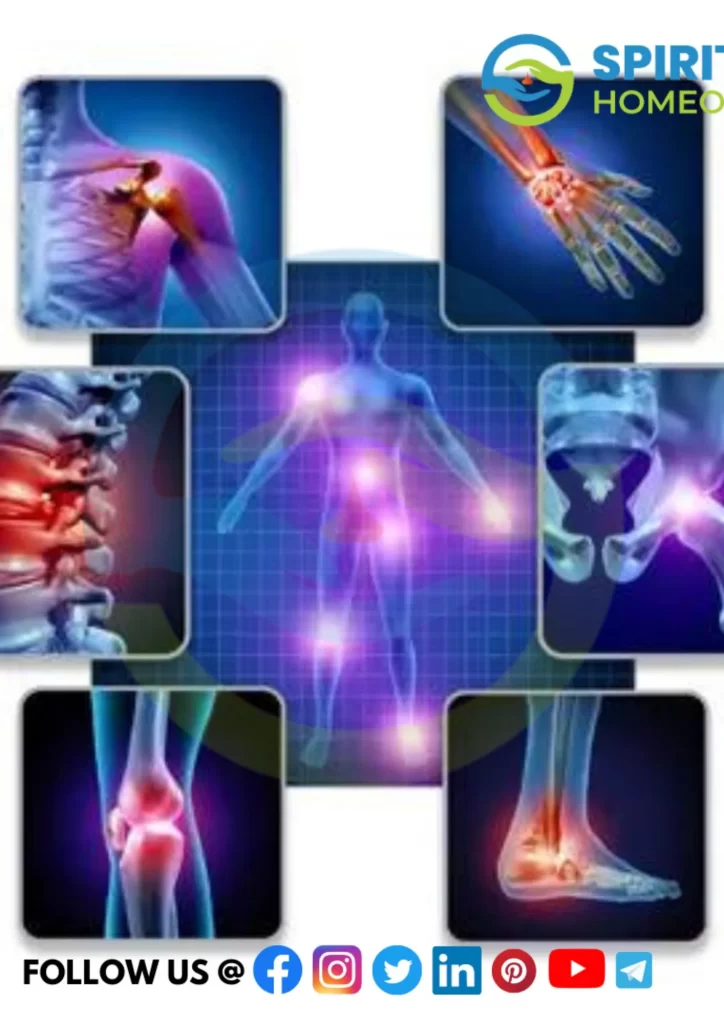
Diet and Regimen for Managing Musculoskeletal Pain
A well-balanced diet, combined with a consistent regimen of physical activity and self-care practices, can support the management of musculoskeletal pain, help reduce inflammation, support tissue repair, and improve overall mobility. The following dietary and lifestyle measures may assist in maintaining musculoskeletal health.
Diet for Musculoskeletal Pain
1. Anti-Inflammatory Foods
Omega-3 Fatty Acids:
These may help support the body’s natural inflammatory response and are found in fatty fish (such as salmon, mackerel, and sardines), flaxseeds, chia seeds, and walnuts.
Fruits and Vegetables:
A varied intake of fruits and vegetables is important. Berries (blueberries, strawberries, cherries), leafy greens (spinach, kale), and cruciferous vegetables (broccoli, cauliflower) provide antioxidants and essential nutrients.
Turmeric and Ginger:
Commonly used spices that may support inflammatory balance when included regularly in meals, teas, or soups.
Olive Oil:
Extra virgin olive oil contains naturally occurring compounds that may support joint and tissue health when used as part of a balanced diet.
2. Bone and Joint Health
Bone Broth:
Provides collagen and amino acids that support connective tissues such as joints, tendons, and ligaments.
Leafy Greens and Cruciferous Vegetables:
Foods like kale, broccoli, bok choy, and collard greens supply calcium, magnesium, and vitamin K, which are important for bone strength.
Nuts and Seeds:
Almonds, flaxseeds, chia seeds, and sunflower seeds are sources of magnesium, which may help with muscle function.
Dairy or Dairy Alternatives:
Milk, yogurt, cheese, and fortified plant-based alternatives contribute calcium and vitamin D to support bone health.
3. Muscle Recovery and Protein
Lean Protein:
Sources such as poultry, fish, lentils, beans, chickpeas, and tofu help support muscle maintenance and recovery.
Eggs:
Contain essential amino acids that assist with muscle tissue repair.
Whole Grains:
Quinoa, oats, brown rice, and whole wheat provide sustained energy and support recovery after physical activity.
4. Hydration
Adequate hydration helps maintain muscle and joint function. Drinking water regularly throughout the day is recommended.
Herbal Teas:
Options such as chamomile or green tea may support relaxation and general well-being.
Regimen for Musculoskeletal Pain
1. Regular Exercise and Physical Activity
Stretching:
Gentle stretching helps maintain flexibility and may reduce muscle stiffness when practiced regularly.
Strengthening Exercises:
Strengthening the muscles around affected joints can improve support and stability. Exercises may include bodyweight movements or resistance-based activities, as appropriate.
Low-Impact Cardio:
Walking, swimming, and cycling help promote circulation while being easier on the joints.
Yoga or Pilates:
These practices can support flexibility, posture, and muscle balance, and may help reduce physical tension.
2. Joint Mobility Exercises
Range-of-Motion Movements:
Simple movements such as shoulder rolls, wrist circles, and ankle rotations help maintain joint mobility.
Physical Therapy:
In cases of significant discomfort, structured guidance from a trained professional may be beneficial.
3. Posture Correction and Ergonomics
Posture Awareness:
Maintaining proper posture during daily activities helps reduce strain on muscles and joints, particularly in the neck, shoulders, and back.
Ergonomic Workspace Setup:
An ergonomically arranged workstation, along with regular movement breaks, can help minimize strain during prolonged sitting.
4. Self-Care Practices
Heat and Cold Therapy:
Cold applications may help with swelling, while heat can support muscle relaxation and circulation.
Massage Therapy:
Gentle massage may help ease muscle tightness and improve circulation.
Mindfulness and Relaxation Techniques:
Practices such as deep breathing or meditation can help manage stress, which may influence pain perception.
Dietary and regimen recommendations may vary based on age, activity level, and underlying health conditions, and should be adapted to individual needs under professional guidance.