
Diarrhea is one of the most common digestive problems, characterized by frequent, loose, or watery bowel movements that occur more often than usual. It may be caused by infections, food poisoning, food intolerances, certain medications, digestive disorders, or other underlying health conditions. Common symptoms include frequent stools, abdominal cramps, bloating, nausea, urgency to pass stools, and, in some cases, fever or dehydration. While diarrhea often resolves within a few days, persistent, severe, or recurrent diarrhea should not be ignored, as it may indicate an underlying digestive condition that requires medical evaluation. Seeking early diagnosis and appropriate treatment can help prevent dehydration and other complications.
At Spiritual Homeopathy, we believe in treating the individual rather than simply suppressing symptoms. Our experienced homeopathic doctors carefully evaluate each patient’s symptoms, medical history, eating habits, lifestyle, stress levels, and overall health before preparing an individualized treatment plan. Our holistic approach focuses on supporting digestive health, promoting overall well-being, and providing personalized homeopathic care tailored to each patient’s unique health needs. We encourage appropriate medical evaluation, especially for severe, persistent, or recurrent diarrhea, to identify and manage the underlying cause.
We provide personalized homeopathy consultations in Hyderabad to patients of all age groups through our clinics in Hyderabad, as well as online homeopathy consultations for patients across India and in more than 100 countries worldwide. If you are looking for an experienced homeopathy doctor in Hyderabad for personalized digestive health support, Spiritual Homeopathy is committed to delivering compassionate, patient-centered care while encouraging timely medical assessment and evidence-based management whenever needed.
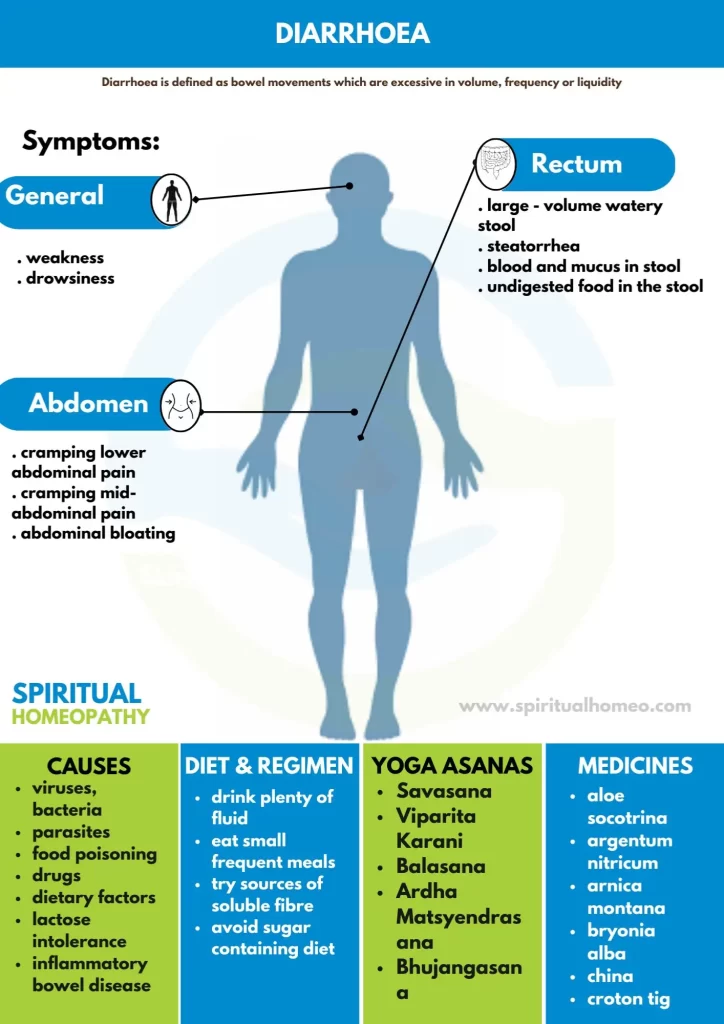
Diarrhea is commonly described as the passage of more than 200 grams of stool per day and is often characterized by loose, watery, or frequent bowel movements. It is a common digestive condition that usually results from infections transmitted through the fecal–oral route, including bacteria, viruses, or parasites. Diarrhea may range from mild and self-limiting to more severe forms that require medical attention, particularly when symptoms are persistent or associated with dehydration.
Consultation for diarrhea management is available at Spiritual Homeopathy Clinic, with multiple branches in Hyderabad, as well as online and international consultation options for patient convenience.
Diarrhea can be broadly classified into two main types: acute (short-term) and chronic (lasting more than four weeks). The underlying causes vary depending on the duration, and understanding these factors plays an important role in appropriate management and prevention.
Acute diarrhea usually begins suddenly and lasts for a few days. Common causes include:
Infections
Viral infections: Common gastrointestinal viruses often lead to sudden episodes of diarrhea.
Bacterial infections: Consumption of contaminated food or water may introduce harmful bacteria into the digestive system.
Parasitic infections: Parasites present in contaminated water sources can also trigger diarrhea, particularly in areas with poor sanitation.
Food Poisoning and Toxins
Eating food contaminated with bacteria or toxins may result in gastrointestinal upset, including nausea, vomiting, and diarrhea.
Medications
Certain medications may irritate the gastrointestinal tract or alter gut flora, leading to temporary diarrhea.
Poorly Absorbed Sugars
Excess intake of sugars such as fructose, sorbitol, or mannitol—commonly found in processed or sugar-free foods—can cause digestive symptoms in sensitive individuals.
Chronic diarrhea persists over time and often indicates an underlying condition. Possible causes include:
Dietary Factors
Regular consumption of specific sugars, artificial sweeteners, or caffeine may contribute to ongoing digestive disturbances.
Persistent Infections
Some bacterial or parasitic infections, particularly in individuals with weakened immunity, can result in prolonged diarrhea.
Medication Side Effects
Long-term use of certain medications, including those prescribed for chronic conditions, may affect bowel function.
Food Intolerances and Malabsorption
Conditions such as lactose intolerance, pancreatic insufficiency, or impaired nutrient absorption may lead to persistent loose stools.
Inflammatory Conditions
Chronic inflammatory disorders like Crohn’s disease or ulcerative colitis can affect the intestinal lining and cause long-term diarrhea.
Digestive Tract Surgery and Structural Changes
Surgical procedures involving the intestines or structural abnormalities such as a shortened bowel may alter digestion and absorption.
Hormonal and Endocrine Disorders
Conditions including diabetes, thyroid disorders, or adrenal dysfunction can influence gastrointestinal motility.
Functional Bowel Disorders
Disorders such as irritable bowel syndrome (IBS) may cause ongoing changes in bowel habits, including diarrhea.
Other Contributing Factors
Excessive use of laxatives, nerve-related bowel dysfunction, or prior anal and rectal surgeries may also contribute to chronic symptoms.
Clinical Note:
Identifying the underlying cause helps guide individualized care, allowing management strategies to be adapted based on symptom pattern, duration, and overall health status.
Diarrhea is commonly classified based on its duration and underlying cause. Identifying the type helps guide appropriate evaluation and management.
Acute diarrhea refers to the sudden onset of frequent, loose, or watery stools lasting less than two weeks. It is most often caused by infections (viral, bacterial, or parasitic), food poisoning, or temporary reactions to medications.
In many cases, symptoms are short-lived and improve with adequate hydration, rest, and appropriate dietary adjustments.
Chronic diarrhea persists for more than four weeks and may indicate an underlying health condition such as irritable bowel syndrome (IBS), inflammatory bowel disease (IBD), malabsorption disorders, or hormonal imbalances.
Recurrent or long-standing symptoms can affect nutritional status and overall health, making medical evaluation important for long-term management.
Recognizing the signs and symptoms of diarrhea is important for identifying the possible underlying cause and seeking timely medical guidance. Depending on the part of the digestive system involved, symptoms may vary.
Presence of blood and mucus in the stool
Cramping pain in the lower abdomen
Urgency and frequent bowel movements
Steatorrhea (fatty, foul-smelling stools)
Undigested food particles visible in the stool
Weight loss and signs of nutritional deficiencies, such as fatigue or hair thinning
Large-volume, watery stools
Bloating or abdominal distension
Mid-abdominal cramping and discomfort
These symptoms can interfere with daily activities and may indicate underlying gastrointestinal concerns. Medical consultation is advised if symptoms are frequent, persistent, severe, or associated with dehydration, blood in stools, or weight loss.
Following a supportive diet and daily regimen plays an important role in managing diarrhea, as it helps maintain hydration, supports digestion, and reduces the risk of further complications.
Aim to drink 8–10 cups of fluids daily to reduce the risk of dehydration.
Choose water, weak tea, diluted fruit juices, or oral rehydration solutions to help maintain fluid and electrolyte balance.
Consume small, well-spaced meals throughout the day instead of large portions.
Eat slowly and chew food thoroughly to support easier digestion.
Include foods rich in soluble fiber such as bananas, applesauce, oatmeal, and white rice, which may help improve stool consistency.
Avoid greasy, fried, and fatty foods, as they can irritate the digestive tract and worsen symptoms.
High-sugar items like soda, candy, chocolate milk, and excessive fruit juice may aggravate diarrhea and are best limited during recovery.
Some individuals may develop temporary lactose intolerance during or after diarrhea. Limiting milk and milk-based products until symptoms improve may be helpful.
While soluble fiber can be beneficial, excessive insoluble fiber (such as bran, raw vegetables, and whole grains) may worsen symptoms in some individuals. Monitor your body’s response.
Dietary recommendations may vary based on age, overall health, and the underlying cause of diarrhea, and should be adjusted accordingly.
Gentle yoga practices may support relaxation, reduce abdominal discomfort, and promote overall digestive balance during episodes of diarrhea.
Helps release trapped gas and reduce bloating.
Gently stimulates the digestive tract.
Best practiced lying down with knees drawn toward the chest.
Encourages rest and relaxation.
Helps relieve abdominal tension and provides gentle internal pressure.
A restorative posture that supports relaxation and stress reduction.
May help calm the digestive system during recovery.
Promotes circulation and deep relaxation.
Helps calm the nervous system and may reduce mild weakness or nausea.
Supports blood flow to the abdominal organs.
Helps strengthen core muscles and encourages digestive support.
Yoga practices are supportive in nature and should be performed gently. They are not a substitute for medical evaluation, especially in cases of persistent or severe diarrhea.
At Spiritual Homeopathy, we follow a holistic healing approach that combines classical homeopathic principles with attention to emotional and spiritual well-being. Our experienced team provides personalized care that considers all aspects of your health—physical, emotional, and spiritual.
True healing begins from within. Rather than only addressing symptoms, our approach focuses on identifying and managing the underlying causes of health concerns. By supporting the body’s natural healing abilities and promoting balance between mind, body, and spirit, we aim to enhance long-term wellness.
🔹 In-Depth Consultations
Our homeopathic doctors in Hyderabad—and through online and international consultations—take time to understand your complete health profile. We assess symptoms, emotional well-being, and lifestyle to design an individualized care plan tailored to your needs.
🔹 Gentle, Natural Support
We provide natural, well-tolerated support options suitable for all age groups. Our focus is on encouraging the body’s own healing processes without overwhelming it, while promoting overall health and immunity.
🔹 Ongoing Care & Follow-Ups
Healing is a gradual process. We offer regular follow-ups to monitor progress, adjust treatment as necessary, and ensure continued support throughout your wellness journey.
Your health and well-being are our top priorities. At Spiritual Homeopathy, we provide compassionate, responsible care, guiding you toward better overall wellness. Whether managing a specific concern or seeking holistic support, we help you navigate your path to balanced health.
You should consult a healthcare professional if diarrhea becomes frequent, persistent, or begins to interfere with daily activities. Early evaluation helps identify contributing factors and reduces the risk of dehydration or related complications.
Seek consultation if you experience:
Diarrhea lasting more than a few days or recurring frequently
Presence of blood or mucus in the stool
Severe abdominal pain or cramping
Signs of dehydration such as dry mouth, reduced urination, or dizziness
Fever or general weakness accompanying loose stools
Unexplained weight loss or loss of appetite
Symptoms not improving with dietary and lifestyle measures
At Spiritual Homeopathy Clinic, consultations are available at multiple branches in Hyderabad. In-clinic, online, and international consultations are offered for individuals who may be unable to visit in person. A professional assessment supports an individualized care approach based on symptom pattern, duration, and overall health status.
For appointments or guidance, contact 9069 176 176.
To stop diarrhea fast naturally, start by eating bland, low-fiber foods like bananas, white rice, applesauce, and toast (the BRAT diet). Stay hydrated by sipping on clear broths, coconut water, or an Oral Rehydration Solution (ORS) to replace lost electrolytes. Avoid dairy, caffeine, alcohol, and greasy foods, which can irritate your gut.
Diarrhea is most commonly caused by viral infections (stomach flu) or food poisoning from bacteria and parasites. Other frequent causes include medication side effects (like antibiotics), food intolerances (such as lactose), and chronic digestive conditions like Irritable Bowel Syndrome (IBS) or Crohn's disease.
To quickly manage diarrhea, focus on aggressive hydration and a bland diet. Sip an oral rehydration solution (ORS), clear broths, or sports drinks to replace lost fluids and electrolytes. Stick to the BRAT diet (Bananas, Rice, Applesauce, Toast), plain crackers, and boiled potatoes. Avoid dairy, caffeine, and fatty foods.
Diarrhea primarily affects the small intestine and the colon (large intestine). These organs are responsible for absorbing nutrients, electrolytes, and water from food. When irritated by infections, inflammation, or medications, they fail to absorb these fluids and rapidly expel them, resulting in loose, watery stools.
Foods that commonly cause diarrhea include greasy or fried foods, dairy products (if you have lactose intolerance), spicy dishes, and items containing caffeine or alcohol. Additionally, artificial sweeteners and excess amounts of natural fruit sugars (fructose) are well-known to trigger loose stools.
foods and drinks containing sugar alcohols, such as sugarless gum and candies. foods that are high in fat, such as fried foods, pizza, and fast food. milk and milk products that contain lactose. Some people recovering from acute diarrhea have problems digesting lactose for up to a month or more afterward.