


Indigestion, also known as dyspepsia, refers to discomfort or unpleasant sensations in the upper part of the abdomen, often occurring during or after eating. It may feel like heaviness, fullness, burning, bloating, or discomfort after meals. Some people may also experience frequent belching, nausea, early fullness, or a feeling that food is not digesting comfortably.
Occasional indigestion can happen due to overeating, eating too quickly, rich or spicy meals, certain foods, stress, or irregular eating habits. However, when these symptoms occur repeatedly or continue for a long period, they may sometimes be associated with conditions such as gastritis, acid reflux, peptic ulcers, GERD, or functional dyspepsia. Persistent or unexplained digestive symptoms should therefore be properly evaluated.
At Spiritual Homeopathy, our approach begins with understanding the individual rather than focusing only on a single digestive symptom. During a consultation, our homeopathic doctors consider the person’s symptom pattern, food habits, lifestyle, stress levels, medical history, and overall health. Based on this assessment, an individualized wellness plan may be discussed.
We offer consultation support for people experiencing indigestion, bloating, post-meal discomfort, digestive disturbances, and related gastrointestinal concerns. Homeopathy may be considered as a complementary approach, but current scientific evidence does not establish homeopathy as an effective treatment for indigestion or its underlying medical causes. It should not replace appropriate medical evaluation or prescribed treatment.
Spiritual Homeopathy provides homeopathy consultations for indigestion in Hyderabad through clinics in Kukatpally (KPHB), Chandanagar, Dilsukhnagar, and Nallagandla, along with secure online consultations across India and in more than 100 countries worldwide. If indigestion is frequent, worsening, or affecting your daily life, professional assessment can help identify possible triggers and guide appropriate care.
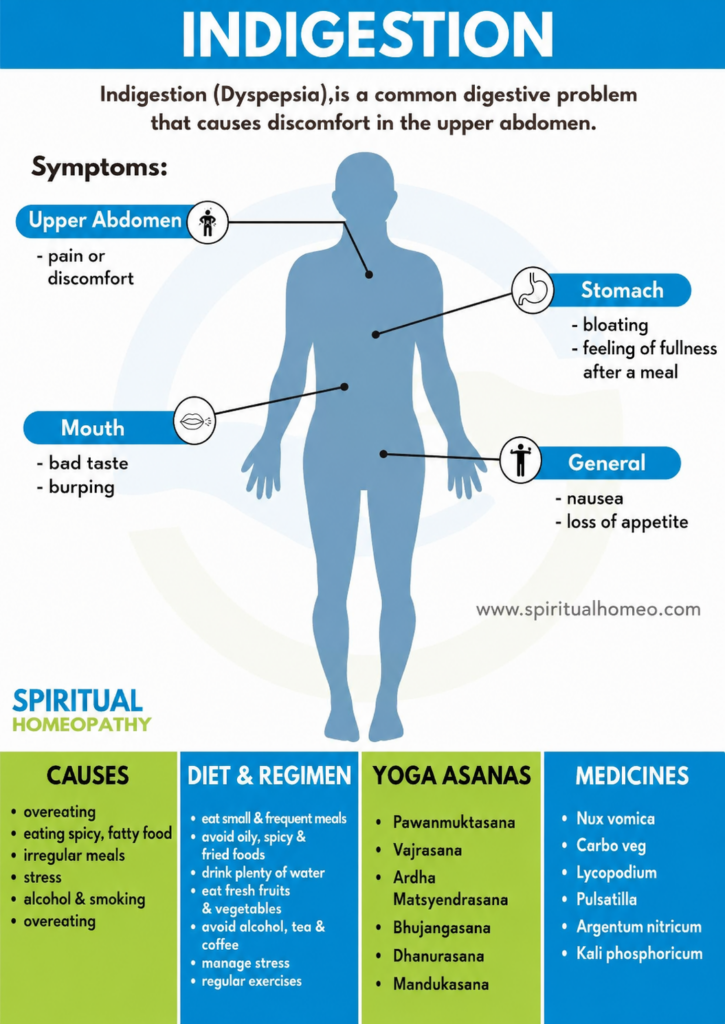
Indigestion: Understanding Its Causes, Symptoms, and Digestive Health
Indigestion, medically referred to as dyspepsia, is a common digestive complaint that causes discomfort in the upper abdomen. It may develop during or after meals and can be experienced as heaviness, fullness, burning, bloating, or an uncomfortable sensation in the stomach. Some people may also notice belching, nausea, or feeling full sooner than expected while eating.
Unlike a single specific disease, indigestion can have several possible triggers. Eating large portions, consuming meals too quickly, or having rich, spicy, fatty, or heavily processed foods may contribute to digestive discomfort. Excessive caffeine, alcohol, smoking, irregular meal timings, and stress can also aggravate symptoms in some individuals.
Indigestion may occasionally occur without an identifiable underlying disease and is sometimes described as functional dyspepsia. In other cases, recurring symptoms may be associated with conditions such as gastritis, acid reflux, peptic ulcers, or certain medication use. Therefore, frequent or persistent indigestion should not simply be treated as a routine digestive problem without appropriate evaluation.
Maintaining healthy eating patterns, choosing foods that are well tolerated, eating slowly, staying physically active, and managing stress may support better digestive comfort. Keeping track of foods and situations that trigger symptoms can also help identify individual patterns.
Spiritual Homeopathy Clinic provides consultation support for individuals experiencing indigestion and other digestive concerns through its branches in Hyderabad, along with online consultation options for patients across India and internationally.
Why Does Indigestion Happen? Common Triggers and Contributing Factors
Indigestion, or dyspepsia, can develop when the digestive system does not handle food comfortably. The symptoms may be linked to eating habits, certain foods, medications, lifestyle factors, or an underlying gastrointestinal condition. Identifying when and how indigestion occurs can help in understanding possible triggers.
1. Eating Too Much or Too Quickly:
Large meals and eating rapidly can place extra strain on the digestive system and may result in fullness, bloating, belching, or upper-abdominal discomfort.
2. Spicy, Fatty, or Heavy Foods:
Rich, oily, fried, or highly seasoned meals may trigger digestive discomfort in some individuals, particularly when consumed frequently or in large portions.
3. Irregular Eating Patterns:
Skipping meals, eating at inconsistent times, or having very large meals after long gaps may contribute to indigestion symptoms.
4. Excessive Caffeine or Alcohol:
Coffee, strong tea, and alcoholic beverages can aggravate digestive symptoms in some people and may make existing discomfort more noticeable.
5. Stress and Emotional Factors:
The digestive system and brain are closely connected. Ongoing stress, anxiety, or emotional strain may influence gut function and increase the perception of digestive discomfort.
6. Certain Medicines:
Some medications, including certain pain relievers and other drugs, can irritate the stomach or contribute to indigestion. Medicines should not be stopped without medical advice.
7. Smoking:
Tobacco use can negatively affect the digestive system and may contribute to gastrointestinal discomfort in some people.
8. Functional Dyspepsia:
Some individuals experience recurring indigestion even when routine investigations do not identify an obvious structural problem. This is commonly referred to as functional dyspepsia.
9. Gastritis or Peptic Ulcers:
Inflammation or an ulcer affecting the stomach or upper digestive tract can cause symptoms resembling indigestion, including pain, burning, nausea, and early fullness.
10. Other Digestive Conditions:
Indigestion may sometimes occur alongside conditions such as GERD, gallbladder disorders, Helicobacter pylori infection, or delayed stomach emptying. Persistent or unexplained symptoms require appropriate medical evaluation.
The cause of indigestion can differ from person to person. If symptoms become frequent, severe, or are accompanied by unexplained weight loss, repeated vomiting, difficulty swallowing, black stools, or significant abdominal pain, professional medical assessment is important.
Different Forms of Indigestion: Recognizing Common Patterns
Indigestion does not present in exactly the same way for everyone. Depending on the symptoms, duration, and contributing factors, it can be described in different forms. Recognizing the pattern may help healthcare professionals determine whether further investigation is needed.
1. Functional Dyspepsia:
This is a common form of recurring indigestion where symptoms such as fullness, early satiety, upper-abdominal discomfort, or burning occur without an obvious structural abnormality on routine evaluation.
2. Meal-Related Indigestion:
Some people mainly notice discomfort after eating, particularly following large, rich, fatty, or difficult-to-tolerate meals.
3. Acid-Related Dyspepsia:
Indigestion may occur alongside upper-abdominal burning or discomfort associated with acid reflux or other acid-related digestive problems.
4. Medication-Related Indigestion:
Certain medicines can irritate the stomach or affect digestive function, resulting in symptoms similar to indigestion.
5. Indigestion Associated with Gastritis:
Inflammation of the stomach lining can produce symptoms such as upper-abdominal discomfort, nausea, burning, and a feeling of fullness.
6. Indigestion Linked to Peptic Ulcers:
Stomach or duodenal ulcers may cause pain or burning in the upper abdomen and can sometimes resemble ordinary indigestion.
7. Indigestion with Delayed Gastric Emptying:
When the stomach takes longer than usual to move food into the small intestine, symptoms such as prolonged fullness, bloating, nausea, and discomfort after meals may occur.
The underlying reason for indigestion varies between individuals. Frequent, persistent, or worsening symptoms should be medically assessed, particularly when accompanied by vomiting, difficulty swallowing, unexplained weight loss, bleeding, or severe abdominal pain.
Recognizing Indigestion: Common Symptoms of Dyspepsia
Indigestion can feel different from one person to another. The discomfort is usually centered in the upper abdomen and may appear during a meal, shortly afterward, or persist for some time. Identifying recurring symptoms and noticing when they occur can help in understanding possible digestive triggers.
Common Symptoms of Indigestion:
1. Upper Abdominal Discomfort
A feeling of uneasiness, pressure, aching, or discomfort in the area between the chest and belly button.
2. Feeling Unusually Full
You may feel excessively full during or after a meal, even when you have not eaten a large amount of food.
3. Early Satiety
Some people become full after only a few bites and find it difficult to complete their usual meal.
4. Bloating
The abdomen may feel swollen, tight, or distended, particularly after eating.
5. Belching
Frequent burping may occur as the digestive system processes food or when excess air is swallowed while eating or drinking.
6. Nausea
Indigestion can sometimes be accompanied by a queasy feeling or an urge to vomit, especially after meals.
7. Upper Abdominal Burning
A warm, burning, or uncomfortable sensation may develop in the upper stomach and can sometimes be confused with other digestive conditions.
8. Unpleasant Taste or Burping After Meals
Some individuals may notice repeated burping or an unpleasant taste in the mouth, particularly when indigestion occurs alongside reflux.
9. Post-Meal Heaviness
A sensation that food is sitting heavily in the stomach or taking longer than expected to digest may occur after eating.
10. Reduced Appetite
Recurring digestive discomfort may make some people less interested in food or cause them to eat smaller portions than usual.
The intensity and duration of indigestion can vary depending on its underlying cause. Persistent or recurrent symptoms should be evaluated by a healthcare professional, especially if they occur with unexplained weight loss, repeated vomiting, difficulty swallowing, black or bloody stools, severe abdominal pain, or chest pain.
Diet and Daily Habits for Indigestion: Simple Ways to Support Comfortable Digestion
Indigestion can be influenced by meal size, food choices, eating speed, hydration, stress, and daily routines. There is no single diet that works for everyone, so it can be helpful to observe which foods and habits are associated with your symptoms. The following measures may support better digestive comfort.
Build meals around foods that feel comfortable for your digestion, such as:
Indigestion triggers differ between individuals. Keep an eye on symptoms after consuming:
Avoiding a food is most useful when there is a consistent connection between that food and your symptoms.
Eating quickly can increase the amount of air swallowed and may contribute to bloating and discomfort. Take your time, chew food thoroughly, and try to eat without rushing.
Very large meals can leave the stomach feeling overly full. Choosing reasonable portions and eating according to your appetite may make digestion more comfortable.
Drink sufficient water throughout the day to support normal digestive function. Your fluid requirements can vary depending on your activity level, climate, and overall health.
A consistent eating routine may be easier on your digestive system than repeatedly skipping meals and then consuming a very large meal. Choose meal timings that fit comfortably into your daily schedule.
Avoid immediately lying down after meals. Remaining upright for a while and taking a gentle walk may help you feel more comfortable after eating.
Regular movement can support overall digestive function. Walking, stretching, or other moderate activities can be incorporated into your routine according to your fitness level.
The connection between the brain and digestive system can influence how gastrointestinal symptoms are experienced. Consider practices such as:
Recording what you eat, when symptoms appear, portion sizes, bowel habits, and stress levels can help identify recurring patterns. This information can also be useful when discussing persistent indigestion with a healthcare professional.
Pro Tip: Don’t unnecessarily eliminate multiple food groups simply because you experience indigestion. Individual tolerance varies, and prolonged restrictive diets may make it harder to maintain adequate nutrition.
Dietary changes should be personalized according to the underlying cause and overall health. Persistent, severe, or unexplained indigestion requires appropriate medical evaluation rather than relying on diet changes alone.
Yoga for Indigestion: Gentle Practices to Support Digestive Comfort
Yoga can be included as part of a healthy lifestyle for people dealing with occasional indigestion. Gentle movements, breathing exercises, and relaxation practices may help with stress and overall digestive comfort. Yoga should be practiced comfortably and stopped if any posture increases abdominal pain or discomfort.
1. Pawanmuktasana (Wind-Relieving Pose):
This gentle posture involves bringing the knees toward the chest and may help with trapped gas, abdominal fullness, and bloating that sometimes accompany indigestion.
2. Vajrasana (Thunderbolt Pose):
Sitting in Vajrasana for a short period after meals is traditionally used as a relaxation and digestion-supportive practice. Keep the posture comfortable and avoid it if you have knee problems.
3. Marjaryasana–Bitilasana (Cat-Cow Pose):
The slow movement between these two positions gently mobilizes the spine and abdomen while encouraging relaxed, coordinated breathing.
4. Balasana (Child’s Pose):
This restorative posture promotes relaxation and gentle abdominal compression. It can be useful as part of a calming routine, particularly when stress accompanies digestive discomfort.
5. Ardha Matsyendrasana (Half Spinal Twist):
A mild seated twist can provide gentle movement around the abdominal region. Practice without forcing the twist or creating pressure in the stomach.
6. Sukhasana with Deep Breathing:
Sitting comfortably while taking slow, controlled breaths can encourage relaxation. This may be particularly helpful when stress or tension contributes to digestive symptoms.
Yoga is a supportive wellness practice, not a treatment for the underlying causes of persistent indigestion. Avoid vigorous or uncomfortable poses immediately after eating. If indigestion is frequent, severe, or accompanied by vomiting, unexplained weight loss, difficulty swallowing, bleeding, or significant abdominal pain, seek appropriate medical evaluation.
Homeopathic Treatment for Indigestion: An Individualized Approach to Digestive Wellness
Indigestion, or dyspepsia, can present as upper-abdominal discomfort, early fullness, bloating, nausea, belching, or a heavy sensation after meals. Since these symptoms can have different causes, understanding the individual’s digestive history and symptom pattern is important before deciding on an appropriate approach.
Homeopathic practice generally emphasizes individualized consultation rather than using the same remedy for everyone with indigestion. A practitioner may review the nature of the discomfort, when symptoms occur, food habits, bowel patterns, lifestyle, stress, and relevant medical history.
Individual Symptom Pattern:
Details such as meal-related discomfort, fullness, bloating, nausea, belching, and the duration or frequency of symptoms may be discussed.
Dietary and Lifestyle Factors:
Eating patterns, portion sizes, food preferences, physical activity, sleep, and other daily habits can provide useful context.
Stress and Digestive Symptoms:
Because the brain and digestive system are closely connected, emotional stress and lifestyle pressures may be considered when discussing recurring digestive complaints.
Existing Health Conditions:
A complete health history can help identify whether symptoms may require further medical investigation, particularly when indigestion is persistent or accompanied by other concerning symptoms.
Homeopathy is sometimes chosen as a complementary form of care for digestive complaints. However, there is currently insufficient scientific evidence to establish homeopathy as an effective treatment for indigestion or its underlying causes. It should not be used as a substitute for evidence-based medical evaluation or prescribed treatment.
Alongside appropriate medical care, individuals may benefit from:
Recurring indigestion should not automatically be assumed to be a simple digestive disturbance. Difficulty swallowing, persistent vomiting, unexplained weight loss, gastrointestinal bleeding, severe abdominal pain, or chest pain require prompt medical attention.
Spiritual Homeopathy Clinic provides individualized consultations through its Hyderabad branches, as well as online consultation options. Homeopathic consultation, where chosen, should be considered complementary to appropriate medical care, particularly when symptoms are persistent or an underlying digestive condition is suspected.
Occasional indigestion can happen after a heavy meal or due to temporary digestive upset. However, symptoms that keep returning, become more intense, or interfere with eating and everyday activities deserve professional attention. Persistent dyspepsia can sometimes be associated with conditions such as gastritis, GERD, peptic ulcers, H. pylori infection, or other gastrointestinal problems.
Seek urgent medical attention if indigestion occurs with severe chest pain, breathing difficulty, fainting, significant bleeding, or sudden severe abdominal pain, as these symptoms may require immediate evaluation.
At Spiritual Homeopathy, our homeopathic doctors offer individualized consultations based on symptoms, medical history, dietary habits, lifestyle, and overall health. Consultations are available at our Hyderabad clinics in Kukatpally (KPHB), Chandanagar, Dilsukhnagar, and Nallagandla, as well as through secure online consultations across India and in more than 100 countries worldwide.
For persistent indigestion, appropriate medical evaluation is important to identify or rule out an underlying cause. Homeopathic consultation, if chosen, should be considered complementary to appropriate medical care and should not delay necessary diagnosis or treatment.
To schedule a consultation, call 9069 176 176.
You can reduce indigestion by making simple changes to how and what you eat, such as eating smaller meals and avoiding trigger foods.
You can tell you have indigestion if you feel pain or discomfort in your upper abdomen or experience a burning feeling behind your breastbone during or after eating.
Severe indigestion causes intense upper abdominal discomfort, sharp pain, and severe nausea that can disrupt normal daily activities.
A single episode of indigestion usually lasts from a few minutes to a few hours, ending once your stomach finishes digesting your meal.
You can soothe mild indigestion using simple home remedies like ginger tea, fennel seeds, or chamomile tea.
Certain foods trigger indigestion and heartburn by slowing down digestion, relaxing the valve above the stomach, or irritating the esophagus.