
Panic Disorder: Understanding Panic Attacks, Symptoms, and Emotional Well-Being
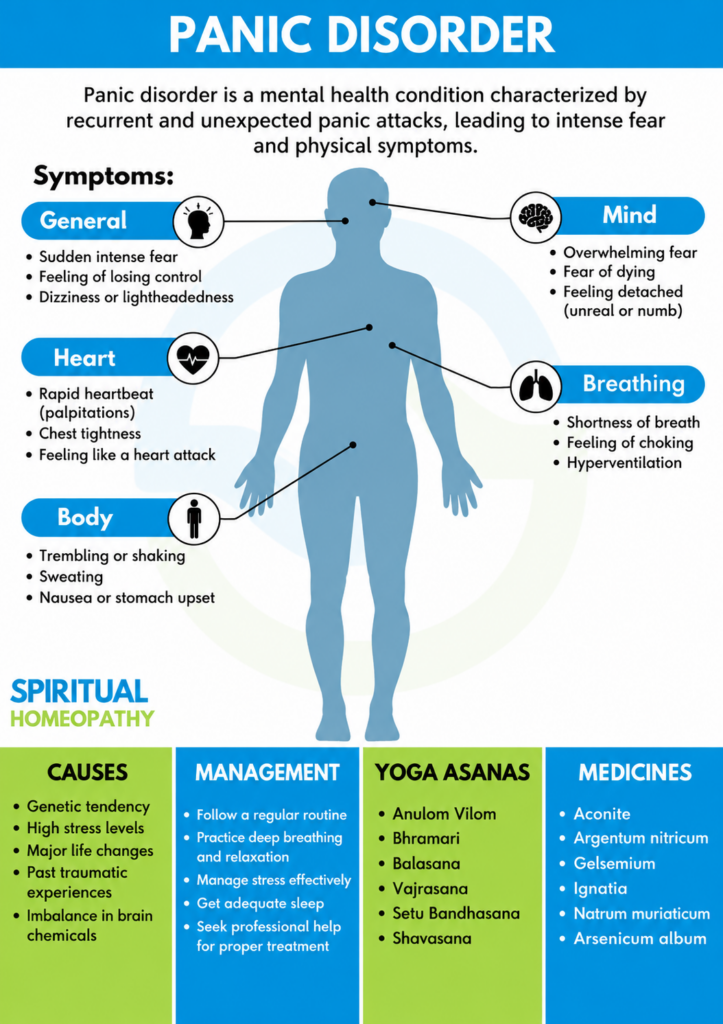
Panic disorder is a mental health condition characterized by recurrent and unexpected panic attacks. A panic attack is a sudden episode of intense fear or discomfort that can develop rapidly, sometimes even when there is no immediate danger. During an episode, a person may experience a racing heartbeat, breathlessness, trembling, sweating, dizziness, chest discomfort, nausea, or a strong feeling that something terrible is about to happen.
An occasional panic attack does not necessarily mean a person has panic disorder. The condition is generally associated with repeated unexpected attacks followed by ongoing concern about having another episode or changes in daily behavior to avoid situations that may trigger fear. These symptoms can affect work, relationships, sleep, travel, and overall quality of life.
The exact reason why panic disorder develops can vary from person to person. Genetic factors, brain chemistry, prolonged stress, traumatic experiences, certain medical conditions, and substance or medication effects may play a role. Physical symptoms of panic can also resemble other medical problems, so new or unexplained symptoms should be properly evaluated.
At Spiritual Homeopathy, our approach focuses on understanding the individual’s experiences, symptom patterns, lifestyle, emotional well-being, medical history, and everyday challenges. Homeopathic consultation may be considered as a complementary approach, but there is currently insufficient scientific evidence to establish homeopathy as an effective treatment for panic disorder. It should not replace evidence-based mental health care, prescribed medication, or emergency support when required.
We provide individualized consultations through our clinics in Hyderabad, as well as secure online consultations across India and in more than 100 countries worldwide. If you experience recurring panic attacks, persistent fear, or avoidance that is affecting your daily life, seeking evaluation from a qualified mental health professional can help identify the condition and guide appropriate care.
Panic Disorder: Causes, Symptoms, and Understanding Recurrent Panic Attacks
Panic disorder is an anxiety-related condition in which a person experiences repeated, unexpected panic attacks. These episodes can appear suddenly and may involve an intense wave of fear, discomfort, or a feeling of losing control, even when there is no immediate threat. Physical sensations such as rapid heartbeat, sweating, trembling, dizziness, shortness of breath, chest discomfort, nausea, and chills may occur during an attack.
A single panic attack does not necessarily indicate panic disorder. The condition is more commonly associated with recurrent unexpected attacks and ongoing worry about experiencing another one. Some individuals may begin avoiding places, activities, travel, social situations, or other circumstances because they fear another episode. Over time, this can interfere with work, relationships, sleep, and everyday life.
There is no single cause of panic disorder. A combination of genetic susceptibility, changes in brain signaling, prolonged stress, traumatic experiences, certain medical conditions, and substance use may contribute to its development. Some physical conditions can also produce symptoms similar to panic attacks, making proper evaluation important when symptoms are new or unexplained.
Recognizing recurring panic symptoms early can help a person seek appropriate support. Treatment may involve psychotherapy, medication, lifestyle measures, or a combination of approaches depending on individual needs. Relaxation techniques, regular physical activity, adequate sleep, and reducing excessive caffeine or other stimulants may also support overall well-being.
Spiritual Homeopathy Clinic offers consultation support through its branches in Hyderabad, along with online and international consultation options for individuals seeking guidance regarding emotional and general wellness. Homeopathic consultation may be considered complementary, but it should not replace evidence-based treatment or professional mental health care for panic disorder.
Why Does Panic Disorder Develop? Key Factors That May Contribute
Panic disorder does not usually have one specific cause. It can develop through a combination of biological, psychological, and environmental influences. Understanding these contributing factors can help explain why some people experience recurring panic attacks and persistent fear of having another episode.
Common Factors Associated with Panic Disorder:
1. Genetic Susceptibility:
A family history of panic disorder or other anxiety conditions may increase the likelihood of developing similar problems, although having a family history does not mean someone will necessarily develop the disorder.
2. Prolonged Stress:
Ongoing pressure related to work, relationships, finances, or other life circumstances may contribute to emotional strain and can make panic symptoms more difficult to manage.
3. Traumatic or Highly Stressful Experiences:
Major life events, trauma, bereavement, or significant periods of emotional distress may precede the development of panic symptoms in some individuals.
4. Changes in Brain Signaling:
Panic disorder may involve differences in the way the brain regulates fear, threat responses, and neurotransmitter activity. These biological mechanisms are complex and continue to be studied.
5. Increased Sensitivity to Physical Sensations:
Some individuals may become highly alert to normal bodily changes such as a faster heartbeat, dizziness, or shortness of breath. Interpreting these sensations as dangerous can intensify fear and potentially contribute to a cycle of panic.
6. Certain Substances:
High amounts of caffeine, nicotine, alcohol, and some recreational substances may trigger or intensify anxiety or panic symptoms in susceptible individuals.
7. Major Life Changes:
Significant changes such as relationship difficulties, relocation, academic or work pressure, or other major transitions may increase emotional stress and coincide with the onset or worsening of symptoms.
8. Sleep Disturbances:
Insufficient or irregular sleep can affect emotional regulation and may make anxiety and panic symptoms harder to cope with.
9. Other Mental Health Conditions:
Panic attacks can occur alongside conditions such as generalized anxiety disorder, depression, post-traumatic stress disorder, or specific phobias. Having panic attacks does not automatically mean a person has panic disorder.
10. Medical Conditions or Medications:
Certain thyroid problems, heart or respiratory conditions, medication effects, or other physical health issues can produce symptoms that resemble panic attacks. New or unexplained symptoms should therefore be medically assessed.
The factors involved can differ considerably from one person to another. Panic disorder is a treatable mental health condition, and professional assessment can help distinguish it from other medical or psychological conditions and determine an appropriate treatment approach.
Different Patterns of Panic Disorder: Understanding How Panic Symptoms Can Present
Panic disorder is generally identified by recurrent, unexpected panic attacks along with ongoing concern or behavioral changes related to future attacks. The way panic symptoms appear can vary considerably between individuals, and panic attacks may also occur in other anxiety-related conditions.
Common Panic-Related Patterns:
1. Unexpected Panic Attacks:
These episodes arise suddenly without an obvious immediate trigger. Intense fear or discomfort may develop rapidly, accompanied by physical symptoms such as a racing heartbeat, trembling, sweating, dizziness, or breathlessness.
2. Situationally Expected Panic Attacks:
Some panic attacks occur in situations where a person already expects anxiety or fear, such as crowded places, public speaking, driving, or being in enclosed spaces. These episodes alone do not necessarily indicate panic disorder.
3. Panic Disorder with Anticipatory Anxiety:
After repeated attacks, a person may spend considerable time worrying about when the next episode will happen. This ongoing fear can itself become a significant source of distress.
4. Panic Disorder with Avoidance:
Fear of experiencing another panic attack may lead someone to avoid certain locations, activities, travel, social situations, or other circumstances. In some cases, this avoidance may overlap with agoraphobia.
5. Panic Attacks Associated with Other Conditions:
Panic attacks can also occur in conditions such as social anxiety disorder, specific phobias, generalized anxiety disorder, or post-traumatic stress disorder. Their presence does not automatically mean a person has panic disorder.
6. Nocturnal Panic Attacks:
Some individuals experience panic episodes while asleep and suddenly awaken with intense fear or physical sensations such as a rapid heartbeat or shortness of breath.
Recognizing the pattern of symptoms is useful for professional assessment, but panic disorder cannot be diagnosed based on symptoms alone. A qualified healthcare or mental health professional can evaluate the symptoms, rule out medical causes, and determine the most appropriate treatment and support.
Recognizing Panic Disorder: Common Signs of Panic Attacks
Panic disorder can affect both emotional well-being and physical functioning. Panic attacks often develop suddenly and may produce a powerful combination of fear and physical sensations. The symptoms can feel alarming, even when there is no immediate danger. Recognizing these patterns can encourage timely professional support.
Common Symptoms of Panic Disorder:
1. Sudden Intense Fear
A rapid feeling of overwhelming fear, anxiety, or a sense that something bad is about to happen may appear without warning.
2. Rapid or Pounding Heartbeat
The heart may begin beating noticeably faster or harder during an episode, which can further increase feelings of fear.
3. Shortness of Breath
Some people feel unable to take a satisfying breath, experience chest tightness, or feel as though they are struggling to breathe.
4. Sweating and Trembling
Unexpected sweating, shaking, trembling, or physical restlessness may occur during a panic attack.
5. Dizziness or Lightheadedness
A person may feel unsteady, faint, weak, or lightheaded during an episode.
6. Chest Discomfort
Pressure, tightness, or pain in the chest can occur with panic attacks. However, new or unexplained chest pain should always be medically assessed rather than automatically attributed to anxiety.
7. Nausea or Abdominal Discomfort
Panic can produce gastrointestinal sensations such as nausea, stomach discomfort, or an unsettled feeling.
8. Chills or Sudden Heat Sensations
Some individuals experience chills, hot flashes, or sudden changes in body temperature during an attack.
9. Feeling Detached or Unreal
A person may feel disconnected from themselves or their surroundings, sometimes describing the experience as unreal or dreamlike.
10. Fear of Losing Control or Another Attack
After experiencing repeated episodes, a person may become worried about having another panic attack and may begin avoiding particular places or activities.
Panic symptoms can overlap with several physical and mental health conditions. If episodes are recurring, severe, or interfering with work, relationships, sleep, travel, or everyday activities, professional evaluation is recommended. New chest pain, severe breathing difficulty, fainting, or other concerning physical symptoms require prompt medical assessment.
Diet and Lifestyle for Panic Disorder: Everyday Habits That May Support Emotional Well-Being
There is no specific diet that can cure or prevent panic disorder, but consistent eating, sleeping, movement, and stress-management habits may support overall mental well-being. Certain substances, particularly stimulants, can also make anxiety or panic sensations more noticeable in some people.
Long gaps between meals may leave some people feeling shaky, weak, or lightheaded, sensations that can sometimes be mistaken for or intensify anxiety. Try to follow reasonably consistent meal timings throughout the day.
Include a variety of nutritious foods to support general health:
Coffee, energy drinks, strong tea, and other caffeinated products can cause a faster heartbeat, restlessness, or shakiness in some individuals. If you notice a connection with panic symptoms, consider reducing caffeine gradually.
Alcohol and recreational substances can affect mood and anxiety and may worsen symptoms for some people. Avoid using them as a way to cope with panic or emotional distress.
Drink enough water throughout the day. Dehydration can contribute to physical sensations such as tiredness, dizziness, or headache, which may add to discomfort during periods of anxiety.
Poor or irregular sleep can make it more difficult to manage stress and emotional responses. Aim for a regular sleep and wake schedule and create a calm routine before bedtime.
Walking, stretching, swimming, cycling, or other suitable forms of exercise can support overall physical and emotional health. Begin gradually if you are not accustomed to regular activity.
Learning ways to calm the body’s stress response may be useful as part of a broader management plan:
Stress may influence eating patterns, leading to skipped meals, overeating, or reliance on highly processed foods. Try to maintain a balanced routine rather than making major dietary restrictions based solely on anxiety symptoms.
Writing down sleep patterns, caffeine intake, meals, stressful situations, physical sensations, and panic episodes may help identify personal patterns. This information can also be useful during a professional consultation.
Pro Tip: Diet and lifestyle changes can complement appropriate care, but they are not a substitute for evidence-based treatment for panic disorder. If panic attacks are recurring or affecting daily life, consult a qualified mental health professional for proper assessment and treatment guidance.
Yoga may be included as a supportive wellness practice for people experiencing panic and anxiety. Gentle movement, controlled breathing, and relaxation can help promote calmness and improve awareness of physical sensations. Yoga should be practiced comfortably and should not be considered a replacement for professional treatment of panic disorder.
Balasana (Child’s Pose):
A gentle resting posture that encourages relaxation and slow breathing. It may help create a sense of calm when practiced in a quiet, comfortable environment.
Sukhasana (Easy Pose):
Sitting comfortably with an upright spine can provide a simple setting for mindful breathing and relaxation. It may help develop better awareness of breathing patterns during stressful moments.
Marjaryasana–Bitilasana (Cat-Cow Pose):
The slow, rhythmic movement between these two positions coordinates body movement with breathing. This can encourage relaxation and help release physical tension.
Vrikshasana (Tree Pose):
This balancing posture encourages concentration and body awareness. Focusing on stability and steady breathing may help shift attention away from anxious thoughts.
Setu Bandhasana (Bridge Pose):
A gentle backbend that involves controlled movement and breathing. Practicing it mindfully may support physical relaxation and general body awareness.
Viparita Karani (Legs-Up-the-Wall Pose):
This restorative posture provides a quiet opportunity to slow down and relax. It may be useful as part of a calming evening or relaxation routine.
Important Note:
Yoga can support relaxation and overall well-being, but it does not replace evidence-based treatment for panic disorder. If panic attacks are frequent, severe, or affecting daily activities, relationships, sleep, or work, consult a qualified mental health professional. If a yoga posture increases dizziness, breathlessness, chest discomfort, or anxiety, stop the practice and seek appropriate guidance.
Homeopathic Treatment for Panic Disorder: An Individualized Approach to Emotional Well-Being
Panic disorder is characterized by recurring panic attacks that may involve intense fear along with physical sensations such as a racing heartbeat, trembling, dizziness, sweating, or breathlessness. Because these symptoms can also occur with certain physical and mental health conditions, proper assessment is important before deciding on a care plan.
Homeopathic practice generally uses an individualized consultation, where the practitioner considers the person’s overall symptom pattern rather than selecting an approach based only on the diagnosis of panic disorder. The consultation may include emotional experiences, sleep patterns, lifestyle, stress levels, and relevant health history.
Individual Symptom Pattern:
The practitioner may ask about how panic episodes begin, how often they occur, their duration, physical sensations, thoughts during an episode, and situations associated with them.
Emotional and Lifestyle Factors:
Work-related pressure, major life changes, sleep quality, daily routines, and other personal circumstances may be discussed to understand the broader context of the symptoms.
Physical Health History:
Some medical conditions and medications can produce sensations that resemble panic. Reviewing health history can therefore help identify situations where medical evaluation may be necessary.
Overall Well-Being:
Homeopathic consultations may consider emotional and physical well-being together as part of an individualized wellness discussion.
Homeopathy is sometimes used as a complementary approach by individuals seeking additional support. However, there is insufficient good-quality scientific evidence to establish homeopathy as an effective treatment for panic disorder. It should not replace evidence-based psychological treatment, prescribed medication, or appropriate medical evaluation.
A broader wellness routine may include:
Recurring panic attacks, persistent fear of another attack, avoidance of everyday activities, or difficulty functioning at work or home should be discussed with a qualified mental health professional. New or unexplained chest pain, severe breathing difficulty, fainting, or other concerning physical symptoms should also receive appropriate medical assessment.
Spiritual Homeopathy Clinic offers individualized consultations in Hyderabad and through online consultation options. If homeopathy is chosen, it should be viewed as complementary support rather than a replacement for evidence-based care.
The most appropriate approach to panic disorder depends on the individual’s symptoms, medical history, and overall circumstances. Seeking timely professional guidance can help identify suitable treatment and support.
Panic attacks can occasionally occur during periods of intense stress, but repeated or unexpected episodes should not be ignored. Professional evaluation is especially important when fear of another attack begins to affect your routine, relationships, work, travel, sleep, or willingness to visit certain places. Proper assessment can also help distinguish panic symptoms from other medical or mental health conditions.
These symptoms should not automatically be assumed to be caused by panic, as some physical conditions can produce similar sensations.
At Spiritual Homeopathy, our homeopathic doctors provide individualized consultations considering symptoms, health history, lifestyle, stress factors, and overall well-being. Consultations are available at our Hyderabad clinics in Kukatpally (KPHB), Chandanagar, Dilsukhnagar, and Nallagandla, along with secure online consultations across India and in more than 100 countries worldwide.
For recurring panic attacks, professional mental health assessment and evidence-based treatment are important. Homeopathic consultation, if chosen, should be considered complementary and should not replace appropriate psychological or medical care.
To schedule a consultation, call 9069 176 176.
Panic disorder is a type of anxiety disorder defined by sudden, repeated, and unexpected panic attacks coupled with a constant fear of future attacks.
Panic disorder treatment typically involves a combination of psychotherapy (talk therapy), medication, and lifestyle changes to reduce the frequency and intensity of panic attacks.
Panic disorder is not a permanent life sentence, and many people achieve full recovery or manage their symptoms so well that they no longer disrupt daily life.
Panic disorder triggers include physical stimuli, intense emotional stress, and sudden false-alarm reactions in the body.
Yes, panic disorder is a recognized mental illness and a specific type of anxiety disorder.
Panic disorder is primarily treated with a combination of psychotherapy and medications, designed to reduce the frequency and intensity of panic attacks.