
Dyspareunia is a condition characterized by persistent or recurrent pain during or after sexual intercourse. The pain may occur at the entrance of the vagina, deeper in the pelvis, or in other areas depending on the underlying cause. It can result from infections, hormonal changes, vaginal dryness, pelvic floor muscle disorders, endometriosis, certain medical conditions, or emotional and psychological factors. Some individuals may also experience apareunia, which refers to the inability to engage in sexual intercourse because of pain or other physical or psychological factors. These conditions can affect physical health, emotional well-being, and intimate relationships. Seeking early medical evaluation and appropriate treatment is important to identify the underlying cause and improve overall sexual and reproductive health.
At Spiritual Homeopathy, we believe in treating the individual rather than simply focusing on symptoms. Our experienced homeopathic doctors carefully evaluate each patient’s symptoms, medical history, hormonal health, lifestyle, emotional well-being, and overall health before preparing an individualized treatment plan. Our holistic approach focuses on supporting overall reproductive and emotional wellness through safe and personalized homeopathic care while complementing conventional medical evaluation and treatment. We encourage appropriate medical assessment to identify the underlying cause and provide comprehensive, individualized care.
We provide personalized homeopathy consultations in Hyderabad to patients of all age groups through our clinics in Hyderabad, as well as online homeopathy consultations for patients across India and in more than 100 countries worldwide. If you are looking for an experienced homeopathy doctor in Hyderabad for supportive, patient-centered care for women’s health and sexual wellness concerns, Spiritual Homeopathy is committed to delivering compassionate homeopathic consultations while encouraging timely medical evaluation and evidence-based management.
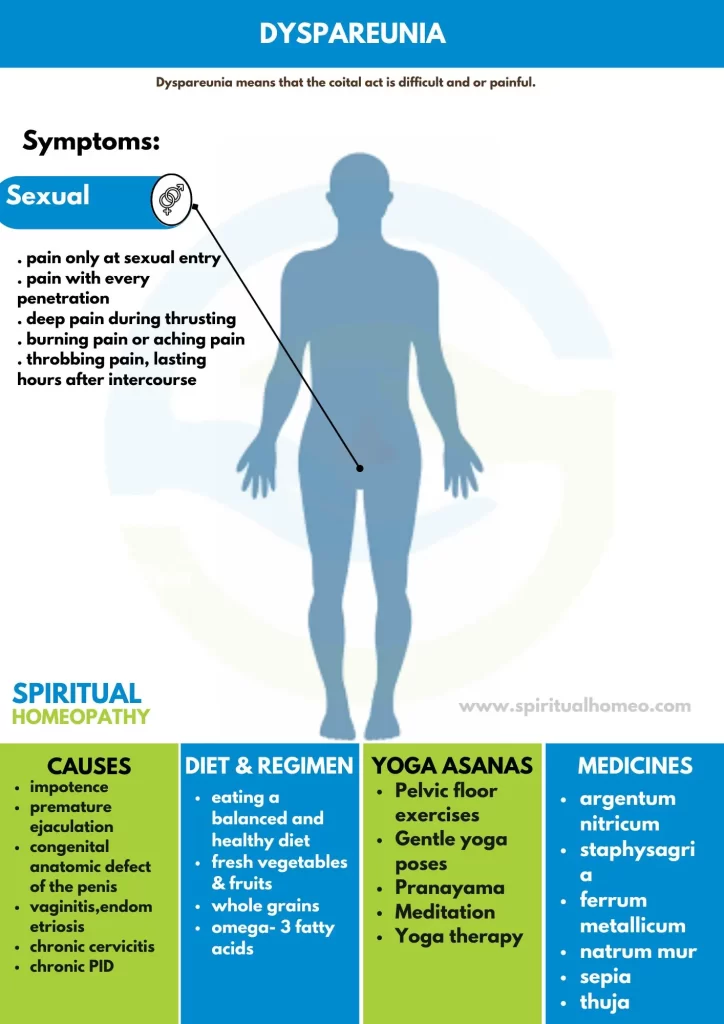
Dyspareunia and apareunia are often used interchangeably, though they refer to different sexual health concerns. Dyspareunia is the more commonly reported sexual dysfunction and is characterized by pain or discomfort during sexual intercourse. This condition can affect both men and women and may have a significant impact on sexual satisfaction and overall quality of life. Understanding the possible causes and available treatment approaches is important for appropriate management of dyspareunia.
Consultation for dyspareunia is available at Spiritual Homeopathy Clinic through in-clinic visits at multiple branches in Hyderabad, as well as online and international consultations, based on individual needs.
Dyspareunia, or painful intercourse, can have various causes in both men and women. These factors may range from physical conditions to emotional or psychological influences. Identifying the underlying cause is important for appropriate evaluation and management.
Several male-related factors may contribute to painful intercourse, including:
Impotence (Erectile Dysfunction): Difficulty achieving or maintaining an erection may lead to discomfort during intercourse.
Premature Ejaculation: Ejaculation occurring too quickly can cause distress or discomfort for one or both partners.
Congenital Anatomical Defects of the Penis: Structural abnormalities may result in pain during penetration.
Lack of Technique During Coitus: Improper techniques or certain positions during intercourse may cause discomfort or pain.
In women, dyspareunia is often classified based on the location and depth of pain.
Pain or discomfort at the vaginal opening, involving the lower part of the labia minora or the fourchette area, may occur due to local conditions or lesions.
A burning or aching sensation along the vaginal canal during or after intercourse is commonly reported. This type of pain may be associated with conditions such as:
Vaginitis
Vaginal septum
Tender scar tissue from previous gynecological surgeries or childbirth
Secondary vaginal atresia
Vaginal tumors
Vaginal atrophy, often related to hormonal changes
Deep dyspareunia refers to pain felt deeper inside the pelvis during penetration. As the vaginal walls themselves are generally less sensitive to pain, deep discomfort usually originates from surrounding pelvic organs or structures, including:
Endometriosis, particularly involving the rectovaginal septum
Chronic cervicitis
Chronic pelvic inflammatory disease (PID)
Retroverted uterus (acquired or fixed)
Prolapsed ovary in the pouch of Douglas
Pain During Penetration: Discomfort during vaginal entry, including tampon insertion or initial penetration.
Pain with Thrusting: A throbbing or aching pain that worsens with deep penetration.
Post-Coital Pain: Pain that persists for several hours after sexual intercourse in some individuals.
Because the causes of dyspareunia vary widely, assessment and care are typically individualized, taking into account physical, emotional, and contributing health factors.
Dyspareunia, or painful intercourse, can be classified into different types based on the timing of pain and its location. Understanding these distinctions helps in appropriate evaluation and management.
Primary dyspareunia refers to pain that occurs from the very first experience of sexual intercourse. It is commonly associated with physical or anatomical factors such as:
Vaginal infections
Vaginal dryness
Anatomical conditions, including vaginal septum or tight pelvic muscles
Secondary dyspareunia develops after a period of previously pain-free intercourse. This type may be related to factors such as:
Hormonal changes, including menopause
Pelvic infections
Endometriosis
Vaginal atrophy, often linked to reduced estrogen levels
Superficial dyspareunia involves pain at the vaginal opening or external genital area. It is often associated with conditions such as:
Vaginal infections
Vaginal dryness
Deep dyspareunia refers to pain felt deeper within the pelvic region during penetration. It is commonly linked to underlying pelvic conditions, including:
Endometriosis
Uterine fibroids
Management of dyspareunia is typically individualized and depends on the underlying cause. Treatment approaches may include supportive therapies, pelvic floor strengthening, management of infections or inflammation, and corrective procedures for structural concerns, as clinically appropriate.
Dyspareunia, or painful intercourse, presents with a range of symptoms that can significantly affect quality of life. The pain may vary in intensity, location, and timing, and can occur during different stages of sexual activity.
Pain experienced at the time of vaginal penetration, which may also be noticed while inserting a tampon.
Persistent discomfort or pain with any form of vaginal penetration, including intercourse or tampon use.
Pain felt deep within the pelvic region during thrusting movements, often associated with conditions such as endometriosis or uterine fibroids.
A burning or aching sensation occurring during or after intercourse, which may be related to vaginal infections, dryness, or pelvic floor involvement.
Pain that continues for hours after intercourse and may feel throbbing or pulsing, sometimes indicating pelvic inflammation or organ-related concerns.
If these symptoms are frequent, persistent, or worsening, professional evaluation is recommended to identify contributing factors and guide appropriate care.
Managing dyspareunia, or painful intercourse, often involves supportive dietary and lifestyle measures alongside medical guidance. The following recommendations may help reduce discomfort and support overall pelvic health.
Drink adequate water throughout the day to maintain hydration. Proper hydration may help reduce vaginal dryness, which is a common contributing factor to discomfort during intercourse.
Include foods rich in omega-3 fatty acids, such as fatty fish (e.g., salmon), walnuts, and flaxseeds. These nutrients support inflammatory balance and overall tissue health, which may help ease pelvic discomfort.
Foods high in vitamin E, including avocados, almonds, and leafy green vegetables, support tissue integrity and may help maintain vaginal comfort during sexual activity.
Probiotic-rich foods such as yogurt, kefir, and fermented items (including sauerkraut and kimchi) help support a healthy balance of vaginal and gut flora, which may reduce infection-related irritation.
Healthy fats from sources like olive oil, nuts, and avocado play a role in hormone balance and may help reduce inflammation, supporting overall pelvic health.
Foods rich in vitamin C, such as citrus fruits, berries, and bell peppers, support immune function and tissue repair, which may help reduce post-intercourse discomfort.
Limiting spicy foods, alcohol, and excessive caffeine may help reduce pelvic irritation and discomfort during or after sexual activity.
Regular pelvic floor exercises can help strengthen pelvic muscles, improve muscle coordination, and reduce discomfort associated with painful intercourse.
Dietary and lifestyle guidance may vary based on individual symptoms and underlying causes. Professional consultation helps ensure recommendations are appropriate and safely aligned with overall care.
These dietary and regimen measures are supportive and should be adapted to individual needs under professional guidance.
Yoga can support the management of dyspareunia by promoting relaxation, strengthening the pelvic floor, improving flexibility, and reducing stress. Regular practice of specific asanas may help alleviate discomfort during sexual activity and improve overall pelvic health. These practices are supportive and should be used alongside professional medical care.
Cat-Cow Pose (Marjaryasana-Bitilasana)
Benefits: Improves spinal flexibility, opens the hips, and relieves pelvic tension.
How to do it:
Start on hands and knees, wrists under shoulders, knees under hips.
Inhale, arch your back (Cow Pose), lifting head and tailbone.
Exhale, round your back (Cat Pose), tucking the chin.
Repeat 10–15 rounds to improve circulation and relax pelvic muscles.
Bridge Pose (Setu Bandhasana)
Benefits: Strengthens pelvic floor, glutes, and lower back.
How to do it:
Lie on your back, knees bent, feet hip-width apart.
Lift hips toward the ceiling, engaging glutes and core.
Hold 5–10 breaths, then slowly lower.
Repeat 5–10 times.
Child’s Pose (Balasana)
Benefits: Stretches lower back, relaxes pelvic region, reduces stress.
How to do it:
Kneel with big toes together, knees apart.
Sit on heels, stretch arms forward, lower forehead to the floor.
Hold 30–60 seconds, breathing deeply.
Happy Baby Pose (Ananda Balasana)
Benefits: Opens hips, stretches inner thighs, relaxes pelvic muscles.
How to do it:
Lie on your back, knees toward chest.
Hold outer edges of feet, gently pull knees toward floor.
Hold 30–60 seconds, breathing deeply.
Cobbler’s Pose (Baddha Konasana)
Benefits: Stretches groin and inner thighs, improves pelvic flexibility.
How to do it:
Sit with soles together, spine straight.
Hold feet and gently press knees toward floor.
Hold 30–60 seconds, breathing deeply.
Legs-Up-the-Wall Pose (Viparita Karani)
Benefits: Promotes pelvic circulation, reduces tension, relaxes lower body.
How to do it:
Sit sideways to a wall, swing legs up as you lie back.
Keep arms relaxed; hold 5–15 minutes, breathing deeply.
Reclining Bound Angle Pose (Supta Baddha Konasana)
Benefits: Opens hips and inner thighs, promotes deep relaxation.
How to do it:
Lie on back, soles together, knees out.
Place hands on belly or sides.
Relax 5–10 minutes, breathing slowly.
Pelvic Tilt (Supta Setu Bandhasana)
Benefits: Strengthens lower back and pelvic floor.
How to do it:
Lie on back, knees bent, feet flat.
Tilt pelvis upward, pressing lower back into floor.
Hold 5–10 seconds, repeat 10–15 times.
Bow Pose (Dhanurasana)
Benefits: Stretches lower back, strengthens core, opens chest.
How to do it:
Lie on stomach, knees bent, hold ankles.
Lift chest and thighs off floor.
Hold 20–30 seconds, then release.
Pigeon Pose (Eka Pada Rajakapotasana)
Benefits: Deeply stretches hips and groin, relieves pelvic tension.
How to do it:
Start in tabletop, bring one knee forward, extend opposite leg back.
Lower hips toward floor, keep back leg extended.
Hold 30–60 seconds, then switch sides.
Breathing: Use deep, slow breaths to relax pelvic muscles.
Consistency: Regular practice can strengthen pelvic floor, improve flexibility, and reduce discomfort.
Mindfulness: Pay attention to body signals; modify or stop any pose causing pain.
Restorative Focus: Include calming poses like Child’s Pose or Legs-Up-the-Wall after sexual activity for recovery.
Always consult a healthcare provider or certified yoga instructor before starting a new routine to ensure safety and suitability for your individual condition.
Homeopathy offers a holistic and individualized approach to managing dyspareunia, or painful intercourse. Remedies are chosen based on general symptoms as well as individual constitution, so selecting the appropriate treatment requires a personalized consultation with a qualified homeopath. These remedies are intended to support long-term management and address contributing factors, but they are not a comprehensive guide.
Remedy for Sensitivity and Inflammation
Suitable for individuals experiencing irritation or inflammation in the genital area, especially when pain occurs during sexual activity. It may also support those with heightened sexual sensitivity or emotional distress related to sexual thoughts or dreams.
Remedy for Sensitivity and Prolapses
Often recommended for heightened genital sensitivity, particularly when sitting. Beneficial for women experiencing prolapse, abdominal sinking, or hip discomfort. In males, it may address persistent sexual thoughts or physical issues related to self-abuse. Other associated symptoms can include backache, weakness, and post-intercourse discomfort.
Remedy for Vaginal Sensitivity and Leucorrhoea
Used when there is vaginal sensitivity accompanied by unusual growths, lesions, or profuse discharge. Can be helpful for individuals experiencing pain in the lower abdomen or left ovary and irregular menstrual cycles. In males, it may assist with inflammation or urinary discomfort.
Remedy for Weakness and Sensitivity
Considered for individuals with general weakness or pale complexion, as well as redness in the face. Supports management of menstrual irregularities such as heavy, early, or prolonged periods, along with vaginal sensitivity, prolapse, or miscarriage tendencies.
Remedy for Dryness and Prolapse
Often indicated when vaginal dryness, bearing-down sensations, or irregular menstruation is present. Can also relieve discomfort in the uterus or genital region, particularly during menstruation or mornings. Useful in cases of uterine prolapse or ineffective labor pains.
Remedy for Pelvic Organ Relaxation and Pain
Beneficial for those experiencing a sensation of pelvic organs being unsupported during intercourse. May help with vaginal discharge accompanied by itching, painful or irregular menstruation, sharp vaginal pain, or post-intercourse discomfort. Can also support cases of morning sickness or uterine/vaginal prolapse.
You should consult a healthcare professional if acidity symptoms become frequent, persistent, or begin to affect daily activities or sleep. Early evaluation helps identify contributing factors and reduces the risk of complications.
Seek consultation if you experience:
Recurrent or long-lasting heartburn
Difficulty or pain while swallowing
Persistent chest discomfort or burning sensation
Symptoms that worsen at night or disturb sleep
Unexplained weight loss or reduced appetite
Symptoms not improving with dietary and lifestyle measures
At Spiritual Homeopathy Clinic, consultations are available at multiple branches in Hyderabad, including Kukatpally, Chandanagar, Dilsukhnagar, and Nallagandla. Online and international consultations are also available for patients who cannot visit in person. A professional assessment supports an individualized care approach based on symptoms and overall health status.
For appointments or guidance, contact 9069 176 176.
We provide homeopathic treatment for allergies, thyroid disordersTreating dyspareunia depends entirely on the underlying cause, which is why a comprehensive exam by an obstetrician-gynecologist or is essential. Targeted approaches include medical interventions, pelvic floor physical therapy, and counseling to resolve the pain and discomfort. , skin diseases, digestive issues, migraine, hormonal imbalance, child health concerns, respiratory problems, hair fall, and chronic lifestyle disorders.
Dyspareunia (persistent genital pain before, during, or after sexual intercourse) is often categorized as either entry pain or deep pain. Causes are highly individualized and typically stem from distinct physical or emotional factors, including vaginal dryness, pelvic floor dysfunction, infections, trauma, or psychological distress.
Although it is possible for both to be present, usually women find their dyspareunia is predominantly one or the other: superficial dyspareunia - This is pain felt at or around the vaginal entrance deep dyspareunia - This is pain on deep penetration, which is often felt with pelvic thrusting during intercourse.
The good news is that you can often find relief and recover. Whether it's medication, pelvic floor therapy, surgery or using lubrication — your healthcare provider can find a treatment that can improve or eliminate dyspareunia.
Dyspareunia. This disorder is defined as persistent genital pain associated with sexual intercourse. The prevalence of dyspareunia is 15% in females and 5% in males.
Dyspareunia is specifically defined as pain during sexual intercourse, or pain with penile penetration of the vagina, with prevalence estimates among midlife women and beyond ranging from 8%–45%.