


HIV (Human Immunodeficiency Virus) is a virus that attacks the immune system, particularly CD4 cells, which help the body fight infections. If left untreated, HIV can weaken the immune system over time and may progress to advanced HIV disease. Some people experience flu-like symptoms, such as fever, fatigue, sore throat, swollen lymph nodes, or skin rashes in the early stages, while others may not notice any symptoms for years. HIV is primarily transmitted through specific body fluids, including blood, semen, vaginal fluids, and breast milk. It is not spread through casual contact, sharing food, or hugging. Anyone who suspects possible exposure to HIV should consult a qualified healthcare professional for appropriate testing, diagnosis, and medical guidance.
At Spiritual Homeopathy, we recognize the importance of understanding each individual’s health concerns, medical history, symptoms, and overall well-being. Our homeopathic doctors provide individualized consultations based on patients’ reported concerns and health backgrounds. However, there is no reliable scientific evidence that homeopathy can treat HIV, eliminate the virus, or replace established medical care. Antiretroviral therapy (ART) is the recommended treatment for HIV and helps control the virus, protect immune function, and support long-term health. People living with HIV should follow their prescribed treatment plan and attend regular medical check-ups. Homeopathy, if pursued, should never delay or replace ART or other recommended healthcare.
Spiritual Homeopathy offers consultations for individuals seeking guidance about their health concerns at its Hyderabad branches in KPHB (Kukatpally), Chandanagar, Dilsukhnagar, and Nallagandla. Online consultations are also available for people across India and internationally. Anyone concerned about possible HIV exposure should seek prompt medical advice and testing. If exposure occurred within the past 72 hours, contact a healthcare professional or emergency service immediately to ask about post-exposure prophylaxis (PEP), which can help prevent HIV infection when started promptly. Early diagnosis and consistent medical treatment are essential for maintaining health and well-being.
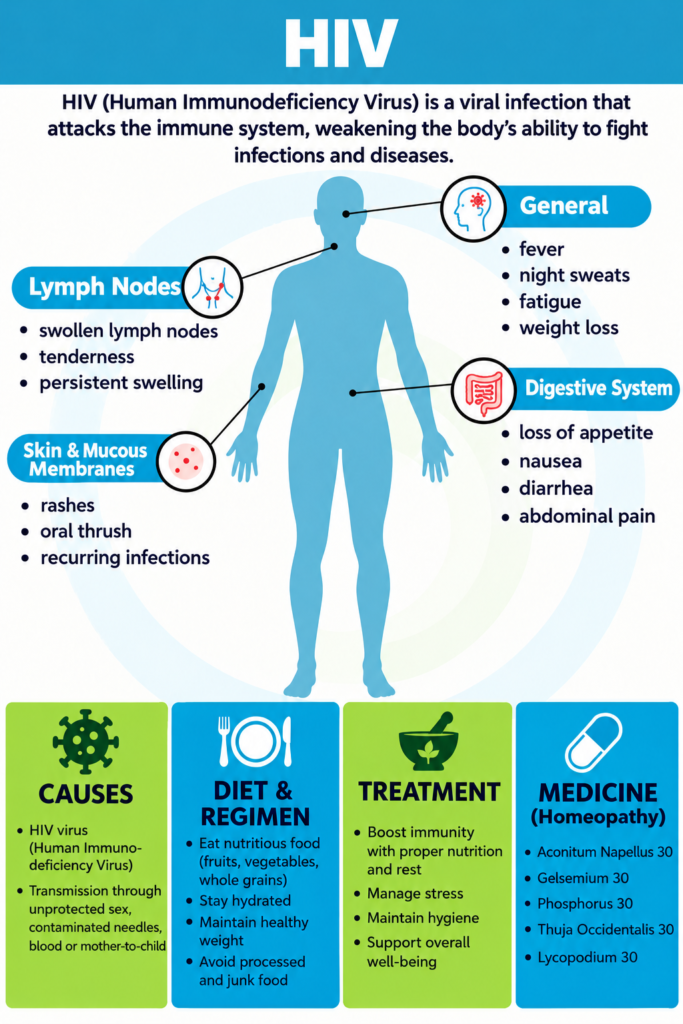
Human Immunodeficiency Virus (HIV) is a viral infection that attacks the immune system, particularly CD4 cells, which play an important role in protecting the body against infections. Without appropriate treatment, HIV can gradually weaken immune function and may progress to advanced HIV disease. Some people experience symptoms in the early stages, while others may not notice any signs for several years.
HIV may initially cause flu-like symptoms, including fever, fatigue, sore throat, skin rash, and swollen lymph nodes. However, these symptoms are not specific to HIV, and some individuals may remain symptom-free. HIV is primarily transmitted through certain body fluids, including blood, semen, vaginal fluids, and breast milk. It does not spread through hugging, sharing food, or casual everyday contact. Early testing and appropriate medical care are essential for managing HIV and maintaining long-term health.
At Spiritual Homeopathy Clinic, consultations are available at multiple Hyderabad branches, including KPHB, Dilsukhnagar, Chandanagar, and Nallagandla. Online consultations may also be available for individuals in India and internationally, depending on their needs. However, homeopathy has not been shown by reliable scientific evidence to treat HIV or eliminate the virus. Antiretroviral therapy (ART) is the established treatment for HIV and should not be replaced or delayed in favour of homeopathic or other alternative treatments.
Fever: Some people develop a fever during the early stage of HIV infection as the immune system responds to the virus.
Fatigue: Persistent tiredness or a lack of energy may occur during different stages of HIV, although fatigue can have many other causes.
Swollen Lymph Nodes: Lymph nodes in the neck, armpits, or groin may become enlarged as the body responds to infection.
Skin Rash: Some individuals experience a skin rash during early HIV infection. However, rashes can also result from various other conditions.
Sore Throat and Headache: These symptoms may occur during the early stages of infection and can resemble those of common viral illnesses.
Night Sweats: Some people experience excessive sweating at night, particularly when HIV is untreated or other infections are present.
Unexplained Weight Loss: Weight loss may occur in advanced or untreated HIV, especially when accompanied by other health complications.
Recurrent Infections: As immune function weakens, untreated HIV may increase susceptibility to certain infections.
Symptoms vary considerably between individuals, and some people with HIV experience no noticeable symptoms. Symptoms alone cannot confirm or rule out HIV; testing is the only reliable way to determine HIV status. Anyone concerned about possible exposure should seek medical advice and appropriate testing. If exposure occurred within the past 72 hours, seek urgent medical attention to discuss post-exposure prophylaxis (PEP).
Human Immunodeficiency Virus (HIV) is a virus that attacks the immune system, particularly CD4 cells, which help the body fight infections. HIV spreads when certain infected body fluids enter another person’s body. Understanding how HIV is transmitted, the factors that may increase exposure risk, and the importance of early testing can help people make informed decisions about prevention and medical care.
HIV develops when the virus enters the body and establishes an infection. Without effective treatment, it can gradually damage the immune system. HIV is primarily transmitted through blood, semen, pre-seminal fluid, vaginal fluids, rectal fluids, and breast milk.
HIV can affect people of any age or gender.
The virus targets CD4 cells that support immune function.
Antiretroviral therapy (ART) helps control the virus and protect the immune system.
HIV is a manageable chronic condition with appropriate medical treatment and regular healthcare monitoring.
HIV can be transmitted through anal or vaginal sexual contact when effective prevention measures are not in place and one partner has transmissible HIV. The level of risk varies depending on the type of exposure and other circumstances.
Potential transmission routes include:
Anal sex without effective HIV prevention measures.
Vaginal sex without effective HIV prevention measures.
Sexual contact involving exposure to infected body fluids through mucous membranes.
Sexual exposure when a person with HIV is not receiving effective treatment and has a detectable viral load.
Using condoms correctly and consistently, considering pre-exposure prophylaxis (PrEP) when appropriate, and getting tested can help reduce the risk of HIV transmission. A person who maintains an undetectable viral load through effective treatment does not transmit HIV sexually (Undetectable = Untransmittable, or U=U).
HIV can spread when needles, syringes, or other injection equipment contaminated with infected blood are shared. This may occur when people reuse equipment for injecting drugs or when unsafe injection practices are followed.
Risk-reduction measures include:
Using sterile needles and syringes.
Never sharing injection equipment.
Ensuring medical procedures use properly sterilized or single-use equipment.
Following appropriate safety procedures for blood exposure.
Using sterile equipment is an important step in preventing blood-borne infections, including HIV.
HIV may be transmitted through contaminated blood or certain medical procedures when appropriate safety standards are not followed. In settings with reliable screening and infection-control practices, these risks are substantially reduced.
Possible exposure situations include:
Receiving unscreened HIV-contaminated blood or blood products.
Accidental needlestick injuries involving infected blood.
Using contaminated instruments that penetrate the skin.
Procedures performed without appropriate sterilization practices.
Healthcare facilities use blood screening, sterile equipment, and infection-control protocols to reduce the risk of transmission. Anyone experiencing a potential occupational or medical exposure should seek prompt medical evaluation.
HIV can pass from a mother to her child during pregnancy, childbirth, or breastfeeding. However, appropriate medical treatment and preventive care can significantly reduce the risk of transmission.
Important preventive measures include:
HIV testing during pregnancy.
Consistent antiretroviral therapy as prescribed.
Appropriate medical care during pregnancy and delivery.
Following healthcare professionals’ guidance on infant testing, preventive treatment, and feeding.
With timely diagnosis and appropriate interventions, the risk of mother-to-child transmission can be greatly reduced.
Understanding how HIV spreads is essential for reducing stigma and avoiding unnecessary fear. HIV is not transmitted through ordinary everyday contact, including:
Hugging, shaking hands, or sitting beside someone.
Sharing food, drinking glasses, or eating utensils.
Using common toilets or swimming pools.
Coughing, sneezing, or sharing the same air.
Mosquito or other insect bites.
People living with HIV can participate in everyday family, social, educational, and professional activities without transmitting the virus through casual contact.
Understanding HIV transmission can help individuals make informed decisions about testing, prevention, and treatment. Antiretroviral therapy is the established treatment for HIV and helps control viral replication, protect immune function, and support long-term health. Homeopathy has not been shown by reliable scientific evidence to treat HIV or eliminate the virus and should never replace or delay antiretroviral treatment.
If you think you may have been exposed to HIV, consult a qualified healthcare professional for testing and advice. If the possible exposure occurred within the past 72 hours, seek urgent medical attention to discuss post-exposure prophylaxis (PEP). Starting PEP as soon as possible is important for preventing HIV infection after a potential exposure.
Acute HIV infection is the earliest stage of HIV, occurring soon after the virus enters the body. During this period, the virus multiplies rapidly, and some people develop flu-like symptoms. Others may experience no noticeable symptoms.
Symptoms may include:
Fever and chills
Sore throat
Skin rash
Swollen lymph nodes
Fatigue and muscle aches
Headache or night sweats
These symptoms can resemble other common illnesses and cannot confirm HIV infection. An HIV test is necessary for diagnosis. Early testing and prompt initiation of antiretroviral therapy (ART) are important for controlling the virus and protecting immune health.
Chronic HIV infection, also known as the clinical latency stage, occurs after the acute stage. During this period, HIV remains in the body and continues to replicate, although the rate of replication may be controlled effectively with treatment.
Important characteristics include:
Many people experience few or no noticeable symptoms.
The virus remains in the body even when symptoms are absent.
Without treatment, immune system damage can progress over time.
Consistent ART can suppress the virus and help maintain immune function.
With appropriate treatment, people living with HIV can remain healthy for many years. Regular medical monitoring helps assess treatment effectiveness and overall health.
Acquired Immunodeficiency Syndrome (AIDS) is the most advanced stage of HIV infection. It may develop when HIV is not adequately treated and the immune system becomes severely weakened. Not everyone with HIV develops AIDS, particularly when effective treatment begins early and is continued consistently.
Possible signs and complications include:
Significant or unexplained weight loss
Persistent fever or night sweats
Prolonged diarrhoea
Recurrent or serious infections
Persistent fatigue
Certain opportunistic infections or cancers
These symptoms may have several causes and require professional medical evaluation. Prompt diagnosis and appropriate HIV treatment can help prevent or manage advanced disease and improve health outcomes.
Some people living with HIV do not experience noticeable symptoms for months or years. The absence of symptoms does not mean the virus is absent or that a person cannot transmit it.
Important points include:
HIV may remain undetected without testing.
A person can feel healthy while living with HIV.
Symptoms alone cannot determine HIV status.
Testing is important following a potential exposure.
Healthcare professionals can recommend suitable testing based on the timing of exposure and the type of test used. Early diagnosis allows treatment to begin promptly and helps protect long-term health.
When HIV is untreated or not adequately controlled, damage to the immune system can increase the risk of certain infections and other complications. People with advanced HIV may require additional medical care alongside antiretroviral therapy.
Potential complications include:
Tuberculosis and other serious infections
Certain fungal infections
Recurrent or persistent infections
Some HIV-associated cancers
Neurological complications in some individuals
Regular medical follow-ups, adherence to prescribed ART, and appropriate screening can help reduce the risk of complications. New, severe, or worsening symptoms should be evaluated by a qualified healthcare professional.
Understanding the stages of HIV helps people recognize the importance of testing, early diagnosis, and ongoing care. Antiretroviral therapy (ART) is the established treatment for HIV and helps suppress viral replication, preserve immune function, and support long-term well-being. With effective treatment and a sustained undetectable viral load, HIV is not sexually transmitted (U=U).
Homeopathy has not been shown by reliable scientific evidence to treat HIV or eliminate the virus and should never replace or delay ART. Anyone concerned about possible HIV exposure should seek medical advice and appropriate testing. If exposure occurred within the past 72 hours, seek urgent medical attention to discuss post-exposure prophylaxis (PEP).
Human Immunodeficiency Virus (HIV) is a viral infection that attacks the immune system, particularly CD4 cells, which help the body fight infections. Symptoms can vary depending on the stage of infection and the individual’s overall health. Some people develop flu-like symptoms within a few weeks of exposure, while others may not experience noticeable symptoms for years. Recognizing possible signs and understanding the importance of HIV testing can help individuals seek timely medical care.
🔹 Fever
Fever is a possible early symptom of HIV infection. It may occur alongside other flu-like symptoms as the body responds to the virus. However, fever alone does not indicate HIV.
🔹 Persistent Fatigue
Some people experience unusual tiredness or a lack of energy during different stages of HIV infection. Fatigue can have many causes, so medical evaluation may be necessary to identify the underlying reason.
🔹 Swollen Lymph Nodes
Lymph nodes in the neck, armpits, or groin may become swollen during the early stages of infection. This can occur as the immune system responds to the virus, although swollen lymph nodes are also associated with many other conditions.
🔹 Skin Rash
A skin rash may develop during acute HIV infection, sometimes alongside fever or other flu-like symptoms. Rashes can vary in appearance and may also result from allergies, other infections, or skin conditions.
🔹 Sore Throat and Headache
Some individuals experience a sore throat, headache, or muscle aches during the early stages of HIV. These symptoms are nonspecific and cannot be used to confirm an HIV diagnosis.
🔹 Night Sweats
Excessive sweating during sleep may occur in some people living with HIV, particularly when the infection is untreated or other infections are present. Persistent night sweats should be evaluated by a healthcare professional.
🔹 Unexplained Weight Loss or Recurrent Infections
Untreated HIV can gradually weaken the immune system, potentially leading to unexplained weight loss, prolonged diarrhoea, or recurrent infections in later stages. These symptoms require medical assessment because they may have several possible causes.
🔹 No Noticeable Symptoms
Some people living with HIV do not experience obvious symptoms for months or years. Even when a person feels healthy, HIV may still be present. The absence of symptoms does not rule out infection, making appropriate testing essential after a possible exposure.
If you think you may have been exposed to HIV, consult a qualified healthcare professional for appropriate testing and guidance. An HIV test is the only reliable way to determine your HIV status. Antiretroviral therapy (ART) is the established treatment for HIV and helps control the virus, protect immune function, and support long-term health. Homeopathy has not been shown by reliable scientific evidence to treat HIV or eliminate the virus and should never replace or delay ART.
Seek urgent medical attention if a possible HIV exposure occurred within the past 72 hours to discuss post-exposure prophylaxis (PEP), which may prevent infection when started promptly.
Maintaining a balanced diet and following healthy lifestyle habits can support overall well-being for people living with HIV. Although no specific diet can cure HIV or replace medical treatment, adequate nutrition, sufficient rest, stress management, and consistent antiretroviral therapy (ART) are important for supporting immune health and overall quality of life.
A varied, balanced diet provides nutrients that support normal immune function and help maintain energy levels. Consider including:
Fresh vegetables and leafy greens
Whole grains such as oats, brown rice, and whole-wheat products
Fruits such as bananas, apples, oranges, and berries
Protein sources such as eggs, fish, beans, and lentils
Healthy fats from nuts, seeds, and olive oil
Choose a variety of foods to meet your nutritional needs and maintain a healthy weight.
Drinking enough fluids supports normal body functions and helps prevent dehydration, especially during illness.
Drink water regularly throughout the day.
Include soups and other suitable fluids as desired.
Choose beverages according to your health needs.
Seek medical advice if you experience persistent diarrhea, vomiting, or difficulty maintaining hydration.
Eating regular, balanced meals can help support energy levels and general health.
Include vegetables and fruits in your daily meals.
Choose whole grains and nutritious protein sources.
Avoid restrictive diets that eliminate entire food groups without professional guidance.
Follow dietary recommendations related to other health conditions or treatment side effects.
No particular food has been established as a cure for HIV. A healthy diet should complement, not replace, prescribed treatment.
Protein supports tissue maintenance and normal body functions. Suitable sources include:
Eggs
Fish and lean poultry
Lentils and beans
Tofu
Milk or yogurt, if tolerated
Nuts and seeds
Choose protein sources according to your dietary preferences and health needs. A healthcare professional or registered dietitian can help if you have difficulty maintaining your weight or meeting your nutritional requirements.
Adequate sleep and rest can support physical and emotional well-being.
Maintain a consistent sleep schedule.
Aim for sufficient sleep each night.
Allow time for rest when you are unwell.
Discuss persistent fatigue with a healthcare professional, as it may be related to HIV, medication effects, anemia, or another condition.
Living with HIV may sometimes cause emotional stress or anxiety. Healthy coping strategies can support emotional well-being.
Practise gentle breathing exercises.
Try meditation or relaxation techniques.
Maintain supportive social connections.
Seek counselling or professional mental health support when needed.
Stress management can improve quality of life, but it does not directly eliminate HIV or replace medical treatment.
People living with HIV may have a higher risk of certain infections, particularly if their immune system is weakened. Safe food handling and everyday hygiene are important.
Wash your hands before preparing or eating food.
Wash fruits and vegetables thoroughly.
Cook meat, fish, eggs, and seafood properly.
Avoid unpasteurized milk and products made from it.
Store food safely and avoid food that may be spoiled or contaminated.
Follow your healthcare professional’s advice about food safety based on your immune status.
HIV is not transmitted through casual contact, sharing meals, hugging, or using the same utensils.
Diet and lifestyle measures cannot eliminate HIV from the body. Antiretroviral therapy (ART) is the standard treatment for HIV and helps control the virus, protect immune function, and reduce the risk of HIV-related complications. Take medication exactly as prescribed and attend regular medical appointments to monitor your viral load and overall health.
Do not stop or change your medication without consulting your healthcare professional. Before taking vitamins, supplements, or herbal products, discuss them with your healthcare provider because some may interact with HIV medicines.
Homeopathy has not been shown by reliable scientific evidence to treat or cure HIV and should never replace or delay ART.
Dietary and lifestyle recommendations should be tailored to individual needs, medical history, and treatment. Seek prompt medical attention for persistent fever, unexplained weight loss, prolonged diarrhea, breathing difficulties, or other concerning symptoms.
Yoga may serve as a complementary wellness practice for people living with HIV by encouraging relaxation, improving flexibility, supporting physical activity, and helping manage everyday stress. Some individuals find gentle movement and breathing exercises helpful for maintaining emotional well-being and quality of life. However, yoga has not been shown to treat HIV, eliminate the virus, or replace antiretroviral therapy (ART).
Yoga should be practised according to individual comfort, fitness level, and medical needs. People living with HIV, particularly those experiencing fatigue, infections, or other health complications, should consult a healthcare professional before beginning a new exercise routine.
Sukhasana (Easy Pose) – This comfortable seated posture encourages relaxation and mindful breathing. It may help individuals manage everyday stress and develop a calming daily routine.
Tadasana (Mountain Pose) – This standing posture promotes body awareness, balance, and an upright stance. Practising it gently can contribute to a regular movement routine that supports flexibility and physical well-being.
Balasana (Child’s Pose) – This gentle resting posture may encourage relaxation and release physical tension. Use a comfortable modification if needed, particularly if you experience joint pain, dizziness, or physical discomfort.
Nadi Shodhana (Alternate Nostril Breathing) – Slow, gentle breathing may support relaxation and stress management. Breathe naturally without forceful inhalation, prolonged breath-holding, or straining.
Shavasana (Corpse Pose — Modified) – A comfortable relaxation posture can help reduce physical tension and encourage calmness. Use cushions or a supported position if lying flat is uncomfortable.
Choose gentle exercises that match your current fitness level and energy.
Avoid strenuous postures if you are experiencing significant fatigue, fever, dizziness, or illness.
Stop practising if you experience pain, breathlessness, or worsening discomfort.
Maintain good personal hygiene and use a clean yoga mat and towel.
Stay hydrated and allow sufficient time for rest and recovery.
Consult your healthcare professional before starting yoga if you have a weakened immune system, persistent infections, or other medical complications.
Continue taking prescribed antiretroviral therapy (ART) as directed by your healthcare professional.
Seek medical advice if you develop persistent fever, unexplained weight loss, or recurrent infections.
Gentle yoga, mindful breathing, adequate sleep, balanced nutrition, and stress management may support general well-being for people living with HIV. However, these practices do not cure HIV or suppress the virus on their own. Antiretroviral therapy (ART) remains the established treatment for HIV, helping control viral replication and protect immune function.
Homeopathy has not been shown by reliable scientific evidence to treat HIV or eliminate the virus and should never replace or delay ART. A healthcare professional can help develop an appropriate care plan that combines prescribed treatment with suitable physical activity and other supportive lifestyle practices.
Human Immunodeficiency Virus (HIV) is a viral infection that attacks the immune system, particularly CD4 cells, which help the body fight infections. Without effective treatment, HIV can gradually weaken immune function and increase the risk of serious health complications. Some individuals experience flu-like symptoms during the early stages, while others may not notice symptoms for years. Understanding HIV status, medical history, and individual health needs is essential when planning appropriate care.
Homeopathy is an alternative system of care that emphasizes individualized consultations. However, reliable scientific evidence has not established homeopathy as an effective treatment for HIV or shown that it can eliminate the virus. Antiretroviral therapy (ART) is the established treatment for HIV and helps control viral replication, protect immune function, and support long-term health. Homeopathy should never replace or delay ART or other recommended medical care.
At Spiritual Homeopathy Clinic, consultations focus on understanding each patient’s reported symptoms, medical history, general health concerns, and overall well-being. The consultation process provides an opportunity for individuals to discuss their concerns and understand the importance of appropriate medical assessment, regular monitoring, and evidence-based treatment.
Consultations are available at multiple branches in Hyderabad, including KPHB, Dilsukhnagar, Chandanagar, and Nallagandla. Online consultations may also be available for people in India and internationally, depending on individual needs.
The clinic’s consultation approach emphasizes individualized assessment, clear communication, and responsible health guidance. Key aspects include:
Individualized Assessment: Discussing reported symptoms, medical history, and general health concerns to understand each patient’s situation.
Lifestyle and Well-Being Review: Exploring nutrition, sleep, stress management, and daily habits that may influence overall well-being.
Professional Consultation: Providing an opportunity to discuss health concerns and understand when medical evaluation, HIV testing, or further investigations may be appropriate.
Holistic Perspective: Considering general physical and emotional well-being while recognizing the essential role of evidence-based HIV treatment.
A consultation may involve discussing current symptoms, relevant medical history, existing health conditions, and treatments already being used. For individuals concerned about possible HIV exposure, a qualified healthcare professional can recommend appropriate testing and explain the available medical options.
Care recommendations should reflect each person’s medical needs and clinical circumstances. Evidence-based HIV management involves antiretroviral therapy (ART), appropriate laboratory monitoring, and regular medical follow-ups. A healthcare professional can also provide guidance on nutrition, preventive care, vaccinations, and managing potential medication side effects.
Homeopathy has not been shown to treat HIV or eliminate the virus and must not be used as a substitute for antiretroviral treatment. Anyone living with HIV should continue prescribed ART and discuss any complementary products with their treating clinician to avoid potential interactions or treatment interruptions.
Regular follow-up with an HIV care provider is important for monitoring viral load, assessing immune function, and reviewing treatment effectiveness. Medical appointments also provide an opportunity to address new symptoms, discuss emotional well-being, and identify any additional healthcare needs.
People living with HIV who maintain an undetectable viral load through effective treatment do not transmit HIV sexually, a principle known as Undetectable = Untransmittable (U=U).
Spiritual Homeopathy Clinic emphasizes individualized consultations, patient education, and responsible health guidance for people seeking support with their health concerns. Understanding HIV, obtaining an appropriate diagnosis, and following established medical treatment are essential steps in protecting immune health and supporting long-term well-being.
Patients should consult qualified healthcare professionals before starting, stopping, or changing any treatment. Anyone concerned about possible HIV exposure within the past 72 hours should seek urgent medical attention to discuss post-exposure prophylaxis (PEP), which can help prevent infection when started promptly.
You should consult a qualified healthcare professional if you think you may have been exposed to HIV or experience symptoms such as fever, fatigue, skin rash, sore throat, or swollen lymph nodes after a possible exposure. These symptoms can occur with many other conditions, so they cannot confirm HIV infection. An appropriate HIV test is necessary to determine your status and identify whether further medical care is required.
HIV may not cause noticeable symptoms for months or years, even while the virus remains in the body. Early diagnosis and timely treatment are important for protecting immune function, preventing complications, and supporting long-term health.
Possible exposure to HIV through sexual contact or contact with infected blood
Fever, sore throat, or skin rash following a potential exposure
Persistent fatigue or unexplained weakness
Swollen lymph nodes in the neck, armpits, or groin
Unexplained weight loss or prolonged diarrhoea
Recurrent infections or persistent fever
A need for HIV testing after a potential exposure, even if you have no symptoms
Seek urgent medical attention if a possible HIV exposure occurred within the past 72 hours. A healthcare professional can assess whether post-exposure prophylaxis (PEP) is appropriate. PEP should be started as soon as possible and no later than 72 hours after a potential exposure.
At Spiritual Homeopathy, consultations are available at our Hyderabad branches in Kukatpally (KPHB), Chandanagar, Dilsukhnagar, and Nallagandla. Consultations focus on discussing health concerns, medical history, and general well-being while recognizing the importance of appropriate medical assessment and evidence-based treatment. Online consultations may also be available for patients across India and internationally.
Antiretroviral therapy (ART) is the established treatment for HIV. It helps suppress the virus, protect immune function, and reduce the risk of HIV-related complications. Homeopathy has not been shown by reliable scientific evidence to treat HIV or eliminate the virus and should never replace or delay ART or other recommended medical care.
To schedule a consultation with Spiritual Homeopathy, call 9069 176 176.
HIV symptoms can vary depending on the stage of infection. Early symptoms, if present, may develop within 2–4 weeks after exposure and can last for several days to a few weeks. Some people may not experience noticeable symptoms for years. Antiretroviral therapy (ART), prescribed by a qualified healthcare professional, helps control HIV and protect immune function. HIV testing is the only reliable way to determine infection status, so seek medical advice if you suspect possible exposure.
The most appropriate treatment for HIV depends on the individual’s health status, viral load, CD4 cell count, and medical history. Antiretroviral therapy (ART) prescribed by a qualified healthcare professional is the standard treatment for HIV. It helps control the virus, protect the immune system, and reduce the risk of transmission. Although HIV currently has no widely available cure, consistent treatment can help people live long and healthy lives. If you think you may have been exposed to HIV or have concerns about your status, seek medical advice and get tested. Homeopathy has not been shown by reliable scientific evidence to treat or cure HIV and should never replace or delay ART.
There is no specific food that everyone with HIV needs to avoid. A balanced diet that includes vegetables, fruits, whole grains, and adequate protein can help support overall health and nutritional needs. Staying hydrated, maintaining good food hygiene, and following healthy eating habits are also important. Some foods may need to be avoided depending on individual health conditions, food safety risks, or interactions with prescribed medications. Consult a healthcare professional or registered dietitian for personalized dietary guidance. A healthy diet can support well-being, but it cannot cure HIV or replace antiretroviral therapy (ART).
HIV is a serious health condition that can be managed effectively with appropriate medical care and consistent treatment. Without treatment, HIV can weaken the immune system and increase the risk of serious infections. Antiretroviral therapy (ART) helps control the virus, protect immune function, and support a long and healthy life. If you think you may have been exposed to HIV, seek medical advice and get tested promptly. Starting treatment early and attending regular medical check-ups are important for managing HIV and reducing the risk of transmission.
To manage HIV and support your health at home, take antiretroviral therapy (ART) exactly as prescribed and attend regular medical check-ups. Maintain a balanced diet, drink enough water, get adequate sleep, and engage in physical activity suited to your health. Practice good hygiene and follow food safety measures to reduce the risk of infections. Use condoms and follow your healthcare professional’s advice to help prevent HIV transmission. Seek medical attention if you develop persistent fever, unexplained weight loss, ongoing diarrhea, or other unusual symptoms. Home care can support general well-being, but it cannot replace ART, which is essential for controlling HIV.
HIV is currently considered a lifelong viral infection because the virus remains in the body even when treatment keeps it under control. However, with consistent antiretroviral therapy (ART), people living with HIV can maintain their immune health and lead long, healthy lives. Treatment helps reduce the amount of virus in the blood to very low levels and, when the viral load remains undetectable, prevents sexual transmission of HIV (U=U). Although there is currently no widely available cure for HIV, regular medical care, adherence to prescribed treatment, and routine monitoring can help manage the condition effectively.