


WhatsAppCall

Prostate

Support prostate health with personalized homeopathic consultations and gentle guidance for overall urinary and reproductive wellness.

Prostate

How Does Homeopathy Support Prostate Health?

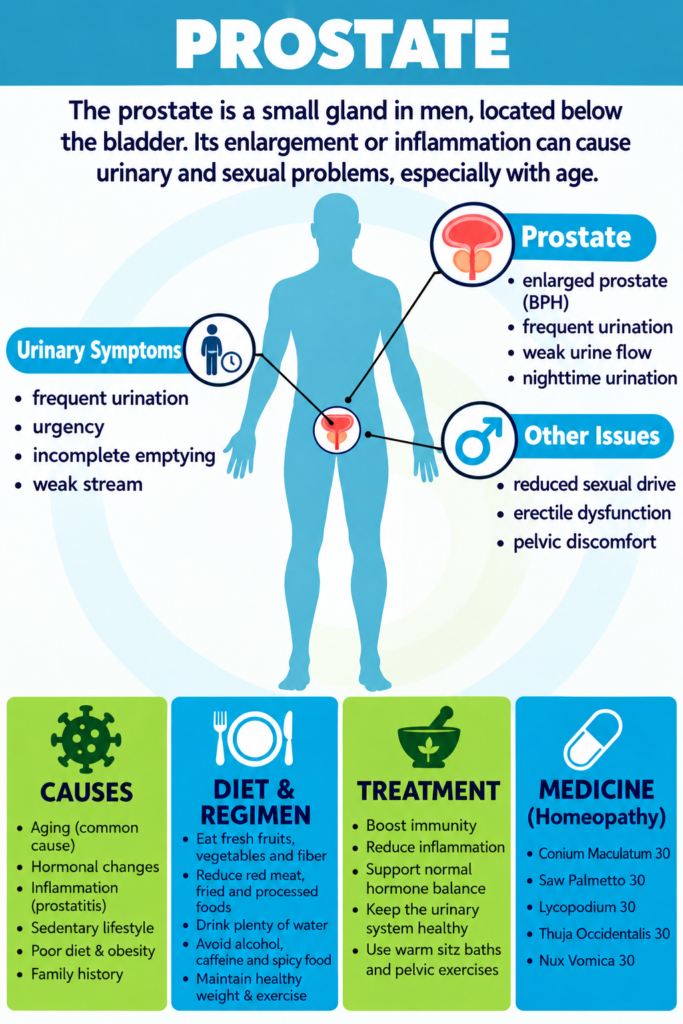
Prostate problems are common among men, particularly with increasing age. The prostate is a small gland located below the bladder that plays an important role in the male reproductive system. Conditions such as benign prostatic hyperplasia (BPH), prostatitis, and prostate cancer can affect prostate health and urinary function. Common symptoms include frequent urination, difficulty starting urination, a weak urine stream, interrupted urination, a feeling of incomplete bladder emptying, and increased nighttime urination. Some prostate conditions may also cause pelvic discomfort, painful urination, or blood in the urine. Persistent symptoms should be evaluated by a qualified healthcare professional to identify the underlying condition and recommend appropriate treatment.

At Spiritual Homeopathy, we believe in understanding each individual’s health concerns and overall well-being. Our homeopathic doctors consider the patient’s symptoms, medical history, lifestyle, and general health before discussing an individualized consultation approach. Our holistic approach emphasizes understanding urinary concerns, encouraging healthy lifestyle habits, and providing personalized guidance. However, homeopathy has not been proven effective for treating prostate enlargement, prostatitis, or prostate cancer and should never replace evidence-based medical treatment.

We provide individualized consultations for patients experiencing prostate-related concerns at our clinics in Hyderabad, including Kukatpally (KPHB), Chandanagar, Dilsukhnagar, and Nallagandla. We also offer online homeopathy consultations for patients across India and internationally, making consultations more accessible. Difficulty passing urine, blood in the urine, painful urination, or persistent urinary symptoms require medical evaluation. Sudden inability to urinate requires immediate medical attention.


Everything You Need to Know


Overview

Prostate problems are common health concerns among men, particularly as they grow older. The prostate is a small gland located below the bladder and surrounding the urethra. It plays an important role in the male reproductive system by producing fluid that forms part of semen. Conditions such as benign prostatic hyperplasia (BPH), prostatitis, and prostate cancer can affect prostate health and urinary function.

Prostate-related conditions may cause difficulty passing urine, frequent urination, a weak urine stream, discomfort while urinating, and repeated nighttime trips to the bathroom. Symptoms and their severity vary depending on the underlying condition. Early medical evaluation, appropriate diagnosis, and timely treatment are important for maintaining urinary and reproductive health.

At Spiritual Homeopathy Clinic, consultations for prostate-related concerns are available across multiple branches in Hyderabad, along with online and international consultation services, depending on individual needs. Patients are encouraged to obtain appropriate medical evaluation and follow evidence-based treatment recommendations. Homeopathy has not been proven effective for treating prostate conditions and should not replace specialist care.

Common Symptoms of Prostate Problems

Frequent Urination: An increased need to urinate throughout the day, sometimes occurring at short intervals.

Nighttime Urination: Waking up several times during the night to pass urine, which may interrupt normal sleep.

Difficulty Starting Urination: Taking longer than usual to begin urinating, even when experiencing the urge.

Weak Urine Stream: Reduced urine flow or a stream that starts and stops during urination.

Incomplete Bladder Emptying: Feeling that some urine remains in the bladder even after finishing urination.

Pain or Burning During Urination: Discomfort or a burning sensation while passing urine, which may occur with prostate inflammation or urinary infections.

Pelvic Discomfort: Pain or pressure in the lower abdomen, groin, lower back, or pelvic region may occur with certain prostate conditions.

If urinary symptoms persist, become more severe, or interfere with everyday activities, consult a qualified healthcare professional. Blood in the urine, fever with urinary symptoms, or painful urination requires prompt medical assessment. Sudden inability to pass urine is a medical emergency and requires immediate attention.


What Causes Prostate Problems?

Prostate problems can develop due to several factors, including ageing, hormonal changes, inflammation, infections, and other underlying health conditions. Common prostate disorders include benign prostatic hyperplasia (BPH), prostatitis, and prostate cancer. Understanding the possible causes and risk factors can help men recognize urinary changes and seek timely medical attention.

1. Age-Related Changes

Age is one of the major risk factors associated with prostate enlargement. As men grow older, the prostate gland may gradually increase in size, a condition known as benign prostatic hyperplasia (BPH). This enlargement can press against the urethra and interfere with normal urine flow.

Common age-related changes include:

  • Enlargement of the prostate gland

  • Increased frequency of urination

  • Difficulty starting urination

  • Weak or interrupted urine flow

  • Frequent nighttime urination

2. Hormonal Changes

Changes in male hormone activity may contribute to prostate growth as men age. Hormones such as testosterone and dihydrotestosterone (DHT) are involved in prostate development and function. Alterations in hormonal activity may influence prostate enlargement and urinary symptoms.

3. Prostate Inflammation and Infections

Prostatitis refers to inflammation of the prostate gland. It may develop due to bacterial infections or other causes. This condition can affect men of different age groups and may cause:

  • Pain or burning during urination

  • Pelvic or lower abdominal discomfort

  • Painful ejaculation

  • Difficulty passing urine

  • Fever and chills in acute bacterial prostatitis

Bacterial prostatitis requires appropriate medical evaluation and treatment.

4. Lifestyle and Metabolic Factors

Certain lifestyle and metabolic factors may influence prostate health and urinary symptoms. These include:

  • Excess body weight and obesity

  • Limited physical activity

  • Poor dietary habits

  • Metabolic conditions such as diabetes

  • Excessive consumption of alcohol or caffeine, which may aggravate urinary frequency in some individuals

Maintaining a healthy weight, following a balanced diet, and staying physically active can support general health.

5. Family History and Genetic Factors

Family history can influence the risk of developing certain prostate conditions, particularly prostate cancer. Men with a close relative who has been diagnosed with prostate cancer may have a higher risk. Age and inherited genetic factors can also contribute to individual risk.

6. Prostate Cancer and Other Underlying Conditions

Prostate cancer develops when abnormal cells grow within the prostate gland. Risk factors include increasing age, family history, and certain inherited genetic changes. Early prostate cancer may not produce noticeable symptoms.

Some men may experience urinary difficulties, blood in the urine or semen, or persistent pain in the back, hips, or pelvis as the disease progresses. These symptoms require medical evaluation and do not necessarily indicate cancer.

Understanding the possible causes of prostate problems helps men make informed decisions about their health. If you experience persistent urinary difficulties, pelvic discomfort, or changes in urination, consult a qualified healthcare professional for appropriate testing and diagnosis. Early evaluation can help identify the underlying condition and determine suitable treatment options.


Types of Prostate Problems

Prostate conditions can affect men at different stages of life and may cause changes in urinary function, reproductive health, and overall well-being. The most common prostate-related conditions include benign prostate enlargement, prostatitis, and prostate cancer. Understanding the different types helps identify symptoms and recognize when medical attention is necessary.

1. Benign Prostatic Hyperplasia (BPH)

Benign prostatic hyperplasia is a non-cancerous enlargement of the prostate gland that commonly develops as men grow older. As the prostate increases in size, it may press against the urethra and interfere with normal urine flow.

Symptoms may include:

  • Frequent urination during the day

  • Increased nighttime urination

  • Difficulty starting urination

  • Weak or interrupted urine stream

  • Feeling that the bladder is not completely empty

Medical evaluation helps determine the severity of prostate enlargement and appropriate treatment options.

2. Acute Bacterial Prostatitis

Acute bacterial prostatitis is a sudden inflammation of the prostate caused by a bacterial infection. It can develop quickly and may cause significant discomfort along with urinary difficulties.

Symptoms may include:

  • Fever and chills

  • Burning or painful urination

  • Pelvic or lower abdominal pain

  • Difficulty passing urine

  • Painful ejaculation

This condition requires prompt medical assessment and appropriate treatment.

3. Chronic Prostatitis

Chronic prostatitis refers to long-lasting or recurring prostate-related inflammation and pelvic discomfort. Some cases are associated with bacterial infections, while others are classified as chronic prostatitis or chronic pelvic pain syndrome without an identified bacterial cause.

Symptoms may include:

  • Persistent pelvic discomfort

  • Pain in the lower abdomen or groin

  • Discomfort during or after ejaculation

  • Frequent urination

  • Burning sensations while passing urine

A healthcare professional can assess the underlying cause and recommend suitable management.

4. Chronic Bacterial Prostatitis

Chronic bacterial prostatitis is a recurring prostate infection that may cause symptoms over an extended period. Some individuals experience repeated urinary tract infections associated with the same bacterial infection.

Symptoms may include:

  • Recurrent urinary infections

  • Frequent or urgent urination

  • Burning during urination

  • Pelvic discomfort

  • Painful ejaculation

Proper diagnosis and specialist-directed treatment are important to manage recurring infections.

5. Prostate Cancer

Prostate cancer develops when abnormal cells grow within the prostate gland. It is more common among older men, and family history and inherited genetic factors may increase the risk.

Early prostate cancer may not produce noticeable symptoms. As the condition progresses, possible symptoms include:

  • Difficulty passing urine

  • Weak urine flow

  • Blood in the urine or semen

  • Persistent pain in the back, hips, or pelvis

  • Unexplained weight loss in advanced disease

Medical evaluation, appropriate screening discussions, and diagnostic testing are important for identifying prostate cancer.

6. Prostate Enlargement with Urinary Complications

An enlarged prostate can sometimes obstruct the normal flow of urine and affect bladder function. If the obstruction becomes significant, complications may develop.

Possible symptoms and complications include:

  • Difficulty emptying the bladder

  • Recurrent urinary tract infections

  • Bladder stones

  • Urinary retention

  • Kidney problems in severe cases

Sudden inability to pass urine requires immediate medical attention.

Understanding the different types of prostate conditions helps men recognize changes in urinary health and seek appropriate care. Persistent urinary symptoms, pelvic pain, or blood in the urine should be evaluated by a qualified healthcare professional. Early diagnosis helps identify the underlying condition and determine an appropriate treatment plan.

Important: Homeopathy has not been established as an effective treatment for prostate enlargement, prostatitis, or prostate cancer. It should never replace evidence-based medical care or delay specialist evaluation.


Signs and Symptoms of Prostate Problems

Prostate problems can affect men at different ages, although certain conditions become more common as men grow older. The prostate gland is located below the bladder and surrounds the urethra, which carries urine out of the body. When the prostate becomes enlarged, inflamed, or affected by another condition, it may interfere with normal urinary function. Recognizing early warning signs can help men seek timely medical evaluation and appropriate treatment.

Common Symptoms of Prostate Problems

🔹 Frequent Urination

An increased need to urinate throughout the day is a common symptom of prostate enlargement. Men may feel the urge to pass urine more frequently, even when the bladder contains only a small amount of urine.

🔹 Frequent Nighttime Urination

Waking up multiple times during the night to urinate is known as nocturia. This symptom may occur when an enlarged prostate affects bladder emptying and interrupts normal sleep patterns.

🔹 Difficulty Starting Urination

Some men experience difficulty initiating the urine stream despite having a strong urge to urinate. This may happen when an enlarged prostate puts pressure on the urethra.

🔹 Weak or Interrupted Urine Stream

A reduced urine flow or a stream that repeatedly starts and stops may indicate obstruction caused by prostate enlargement. This symptom can make urination slower and less comfortable.

🔹 Incomplete Bladder Emptying

After urinating, some individuals may continue to feel that their bladder is not completely empty. This sensation can occur when prostate enlargement interferes with the normal flow of urine.

🔹 Pain or Burning During Urination

A burning sensation or discomfort while passing urine may occur with prostatitis or urinary tract infections. It should be medically evaluated to identify the underlying cause.

🔹 Pelvic or Lower Back Discomfort

Inflammation or certain prostate conditions may cause discomfort around the lower abdomen, pelvic region, groin, or lower back. Persistent or unexplained pain requires professional assessment.

🔹 Painful Ejaculation

Some men with prostate inflammation may experience discomfort during or after ejaculation. This symptom can affect sexual comfort and should be discussed with a qualified healthcare professional.

If urinary symptoms occur frequently, become worse, or interfere with everyday activities, consult a healthcare professional for appropriate examination and diagnosis. Blood in the urine, fever with urinary symptoms, or persistent pelvic pain requires prompt medical attention. Sudden inability to pass urine is a medical emergency and requires immediate treatment.

Note: Prostate symptoms can have several underlying causes. Proper medical evaluation is important to distinguish prostate enlargement, inflammation, infection, and other serious conditions.


Diet & Regimen for Prostate Health

Following a balanced diet and maintaining healthy lifestyle habits can support overall prostate and urinary health. Although no specific food can prevent or cure prostate conditions, nutritious meals, regular physical activity, and healthy daily routines may contribute to general well-being.

🥦 1. Include Plenty of Vegetables

Vegetables provide vitamins, minerals, and antioxidants that support overall health. Consider including:

  • Broccoli and cauliflower

  • Spinach and other leafy greens

  • Carrots

  • Tomatoes, if tolerated

  • Pumpkin and other seasonal vegetables

Try to include a variety of colourful vegetables in your daily meals.

🍅 2. Choose Fruits Rich in Nutrients

Fruits provide essential nutrients and antioxidants. Suitable choices include:

  • Watermelon

  • Pomegranate

  • Papaya

  • Guava

  • Berries

  • Apples and pears

Choose whole fruits rather than relying mainly on packaged fruit juices.

🐟 3. Prefer Healthy Protein Sources

A balanced intake of protein supports general health and helps maintain muscle strength. Include options such as:

  • Fish

  • Skinless chicken

  • Eggs

  • Lentils and beans

  • Tofu and other plant-based proteins

Choose grilled, steamed, or lightly cooked preparations instead of deep-fried foods.

🥜 4. Include Healthy Fats

Choose sources of unsaturated fats as part of a balanced diet. These may include:

  • Almonds and walnuts

  • Flaxseeds and chia seeds

  • Olive oil

  • Avocados

  • Fatty fish

Limit excessive consumption of foods containing saturated and trans fats.

🍲 5. Follow a Balanced Eating Pattern

Regular, nutritious meals can help support overall wellness. Consider including:

  • Whole grains such as oats and brown rice

  • Fresh vegetables

  • Seasonal fruits

  • Pulses and legumes

  • Moderate portions of healthy protein

Avoid depending heavily on processed foods, refined carbohydrates, and high-fat meals.

🚫 6. Limit Foods and Drinks That May Worsen Urinary Symptoms

Certain foods and beverages may irritate the bladder or increase urinary discomfort in some individuals. Consider limiting:

  • Excessive tea and coffee

  • Alcoholic beverages

  • Carbonated drinks

  • Very spicy foods, if they trigger discomfort

  • Highly processed and salty foods

Food sensitivities vary, so observe whether particular items affect your urinary symptoms.

💧 7. Maintain Healthy Hydration and Bladder Habits

Good hydration supports normal body functions. Helpful habits include:

  • Drink adequate water throughout the day.

  • Avoid drinking excessive amounts just before bedtime if nighttime urination is troublesome.

  • Do not regularly hold urine for long periods.

  • Maintain a consistent bathroom routine.

  • Reduce caffeine if it increases urinary frequency or urgency.

⚖️ 8. Maintain a Healthy Weight and Stay Active

Regular physical activity and healthy weight management support general metabolic and cardiovascular health. Consider:

  • Walking or cycling regularly, according to your fitness level

  • Avoiding prolonged sitting

  • Maintaining a healthy body weight

  • Following a consistent exercise routine

  • Practising pelvic floor exercises with professional guidance when appropriate

Lifestyle changes can support general prostate and urinary health, but they cannot replace medical assessment or treatment. If you experience frequent urination, a weak urine stream, difficulty starting urination, or pelvic discomfort, consult a healthcare professional. Blood in the urine, fever with urinary symptoms, or sudden inability to pass urine requires prompt medical attention.

Important: Diet and lifestyle measures do not treat prostate enlargement, prostatitis, or prostate cancer. Persistent symptoms should be evaluated by a qualified medical professional to identify the underlying cause.


Yoga Asanas for Prostate Health

Yoga can be included in a healthy lifestyle to support flexibility, mobility, relaxation, and general pelvic health. Gentle yoga postures and breathing exercises may help reduce stress and improve awareness of the pelvic floor muscles. However, yoga does not directly treat prostate enlargement, prostatitis, or prostate cancer.

Yoga should be practised according to individual comfort and physical ability. It is a complementary wellness activity and should not replace medical evaluation or evidence-based treatment for prostate-related conditions.

Recommended Yoga Practices

Baddha Konasana (Butterfly Pose) – This seated posture gently stretches the inner thighs and hip region. Practise slowly without forcing your knees downward. Stop if you experience pelvic or groin discomfort.

Malasana (Garland Pose) – This gentle squatting posture can improve hip and lower-body flexibility. Use support if needed, and avoid it if you have knee, hip, or balance problems.

Setu Bandhasana (Bridge Pose) – Lying on your back and gently lifting your hips can help strengthen the gluteal muscles and improve flexibility. Avoid excessive effort or breath-holding.

Balasana (Child’s Pose) – This resting posture gently stretches the lower back and hips while encouraging relaxation. Use cushions for support and adjust the position if it causes discomfort.

Nadi Shodhana (Alternate Nostril Breathing) – Slow, controlled breathing may encourage relaxation and help manage everyday stress. Practise naturally without forceful breathing or prolonged breath-holding.

Precautions When Practicing Yoga for Prostate Health

  • Begin with simple postures and increase activity gradually.

  • Avoid movements that create excessive pressure or discomfort in the pelvic region.

  • Do not force stretches or hold uncomfortable positions for long periods.

  • Stop exercising if you experience pelvic pain, dizziness, or increased urinary discomfort.

  • Avoid prolonged sitting and include gentle movement throughout the day.

  • Consult a healthcare professional before starting a new exercise routine if you have an existing prostate condition or ongoing urinary symptoms.

Regular physical activity, mindful breathing, balanced nutrition, and healthy daily habits can contribute to overall well-being. Men experiencing frequent urination, difficulty starting urination, a weak urine stream, or pelvic discomfort should seek medical advice. Sudden inability to pass urine requires emergency medical attention.

Important: Yoga is a complementary wellness practice, not a proven treatment for prostate enlargement, prostatitis, or prostate cancer. Proper diagnosis and appropriate medical care are essential for managing prostate conditions.


Why Consider Homeopathy for Prostate Health?

Prostate conditions can affect a man’s urinary function, comfort, and daily activities. Common symptoms may include frequent urination, difficulty starting the urine stream, a weak flow, incomplete bladder emptying, and discomfort in the lower abdomen or pelvic region. These symptoms may be associated with conditions such as benign prostatic enlargement, prostatitis, or other urinary disorders.

Homeopathy is an alternative system of care that emphasizes individualized consultations. However, reliable scientific evidence does not establish homeopathy as an effective treatment for prostate enlargement, prostatitis, or prostate cancer. It should never replace medical diagnosis, prescribed treatment, or appropriate specialist care.

Spiritual Homeopathy Clinic: Approach to Prostate Health

At Spiritual Homeopathy Clinic, consultations for prostate-related concerns focus on understanding each patient’s symptoms, medical history, lifestyle habits, and general well-being. The consultation process encourages patients to discuss their concerns and understand the importance of appropriate medical assessment.

Consultations are available through multiple branches in Hyderabad, with online and international consultation options depending on individual requirements.

Why Choose Spiritual Homeopathy Clinic?

The clinic’s consultation approach emphasizes personalized discussions, patient awareness, and responsible health guidance. Key aspects include:

  • Individualized Assessment: Reviewing urinary symptoms, medical history, and related health concerns.

  • Lifestyle Review: Discussing hydration, dietary habits, physical activity, and daily routines that may influence general urinary health.

  • Professional Consultation: Providing an opportunity to discuss symptoms and understand when medical examination or specialist referral may be necessary.

  • Holistic Perspective: Considering lifestyle, nutrition, stress, and overall well-being while recognizing the importance of evidence-based medical care.

Consultation Process

1. Detailed Consultation

The consultation involves discussing the type, frequency, and duration of urinary symptoms, along with medical history, current medication use, and relevant lifestyle factors. This information can help identify concerns that may require further medical investigation.

2. Individualized Care Guidance

Recommendations should depend on the individual’s symptoms and medical assessment. Evidence-based management may include regular monitoring, prescribed medication, medical procedures, or specialist-directed treatment, depending on the diagnosed condition. Homeopathy has not been proven effective for treating prostate disorders and should not be used as a substitute for established medical care.

3. Follow-Up and Symptom Monitoring

Follow-up consultations can help review changes in urinary symptoms and general well-being. Persistent or worsening symptoms should be assessed by a qualified healthcare professional. A urologist may recommend further examinations or tests to determine the underlying cause.

Patient Care Focus

Spiritual Homeopathy Clinic emphasizes individualized consultations, patient education, and responsible health guidance for men experiencing prostate-related concerns. Understanding the cause of urinary symptoms and receiving an appropriate medical diagnosis are important steps towards maintaining prostate and urinary health.

Men experiencing frequent urination, a weak urine stream, difficulty passing urine, or ongoing pelvic discomfort should consult a healthcare professional. Blood in the urine or fever accompanied by urinary symptoms requires prompt medical assessment. Sudden inability to pass urine is a medical emergency.

Patients should seek qualified medical advice before starting, stopping, or changing any treatment. Early diagnosis and appropriate evidence-based care are important for managing prostate conditions.

Add a clear appointment call to actionInclude the clinic branches and phone number


When Should You Consult a Doctor for Prostate Problems?

You should seek medical advice if you experience persistent urinary difficulties, changes in bladder habits, or discomfort around the pelvic region. These symptoms may be associated with prostate conditions such as benign prostatic hyperplasia (BPH), prostatitis, or other urinary tract disorders. Early medical evaluation can help identify the underlying cause and determine the most appropriate treatment.

Seek Medical Consultation If You Experience:

  • Frequent urination, particularly during nighttime

  • Difficulty starting urination

  • Weak, interrupted, or slow urine flow

  • A sensation that the bladder is not completely empty

  • Pain or burning while passing urine

  • Discomfort in the lower abdomen, groin, or pelvic area

  • Pain during ejaculation

  • Blood in the urine or semen

Seek urgent medical attention if you suddenly become unable to urinate. Fever or chills accompanied by urinary discomfort may indicate an infection that requires prompt medical assessment.

At Spiritual Homeopathy, consultations for prostate-related concerns are available at our Hyderabad clinics in Kukatpally (KPHB), Chandanagar, Dilsukhnagar, and Nallagandla. Consultations involve reviewing symptoms, medical history, lifestyle habits, and general health concerns to help patients understand their condition and the importance of appropriate medical evaluation. Online consultations are also available for patients across India and internationally.

Homeopathy has not been established as an effective treatment for prostate enlargement, prostatitis, or prostate cancer. It should not replace evidence-based medical care or consultation with a qualified urologist.

To schedule a consultation, call 9069 176 176.

Frequently Asked Questions – Prostate Health and Treatment Options

Prostate-related symptoms may last for a few days, several weeks, or longer, depending on the underlying condition and its severity. Temporary inflammation or infection may improve with appropriate medical treatment, while prostate enlargement may require ongoing monitoring and management. Persistent urinary difficulties, pelvic discomfort, or changes in bladder habits should be evaluated by a healthcare professional to determine the cause and appropriate treatment.

The appropriate treatment for prostate problems depends on the underlying condition, symptom severity, and the individual's overall health. Mild prostate enlargement may require regular monitoring, while prostatitis or persistent urinary difficulties may need medication or other treatments recommended by a healthcare professional. If symptoms such as frequent urination, a weak urine stream, difficulty passing urine, or pelvic discomfort continue, consult a doctor or urologist for proper diagnosis and treatment.

Consuming excessive processed foods, red meat, high-fat meals, and foods containing too much salt may not support overall prostate and urinary health. Excessive caffeine and alcohol may also worsen urinary frequency or bladder irritation in some individuals. Choosing a balanced diet with vegetables, fruits, whole grains, and healthy fats, along with maintaining adequate hydration, can support general well-being. Individual dietary needs may vary depending on the prostate condition.

Acidity is not always a serious problem, especially when it occurs occasionally and improves with dietary and lifestyle changes. However, frequent or persistent acidity may indicate gastroesophageal reflux disease (GERD), gastritis, or another digestive condition that needs medical evaluation. Seek prompt medical attention if you experience difficulty swallowing, vomiting blood, black stools, or severe chest pain.

To support prostate and urinary health at home, maintain a balanced diet, drink adequate water throughout the day, and include regular physical activity in your routine. Limit excessive caffeine and alcohol if they worsen urinary frequency, avoid holding urine for long periods, and maintain a healthy body weight. Follow any medical advice or prescribed treatment recommended by your healthcare professional. If you experience frequent urination, a weak urine stream, pelvic discomfort, or difficulty passing urine, consult a doctor or urologist. Sudden inability to urinate requires emergency medical attention..

The duration of prostate-related conditions varies according to their type and severity. Prostate inflammation or infection may resolve with appropriate medical care, whereas an enlarged prostate can be a long-term condition requiring regular monitoring. Other prostate disorders may need specialized treatment and continued follow-up. Early diagnosis, proper medical guidance, and consistent care can help manage symptoms and support urinary health.