


Gonorrhoea is a common sexually transmitted infection (STI) caused by the bacterium Neisseria gonorrhoeae, also known as gonococcus. It spreads through unprotected sexual contact and can affect both men and women, often targeting the genitals, rectum, and throat.
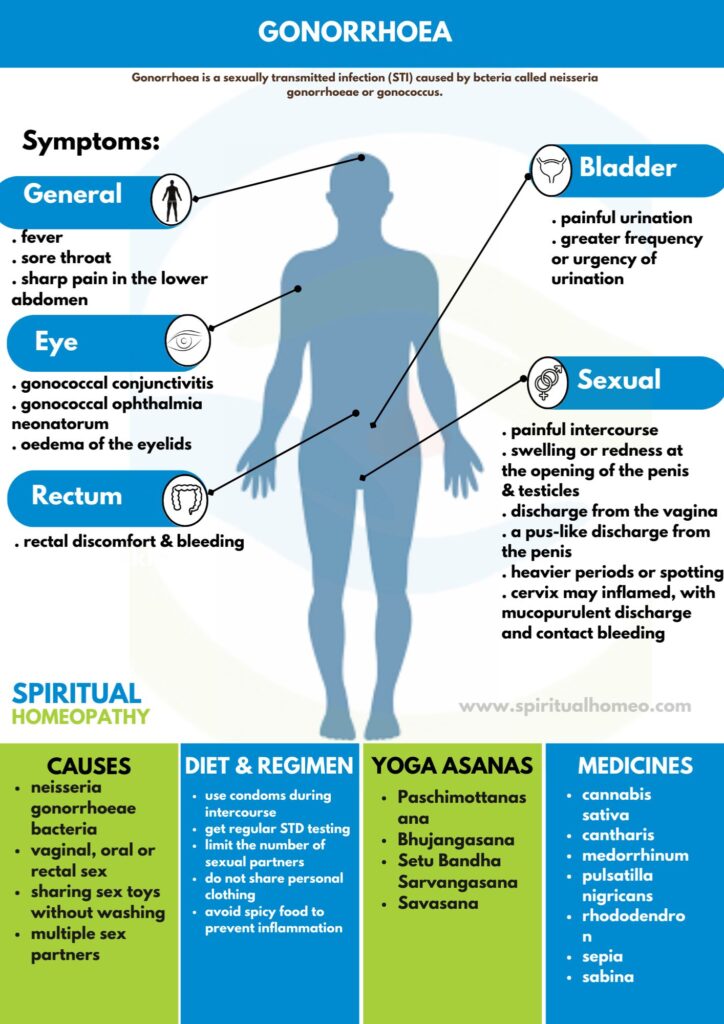
Gonorrhoea is a sexually transmitted infection (STI) caused by the bacterium Neisseria gonorrhoeae. This infection primarily affects the mucous membranes of the lower genital tract but can also involve the rectum, throat (pharynx), and even the eyes.
The most common mode of transmission is through unprotected vaginal, anal, or oral sex. In some cases, gonorrhoea can also be spread to the eyes through contact with contaminated fingers, leading to gonococcal conjunctivitis. During childbirth, an untreated mother can transmit the infection to her baby, resulting in ophthalmia neonatorum, a serious eye infection. In children beyond the newborn stage, gonorrhoea is typically a sign of sexual abuse.
People who have multiple sexual partners or engage in sex without using protection are at the highest risk of contracting gonorrhoea. Risk increases further when behaviors such as excessive alcohol use or illegal drug use—particularly intravenous drug use—are involved, as these can lead to risky sexual behavior.
To reduce the risk of infection, it is important to practice safe sex. The most effective ways to prevent gonorrhoea include:
Abstinence from sexual activity
Being in a mutually monogamous relationship with an uninfected partner
Correct and consistent use of condoms during all types of sexual activity
Overall, awareness and responsible sexual behavior play a crucial role in preventing the spread of gonorrhoea and maintaining sexual health.
Gonorrhoea is a sexually transmitted infection (STI) caused by the bacterium Neisseria gonorrhoeae. These bacteria thrive in warm, moist areas of the body and can infect various sites, including the cervix, urethra, rectum, throat, and occasionally the eyes.
Unprotected vaginal, oral, or anal sex with an infected partner is the most common mode of transmission.
Sharing sex toys without proper cleaning or without using a new condom for each person can also spread the infection.
It’s possible to transmit gonorrhoea through touch, such as using fingers to touch an infected area and then touching another part of your body or someone else’s.
Oral sex can lead to throat infections; using flavoured condoms or dental dams can help reduce this risk.
Barrier methods, such as condoms and dental dams, are the only effective forms of contraception that protect against gonorrhoea.
Other contraceptives, like birth control pills or IUDs, do not protect against STIs.
Gonorrhoea can be passed from mother to baby during delivery, potentially causing a serious eye infection called conjunctivitis in the newborn.
Pregnant or breastfeeding women can be safely treated for gonorrhoea with antibiotics to prevent complications for both mother and child.
While rare, adults can develop conjunctivitis if their eyes come into contact with the bacteria, highlighting the importance of hygiene and early treatment.
This SEO-optimized version maintains clarity, includes relevant keywords, and is tailored for human readers seeking reliable health information. Let me know if you’d like a version formatted for a website or blog post.
Gonorrhoea, caused by the bacterium Neisseria gonorrhoeae, primarily targets the mucous membranes and can affect different parts of the body. The types of gonorrhoea are classified based on the area of infection, each presenting with distinct symptoms and risks.
This is the most common form, affecting the urethra in men and the cervix in women.
Symptoms may include:
Painful urination
Unusual genital discharge
Pelvic or lower abdominal pain (more common in women)
Rectal gonorrhoea occurs due to unprotected anal intercourse.
Symptoms can include:
Rectal discharge
Itching or irritation
Pain during bowel movements
Sometimes no symptoms at all
This type affects the throat and often results from oral sex.
It may be asymptomatic or cause:
Mild sore throat
Swollen lymph nodes
Discomfort while swallowing
Although rare, gonorrhoea can infect the eyes, usually through contact with infected fluids.
Symptoms include:
Eye redness
Thick discharge from the eyes
Swelling and pain
In newborns, this is called ophthalmia neonatorum and can lead to serious eye damage or blindness if left untreated.
This is a severe, systemic form where the bacteria enter the bloodstream, spreading throughout the body.
It may cause:
Joint pain and swelling
Skin rashes or lesions
Fever and general fatigue
Early detection and prompt antibiotic treatment are crucial to avoid serious health complications and prevent the spread of infection. Practicing safe sex and regular STI testing are key steps in protecting against all types of gonorrhoea.
Would you like this formatted for a health blog or clinic website?
Gonorrhoea typically has an incubation period of 2 to 10 days, though symptoms may appear later or not at all. Many individuals remain asymptomatic, making regular screening crucial for sexually active individuals.
Men infected with gonorrhoea may not notice any immediate symptoms. In some cases, symptoms may appear a week or more after exposure, while others may remain entirely asymptomatic.
When symptoms do occur, they often begin with:
A burning or painful sensation during urination
Increased frequency or urgency to urinate
A thick pus-like discharge from the penis, which may be white, yellow, beige, or green
Swelling or redness around the opening of the penis
Testicular pain or swelling
Rectal discomfort, discharge, or bleeding in men who have sex with men (MSM)
Persistent sore throat, especially after oral exposure
On examination, a mucopurulent or purulent urethral discharge may be visible. Rectal infections in MSM are often asymptomatic, but a proctoscopy may reveal inflamed rectal mucosa or mucus discharge.
Even after treatment begins, the infection can persist in the body for a few weeks. In rare cases, it may cause long-term complications, particularly in the urethra or testicles.
Gonorrhoea is often asymptomatic in women, with up to 80% showing no obvious signs. When symptoms do appear, they are often mild and can mimic yeast infections or bacterial vaginosis, which may lead to delayed diagnosis and treatment.
The infection can affect:
The urethra
Paraurethral glands
Bartholin’s glands
The cervical canal
The rectum, either from direct anal contact or contamination
Common symptoms in women may include:
Vaginal discharge, which may be watery, creamy, or slightly green
Pain or burning during urination
An increased urge to urinate
Heavier periods or spotting between cycles
Pain during sexual intercourse
Lower abdominal or pelvic pain
Fever
Sore throat, especially in cases of oral transmission
Infections involving the cervix may cause inflammation and mucopurulent discharge, along with contact bleeding during examination. If left untreated, gonorrhoea can lead to pelvic inflammatory disease (PID), resulting in chronic pain, infertility, or ectopic pregnancy.
Following the right diet and lifestyle regimen can significantly support your body’s healing process while undergoing treatment for gonorrhoea. While antibiotics are essential for clearing the infection, your daily habits play a key role in strengthening your immune system and promoting faster recovery.
Boost immunity with Vitamin C-rich foods:
Include citrus fruits (like oranges, lemons), kiwi, tomatoes, and bell peppers to support your body’s natural defense mechanisms.
Add Zinc-rich foods:
Zinc helps combat infections and aids tissue repair. Eat pumpkin seeds, legumes, nuts, and whole grains regularly.
Include natural probiotics:
Antibiotic treatment can affect gut flora. Consume yogurt, kefir, and fermented foods to maintain healthy digestion and gut immunity.
Stay hydrated:
Drink plenty of water throughout the day to flush out toxins and support overall health.
Spicy and greasy foods – may irritate the urinary tract.
Caffeinated beverages – can cause dehydration and irritation.
Alcohol – weakens the immune system and may interfere with medication.
Processed and junk foods – low in nutrients and may slow recovery.
Get plenty of rest – Allow your body to heal by prioritizing sleep and reducing stress.
Avoid sexual activity – Until your doctor confirms the infection is completely cured, abstain to prevent transmission and reinfection.
Maintain personal hygiene – Wash hands and intimate areas regularly to prevent the spread of bacteria.
Complete the full course of prescribed antibiotics – Even if symptoms improve early, never skip or stop your medication prematurely.
Schedule a follow-up appointment – Confirm that the infection has fully cleared with your healthcare provider.
A balanced diet combined with proper care can speed up your recovery from gonorrhoea and help you return to full health safely.
While yoga cannot cure gonorrhoea, it can support overall health, immunity, stress relief, and reproductive organ function, which are important during and after treatment. The following yoga asanas help improve blood circulation to the pelvic region, enhance detoxification, and promote relaxation.
Baddha Konasana (Butterfly Pose)
Improves blood flow to the pelvic area and strengthens the groin and inner thighs.
Helps reduce pelvic discomfort and promotes flexibility in the hip region.
Bhujangasana (Cobra Pose)
Stimulates abdominal organs and helps relieve fatigue.
Encourages healthy function of the reproductive system.
Setu Bandhasana (Bridge Pose)
Strengthens the pelvic muscles and improves circulation in the lower abdomen.
Can help relieve stress and tension in the lower back.
Paschimottanasana (Seated Forward Bend)
Stretches the spine, hamstrings, and pelvic region.
Calms the mind and supports better digestion.
Supta Baddha Konasana (Reclining Bound Angle Pose)
Deeply relaxing, helps open up the hips and pelvis.
Encourages detoxification and emotional calm.
Anulom Vilom (Alternate Nostril Breathing)
Boosts immunity, reduces anxiety, and promotes overall body balance.
Always perform yoga on an empty stomach.
Focus on gentle and restorative postures.
Avoid intense or straining poses during active infection.
Consult a healthcare provider or certified yoga instructor before starting, especially during treatment.
At Spiritual Homeopathy, we embrace a holistic approach to healing that blends the science of classical homeopathy with the deeper understanding of mind-body wellness. Our mission is to offer compassionate, customized care that addresses the root cause of health concerns—physically, emotionally, and spiritually.
True healing goes beyond symptom relief. At Spiritual Homeopathy, we focus on restoring balance across all aspects of your health. Our practitioners work to uncover underlying imbalances and help activate your body’s natural healing response. This integrated method supports long-lasting wellness rather than just temporary relief.
Our highly experienced homeopathy doctors in Hyderabad take the time to truly understand your health history, current condition, and personal goals. We also provide online consultations for clients across India and worldwide. Every treatment plan is carefully tailored to suit your individual constitution and needs.
We offer a wide selection of natural, side-effect-free homeopathic remedies to support healing for various acute and chronic health conditions. All solutions are chosen to align with your unique case, ensuring the most effective and safest outcome.
Healing is a journey, and we’re here with you at every step. Our team provides regular follow-ups to track your progress, modify treatments as needed, and ensure continued improvement in your overall well-being.
✅ Experienced and empathetic practitioners
✅ Root-cause-focused treatment
✅ Safe, natural, and non-invasive solutions
✅ Support for physical, mental, and emotional health
✅ In-person and virtual care options available
Whether you’re looking to overcome a specific health challenge or enhance your overall vitality, Spiritual Homeopathy is your partner in natural healing. We’re committed to helping you live healthier, feel better, and thrive—inside and out.
Gonorrhoea is a common sexually transmitted infection (STI) caused by a type of bacteria known as Neisseria gonorrhoeae. It primarily affects the mucous membranes of the reproductive tract, but it can also infect the rectum, throat, eyes, and joints.
Gonorrhoea is caused by the transmission of bacteria during unprotected vaginal, anal, or oral sex with an infected person. It can also be spread through contaminated fingers, especially in cases of gonococcal conjunctivitis (eye infection). In pregnant women, the infection can be passed to the baby during childbirth, potentially causing eye infections in newborns.
Symptoms of gonorrhoea can vary between individuals, and in some cases, it may not cause any noticeable signs. However, common symptoms include:
A burning or painful sensation while urinating
Increased urgency or frequency of urination
Thick or pus-like discharge from the genital area
Swelling or tenderness in the genitals, including the testicles
Pain or discomfort in the rectum, especially after anal contact
Redness, inflammation, or swelling at the opening of the penis
In many women, symptoms may be mild or mistaken for other infections, making testing and early detection crucial.
Preventing gonorrhoea involves practicing safe sex:
Use condoms or dental dams during all sexual activities
Avoid sharing sex toys without proper cleaning and protection
Get regular STI screenings, especially if you have multiple partners
Maintain open communication with your partner(s) about sexual health
If left untreated, gonorrhoea can lead to serious health issues including infertility, pelvic inflammatory disease, or systemic infections. Early diagnosis and proper treatment are essential.
REFFERNCE
https://www.mayoclinic.org/diseases-conditions/gonorrhea/symptoms-causes/syc-20351774
https://www.tht.org.uk/hiv-and-sexual-health/sexual-health/stis/gonorrhoea
https://www.drhomeo.com/homeopathic-treatment/11-remedies-homeopathic-treatment-of-gonorrhea/