


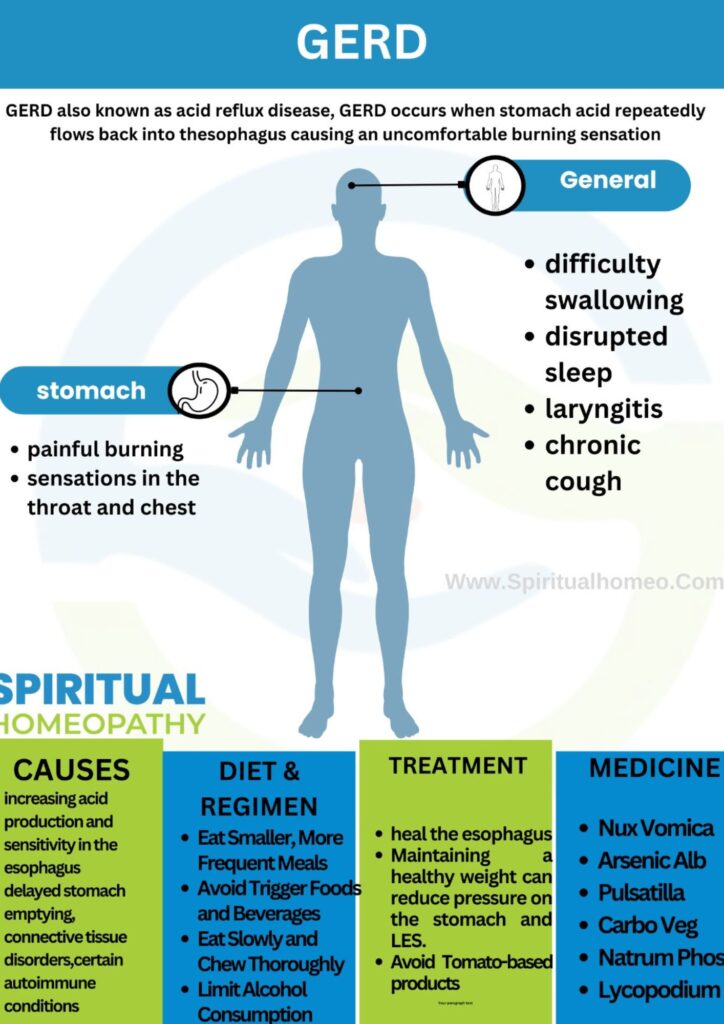
Diet and Regimen for Managing GERD
To manage GERD effectively, it’s important to focus on a balanced diet that promotes digestive health while reducing reflux symptoms. Here are some dietary guidelines to follow:
Recommended Foods:
Whole Foods: Choose natural, whole foods that are low in fat and sugar. These include:
Fruits and Vegetables: Rich in fiber, vitamins, and minerals that support overall health.
Whole Grains: Such as oats, brown rice, and whole wheat bread, which help with digestion.
Nonfat Dairy: Opt for low-fat or fat-free dairy products to avoid excess fat intake.
Lean Protein: Fish, poultry, and plant-based proteins are excellent sources of nutrition.
Foods to Avoid:
Fatty Meats: Limit consumption of fatty cuts of meat, as they can trigger reflux.
Sugary Drinks: Avoid sugary beverages, especially carbonated drinks, which can increase bloating and acid production.
Processed Foods: These often contain unhealthy fats, added sugars, and preservatives that can worsen GERD symptoms.
Fatty, Sugary Desserts: Sweets and desserts that are high in fat and sugar can lead to acid reflux.
Limit Alcohol and Caffeine:
Alcohol: If you consume alcohol, do so in moderation, as it can relax the lower esophageal sphincter and worsen reflux.
Caffeine: Limit your intake of caffeine, as it can irritate the esophagus and trigger GERD symptoms.
By following these dietary guidelines, you can help manage GERD and reduce the frequency and severity of symptoms. A healthy diet combined with proper lifestyle changes plays a vital role in improving digestive health.