
Acidity is one of the most common digestive problems, occurring when excess stomach acid irritates the stomach lining or flows back into the food pipe (acid reflux). It can cause symptoms such as heartburn, burning sensation in the chest, sour burps, indigestion, bloating, nausea, and discomfort after meals. While occasional acidity is common, frequent or persistent symptoms may indicate an underlying digestive condition such as GERD (Gastroesophageal Reflux Disease) or gastritis and should not be ignored. Seeking early acidity treatment and proper evaluation can help prevent long-term digestive complications.
At Spiritual Homeopathy, we believe in treating the root cause rather than simply suppressing symptoms. Our experienced homeopathic doctors carefully evaluate each patient’s symptoms, medical history, eating habits, stress levels, and overall health before preparing an individualized treatment plan. Our holistic approach focuses on providing natural acidity treatment, improving digestive health, reducing recurring acid reflux, and offering long-term relief from acidity through safe and personalized homeopathic care. We specialize in homeopathic treatment for acidity, acid reflux treatment, GERD treatment, and chronic digestive disorders.
We provide personalized homeopathic treatment for acidity in Hyderabad to patients of all age groups through our clinics in Hyderabad, as well as online homeopathy consultations for patients across India and in more than 100 countries worldwide. If you are looking for the best homeopathy doctor for acidity, natural acid reflux treatment, GERD homeopathy treatment, or long-term digestive wellness, Spiritual Homeopathy is committed to delivering expert, patient-centered care wherever you are.
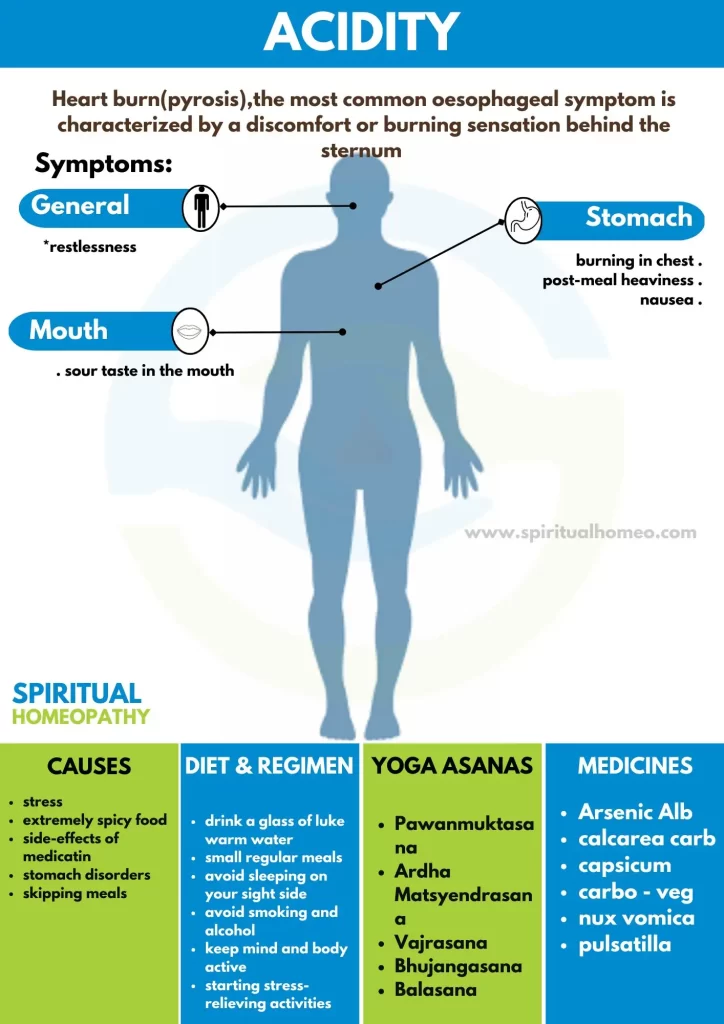
Acidity: Causes, Symptoms, and Effective Ways to Manage It Naturally
Acidity, also known as acid reflux or acid indigestion, is a common digestive issue that occurs when stomach acid flows back into the esophagus. This backflow can cause a burning sensation in the chest, commonly referred to as heartburn. Other symptoms of acidity include regurgitation of food or sour liquid, bloating, and difficulty swallowing. When acid reflux becomes chronic, it may lead to a more serious condition known as Gastroesophageal Reflux Disease (GERD).
From a scientific perspective, acidity is measured using the pH scale, which ranges from 0 to 14. A pH of 7 is neutral; below 7 is acidic, and above 7 is alkaline. In the body, maintaining a balanced pH is essential for overall health, especially when it comes to digestion.
Several dietary and lifestyle factors can trigger or worsen acidity. Common culprits include spicy foods, citrus fruits, tomatoes, caffeine, alcohol, carbonated drinks, and fatty or fried foods. Habits like overeating, eating late at night, smoking, high stress levels, and being overweight can also increase stomach acid production.
Spiritual Homeopathy Clinic offers consultation support through its multiple branches in Hyderabad, as well as online and international consultation options for individuals seeking guidance on managing digestive concerns like acidity.
What Causes Acidity? Top Triggers and Risk Factors You Should Know
Acidity, also known as acid reflux, can be caused by a variety of factors related to diet, lifestyle, and certain medical conditions. Understanding these triggers is important for managing and reducing symptoms such as heartburn, bloating, and digestive discomfort.
Common Causes of Acidity and Acid Reflux:
1. Unhealthy Diet:
Certain foods and beverages can trigger or worsen acidity. Common culprits include spicy foods, citrus fruits, tomatoes, onions, garlic, chocolate, coffee, tea, carbonated drinks, fatty or fried foods, and alcohol. These may relax the lower esophageal sphincter (LES), allowing stomach acid to flow back into the esophagus.
2. Obesity:
Excess body weight increases pressure on the stomach, which can push acid upward and contribute to acid reflux symptoms.
3. Hiatal Hernia:
This condition occurs when part of the stomach moves upward through the diaphragm, weakening the LES and increasing the likelihood of reflux.
4. Pregnancy:
Hormonal changes and increased abdominal pressure during pregnancy commonly lead to acid reflux and heartburn.
5. Smoking:
Smoking can weaken the LES and stimulate excess acid production, increasing the risk of acidity.
6. Certain Medications:
Some medications, such as pain relievers, muscle relaxants, and certain blood pressure drugs, may irritate the stomach lining or increase acid levels.
7. Stress:
Chronic stress can affect digestive function and may contribute to increased acid production and symptom flare-ups.
8. Delayed Stomach Emptying:
Conditions that slow digestion, such as gastroparesis, may lead to acid buildup and reflux.
9. Underlying Health Conditions:
Acidity may be associated with conditions like GERD (Gastroesophageal Reflux Disease), gastritis, peptic ulcers, or esophageal motility disorders.
Types of Acidity: Understanding the Differences
Acidity can be classified into several types based on symptoms, duration, and underlying causes. One common form is gastric acidity, which results from excessive acid production in the stomach. Acid reflux occurs when stomach acid flows back into the esophagus, often causing heartburn and discomfort.
A more chronic form is GERD (Gastroesophageal Reflux Disease), where reflux symptoms occur frequently and may require long-term management. There is also functional acidity, in which symptoms are present without visible structural damage to the digestive tract.
Identifying the specific type of acidity helps guide appropriate lifestyle measures and clinical management under professional supervision.
Top Symptoms of Acidity and Acid Reflux You Shouldn’t Ignore
Acidity, also known as acid reflux or heartburn, can cause a range of uncomfortable symptoms that may affect daily activities. Recognizing these signs early can help in timely management and may reduce the risk of complications such as GERD (Gastroesophageal Reflux Disease).
Common Symptoms of Acidity:
1. Heartburn
A burning sensation or discomfort in the chest, usually felt after meals, especially when lying down or bending forward. This is one of the most common signs of acid reflux.
2. Regurgitation
Backflow of stomach acid or partially digested food into the throat or mouth, often leaving a sour or bitter taste.
3. Indigestion (Dyspepsia)
Discomfort or pain in the upper abdomen, often associated with bloating, belching, or a feeling of fullness after eating.
4. Nausea
A queasy sensation or urge to vomit, sometimes accompanied by stomach discomfort or acid buildup.
5. Difficulty Swallowing (Dysphagia)
A sensation that food is getting stuck or not passing smoothly, which can be uncomfortable and concerning.
6. Chronic Cough and Hoarseness
A persistent cough, often worse at night or early morning, sometimes accompanied by hoarseness or throat irritation due to acid exposure.
7. Sore Throat
Irritation of the throat lining caused by stomach acid, leading to a dry, scratchy, or sore throat without signs of infection.
8. Dental Issues
Repeated acid exposure may affect tooth enamel, contributing to sensitivity, decay, or persistent bad breath.
9. Chest Pain
Some individuals experience chest discomfort related to acid reflux, which may resemble cardiac pain. Medical evaluation is important if chest pain occurs.
10. Sleep Disturbances
Symptoms may worsen when lying down, leading to disturbed sleep, nighttime discomfort, and morning fatigue.
Symptoms can vary in frequency and intensity among individuals. If acidity symptoms are frequent, severe, or affecting quality of life, professional consultation is advised for proper evaluation and guidance.
Diet and Regimen for Managing Acidity: Tips for Long-Term Relief
Acidity, or acid reflux, can cause discomfort and interfere with daily routines. Making appropriate dietary and lifestyle adjustments may help reduce symptoms and support better digestive comfort. The following diet and regimen measures are commonly recommended for managing acidity.
Focus on foods that may help balance stomach acid and reduce reflux symptoms:
Non-acidic fruits: Bananas, apples, pears, melons, and peaches
Alkaline vegetables: Leafy greens such as spinach and kale, broccoli, carrots, and cucumbers
Whole grains: Brown rice, oatmeal, quinoa, and whole wheat bread
Lean proteins: Skinless chicken, turkey, fish, and plant-based options like beans
Healthy fats: Avocados, olive oil, nuts, and seeds in moderation
Certain foods and beverages are known to aggravate acidity and should be limited or avoided if they worsen symptoms:
Citrus fruits such as oranges and lemons
Tomatoes and onions
Spicy, fried, or fatty foods
Chocolate and mint
Caffeinated drinks like coffee, tea, and soda
Alcohol and carbonated beverages
Dairy products, if they trigger reflux
Instead of large meals, smaller and more frequent meals can reduce pressure on the stomach and lower the likelihood of acid reflux.
Adequate water intake supports digestion and helps dilute stomach acid. It is generally advised to drink water throughout the day while avoiding excessive fluids during meals to reduce bloating.
Excess body weight may increase abdominal pressure and contribute to reflux. Gradual weight management through balanced nutrition and physical activity can help reduce acidity symptoms.
Eating close to bedtime can trigger reflux. Allowing a gap of 2–3 hours between the last meal and sleep gives the digestive system time to process food.
Remaining upright after meals and avoiding bending or lying down immediately can help prevent acid from flowing back into the esophagus.
Some foods and beverages may have a calming effect on the digestive system:
Ginger: May help soothe digestion when used in moderation
Herbal teas: Such as chamomile, which may support digestive comfort
Aloe-based preparations: Sometimes used to soothe gastric irritation
Stress can influence digestion and may worsen acidity. Stress-reduction practices may include:
Yoga or meditation
Deep breathing exercises
Regular physical activity
For nighttime reflux, elevating the head of the bed by a few inches may help reduce acid backflow during sleep.
Pro Tip: Individual responses to foods can vary. Maintaining a food and symptom diary may help identify personal triggers and guide dietary choices.
Dietary and lifestyle guidance may differ based on individual health status, symptoms, and digestive sensitivity, and should be adjusted accordingly under professional advice.
Yoga can be a supportive approach for managing acidity and acid reflux by promoting digestion, reducing stress, and encouraging relaxation. Certain yoga asanas may help relieve discomfort when practiced regularly and correctly.
Trikonasana (Triangle Pose):
This posture helps stretch the sides of the body, stimulates the digestive organs, and may assist in reducing bloating and abdominal discomfort.
Pawanmuktasana (Wind-Relieving Pose):
This pose focuses on the stomach and intestines, helping release trapped gas and supporting smoother digestion, which may reduce acidity-related discomfort.
Setu Bandhasana (Bridge Pose):
This posture helps strengthen abdominal muscles and improve circulation to digestive organs. It may support digestion when practiced with proper guidance.
Ardha Matsyendrasana (Half Spinal Twist):
This twisting pose gently massages the abdominal organs and supports digestive function, which may help reduce reflux tendencies.
Bhujangasana (Cobra Pose):
This gentle backbend supports posture, stimulates digestion, and may help ease acid-related discomfort when practiced mindfully.
Adho Mukha Svanasana (Downward-Facing Dog):
This pose supports overall circulation, helps reduce stress, and may indirectly assist digestion, as stress is a common trigger for acidity.
Yoga practices are intended as supportive measures and should not replace medical evaluation or treatment. Individuals with persistent or severe symptoms should seek professional medical guidance before starting or continuing any exercise routine.
Homeopathic Treatment for Acidity: A Holistic Approach
Acidity, also known as acid reflux or heartburn, is a common digestive concern that affects many individuals. It occurs when stomach acid flows back into the esophagus, leading to symptoms such as a burning sensation in the chest, difficulty swallowing, and digestive discomfort. While conventional approaches often focus on managing acid levels, homeopathy follows a holistic approach that considers overall digestive balance and contributing factors.
Homeopathy follows an individualized care approach, where treatment is guided by a person’s symptom pattern, lifestyle, and overall health status. Rather than focusing only on symptom suppression, homeopathic care aims to support long-term management by addressing factors that may influence digestive imbalance. This approach is generally well-tolerated when followed under professional guidance.
Homeopathic care for acidity focuses not only on physical symptoms but also on emotional and lifestyle influences that may contribute to digestive discomfort. The objective is to support balance within the body, which may help reduce the frequency and intensity of acidity episodes over time.
Personalized Treatment:
A homeopathic practitioner evaluates health history, symptom characteristics, dietary habits, and lifestyle factors to plan individualized care.
Support for Digestive Function:
Homeopathy emphasizes improving digestive regulation and supporting the body’s natural processes, which may help manage recurring acidity.
Addressing Contributing Factors:
Factors such as stress, irregular eating habits, and dietary triggers are considered as part of the overall management approach.
Emotional Well-being:
Stress and anxiety are known to influence digestion. Homeopathic care takes emotional health into account as part of a comprehensive management plan.
Homeopathic care for acidity is often used as part of a broader management strategy that includes dietary regulation and lifestyle modification. The approach focuses on consistency and long-term digestive support rather than immediate symptom control alone.
Lifestyle measures may complement homeopathic management and support digestive comfort:
Dietary regulation: Limiting trigger foods and maintaining regular meal timings
Stress management: Yoga, meditation, or relaxation practices
Sleep habits: Avoiding late meals and maintaining proper sleep posture
Physical activity: Regular, moderate exercise to support digestion
For individuals experiencing persistent or recurrent acidity symptoms, professional evaluation is recommended. Spiritual Homeopathy Clinic, with multiple branches in Hyderabad, offers in-clinic, online, and international consultations.
Homeopathy aims to support digestive balance through a personalized and holistic framework, addressing contributing factors while encouraging overall well-being under professional supervision.
You should consult a healthcare professional if your acidity symptoms become frequent, persistent, severe, or begin to interfere with your daily activities or sleep. While occasional acidity is common, recurring symptoms may indicate an underlying digestive condition such as acid reflux (GERD), gastritis, or peptic ulcer disease. Early evaluation can help identify the cause and guide appropriate treatment.
At Spiritual Homeopathy, our experienced homeopathic doctors provide individualized consultations based on your symptoms, medical history, lifestyle, and overall health. We offer consultations at our Hyderabad clinics in Kukatpally (KPHB), Chandanagar, Dilsukhnagar, and Nallagandla, along with secure online consultations for patients across India and in more than 100 countries worldwide.
To schedule a consultation, call 9069 176 176.
For immediate relief, sip on half a glass of cold milk, chew a few fennel seeds, or take an over-the-counter liquid antacid. To permanently fix acidity, avoid lying down within 3 hours of eating, maintain a healthy weight, and limit trigger foods like spicy, fried, or citrus items.
Acidity (acid reflux) occurs when excess stomach acid flows back into the food pipe. Common symptoms include:
The stomach is the organ primarily responsible for the acidity in your digestive tract. Specialized glands within the stomach lining produce hydrochloric acid (HCl) to break down food and kill harmful bacteria.
When acidity increases, it means the pH level drops, which can trigger destructive physical changes depending on where it occurs.
If the body's acid-base balance fails and your blood becomes too acidic (pH < 7.35), a condition called acidosis occurs.
To manage acidity, eat smaller, frequent meals and focus on easily digestible, low-acid, and low-fat foods. Great options include non-citrus fruits (like bananas and melons), whole grains (oatmeal, brown rice), and watery vegetables (cucumber, leafy greens). Always avoid trigger foods like caffeine, alcohol, and deep-fried or heavily spiced items.
The best exercises for acid reflux are low-impact movements that keep you upright. Walking, swimming, and stationary cycling are highly recommended. Specific yoga poses, such as the Cat-Cow stretch (practiced with diaphragmatic breathing) and Vajrasana (sitting on your heels after eating), also provide significant relief.
WhatsApp us