
Viral infections are among the most common illnesses, occurring when harmful viruses enter the body and multiply, affecting various organs and systems. These infections can involve the respiratory tract, digestive system, skin, or other parts of the body and are commonly spread through airborne droplets, direct contact, contaminated surfaces, or close contact with an infected person. Common symptoms include fever, sore throat, cough, runny nose, body aches, fatigue, headache, nasal congestion, and general weakness. While many viral infections are mild and resolve on their own, persistent or severe symptoms should not be ignored, as they may lead to complications, especially in young children, older adults, and individuals with weakened immune systems. Seeking early evaluation and appropriate treatment can help support recovery, strengthen immunity, and reduce the risk of complications.
At Spiritual Homeopathy, we believe in treating the root cause of viral infections rather than simply suppressing the symptoms. Our experienced homeopathic doctors carefully evaluate each patient’s symptoms, medical history, immune status, lifestyle, nutritional habits, stress levels, and overall health before preparing an individualized treatment plan. Our holistic approach focuses on providing natural treatment for viral infections, strengthening the body’s immune response, reducing the severity and recurrence of infections, relieving symptoms, and promoting long-term wellness through safe and personalized homeopathic care. We specialize in homeopathic treatment for viral infections, viral fever, respiratory viral infections, seasonal viral illnesses, and immune-supportive homeopathic care.
We provide personalized homeopathic treatment for viral infections in Hyderabad to patients of all age groups through our clinics in KPHB, Dilsukhnagar, Chandanagar, and Nallagandla, as well as online homeopathy consultations for patients across India and in more than 100 countries worldwide. If you are looking for the best homeopathy doctor for viral infections, natural treatment for viral fever, or long-term immune health and wellness, Spiritual Homeopathy is committed to delivering expert, patient-centered care wherever you are.
Approximately 30–50% of acute lower respiratory tract infections are caused by viruses. Among these, influenza viruses and respiratory syncytial virus (RSV) contribute significantly to the overall disease burden. These infections are particularly common and potentially serious in vulnerable populations, such as young children, older adults, and individuals with reduced immunity.
Acute viral lower respiratory tract infections commonly affect the airways and lungs, leading to symptoms that may range from mild respiratory discomfort to more pronounced breathing difficulties, depending on the individual’s health status and the severity of infection.
Clinical evaluation helps differentiate viral causes from other respiratory conditions and supports appropriate, individualized care. Consultations for assessment and guidance are available at Spiritual Homeopathy Clinic through multiple branches in Hyderabad, as well as online and international consultation options.
Influenza viruses spread primarily through airborne droplets released when an infected person coughs, sneezes, or talks. These droplets may be inhaled directly or transferred from contaminated surfaces such as phones, keyboards, or door handles to the eyes, nose, or mouth.
People infected with influenza are usually contagious from about one day before symptoms appear and up to five days after becoming ill. Children and individuals with weakened immune systems may remain contagious for a longer duration.
A key challenge with influenza is that the virus constantly evolves, with new strains emerging regularly. This makes it difficult for the immune system to maintain long-term protection. If you have had influenza previously or received a flu vaccine, your body develops antibodies against that specific strain, which may help reduce severity if exposed to a similar virus.
Over time, however, antibody levels can decline, and prior immunity may not fully protect against newer or significantly different strains. This is why annual influenza vaccination is recommended to address currently circulating viruses.
Understanding these contributing factors helps guide individualized care, as susceptibility and response to infection can vary based on age, immunity, exposure risk, and overall health.
Influenza Type A is the most common form and is classified based on surface proteins known as haemagglutinin (HA) and neuraminidase (NA). There are 16 HA subtypes and 9 NA subtypes, which can combine in different ways to create new viral variations. This ongoing variation contributes to the emergence of new influenza strains.
Influenza A viruses undergo a process called antigenic drift, where small genetic changes accumulate over time. This gradual change is one reason influenza patterns vary each year.
Poultry and other birds act as natural reservoirs for Influenza Type A, which can lead to seasonal outbreaks and, in some situations, widespread transmission.
Influenza Type B primarily affects humans and has been responsible for several epidemics. Unlike Type A, it does not usually cause pandemics. It has fewer subtypes and shows less genetic variation, resulting in relatively stable circulation patterns from year to year.
Influenza Type C is less common and typically causes mild respiratory illness, particularly in adults. It is not usually associated with large outbreaks or epidemics.
Influenza Types A and B share similar clinical features, which may include:
Fever
Chills
Body aches
Fatigue
Cough
Sore throat
Runny nose
If these symptoms are persistent, severe, or worsening, medical evaluation is advised to guide appropriate care.
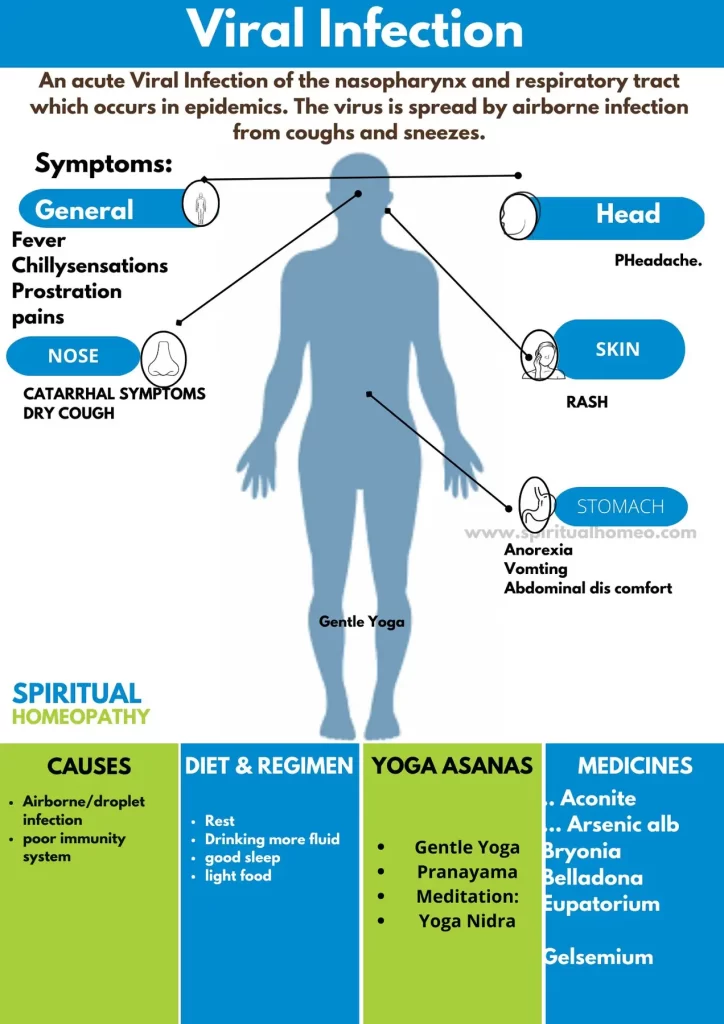
The onset of influenza A and B is usually sudden and often begins with high fever, chills, and a general feeling of weakness or exhaustion (prostration). Other early symptoms commonly include headache, body aches, dry cough, and catarrhal symptoms such as a runny nose and sore throat. In some cases, an erythematous rash (red, inflamed skin) may also be observed.
Symptoms:
This type is marked by constitutional symptoms including fever, fatigue, headache, severe body aches, nasal congestion, and congestion of the eyes and throat. Rapid exhaustion is common, often accompanied by a dry cough, with few or no prominent chest symptoms.
Duration:
Fever generally lasts 4 to 6 days, and a relative bradycardia (slower-than-expected heart rate) may be noted during this phase.
Symptoms:
This form primarily affects the lower respiratory tract and may progress to bronchitis or bronchopneumonia. Complications such as pleurisy (inflammation of the lung lining) and empyema (collection of pus in the chest cavity) may occur.
Pneumonia Forms:
Fulminating Pneumonia: A rapidly progressive and severe form of pneumonia that may develop early in the course of influenza.
Progressive Pneumonia: Pneumonia symptoms typically appear between the 2nd and 4th day, with fine crackling sounds (crepitations) heard on chest examination. Sputum may appear pinkish, frothy, or thick and discolored.
Late Pneumonia: Pneumonia may develop after apparent recovery, usually between the 4th and 10th day.
Symptoms:
This type may present with low-grade temperature (below 37.5°C), marked loss of appetite, vomiting, and abdominal discomfort. Diarrhea, abdominal bloating (tympanites), and persistent fever may sometimes mimic illnesses such as typhoid fever.
Symptoms:
A severe form characterized by toxemia, cyanosis (bluish discoloration of the skin due to reduced oxygen), and rapid cardiac failure. This presentation requires urgent medical evaluation.
Symptoms:
This form is associated with intense headaches, which may progress to delirium, along with significant mental and physical depression that can persist even after the acute phase resolves. In some cases, true meningitis may develop.
Goal: Stay adequately hydrated to support the body during infection and help replace fluid losses.
Water:
Drink 8–10 cups of water daily to maintain hydration and support normal bodily functions.
Herbal Teas:
Warm herbal teas such as ginger, chamomile, or peppermint may help soothe the throat and support digestion.
Electrolyte Drinks:
Options like coconut water or low-sugar electrolyte drinks can help maintain electrolyte balance, especially during fever, vomiting, or diarrhea.
Broth:
Bone broth or vegetable broth provides fluids along with essential nutrients that support recovery.
Goal: Include foods rich in vitamins, minerals, and antioxidants to support immune function.
Vitamin C–Rich Foods:
Citrus fruits, bell peppers, strawberries, kiwi, and broccoli help support immune activity and tissue repair.
Vitamin A–Rich Foods:
Sweet potatoes, carrots, spinach, and kale contribute to immune defense and help maintain healthy mucous membranes.
Zinc-Rich Foods:
Lean meats, shellfish, legumes, nuts, seeds, and dairy products support immune cell function.
Garlic:
Garlic is commonly included in diets for its antimicrobial-supportive properties and can be added to soups or meals.
Ginger:
Ginger may help reduce inflammation and ease digestive discomfort and can be taken as tea or added to foods.
Goal: Choose foods that are easy to digest while still providing energy and nutrients.
BRAT Diet (if nausea or diarrhea is present):
Bananas, rice, applesauce, and toast are mild foods that reduce digestive strain.
Oatmeal or Porridge:
A warm, soothing option that is generally well tolerated during illness.
Plain Rice or Pasta:
Simple carbohydrates help maintain energy levels without overburdening digestion.
Goal: Protein intake supports tissue repair and normal immune responses.
Lean Proteins:
Skinless chicken, fish, eggs, tofu, and turkey are commonly recommended sources.
Plant-Based Proteins:
Beans, lentils, quinoa, and chickpeas are suitable alternatives for those following plant-based diets.
Goal: A balanced gut environment plays a role in immune regulation.
Yogurt:
Plain, unsweetened yogurt with live cultures may help support gut flora.
Kefir:
A fermented dairy beverage that contributes beneficial bacteria for digestion.
Fermented Foods:
Sauerkraut, kimchi, miso, and tempeh can be included to support gut health.
Goal: Support the body’s natural recovery process by reducing inflammatory stress.
Turmeric:
Often added to foods for its anti-inflammatory properties.
Berries:
Blueberries, strawberries, and raspberries provide antioxidants that support cellular health.
Leafy Greens:
Spinach, kale, and Swiss chard contribute vitamins and minerals important during recovery
Yoga practices can play a supportive role in managing discomfort associated with painful periods by promoting relaxation, circulation, and stress reduction. These practices are not a replacement for medical care and should be performed within individual comfort limits.
Benefits:
Calms the mind
Reduces stress
Helps with deep breathing
Supports overall relaxation
How to do it:
Sit comfortably with your legs crossed and your spine straight. Place your hands on your knees, palms facing upward. Close your eyes and focus on your breath, taking slow, deep inhalations and exhalations.
Benefits:
Opens up the chest
Promotes deep breathing
Relieves tension in the back
Improves circulation
How to do it:
Lie flat on your stomach with legs extended. Place your hands under your shoulders. As you inhale, gently lift your chest using your back muscles, keeping elbows slightly bent and shoulders relaxed.
Benefits:
Strengthens the lower back
Opens the chest and pelvic region
Improves circulation
Helps reduce stress
How to do it:
Lie on your back with knees bent and feet flat on the floor. Press your feet into the ground and lift your hips slowly, keeping thighs parallel and breathing steadily.
Benefits:
Boosts circulation
Reduces fatigue
Improves overall flexibility
Supports respiratory rhythm
How to do it:
From a tabletop position, lift your hips upward, straighten your legs as comfortable, and keep your head relaxed between your arms.
Benefits:
Encourages calm breathing
Reduces anxiety and stress
Supports relaxation during discomfort
How to do it:
Sit comfortably and practice slow, deep breathing by inhaling through the nose, pausing briefly, and exhaling gently. Continue for 5–10 minutes.
Benefits:
Reduces fatigue
Promotes relaxation
Supports pelvic circulation
How to do it:
Lie on your back with legs resting vertically against a wall. Keep arms relaxed and focus on slow breathing for several minutes.
Benefits:
Relieves tension in the spine
Improves circulation
Encourages gentle spinal mobility
How to do it:
Move slowly between arching and rounding the spine with coordinated inhalation and exhalation.
Benefits:
Improves posture
Enhances body awareness
Supports balance and stability
How to do it:
Stand upright with feet hip-width apart. Stretch arms upward, breathe evenly, and maintain alignment.
Benefits:
Promotes deep relaxation
Reduces stress perception
Allows the body to rest
Homeopathy follows a holistic approach that focuses on understanding the individual and the underlying factors contributing to illness. The approach emphasizes gentle support to the body’s natural healing processes and is based on personalized assessment rather than a one-size-fits-all method. Care is planned according to age, symptoms, and overall health status, and is generally well-tolerated under professional guidance.
At Spiritual Homeopathy Clinic, we follow principles of holistic healing and individualized care. Our focus is on understanding the interaction between physical symptoms, emotional well-being, and lifestyle factors. The goal is to support balance within the body and promote long-term management rather than symptom suppression. Consultations are available across multiple branches in Hyderabad, as well as through online and international consultation options.
At Spiritual Homeopathy Clinic, care is based on traditional homeopathic principles combined with careful case evaluation. Practitioners focus on listening to the patient’s concerns, medical history, and overall health patterns to guide individualized care plans. This approach allows treatment to be tailored to the person rather than only the condition.
We recognize that health concerns often arise from a combination of physical, emotional, and environmental factors. Treatment planning therefore aims to address contributing factors and support the body’s natural regulation over time. The focus remains on long-term management, regular assessment, and adapting care as the individual’s condition evolves.
You should consult a healthcare professional if symptoms of a viral infection become persistent, worsen over time, or begin to interfere with daily activities. Early evaluation helps assess the severity of the infection, monitor recovery, and reduce the risk of complications.
Seek consultation if you experience:
Fever lasting more than a few days or returning after initial improvement
Persistent fatigue, weakness, or body aches
Cold, cough, sore throat, or nasal congestion that does not improve
Headache, muscle pain, or joint discomfort
Nausea, vomiting, or diarrhea lasting several days
Difficulty breathing or chest discomfort
Symptoms that disrupt sleep or normal daily routines
Symptoms not improving with rest, hydration, and basic supportive care
At Spiritual Homeopathy Clinic, consultations are available at multiple branches in Hyderabad, including Kukatpally, Chandanagar, Dilsukhnagar, and Nallagandla. Online and international consultations are also available for individuals who cannot visit in person. A professional assessment supports an individualized care approach based on symptoms, duration, and overall health status.
For appointments or guidance, contact 9069 176 176.
Viral infections typically resolve on their own within a few days to two weeks. Most common colds last 7 to 10 days, while the flu and COVID-19 typically run their course in 5 to 14 days. However, complications or lingering symptoms like coughs and fatigue can persist for up to 3 to 8 weeks.
Colds, flu, COVID-19 and allergies can often have very similar and overlapping symptoms. Getting plenty of rest, fluids and nutritious foods are the best ways to support your immune system when you are sick. Antibiotics do not treat colds, flu, COVID-19, seasonal allergies, or most sore throats.
You cannot kill a virus instantly, but you can dramatically speed up recovery and reduce symptom severity. The best approach is to act at the first sign of illness.
The physician would recommend antiviral therapy to get rid of viruses. The treatment depends on the type of virus and its severity. Antiviral drugs, if given within 2 days after the onset of the symptoms, will prevent the infection and replication of viruses.
Yes, turmeric (specifically its active compound, curcumin) exhibits broad-spectrum antiviral properties in laboratory studies. It limits viral replication and disrupts viral envelopes for various viruses, including influenza, HIV, herpes, and coronaviruses. However, its low bioavailability means dietary amounts are generally not potent enough to treat active infections.
Recent evidence has indicated that vitamin D also plays an essential role in the immune response against viral infections and suggested that vitamin D deficiency increases susceptibility to viral infections as well as the risk of recurrent infections.