Complete Guide to Urinary Tract Infections (UTI): Symptoms, Causes, and Effective Treatments

Complete Guide to Urinary Tract Infections (UTI): Symptoms, Causes, and Effective Treatments
A Urinary Tract Infection (UTI) is one of the most common bacterial infections, occurring when harmful bacteria enter the urinary system, which includes the kidneys, ureters, bladder, and urethra. UTIs can range from mild bladder infections (cystitis) to more serious kidney infections (pyelonephritis). Some individuals may have asymptomatic bacteriuria (ASB) without noticeable symptoms, while others experience burning during urination, frequent or urgent urination, lower abdominal or pelvic pain, cloudy or foul-smelling urine, blood in the urine, and fever. Although occasional UTIs are common, especially in women, recurrent or persistent infections should not be ignored, as they may lead to kidney damage or other complications. Seeking early UTI treatment and proper evaluation can help prevent long-term urinary tract problems.
At Spiritual Homeopathy, we believe in treating the root cause of urinary tract infections rather than simply suppressing the symptoms. Our experienced homeopathic doctors carefully evaluate each patient’s symptoms, medical history, urinary habits, hydration, lifestyle, immune health, and overall well-being before preparing an individualized treatment plan. Our holistic approach focuses on providing natural treatment for UTIs, supporting urinary tract health, reducing recurrent infections, strengthening the body’s natural defenses, and offering long-term relief through safe and personalized homeopathic care. We specialize in homeopathic treatment for urinary tract infections (UTIs), recurrent UTIs, cystitis, bladder infections, and other urinary system disorders.
We provide personalized homeopathic treatment for urinary tract infections in Hyderabad to patients of all age groups through our clinics in KPHB, Dilsukhnagar, Chandanagar, and Nallagandla, as well as online homeopathy consultations for patients across India and in more than 100 countries worldwide. If you are looking for the best homeopathy doctor for UTI, natural treatment for urinary tract infections, homeopathic treatment for recurrent bladder infections, or long-term urinary health, Spiritual Homeopathy is committed to delivering expert, patient-centered care wherever you are.
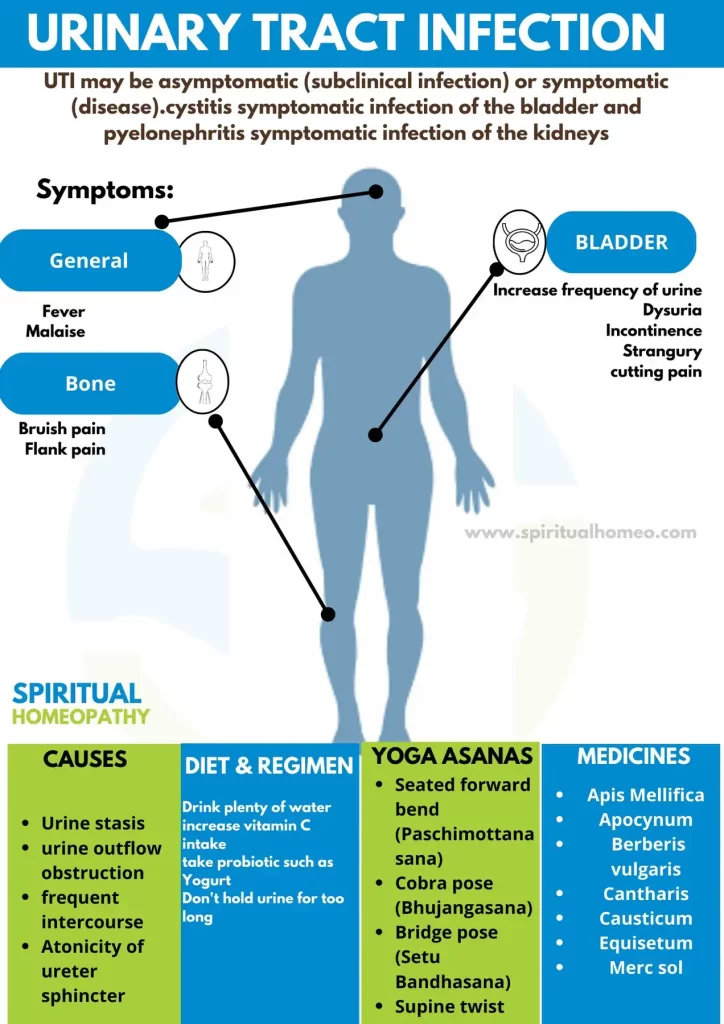
The term urinary tract infection (UTI) typically refers to symptomatic conditions such as cystitis (bladder infection) and pyelonephritis (kidney infection). An uncomplicated UTI usually involves acute cystitis or pyelonephritis in healthy, nonpregnant women without anatomical abnormalities or urinary tract devices. In contrast, a complicated UTI includes all other types, such as those occurring in men, pregnant women, or individuals with catheters or structural urinary tract issues.
Recurrent UTIs are not always considered complicated; individual episodes may still be uncomplicated and can often be managed as such. Catheter-associated bacteriuria may be either symptomatic (CAUTI) or asymptomatic, depending on the presence of clinical features.
UTIs are significantly more common in females between the ages of 1 and 50 due to anatomical and hormonal factors. However, during the neonatal period, male infants show slightly higher UTI rates, often related to congenital urinary tract anomalies. After the age of 50, men experience an increased incidence of UTIs, primarily due to urinary obstruction from prostatic enlargement, which narrows the difference in prevalence between men and women.
Asymptomatic bacteriuria (ASB) affects approximately 5% of women aged 20–40 and up to 40–50% of older adults of all genders. Overall, an estimated 50–80% of women will experience at least one UTI during their lifetime, with most cases presenting as uncomplicated cystitis.
Patients seeking further evaluation or long-term management options may consult qualified practitioners at Spiritual Homeopathy Clinic, which offers in-clinic consultations across multiple branches in Hyderabad, along with online and international consultation options
Urinary tract infections (UTIs) occur when microorganisms—most commonly bacteria—enter the urethra and bladder, leading to inflammation and infection. While UTIs usually affect the urethra and bladder, bacteria can sometimes ascend through the ureters and involve the kidneys as well.
Over 90% of bladder infections (cystitis) are caused by Escherichia coli (E. coli), a bacterium that normally lives in the intestines. Some women are genetically more prone to UTIs, while others are at increased risk due to the structure of their urinary tract, which can make bacterial entry easier.
Women with diabetes face a higher risk because reduced immune response can limit the body’s ability to control infections. Other contributing factors include hormonal changes, multiple sclerosis, and conditions that interfere with normal urine flow, such as kidney stones, stroke, or spinal cord injuries.
Understanding these underlying causes helps guide an individualized care approach, as risk factors and triggers can vary significantly from one person to another.
Urinary tract infections are categorized based on the part of the urinary system they affect. Each type has distinct features, symptoms, and clinical considerations:
Cystitis is the most common type of UTI and is usually caused by Escherichia coli (E. coli), a bacterium commonly found in the gastrointestinal (GI) tract. In some cases, other bacteria may also be involved. While sexual activity can increase the risk, cystitis can occur even in individuals who are not sexually active.
Why women are more at risk:
The short distance between the urethra and the anus, as well as the proximity of the urethral opening to the bladder, allows bacteria to travel more easily and cause infection.
Common symptoms include:
Frequent urge to urinate
Pain or burning during urination
Lower abdominal discomfort
Cloudy or blood-tinged urine
Urethritis occurs when bacteria spread from the anus to the urethra. In women, the close anatomical proximity of the urethra to the vagina means that sexually transmitted infections (STIs) such as chlamydia, gonorrhea, herpes, and mycoplasma may also contribute to urethral inflammation.
Symptoms may include:
Burning sensation during urination
Vaginal or urethral discharge
Discomfort or irritation while urinating
Pyelonephritis is a more serious form of UTI that develops when infection spreads upward from the bladder to the kidneys. It requires timely medical evaluation due to the risk of systemic involvement.
Symptoms of pyelonephritis can include:
High fever and chills
Nausea and vomiting
Pain in the upper back or side (flank pain)
Fatigue and a general feeling of illness
Early identification of the UTI type helps guide appropriate, individualized management, especially in recurrent or severe cases.
Recognizing the symptoms of a UTI early is important for timely evaluation and to reduce the risk of complications. While symptoms may vary depending on which part of the urinary tract is affected, the most common signs include:
A strong, persistent urge to urinate
A burning sensation during urination
Frequent urination with only small amounts of urine passed
Cloudy or murky urine
Urine that appears red, pink, or cola-colored, indicating the presence of blood
Strong or foul-smelling urine
Pelvic pain in women, especially in the lower abdomen or around the pubic bone
If these symptoms are frequent, persistent, or associated with fever or back pain, medical consultation is advised to rule out kidney involvement and guide appropriate care. Consultation is available at Spiritual Homeopathy Clinic across its Hyderabad branches, as well as through online and international consultations, based on individual needs.
Making appropriate dietary and lifestyle choices can help relieve symptoms of a UTI and reduce the risk of recurrence. The following guidance focuses on supporting urinary health alongside medical evaluation and individualized care.
Drink plenty of water: Aim for about 8–10 cups daily to help dilute urine and flush bacteria from the urinary tract.
Herbal teas: Mild teas such as chamomile, peppermint, or green tea may help soothe the urinary tract.
Coconut water: Can support hydration and promote urine flow in some individuals.
Unsweetened cranberry juice or whole cranberry products may help reduce bacterial adherence to the bladder lining in some people.
Note: Avoid sweetened cranberry beverages, which may irritate the bladder.
Include probiotic-rich foods such as yogurt, kefir, kimchi, and sauerkraut.
These may help maintain microbial balance, particularly in individuals with recurrent UTIs.
Foods like oranges, kiwis, strawberries, bell peppers, and broccoli support immune function.
Increased vitamin C intake may help create a less favorable environment for bacterial growth in urine for some people.
Whole grains, leafy greens, and fruits support digestive health and regular bowel movements, which can reduce pressure on the bladder.
Garlic, watermelon, and cucumbers are commonly included in supportive diets due to their hydration and general wellness benefits.
Some foods and beverages may aggravate bladder irritation, particularly during active symptoms:
Caffeine (coffee, tea, sodas)
Alcohol
Spicy foods
Artificial sweeteners
Highly acidic foods, such as citrus and tomatoes (may vary by individual)
Stay hydrated throughout the day.
Urinate regularly; avoid holding urine for long periods.
Practice proper hygiene, including wiping front to back and wearing breathable cotton underwear.
Apply gentle heat to the lower abdomen to ease discomfort, if needed.
Get adequate rest and manage stress, as overall immunity plays a role in recovery.
Dietary and lifestyle recommendations may vary from person to person, depending on overall health, recurrence patterns, and associated conditions. Professional guidance helps tailor these measures appropriately.
Consultation for UTI evaluation and supportive care is available at Spiritual Homeopathy Clinic across its Hyderabad branches, as well as through online and international consultations, based on individual needs.
The following yoga asanas and breathing techniques are commonly used as supportive measures to promote relaxation, circulation, and overall well-being. They are not a substitute for medical evaluation or treatment, especially during active urinary tract infections.
Benefits: Stimulates abdominal organs, supports circulation in the lower abdomen, and may aid overall kidney and urinary health.
How to do:
Lie on your stomach with hands under the shoulders.
Inhale and gently lift your chest using your back muscles and arms.
Hold for 15–30 seconds, breathing steadily.
Benefits: Opens the pelvic region, reduces lower abdominal tension, and promotes relaxation.
How to do:
Lie on your back, bring the soles of your feet together, and let your knees fall open.
Place your hands on your abdomen and relax for 2–5 minutes.
Benefits: Stimulates pelvic organs, strengthens the lower back, and improves circulation.
How to do:
Lie on your back with knees bent and feet hip-width apart.
Press into your feet and lift your hips.
Hold for 30 seconds to 1 minute.
Benefits: Supports digestion, encourages mindful breathing, and may help relieve pelvic discomfort.
How to do:
Sit on your heels with the spine straight.
Breathe deeply and remain in this position for 5–10 minutes, preferably after meals.
Benefits: Opens the hips, stretches pelvic muscles, and supports normal pelvic function.
How to do:
Squat with feet flat, keep the spine upright, and bring palms together at the chest.
Hold for 30 seconds to 1 minute.
Benefits: Gently massages abdominal organs, helps relieve bloating, and promotes relaxation.
How to do:
Lie on your back, draw both knees toward the chest, and wrap your arms around them.
Hold for 1–2 minutes with slow, deep breathing.
Anulom Vilom (Alternate Nostril Breathing): Helps reduce stress and supports autonomic balance.
Bhramari (Bee Breathing): Calms the nervous system and supports emotional well-being.
Benefits: Stress management through pranayama may be helpful, as stress can influence recurrent urinary symptoms.
These practices should be done gently and avoided during acute pain, fever, or severe discomfort. Individual suitability may vary, and guidance from a qualified professional is advised.
Homeopathy is a complementary system of care that focuses on understanding the underlying causes of illness, rather than addressing symptoms alone. It works by supporting the body’s natural regulatory mechanisms and emphasizes individualized care based on physical, emotional, and lifestyle factors.
When used under professional guidance, homeopathic care is generally well-tolerated and is considered suitable for people of different age groups, as part of a long-term health management approach.
Homeopathy may be considered for both acute conditions and chronic health concerns, with treatment plans adapted to the individual’s overall health status and needs.
At Spiritual Homeopathy Clinic, care is provided through a structured, patient-focused approach that integrates classical homeopathic principles with attention to emotional and lifestyle factors that may influence health. The focus remains on addressing contributing factors and supporting overall well-being in a medically responsible manner.
Consultations are available at multiple branches in Hyderabad, as well as through online and international consultation options, allowing continuity of care based on patient preference and clinical suitability.
The clinical approach at Spiritual Homeopathy Clinic is based on careful assessment and individualized planning:
Individualized evaluation: Each patient is assessed based on medical history, current symptoms, and personal health patterns.
Long-term management perspective: Care plans are designed with an emphasis on gradual improvement and ongoing monitoring.
Professional oversight: Treatment decisions are made under qualified medical supervision, with regular follow-ups as needed.
1. In-Depth Consultation
A detailed consultation helps in understanding physical symptoms, lifestyle factors, and emotional stressors that may be relevant to the condition. This forms the basis for individualized care planning.
2. Individualized Homeopathic Care
The approach focuses on selecting care strategies that align with the patient’s overall health profile and clinical needs, rather than a one-size-fits-all method.
3. Follow-Up and Monitoring
Periodic follow-ups allow for monitoring progress and making appropriate adjustments, supporting consistent and responsible long-term care.
At Spiritual Homeopathy Clinic, patient well-being is approached with clinical responsibility and clear communication. Care is intended to complement overall medical management and does not replace emergency or specialist care when required.
You should consult a healthcare professional if urinary symptoms appear suddenly, persist, or begin to interfere with daily comfort and routine. Early evaluation helps identify the cause of infection and reduces the risk of complications involving the bladder or kidneys.
Seek consultation if you experience:
Burning or pain while passing urine
Frequent urge to urinate, even with little urine output
Cloudy, strong-smelling, or bloody urine
Lower abdominal or pelvic discomfort
Fever, chills, or general weakness
Pain in the lower back or sides (flank pain)
Symptoms that return repeatedly or do not improve with basic hygiene and fluid intake
At Spiritual Homeopathy Clinic, consultations are available at multiple branches in Hyderabad, including Kukatpally, Chandanagar, Dilsukhnagar, and Nallagandla. Online and international consultations are also available for individuals who cannot visit in person. A professional assessment supports an individualized care approach based on symptoms, medical history, and overall health.
For appointments or guidance, contact 9069 176 176.
Urinary tract infections (UTIs) occur when bacteria, primarily E. coli from the digestive tract, enter the urethra and multiply in the bladder.
The fastest way to cure a urinary tract infection (UTI) is with prescription antibiotics, which usually relieve symptoms within 24 to 48 hours. Seek immediate medical attention via telehealth or urgent care to get a targeted medication, such as nitrofurantoin or trimethoprim-sulfamethoxazole.
Taking antibiotics, prescribed by a healthcare provider, at home can treat most UTIs. Your healthcare provider might also recommend medicine to help lessen the pain or discomfort. Some cases may require treatment in a hospital.
While managing a bladder infection (UTI), completely avoid or strictly limit caffeine, alcohol, spicy foods, acidic fruits (like lemons and tomatoes), artificial sweeteners, and sugary beverages. These items irritate the bladder lining, increase burning and urgency, and can interfere with the effectiveness of your antibiotics.
Home remedies cannot replace antibiotics for a bacterial urinary tract infection (UTI). To safely manage symptoms and prevent complications while awaiting medical treatment, immediately increase your water intake, take over-the-counter pain relievers, and use a warm compress on your lower abdomen for relief.
While laboratory studies show that clove (and its active compound eugenol) possesses antimicrobial properties against UTI-causing bacteria like E. coli, there is not enough clinical evidence to recommend it as a primary cure. Relying solely on herbal remedies for an active urinary tract infection can be dangerous, as untreated UTIs may lead to severe kidney infections.