
Anaemia is a common blood condition that occurs when the body does not have enough healthy red blood cells or haemoglobin to carry adequate oxygen to its tissues. It can cause symptoms such as fatigue, weakness, pale skin, dizziness, shortness of breath, headaches, cold hands and feet, poor concentration, and a rapid heartbeat. Anaemia may develop due to iron deficiency, vitamin deficiencies, chronic illnesses, blood loss, inherited disorders, or other underlying medical conditions. While mild anaemia may not always cause noticeable symptoms, persistent tiredness, weakness, or recurrent anaemia should not be ignored. Seeking early evaluation and appropriate treatment can help identify the underlying cause and reduce the risk of long-term health complications.
At Spiritual Homeopathy, we believe in identifying and addressing the root cause rather than simply focusing on symptom relief. Our experienced homeopathic doctors carefully evaluate each patient’s symptoms, medical history, dietary habits, lifestyle, stress levels, laboratory findings, and overall health before preparing an individualized treatment plan. Our holistic approach focuses on supporting overall health, improving vitality, enhancing general well-being, and providing safe and personalized homeopathic care. We provide homeopathic treatment for anaemia, iron deficiency-related health concerns, nutritional imbalances, and other chronic health conditions as part of a comprehensive treatment approach.
We offer personalized homeopathic treatment for anaemia in Hyderabad to patients of all age groups through our clinics in Hyderabad, along with online homeopathy consultations for patients across India and in more than 100 countries worldwide. If you are looking for the best homeopathy doctor for anaemia, supportive care for iron deficiency, or personalized homeopathic treatment for blood health and overall wellness, Spiritual Homeopathy is committed to providing expert, patient-centered care wherever you are.
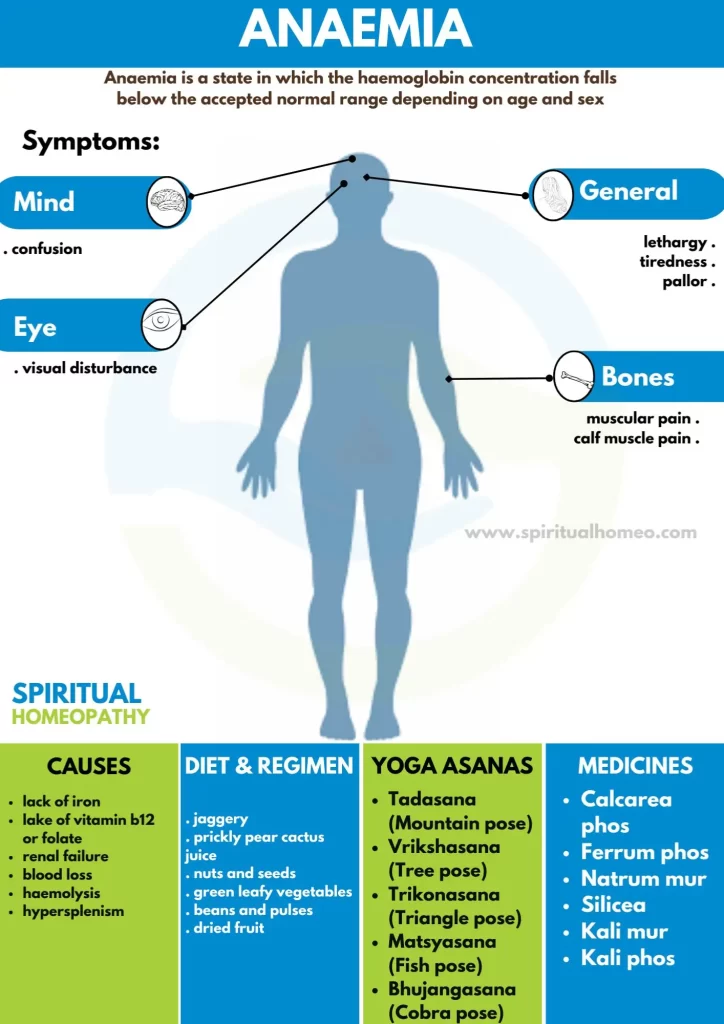
Anaemia is a medical condition that occurs when there is a lower-than-normal number of red blood cells or when red blood cells do not contain sufficient haemoglobin. Haemoglobin is the protein responsible for carrying oxygen from the lungs to the rest of the body. When haemoglobin levels are reduced, or red blood cells are abnormal or insufficient, oxygen delivery to tissues is compromised, leading to symptoms such as fatigue, weakness, dizziness, and shortness of breath.
Anaemia can vary in severity and underlying cause, making proper evaluation important. Consultation and guidance are available at Spiritual Homeopathy Clinic through its multiple branches in Hyderabad, as well as online and international consultation options, based on individual needs.
Anaemia can develop due to various underlying factors that either reduce red blood cell production or increase their loss or destruction. Understanding the cause is essential for appropriate evaluation and management.
This occurs when the bone marrow does not produce enough healthy red blood cells, commonly due to:
Iron deficiency, vitamin B12 deficiency, or folate deficiency
Bone marrow disorders such as hypoplasia or myelodysplasia
Bone marrow invasion by malignant (cancerous) cells
Chronic kidney disease, where reduced erythropoietin levels impair red blood cell production
Anaemia of chronic disease, often associated with long-term illnesses such as infections, cancer, or autoimmune disorders
In some cases, red blood cell production is normal, but cells are lost or destroyed faster than they can be replaced. This may result from:
Acute or chronic blood loss due to injuries or internal bleeding
Haemolysis, where red blood cells break down prematurely
Hypersplenism, in which the spleen removes blood cells more rapidly than normal
Pregnancy, which increases blood volume and iron requirements
Menorrhagia (heavy menstrual bleeding)
Gastrointestinal bleeding caused by ulcers or other conditions
Poor dietary intake, particularly in strict vegans with inadequate vitamin B12
Parasitic infections such as hookworm, which contribute to ongoing blood loss
A subnormal haemoglobin level reduces the blood’s capacity to transport oxygen efficiently, leading to common symptoms such as fatigue, breathlessness, dizziness, and pale skin.
Because anaemia can arise from multiple and overlapping causes, assessment and care are typically individualized based on the underlying contributing factors. Consultation support is available at Spiritual Homeopathy Clinic through its Hyderabad branches, as well as online and international consultations when required.
Anaemia can affect many parts of the body, particularly tissues with high oxygen demand such as the heart, central nervous system (CNS), and skeletal muscles—especially during physical activity. Anaemia is commonly classified based on its underlying cause (etiological classification) or by the size and haemoglobin content of red blood cells (morphological classification).
Acute blood loss due to trauma or surgery
Chronic blood loss associated with conditions such as gastrointestinal bleeding or heavy menstrual periods
a) Genetic Disorders of Haemoglobin Synthesis
Thalassemia syndromes – inherited disorders affecting haemoglobin production
b) Nutritional Deficiencies Affecting Haemopoiesis
Iron deficiency anaemia – commonly related to inadequate intake, chronic blood loss, or increased physiological demand
Megaloblastic anaemia – associated with deficiency of vitamin B12, folic acid, or vitamin C
Protein-energy malnutrition – which can impair normal red blood cell formation
Characterised by premature destruction of red blood cells
May result from inherited disorders or acquired causes such as infections or autoimmune conditions
Aplastic anaemia – reduced or absent bone marrow production of blood cells
Pure red cell aplasia – selective failure of red blood cell production
Anaemia of chronic disease – commonly linked to long-standing infections, inflammation, or kidney and liver disorders
Drug-induced anaemia – where certain medications interfere with red blood cell production
Bone marrow infiltration – seen in conditions such as leukaemia, lymphoma, metastatic cancer, or myelosclerosis
Microcytic, hypochromic anaemia – red blood cells are smaller than normal with reduced haemoglobin content, commonly seen in iron deficiency and thalassemia
Normocytic, normochromic anaemia – red blood cells appear normal in size and colour but are reduced in number, often associated with acute blood loss or chronic disease
Macrocytic anaemia – red blood cells are larger than normal, frequently linked to vitamin B12 or folate deficiency
Because anaemia presents in multiple forms with different underlying mechanisms, clinical evaluation and care are typically individualized, with consultation support available through Spiritual Homeopathy Clinic’s Hyderabad branches, as well as online and international consultations.
Anaemia can present with a wide range of symptoms depending on its severity, the underlying cause, and the age of the individual. In many cases, mild anaemia may go unnoticed; however, as the condition progresses, multiple body systems can be affected due to reduced oxygen delivery to tissues.
When anaemia becomes symptomatic, individuals may experience:
Persistent tiredness and fatigue
Generalised muscle weakness
Lethargy and low energy levels
Frequent headaches
Reduced ability to perform daily activities or exercise
In elderly individuals, anaemia may aggravate existing health conditions and may lead to:
Shortness of breath or features suggestive of heart failure
Chest pain (angina pectoris)
Intermittent leg pain during walking (claudication)
Confusion or cognitive changes
Blurred vision or other visual disturbances
One of the most characteristic clinical signs of anaemia
Commonly observed in the skin, conjunctivae, and mucous membranes
To compensate for reduced oxygen levels, the heart may exhibit a hyperdynamic response, resulting in:
Tachycardia (rapid heart rate)
Collapsing pulse
Cardiomegaly (enlarged heart)
Mid-systolic flow murmurs
Shortness of breath on exertion
In older individuals, features of congestive heart failure
Anaemia can affect cerebral oxygenation, particularly in older adults, leading to:
Dizziness or fainting
Tinnitus (ringing in the ears)
Headaches
Drowsiness
Numbness or tingling sensations in the hands and feet
In severe or complicated cases, retinal haemorrhages may occur, especially when associated with vascular disease or bleeding disorders
Anaemia may influence hormonal balance, resulting in:
Menstrual irregularities such as amenorrhoea or menorrhagia
Reduced libido
In advanced cases, renal changes may include:
Mild proteinuria
Reduced urinary concentrating ability
Some individuals may also experience:
Loss of appetite (anorexia)
Bloating or flatulence
Nausea
Constipation
Unintended weight loss
If symptoms are persistent, progressive, or interfere with daily functioning, medical evaluation is advised. Consultation support is available at Spiritual Homeopathy Clinic through its Hyderabad branches, as well as online and international consultations.
A well-balanced diet rich in essential nutrients plays an important role in the management of anaemia, particularly when it is related to iron or nutritional deficiencies. Including appropriate foods may support red blood cell production and help maintain haemoglobin levels. The following food groups are commonly recommended for individuals with anaemia:
Jaggery – A natural dietary source of iron that may help support haemoglobin levels
Prickly pear cactus juice – Contains iron and is traditionally used for general nutritional support
Whole grains such as millets and fortified cereals provide iron along with other nutrients important for blood health
Nuts and seeds contribute iron, healthy fats, and micronutrients. Common options include:
Hazelnuts
Macadamia nuts
Peanuts
Walnuts
Sesame seeds
Sunflower seeds
Pine nuts
Leafy vegetables are rich in iron and folate, which are important for red blood cell formation. These include:
Broccoli
Spinach
Watercress
Kale
Legumes are valuable sources of iron and protein and may be included regularly in meals:
Baked beans
Peas
Lentils
Chickpeas
Black-eyed beans
Kidney beans
Dried fruits provide iron and natural energy and can be included as part of snacks or meals:
Raisins
Apricots
Prunes
Currants
Figs
Including iron-rich foods along with vitamin C–rich foods, such as citrus fruits or bell peppers, may support better iron absorption. Dietary recommendations can vary depending on the individual’s age, cause of anaemia, and overall health status, and should be adapted accordingly.
Yoga can serve as a supportive, complementary approach in the management of anaemia. Certain yoga poses (asanas) may help improve circulation, support oxygen flow, and enhance overall energy levels, which can be beneficial alongside medical care and nutritional management. The following yoga practices are commonly recommended for individuals with anaemia.
Benefits:
This seated posture promotes relaxation and encourages slow, deep breathing, which may help reduce stress and support circulation.
How to do it:
Sit comfortably with legs crossed, spine upright, and hands resting on the knees. Focus on steady breathing, inhaling and exhaling slowly.
Benefits:
May help stimulate circulation and support respiratory function, allowing better oxygen distribution to body tissues.
How to do it:
Lie on your back with knees bent and feet flat on the floor. Gently lift the hips while keeping the shoulders and feet grounded. Hold briefly and release slowly.
Benefits:
This mild inversion can support circulation and promote alertness by improving blood flow to the upper body.
How to do it:
From hands and knees, lift the hips upward to form an inverted “V.” Maintain steady breathing while holding the pose comfortably.
Benefits:
Opens the chest and may support lung expansion, which can assist with oxygen intake.
How to do it:
Lie prone with hands under the shoulders. Slowly lift the chest while keeping the elbows soft and shoulders relaxed.
Benefits:
Helps stimulate circulation and may improve overall vitality by activating the chest and abdominal region.
How to do it:
Lie on the abdomen, bend the knees, and hold the ankles. Lift the chest and legs gently, then release with control.
Benefits:
Supports flexibility and circulation while encouraging balanced breathing and posture.
How to do it:
Stand with feet apart, extend the arms, and bend sideways toward one leg while lifting the opposite arm upward.
Benefits:
Controlled breathing practices may help improve oxygen utilization and promote relaxation of the nervous system.
How to do it:
Sit comfortably and practice slow, deep nasal breathing. Techniques such as alternate nostril breathing can be performed under guidance.
Benefits:
A restorative posture that may help reduce fatigue and support venous circulation.
How to do it:
Lie on your back with legs elevated against a wall. Relax the body and breathe calmly for several minutes.
Focus on gentle and restorative poses to avoid excessive fatigue
Emphasize slow, controlled breathing throughout the practice
Maintain consistency rather than intensity
Pause or stop if dizziness, weakness, or breathlessness occurs
Yoga should be practiced as a supportive measure and not as a substitute for medical evaluation or treatment. Individuals with moderate to severe anaemia or ongoing symptoms should consult a qualified healthcare professional before starting or modifying an exercise routine.
At Spiritual Homeopathy Clinic, the focus is on individualized care that considers physical, emotional, and spiritual aspects of health. Treatment emphasizes identifying underlying contributing factors rather than only addressing symptoms. This approach supports long-term management and helps restore balance, promoting overall well-being.
Practitioners at Spiritual Homeopathy provide thorough assessments of medical history, lifestyle, and individual health concerns. Consultations are available at our Hyderabad branches in Kukatpally, Dilsukhnagar, Chandanagar, and Nallagandla, as well as through online and international consultations, ensuring care is accessible regardless of location.
Homeopathic care is tailored to each individual, addressing contributing factors to support the body’s natural regulatory processes. It is generally well-tolerated under professional guidance and may assist in managing acute as well as chronic health conditions.
Continuous follow-up is part of the treatment plan to monitor progress, make necessary adjustments, and provide guidance throughout the course of care. This helps ensure personalized, long-term management and improves the effectiveness of therapy.
Focus on individualized care
Emphasis on root causes and contributing factors
Supports long-term health management
Available through in-clinic, online, and international consultations
Medical consultation is advised if symptoms of anaemia are persistent, progressive, or affecting daily activities. Early evaluation helps identify the underlying cause and guides appropriate management.
You should consult a doctor if you experience:
Ongoing fatigue, weakness, or shortness of breath
Dizziness, fainting spells, or frequent headaches
Pale skin, palpitations, or chest discomfort
Heavy or irregular menstrual bleeding
Unexplained weight loss or poor appetite
Symptoms of anaemia during pregnancy or in older age
At Spiritual Homeopathy Clinic, consultations are available at multiple branches in Hyderabad, including Kukatpally, Dilsukhnagar, Chandanagar, and Nallagandla. Patients can also opt for online and international consultations based on individual needs. A professional evaluation helps determine contributing factors and supports individualized, long-term management.
For appointment-related guidance, contact 9069 176 176.
Treatment for anemia depends entirely on the underlying cause. Common approaches include taking prescribed iron, vitamin B12, or folic acid supplements. For severe or specific types of anemia, medical procedures like blood transfusions, hormone injections, or surgery to stop internal bleeding may be necessary.
The main reason for anaemia worldwide is iron deficiency. It occurs when your body lacks enough iron to produce haemoglobin—the protein in red blood cells that carries oxygen to your tissues. This deficiency is most commonly caused by chronic blood loss poor dietary iron absorption, or an inadequate diet.
Chronic sleep deprivation does not directly cause anemia, but emerging evidence suggests a bidirectional link. Short or irregular sleep is associated with an increased risk of anemia. Sleep issues do not cause nutrient deficiencies; rather, underlying conditions like anemia can trigger poor sleep, fatigue, and restless leg syndrome.
Anemia can range from mild and easily treatable to life-threatening. While many cases are managed with diet or supplements, untreated chronic anemia can strain your heart, cause irreversible organ damage, and lead to serious pregnancy complications.
Homeopathy should not be considered a cure for anaemia. Because anaemia can result from many different medical conditions, it is important to identify and treat the underlying cause. Some people choose homeopathy as a complementary approach, but it should not replace appropriate medical evaluation and treatment.