
Tension-type headache (TTH) is one of the most common types of headaches, causing a feeling of pressure, tightness, or dull aching pain around both sides of the head. It often occurs due to stress, muscle tension, poor posture, fatigue, or prolonged physical and mental strain. Symptoms may include a band-like sensation around the head, tenderness in the scalp, neck and shoulder discomfort, and sensitivity to light or sound. While tension headaches are usually not severe, frequent or chronic episodes can affect daily activities, concentration, and overall quality of life. Seeking timely evaluation and proper care can help manage recurring headaches effectively.
At Spiritual Homeopathy, we believe in treating the root cause of headaches rather than simply suppressing symptoms. Our experienced homeopathic doctors carefully evaluate each patient’s headache patterns, medical history, lifestyle habits, stress levels, sleep routine, and overall health before preparing an individualized treatment plan. Our holistic approach focuses on providing natural tension headache treatment, reducing headache frequency, improving overall well-being, and offering long-term relief through safe and personalized homeopathic care. We specialize in homeopathic treatment for tension headaches, chronic headaches, stress-related headaches, and recurring pain conditions.
We provide personalized homeopathic treatment for tension headaches in Hyderabad to patients of all age groups through our clinics in Hyderabad, along with online homeopathy consultations for patients across India and in more than 100 countries worldwide. If you are looking for the best homeopathy doctor for tension headaches, natural headache treatment, stress-related headache management, or long-term pain relief, Spiritual Homeopathy is committed to delivering expert and patient-centered care wherever you are.
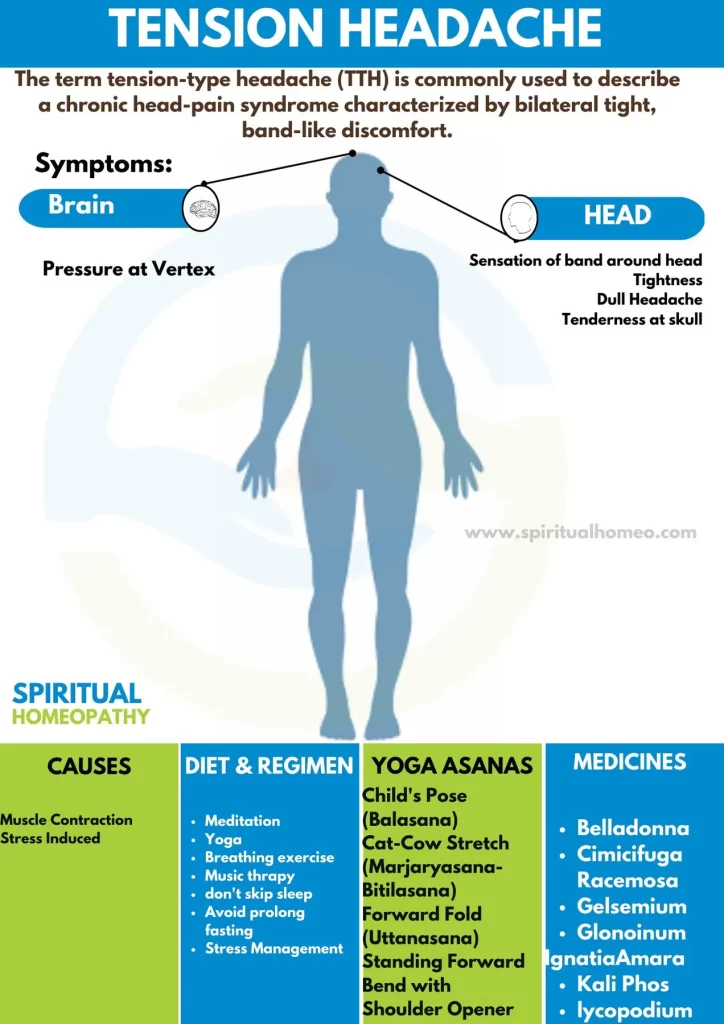
A clinical approach to diagnosing Tension-Type Headache (TTH) focuses on identifying headaches that occur without prominent accompanying symptoms such as nausea, vomiting, photophobia, phonophobia, osmophobia, throbbing pain, or worsening with physical movement. This clinical distinction helps differentiate TTH from migraine, which typically presents with one or more of these associated features.
The International Headache Society recognizes that some overlap of symptoms, such as mild nausea or photophobia, may occur in TTH. However, in routine clinical practice, headaches are usually classified based on the overall symptom pattern. Patients with TTH who also experience migraines, or who have a family history of migraine, may show biological and clinical differences compared to individuals with isolated TTH.
Consultation for evaluation and long-term management of tension-type headaches is available at Spiritual Homeopathy Clinic, with in-clinic consultations across multiple Hyderabad branches, as well as online and international consultations, based on individual needs.
According to the National Health Service (NHS), several factors may contribute to the development of tension-type headaches. These triggers often relate to physical strain, lifestyle habits, and emotional stress. Common contributing factors include:
Stress and anxiety
Lack of physical activity or regular exercise
Eyestrain or prolonged squinting
Fatigue and general tiredness
Skipping meals
Dehydration
Regular exposure to loud noises
Bright sunlight
Poor posture, especially during desk work
Certain strong smells, such as perfumes
These factors may act alone or in combination, and their influence can vary from person to person. Identifying individual triggers helps guide a more personalized and individualized care approach during consultation and long-term management.
1. Episodic Tension Headaches
Description: Occur occasionally, usually less than 15 days per month. These headaches may last from 30 minutes to several hours.
Symptoms: Mild to moderate pain felt on both sides of the head, often described as a tight or pressure-like sensation. Tenderness in the neck and scalp muscles may also occur.
Triggers: Stress, lack of sleep, dehydration, poor posture, or eye strain.
2. Chronic Tension Headaches
Description: These headaches occur more than 15 days per month and can last for several hours or even days.
Symptoms: Similar to episodic tension headaches but more frequent and persistent, with discomfort often lasting throughout the day.
Triggers: Ongoing stress, anxiety, muscle tension, poor posture, inadequate sleep, excessive screen time, or high caffeine intake.
3. Infrequent Tension Headaches
Description: These headaches occur less than once a month and are usually mild in intensity.
Symptoms: Mild pain, often described as a tight band around the head, sometimes accompanied by neck and shoulder discomfort.
Triggers: Short-term stress or temporary lack of sleep.
4. Tension-Type Headache with Migrainous Features
Description: Tension headaches that present with migraine-like features such as nausea, light sensitivity, or sound sensitivity, while the pain pattern remains tension-like.
Symptoms: A combination of pressure-type headache pain with additional migraine features. The headache may last longer and include sensitivity to light or sound.
Triggers: Stress, hormonal changes, poor sleep, or environmental factors.
5. Tension Headache with Muscle Tension
Description: Involves significant muscle tension, particularly in the neck, shoulders, and scalp.
Symptoms: Dull, constant pain accompanied by tightness or soreness in the neck, shoulders, or upper back.
Triggers: Stress, poor posture, and prolonged periods of sitting or standing in one position.
Persistent or frequently recurring headaches may benefit from clinical evaluation to identify the type and contributing factors, allowing for a more individualized care approach.
Tension headaches typically present as a dull, tight, or pressure-like pain, often described as a band around the head or a sensation of pressure at the top (vertex) of the head. The pain is usually constant and generalized, often starting in the occipital region and radiating forward.
Unlike migraines, tension headaches can persist for weeks or even months without interruption. While the intensity may vary, they are generally not associated with nausea, vomiting, or sensitivity to light (photophobia). Daily activities can often continue despite the discomfort, and the pain may feel less noticeable when the individual is occupied.
The discomfort commonly worsens as the day progresses and is often milder in the morning. Tenderness may be felt over the scalp or in the occipital region; however, this differs from the pain patterns seen in conditions such as trigeminal neuralgia or the localized tenderness of temporal arteritis.
Individuals with chronic tension headaches may use analgesics frequently, although such medications often provide limited relief and, in some cases, may contribute to persistence of symptoms.
If tension headaches are frequent, long-lasting, or begin to interfere with daily functioning, a medical consultation is advised to assess contributing factors and guide appropriate management.
Managing tension headaches effectively involves both dietary adjustments and lifestyle changes. Incorporating specific foods and habits can help reduce headache frequency and severity while promoting overall well-being. The following guidance is supportive in nature and may be adapted based on individual needs during consultation.
Water: Dehydration is a common trigger for headaches. Aim for 8–10 glasses of water per day.
Coconut Water: Rich in electrolytes, it helps maintain hydration balance.
Herbal Teas: Chamomile, ginger, and peppermint teas may provide a soothing effect; ginger is also known for its anti-inflammatory properties.
Magnesium supports muscle relaxation and may help reduce headache severity. Include:
Spinach: High in magnesium and fiber, supporting muscle relaxation.
Almonds: A good source of magnesium and healthy fats.
Avocados: Provide magnesium and healthy fats that support muscle function.
Bananas: Rich in magnesium and potassium, supporting nerve and muscle health.
Reducing inflammation may help ease tension headaches:
Salmon: Rich in omega-3 fatty acids with anti-inflammatory properties.
Turmeric: Contains curcumin, which may support inflammatory balance when used in cooking.
Ginger: A natural anti-inflammatory that may help reduce headache discomfort.
Omega-3s may help reduce inflammation and muscle tension:
Chia Seeds: Suitable for smoothies or as toppings.
Walnuts: Provide omega-3 fatty acids that support inflammatory balance.
Flaxseeds: Can be added to cereals or smoothies.
Maintaining stable blood sugar levels can help avoid headache triggers:
Whole Grains: Brown rice, quinoa, and oats.
Sweet Potatoes: Contain magnesium and support steady energy levels.
B vitamins support nervous system function and stress management:
Eggs: A source of B vitamins, including B12, supporting nerve health.
Leafy Greens: Spinach, kale, and similar vegetables provide folate and magnesium.
Protein helps stabilize blood sugar and supports sustained energy:
Lean Meats: Chicken, turkey, and lean cuts of beef.
Tofu: A plant-based, easily digestible protein source.
Legumes: Beans, lentils, and chickpeas provide protein and fiber.
Incorporating healthy daily habits is as important as dietary choices in managing tension headaches.
Relaxation Techniques: Deep breathing, progressive muscle relaxation, or guided meditation.
Yoga and Stretching: Helps improve posture and reduce muscle tension.
Mindfulness Practices: May reduce mental stress, a common trigger.
Regular Exercise: Walking, swimming, or cycling can help reduce stress and improve circulation.
Neck and Shoulder Stretches: Gentle stretching may relieve muscle tightness.
Adequate Sleep: Aim for 7–9 hours per night.
Consistent Schedule: Maintain regular sleep and wake times.
Relaxing Bedtime Routine: Limit caffeine later in the day and reduce screen time before sleep.
Correct Posture: Helps reduce neck and shoulder strain.
Workplace Ergonomics: Ensure screen height and chair support proper alignment.
Screen Breaks: Rest eyes and stretch every 20–30 minutes.
Movement: Short walks or stretches every hour can reduce muscle strain.
Cold Compress: May help reduce discomfort when applied to the forehead or neck.
Warm Compress: Can help relax tense neck and shoulder muscles.
Yoga can play a supportive role in managing tension headaches by helping reduce muscle tightness, improve circulation, and promote relaxation. These practices are intended to complement medical care and are not a substitute for professional evaluation or treatment.
How to do it:
Kneel on the floor with your big toes touching and knees spread apart.
Sit back on your heels and slowly lower your torso forward, bringing your forehead to the floor.
Stretch your arms out in front of you or place them by your sides.
Hold for 1–2 minutes, focusing on slow, deep breathing.
Benefits:
Gently stretches the neck, shoulders, and back, releasing upper body tension.
Promotes relaxation and helps reduce stress.
How to do it:
Start in a tabletop position with wrists under shoulders and knees under hips.
Inhale and arch your back (cow pose), lifting the chest and tailbone.
Exhale and round the spine (cat pose), bringing the chin toward the chest.
Continue for 1–2 minutes in a smooth flow.
Benefits:
Relieves tension in the neck, shoulders, and spine.
Improves mobility and circulation, supporting relief from muscle-related headaches.
How to do it:
Sit with legs extended straight in front of you.
Inhale to lengthen the spine; exhale and fold forward from the hips.
Hold your feet or shins, keeping the spine as long as possible.
Hold for 30 seconds to 1 minute with steady breathing.
Benefits:
Stretches the lower back and spine, helping release physical tension.
Calms the mind and may reduce stress-related headache triggers.
How to do it:
Lie on your back with knees bent and feet flat on the floor, hip-width apart.
Place arms alongside the body, palms down.
Press into the feet and lift the hips upward.
Hold for 30 seconds to 1 minute, then slowly lower.
Benefits:
Relieves tension in the neck, shoulders, and back.
Supports better posture and spinal strength.
How to do it:
Sit comfortably with the spine upright.
Gently tilt the head to one side, bringing the ear toward the shoulder.
Hold for 15–30 seconds and switch sides.
You may also bring the chin toward the chest to stretch the back of the neck.
Benefits:
Helps release neck tightness commonly associated with tension headaches.
Improves flexibility in the neck and shoulder area.
How to do it:
Lie on your back and extend your legs up against a wall.
Keep arms relaxed by your sides; a cushion under the hips may be used for support.
Hold for 5–10 minutes with calm breathing.
Benefits:
Encourages relaxation and stress reduction.
Supports circulation to the head and neck.
How to do it:
Lie flat on your back with arms and legs relaxed.
Close your eyes and focus on natural breathing.
Remain in the pose for 5–10 minutes.
Benefits:
Relieves physical and mental stress.
Promotes overall relaxation, which may ease headache intensity.
How to do it:
Stand with feet hip-width apart.
Inhale to lengthen the spine; exhale and fold forward from the hips.
Allow the head to hang freely; hands may rest on the floor or ankles.
Hold for 30 seconds to 1 minute.
Benefits:
Stretches the back, neck, and hamstrings, helping release tension.
Calms the nervous system and reduces stress.
Homeopathy is a natural system of healthcare that focuses on understanding the underlying factors contributing to illness, rather than addressing symptoms alone. It works by supporting the body’s self-regulatory processes through an individualized approach. Care is tailored to the person’s physical, emotional, and lifestyle profile and is generally considered well-tolerated when followed under professional guidance.
Homeopathy may be considered both for acute conditions and for the long-term management of chronic health concerns, based on individual assessment.
At Spiritual Homeopathy Clinic, care is guided by established homeopathic principles combined with careful clinical evaluation. The focus remains on understanding symptom patterns, contributing factors, and overall health status to support balanced well-being over time.
Consultations are available across multiple branches in Hyderabad, as well as through online and international consultation options, allowing continuity of care irrespective of location.
The clinical approach emphasizes individualized care while considering physical, emotional, and lifestyle aspects of health.
Root-Cause Focus: Assessment looks beyond surface symptoms to identify contributing factors.
Personalized Care Plans: Each care plan is adapted to the individual’s health profile and needs.
Experienced Clinical Team: Qualified homeopathy practitioners provide in-clinic and online consultations across Hyderabad branches.
Non-Invasive Approach: Homeopathy follows a non-invasive model of care under professional supervision.
Holistic Perspective: Attention is given to mind–body interactions as part of overall health assessment.
Each consultation involves a detailed discussion of medical history, current symptoms, lifestyle factors, and emotional well-being. This helps form a comprehensive understanding of the condition and guides individualized care planning.
Care is planned based on symptom patterns and contributing factors, whether the concern is acute or long-standing. The approach focuses on long-term management and ongoing assessment rather than short-term symptom suppression.
Regular follow-ups help monitor changes, assess response, and adjust care as needed. This step supports continuity and safety in long-term management.
The clinic’s role is to guide patients through a structured, professional homeopathic care process. Homeopathy may be used as a complementary approach and does not replace emergency care or necessary conventional medical interventions.
You should consult a healthcare professional if tension headaches become frequent, persistent, or begin to interfere with daily activities, work performance, or sleep. Early evaluation helps identify contributing factors such as stress, posture, or lifestyle habits and supports appropriate care.
Seek consultation if you experience:
Recurrent or ongoing dull, pressing, or tight headache pain
A feeling of pressure or tightness around the forehead, temples, or back of the head
Headaches that last for several hours or occur on most days
Pain that worsens with stress, poor posture, or long screen time
Associated neck, shoulder, or scalp muscle tightness
Difficulty concentrating or fatigue due to repeated headaches
Symptoms not improving with rest, hydration, or lifestyle adjustments
Seek medical advice promptly if headaches are severe, sudden, or accompanied by symptoms such as fever, vision changes, weakness, or vomiting, as these may require further evaluation.
At Spiritual Homeopathy Clinic, consultations are available at multiple branches in Hyderabad, including Kukatpally, Chandanagar, Dilsukhnagar, and Nallagandla. Online and international consultations are also available for individuals who cannot visit in person. A professional assessment supports an individualized care approach based on headache patterns, triggers, and overall health status.
For appointments or guidance, contact 9069 176 176.
Relieve tension headaches quickly with over-the-counter NSAIDs (ibuprofen, naproxen) or acetaminophen. For fast drug-free relief, apply a heating pad to your neck or a cold compress to your forehead, gently massage tight scalp and shoulder muscles, and rest in a dark, quiet room.
Preventing stress (tension) headaches relies on mitigating daily stressors and physically releasing muscle tension before pain escalates. Incorporate quick neck and shoulder stretches, practice 10 minutes of box breathing, stay hydrated, and avoid skipping meals.
Vitamin D deficiency is associated with a number of painful conditions. A few recent observations indicate that migraine and tension-type headache could be related to low serum vitamin D level.
If your headache feels like a tight band or dull ache across your forehead, temples, or back of the neck, and is accompanied by tense muscles or jaw clenching after a tough day, it is likely a stress or tension headache.
Adjusting how you lie can reduce strain on your neck that can trigger a headache. Sleeping on your back helps keep your head, neck and spine aligned in a more neutral position, says Dr. Bang. This reduces strain on the neck and shoulder muscles.
Apply heat to relieve tense neck and shoulder muscles. Use a heating pad set on low, a hot water bottle, a hot shower or bath, a warm compress, or a hot towel. Or apply ice or a cool washcloth to the forehead. Massage also can relieve muscle tension — and sometimes headache pain.