
Stomach ulcers, or gastric ulcers, are painful sores that develop in the stomach lining. These ulcers are a form of peptic ulcer disease, a condition where ulcers form in both the stomach and small intestines. The primary cause of stomach ulcers is often an infection with Helicobacter pylori bacteria or long-term use of nonsteroidal anti-inflammatory drugs (NSAIDs). Symptoms include stomach pain, bloating, and indigestion. Early treatment is essential for healing and preventing complications.
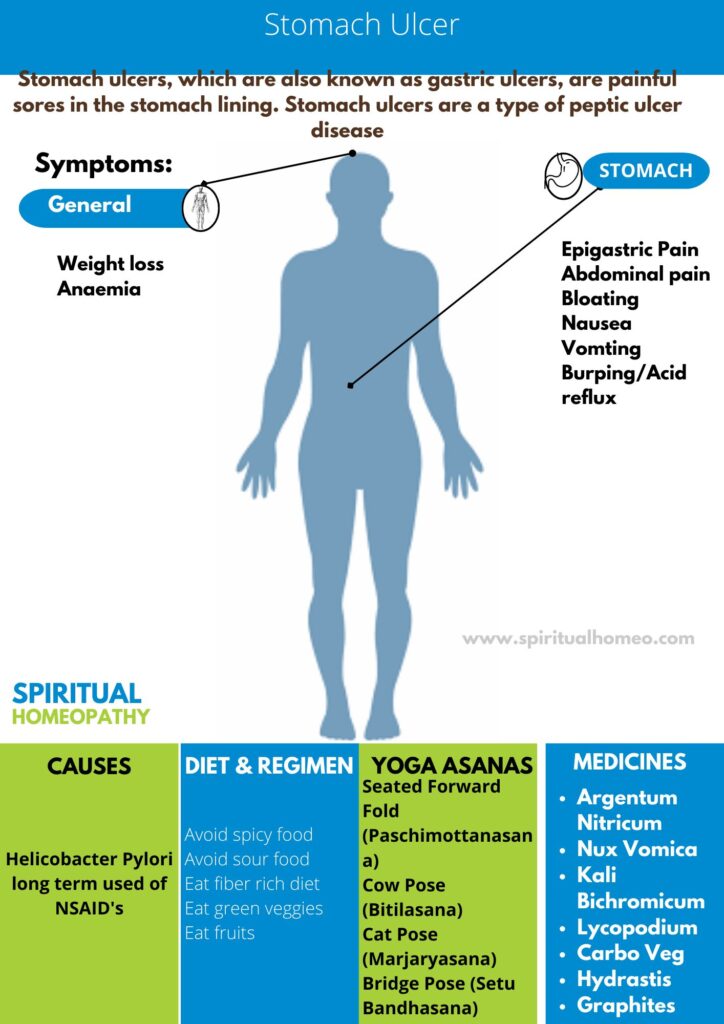
Stomach ulcers, also known as gastric ulcers, occur when the protective mucus layer of the stomach weakens, allowing digestive acids to damage the stomach lining. This results in painful sores that may cause discomfort and other digestive concerns. While stomach ulcers are commonly managed with appropriate medical care and lifestyle adjustments, they can worsen or lead to complications if left unaddressed. Early diagnosis and timely management play an important role in supporting healing and protecting the stomach lining.
Consultations for stomach ulcers are available at Spiritual Homeopathy Clinic across multiple branches in Hyderabad, with options for in-clinic, online, and international consultations, depending on individual needs.
Stomach ulcers can be caused by an infection with Helicobacter pylori (H. pylori) bacteria, which weakens the stomach lining and makes it more vulnerable to acid damage. Another common cause is the long-term use of nonsteroidal anti-inflammatory drugs (NSAIDs) such as aspirin, ibuprofen, or naproxen, which can irritate and erode the protective stomach lining.
In rare cases, a condition known as Zollinger–Ellison syndrome, which leads to excessive acid production in the stomach, may also result in ulcers, although it accounts for less than 1% of all peptic ulcers.
Understanding the underlying cause is important, as management is typically planned through an individualized care approach based on contributing factors and overall health status.
Gastric Ulcers
Location: Stomach lining.
Symptoms: Pain in the upper middle or left abdomen, often worsened by acidic or spicy foods.
Causes: Helicobacter pylori infection, long-term use of NSAIDs (such as ibuprofen or aspirin), excessive alcohol intake, and smoking.
Duodenal Ulcers
Location: Duodenum (first part of the small intestine).
Symptoms: Pain occurring a few hours after eating, often relieved by food or antacids.
Causes: H. pylori infection and NSAID use. These ulcers are more common than gastric ulcers.
Esophageal Ulcers
Location: Esophagus.
Symptoms: Chest pain, difficulty or pain while swallowing, heartburn, and regurgitation.
Causes: Gastroesophageal reflux disease (GERD), alcohol consumption, smoking, and irritation from certain medications.
Stress Ulcers
Location: Stomach or duodenum.
Symptoms: Stomach pain, nausea, and indigestion.
Causes: Severe physical stress such as critical illness, major surgery, trauma, or prolonged hospitalization. Long-term use of steroids or other medications may increase risk.
Curling’s Ulcer
Location: Stomach.
Symptoms: Abdominal pain, nausea, and vomiting.
Causes: Severe burns or major physical trauma, leading to reduced blood flow to the stomach lining.
Cushing’s Ulcer
Location: Stomach or duodenum.
Symptoms: Abdominal pain and nausea.
Causes: Head injury, brain surgery, or increased intracranial pressure, resulting in increased gastric acid secretion.
Abdominal pain is a common symptom of peptic ulcers, including duodenal ulcers (DU) and gastric ulcers (GU), although it is not always a consistent indicator. In some cases—particularly with NSAID-associated ulcers—complications such as bleeding, perforation, or obstruction may occur without clear warning symptoms. A careful medical history and physical examination remain important for evaluation.
Common Symptoms:
Epigastric Pain: Often described as a burning or gnawing discomfort, experienced in both DU and GU.
Hunger Pain: The discomfort may resemble an aching or hunger-like sensation.
Pain Pattern in DU: Typically occurs 90 minutes to 3 hours after meals and may be relieved by food or antacids.
Nighttime Pain: Pain that wakes a person between midnight and 3 a.m.; reported by a significant number of DU patients.
Additional Symptoms:
Dull stomach pain
Unexplained weight loss
Reduced appetite due to pain
Nausea or vomiting
Bloating
Feeling full quickly
Frequent burping or acid reflux
Serious Symptoms:
Anemia: May present as fatigue, shortness of breath, or pale skin.
Dark, Tarry Stools: Can indicate bleeding in the stomach or intestines.
Vomiting Blood: Or vomit that appears like coffee grounds, suggesting internal bleeding.
Stomach ulcers, also known as gastric ulcers, can be managed with appropriate dietary choices and daily lifestyle practices. The main aim is to reduce irritation, support the stomach lining, and minimize factors that may aggravate symptoms. Dietary and regimen guidance may vary based on individual symptoms and overall health status.
Non-Acidic Fruits
Bananas: May help buffer stomach acid and are generally gentle on digestion.
Melons (watermelon, cantaloupe): Low in acidity and usually well tolerated.
Peeled apples: Easy to digest and provide dietary fiber.
Oatmeal & Whole Grains
Oatmeal: Soft, easy to digest, and high in soluble fiber.
Brown rice & quinoa: Provide nutrients and fiber without excessive irritation.
Whole-grain bread: Prefer minimally processed options.
Lean Proteins
Skinless chicken & turkey: Generally easier to digest.
Fatty fish: Provide beneficial fats that support overall health.
Tofu: A mild, plant-based protein option.
Vegetables
Carrots (cooked): Gentle on the stomach and nutrient rich.
Spinach: Contains minerals that support digestive health.
Sweet potatoes: Soft texture and easy to digest.
Pumpkin & zucchini: Mild vegetables that add fiber without harsh irritation.
Healthy Fats
Olive oil: A commonly tolerated cooking fat.
Avocados: Provide healthy fats and fiber.
Nuts (in moderation): Such as almonds or walnuts, if well tolerated.
Herbal Teas
Chamomile tea: Known for its calming properties.
Ginger tea: May support digestion and reduce nausea.
Licorice tea (DGL): Traditionally used to support stomach lining comfort.
Low-Fat Dairy (if tolerated)
Low-fat yogurt: A source of beneficial bacteria for gut health.
Skim milk: Can be used cautiously, as tolerance varies.
Spicy foods: Can irritate the stomach lining.
Acidic foods: Citrus fruits and tomatoes may increase discomfort.
Caffeinated beverages: Can stimulate acid production.
Alcohol: May worsen irritation of the stomach lining.
Fried and fatty foods: Often harder to digest.
Chocolate: May increase acid-related symptoms in some individuals.
Carbonated drinks: Can cause bloating and discomfort.
Adequate water intake helps support digestion. Herbal teas may also be included based on tolerance.
Eating smaller portions at regular intervals can help reduce excessive acid buildup.
Stress may worsen symptoms. Practices such as relaxation techniques, meditation, gentle yoga, and walking can be supportive.
Smoking and alcohol consumption can delay symptom improvement and increase irritation.
Aim for consistent, restful sleep. Adjust sleeping posture if symptoms worsen at night.
Frequent or unsupervised use of pain-relieving medications may aggravate ulcers. Professional guidance is advised.
Keeping a record of foods and symptoms can help identify individual triggers. Regular follow-up with a healthcare professional supports safe monitoring and adjustments.
The following yoga practices may help support digestion, reduce stress, and ease abdominal discomfort commonly associated with stomach ulcers. These practices are supportive in nature and should be performed gently, based on individual comfort. Yoga is not a substitute for medical evaluation or professional care.
Benefits:
This pose may help reduce gas, bloating, and abdominal discomfort. It gently massages the abdominal area and supports digestive function.
How to Do It:
Lie on your back with legs extended.
Inhale and bring both knees toward your chest.
Hold your knees with your hands and gently draw them toward the abdomen.
Exhale and maintain the position for a few breaths.
Repeat 3–5 times.
Benefits:
Bhujangasana supports spinal flexibility, encourages circulation to the abdominal region, and may help reduce stress, which can influence digestive health.
How to Do It:
Lie on your stomach with palms placed under the shoulders.
Inhale and gently lift the upper body, keeping elbows slightly bent.
Avoid straining the lower back.
Hold for 20–30 seconds, then release.
Repeat 3–5 times.
Benefits:
This gentle twisting pose supports digestion and helps release tension around the abdominal organs.
How to Do It:
Sit with legs extended.
Bend the right knee and place the foot outside the left thigh.
Inhale to lengthen the spine, then exhale and twist to the right.
Hold for 20–30 seconds, then repeat on the other side.
Practice 2–3 times on each side.
Benefits:
This pose may help improve circulation, reduce stress, and gently stretch the abdominal area, supporting digestive comfort.
How to Do It:
Lie on your back with knees bent and feet flat on the floor.
Inhale and lift the hips upward while keeping the shoulders grounded.
Hold for 20–30 seconds, then slowly lower.
Repeat 3–5 times.
Benefits:
Paschimottanasana helps calm the nervous system and gently stretches the abdominal muscles, which may support digestion.
How to Do It:
Sit with legs extended forward.
Inhale to lengthen the spine, then exhale and bend forward from the hips.
Hold for 20–30 seconds without strain.
Repeat 2–3 times.
Benefits:
This restorative pose promotes relaxation and helps reduce stress, which can influence digestive symptoms.
How to Do It:
Lie on your back with soles of the feet together and knees relaxed outward.
Place hands on the abdomen or at the sides.
Breathe slowly and deeply.
Hold for 5–10 minutes.
Benefits:
This gentle restorative pose supports relaxation, circulation, and may help ease reflux-related discomfort.
How to Do It:
Lie on your back with legs resting vertically against a wall.
Relax the arms at the sides.
Breathe calmly and remain in the pose for 5–10 minutes.
Homeopathy is a system of care that focuses on understanding the underlying factors contributing to illness, rather than addressing symptoms alone. It works alongside the body’s natural regulatory processes and is based on individualized assessment. Care is tailored according to age, health status, and symptom patterns, supporting long-term management under professional guidance.
Homeopathy may be considered for both acute concerns and chronic health conditions as part of a holistic, person-centered approach.
At Spiritual Homeopathy Clinic, care is centered on a detailed understanding of physical, emotional, and lifestyle factors that influence health. The clinical approach is guided by established homeopathic principles and structured evaluation, with attention to overall well-being.
Consultations are available across multiple branches in Hyderabad, as well as through online and international consultation services, based on patient needs and accessibility.
The clinic’s approach is based on the following care principles:
Individualized Care: Each patient is assessed individually, considering symptoms, health history, and personal factors.
Holistic Assessment: Physical, emotional, and lifestyle aspects are reviewed to understand contributing factors.
Professional Guidance: Consultations are conducted by trained homeopathy practitioners with clinical experience.
Supportive Care: The approach is intended to support long-term health management and overall balance under supervision.
1. Detailed Consultation
Each consultation involves a structured discussion of current concerns, past health history, lifestyle patterns, and symptom progression to guide individualized care planning.
2. Ongoing Assessment
Follow-up consultations allow monitoring of changes over time and adjustment of care strategies as needed, based on clinical response and tolerance.
This process is designed to support continuity of care through in-clinic, online, or international consultations.
Care at Spiritual Homeopathy Clinic emphasizes clarity, safety, and informed decision-making. Patients are encouraged to seek professional evaluation for persistent, recurrent, or worsening symptoms, and to maintain regular follow-ups as advised.
You should consult a healthcare professional if stomach ulcer symptoms become frequent, persistent, or start interfering with daily activities or sleep. Early evaluation helps identify contributing factors and lowers the risk of complications such as bleeding or worsening pain.
Seek consultation if you experience:
Ongoing or recurrent upper abdominal pain or burning sensation
Pain that worsens on an empty stomach or after meals
Nausea, vomiting, or persistent indigestion
Symptoms that disturb sleep, especially at night
Unexplained weight loss or reduced appetite
Dark or black stools, or vomiting that appears unusual
Symptoms that do not improve with dietary and lifestyle measures
At Spiritual Homeopathy Clinic, consultations are available at multiple branches in Hyderabad, including Kukatpally, Chandanagar, Dilsukhnagar, and Nallagandla. Online and international consultations are also available for patients who are unable to visit in person. A professional assessment supports an individualized care approach based on symptoms, medical history, and overall health status.
For appointments or guidance, contact 9069 176 176.
A stomach ulcer, also known as a gastric ulcer, is a sore that develops on the inner lining of the stomach. It is a type of peptic ulcer that occurs when the protective lining of the stomach is weakened by excess acid or other contributing factors.
The most common causes of stomach ulcers include:
Helicobacter pylori infection, which weakens the stomach lining
Long-term use of certain pain-relieving medications that can irritate the stomach
Excessive alcohol intake and smoking, which may aggravate the stomach lining
Rarely, conditions that increase stomach acid production
Understanding these causes helps guide an individualized care approach.
Symptoms may include:
Burning or gnawing pain in the upper abdomen
Bloating and frequent belching
Nausea or occasional vomiting
Indigestion or discomfort after meals
Reduced appetite or unintentional weight loss
In severe cases, symptoms such as dark stools or vomiting of altered blood may occur and require prompt medical attention.
Diagnosis may involve a combination of:
Visual examination of the stomach lining using specialized procedures
Laboratory tests to identify infection-related causes
Stool or breath-based tests to assess digestive health
A detailed clinical evaluation supports accurate diagnosis.
Management focuses on:
Addressing underlying causes such as infection or irritation
Reducing factors that increase stomach acid
Avoiding triggers like alcohol, smoking, and irritating foods
Monitoring symptoms and progress under medical guidance
In certain situations, additional medical intervention may be required if complications arise.
Stress alone is not considered a direct cause of stomach ulcers. However, it can worsen symptoms and contribute to habits that may aggravate the condition, such as irregular meals or poor sleep.
It is generally advisable to limit or avoid:
Spicy and heavily seasoned foods
Highly acidic foods
Caffeinated and carbonated beverages
Alcohol and fried or fatty foods
Dietary tolerance can vary between individuals.
Dairy products may feel soothing for some individuals but uncomfortable for others. Low-fat options may be better tolerated, depending on individual response.
Light to moderate physical activity is usually acceptable and may help reduce stress. Strenuous exercise or activities that strain the abdomen should be avoided unless advised otherwise by a healthcare professional.
Healing time varies depending on the cause, severity, and overall health of the individual. Improvement is often seen within a few weeks when contributing factors are properly addressed.
Yes, recurrence is possible if underlying causes are not adequately managed. Ongoing care and lifestyle adjustments play an important role in reducing recurrence risk.
Certain dietary and lifestyle measures may help support digestive comfort. Any complementary approach should be discussed with a healthcare professional to ensure safety and suitability.
If not properly managed, stomach ulcers may lead to complications such as bleeding, obstruction, or perforation. Early consultation helps reduce these risks.
Surgical intervention is uncommon and usually considered only when serious complications occur and do not respond to standard medical care.
WhatsApp us