
Vertigo is a common condition characterized by a false sensation that you or your surroundings are spinning, moving, or tilting, even when you are standing still. It is not a disease itself but a symptom of problems affecting the inner ear, vestibular system, or certain neurological conditions. Vertigo can cause dizziness, loss of balance, nausea, vomiting, unsteady walking, headaches, and abnormal eye movements (nystagmus). Common causes include benign paroxysmal positional vertigo (BPPV), Ménière’s disease, vestibular neuritis, ear infections, and migraines. While occasional dizziness may not be serious, frequent or persistent vertigo should not be ignored, as it may indicate an underlying medical condition. Seeking early evaluation and appropriate treatment can help improve balance, reduce recurring episodes, and prevent complications.
At Spiritual Homeopathy, we believe in treating the root cause of vertigo rather than simply suppressing the symptoms. Our experienced homeopathic doctors carefully evaluate each patient’s symptoms, medical history, ear health, neurological history, lifestyle, stress levels, and overall health before preparing an individualized treatment plan. Our holistic approach focuses on providing natural treatment for vertigo, improving balance, reducing recurrent dizziness, supporting inner ear health, and offering long-term relief through safe and personalized homeopathic care. We specialize in homeopathic treatment for vertigo, dizziness, BPPV, Ménière’s disease, vestibular disorders, and other balance-related conditions.
We provide personalized homeopathic treatment for vertigo in Hyderabad to patients of all age groups through our clinics in KPHB, Dilsukhnagar, Chandanagar, and Nallagandla, as well as online homeopathy consultations for patients across India and in more than 100 countries worldwide. If you are looking for the best homeopathy doctor for vertigo, natural treatment for dizziness, or long-term balance and vestibular wellness, Spiritual Homeopathy is committed to delivering expert, patient-centered care wherever you are.
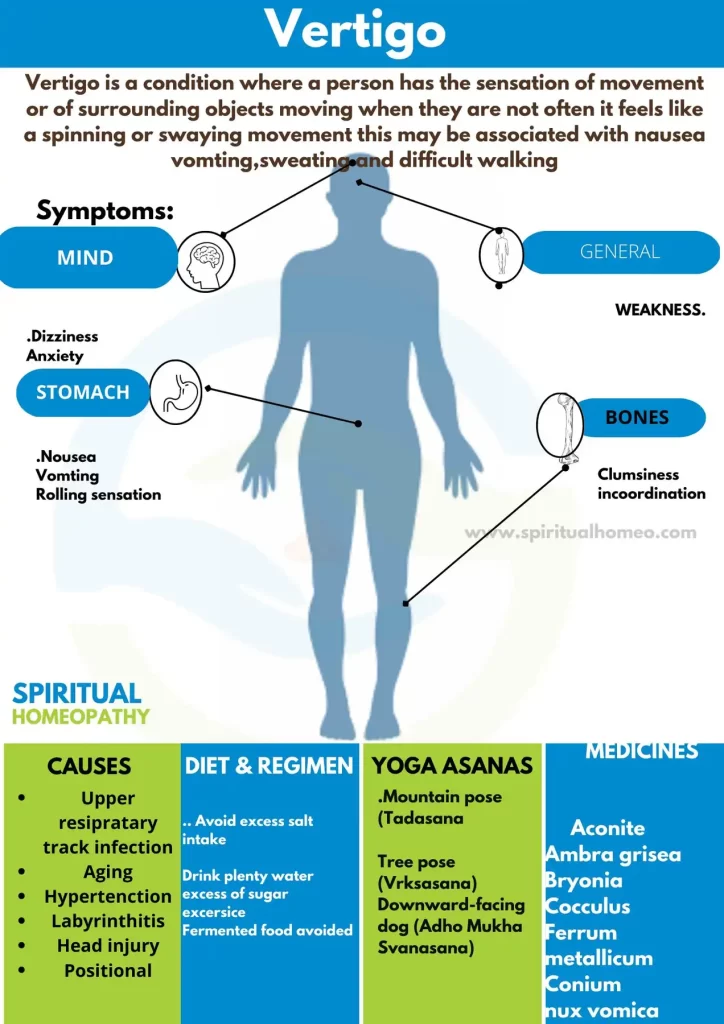
Dizziness is a broad term used to describe various sensations such as light-headedness, faintness, imbalance, or a spinning feeling. When dizziness includes a sensation of motion or spinning, it is specifically referred to as vertigo. Vertigo can be physiological—occurring after prolonged head movement—or pathological, caused by issues in the vestibular system. Light-headedness often relates to reduced blood flow to the brain (pre-syncope), but it can also be associated with imbalance or disequilibrium.
Proper evaluation helps differentiate between these causes and guide appropriate care. Consultations for dizziness and vertigo concerns are available at Spiritual Homeopathy Clinic across multiple branches in Hyderabad, as well as through online and international consultation options.
Vertigo is a sensation of spinning or dizziness that often stems from problems within the inner ear or brain. It can disrupt daily activities and affect balance. Below are some of the most common causes of vertigo:
Benign Paroxysmal Positional Vertigo (BPPV):
Caused by dislodged calcium crystals in the inner ear, triggering brief spinning sensations during head movements.
Meniere’s Disease:
An inner ear disorder marked by recurring episodes of vertigo, hearing loss, ear fullness, and ringing in the ears (tinnitus).
Vestibular Neuritis or Labyrinthitis:
Inflammation of the vestibular nerve or inner ear—often due to viral infections—leading to sudden, intense vertigo.
Vestibular Migraines:
Migraines that include vertigo, often with headache, nausea, and sensitivity to light or sound.
Ear Infections or Fluid Retention:
Middle ear infections or fluid buildup can affect balance and cause vertigo symptoms.
Head or Neck Injuries:
Trauma can damage the vestibular system, triggering dizziness or spinning sensations.
Stroke or TIA (Mini-Stroke):
Vertigo accompanied by weakness, difficulty speaking, or vision changes may signal a stroke or TIA affecting the brain’s balance centers and requires urgent medical attention.
Medications:
Certain drugs may contribute to dizziness or vertigo as a side effect in some individuals.
Anxiety and Panic Attacks:
Stress and anxiety can sometimes manifest as dizziness or a feeling of being unsteady.
Low Blood Pressure (Hypotension):
A sudden drop in blood pressure, especially when standing, can result in dizziness or vertigo.
Understanding the underlying cause is important, as vertigo management often requires an individualized care approach based on symptoms, triggers, and overall health status. Professional consultation helps guide appropriate evaluation and long-term management.
Vertigo, characterized by a sensation of spinning or dizziness, can arise from various underlying causes affecting the inner ear, nervous system, or circulation. Homeopathy focuses on an individualized care approach, where treatment is guided by the pattern, intensity, and associated symptoms rather than the diagnosis alone. This approach aims at long-term management and addressing contributing factors under professional guidance.
Consultations for vertigo assessment are available at Spiritual Homeopathy Clinic through multiple branches in Hyderabad, as well as via online and international consultation options.
Classifying vertigo based on its pattern and associated symptoms can help in understanding possible causes and planning appropriate care:
Sudden, Short-Lasting Episodes:
Often associated with positional changes and may suggest inner ear involvement such as benign positional vertigo.
Brief Dizziness Spells:
May be linked to benign recurrent vertigo or vestibular symptoms associated with migraine patterns.
Chronic, Mild Vertigo:
Can be seen in conditions involving inner ear fluid imbalance or vascular factors affecting balance.
Sudden Severe Vertigo with Gradual Improvement:
May indicate acute vestibular disturbances or neurological involvement and requires careful evaluation.
Identifying the type and progression of vertigo supports an individualized treatment plan rather than a one-size-fits-all approach.
Homeopathy does not focus on suppressing symptoms alone. Instead, care is planned based on the overall symptom profile, including triggers, duration, associated complaints, and general health status.
The homeopathic approach for vertigo typically aims to:
Support balance regulation through individualized care
Address contributing factors such as recurrent infections, stress, or circulatory imbalance
Assist in long-term symptom management
Be generally well-tolerated under professional guidance when properly prescribed
Regular follow-up is often advised to monitor response and adjust the care approach as needed. Homeopathy is used as a supportive medical system and should not delay urgent evaluation when red-flag symptoms are present.
Vertigo is a medical condition characterized by a false sensation of movement, often described as feeling like you or your surroundings are spinning. This sensation can be disorienting and may interfere with daily activities. Recognizing the signs and symptoms of vertigo is important for timely evaluation and appropriate care.
🌀 Common Signs and Symptoms of Vertigo
Spinning Sensation:
The hallmark of vertigo is the feeling that you or your surroundings are moving or spinning, even when you are still.
Dizziness and Lightheadedness:
A general sense of unsteadiness or imbalance, often accompanied by nausea or a feeling of faintness.
Nausea and Vomiting:
The disorienting effects of vertigo can lead to nausea and, in some cases, vomiting, especially during intense episodes.
Loss of Balance:
Difficulty maintaining posture or walking, with a sensation that you may fall or sway.
Hearing Issues:
Symptoms such as ringing in the ears (tinnitus), a feeling of fullness in the ear, or hearing changes, particularly in inner ear–related conditions.
Headache:
Certain forms of vertigo, especially those associated with migraine patterns, may occur along with headaches.
Sweating:
Episodes may be accompanied by excessive sweating due to nausea, dizziness, or autonomic responses.
Tingling or Numbness:
In some cases, particularly when vertigo is linked to neurological causes, tingling or numbness in the face, arms, or legs may be present.
If vertigo symptoms are frequent, worsening, or interfere with daily activities, medical evaluation is advised. Consultations are available at Spiritual Homeopathy Clinic through multiple branches in Hyderabad, as well as online and international consultation options.
.
🥗 Diet Recommendations for Vertigo Management
Hydration
Water: Maintain adequate hydration by drinking at least 8 cups (2 liters) of water daily. Dehydration can worsen vertigo symptoms by reducing blood volume and oxygen supply to the brain.
Electrolyte-Rich Drinks: Incorporate beverages like coconut water to replenish essential minerals, supporting nerve function and reducing dizziness.
Anti-Inflammatory Foods
Fruits and Vegetables: Include a variety of colorful produce such as berries, oranges, spinach, and bell peppers. These are rich in antioxidants, vitamins, and minerals that help reduce inflammation and support overall health.
Ginger: Can reduce nausea and improve circulation; add to teas or smoothies to alleviate vertigo symptoms.
Turmeric: Contains curcumin, which supports the body’s natural anti-inflammatory response. Include in soups, curries, or teas.
Omega-3 Fatty Acids
Fatty Fish: Salmon, mackerel, and sardines provide omega-3 fatty acids that may support circulation and reduce inflammation.
Chia Seeds and Flaxseeds: Plant-based omega-3 sources that can be added to cereals or smoothies for cardiovascular and nerve support.
Magnesium-Rich Foods
Leafy Greens and Nuts: Spinach, kale, almonds, and sunflower seeds are magnesium-rich and can help relieve dizziness and muscle tension.
Bananas and Avocados: Support electrolyte balance and may assist in managing vertigo-related symptoms.
Vitamin D and Calcium-Rich Foods
Dairy Products: Milk and yogurt provide calcium for bone strength and balance, important for those with vertigo.
Fortified Foods or Sunlight: Ensure adequate vitamin D intake to aid calcium absorption and bone health.
Vitamin B12-Rich Foods
Animal Products: Eggs, fish, and lean meats are sources of vitamin B12, which supports neurological health. Adequate intake may help with balance issues.
Limit Trigger Foods
Salt: High sodium intake can worsen vertigo symptoms in conditions like Menière’s disease.
Caffeine and Alcohol: Can contribute to dehydration and dizziness.
Processed Foods: Foods high in preservatives, artificial additives, or unhealthy fats may exacerbate inflammation.
Frequent, Smaller Meals
Eating smaller, balanced meals throughout the day helps maintain stable blood sugar and may reduce dizziness related to low blood sugar. Avoid large, heavy meals.
🧘♀️ Yoga Asanas for Vertigo Relief
Sukhasana (Easy Pose)
Sit cross-legged with a straight spine.
Focus on deep, steady breathing to calm the mind and reduce dizziness.
Viparita Karani (Legs-Up-the-Wall Pose)
Lie on your back with legs extended up against a wall.
This gentle inversion promotes circulation and relieves pressure in the head, helping to alleviate dizziness.
Paschimottanasana (Seated Forward Bend)
Sit with legs extended forward and gently fold over your legs.
This pose stretches the back and calms the nervous system, supporting vertigo symptom relief.
Supta Baddha Konasana (Reclined Bound Angle Pose)
Lie on your back with soles of the feet together and knees falling outward.
This restorative pose calms the nervous system and promotes healthy blood flow to the brain.
Balasana (Child’s Pose)
Kneel and sit back on your heels, then fold forward with arms extended.
Provides grounding and relaxation, helping to reduce dizziness.
Halasana (Plough Pose)
Lie on your back and lift your legs over your head to touch the floor.
This gentle inversion stimulates circulation, supports nervous system balance, and may alleviate vertigo symptoms.
Nadi Shodhan Pranayama (Alternate Nostril Breathing)
Close one nostril and inhale deeply, then switch nostrils and exhale.
Balances the nervous system, reduces stress, and supports overall relaxation.
Meditation and Yoga Nidra (Yogic Sleep)
Practice mindfulness meditation or guided relaxation to reduce anxiety and promote calm.
🌿 Why Choose Homeopathy?
Homeopathy is a gentle, natural system of healing that focuses on addressing the root cause of illness rather than just managing symptoms. It works in harmony with your body’s innate ability to restore balance and supports long-term health. Safe for all ages and tailored to each individual, homeopathy provides a holistic approach to wellness.
Whether you are managing a chronic condition or seeking relief from acute symptoms, homeopathy offers personalized care to support overall health and well-being. Consultations are available at our Hyderabad branches, as well as online and international consultations for your convenience.
🌟 Spiritual Homeopathy: Your Partner in Natural Healing
At Spiritual Homeopathy, we are committed to helping you achieve wellness physically, emotionally, and spiritually. Our approach combines classical homeopathy with modern clinical insight, focusing on identifying and addressing underlying imbalances rather than only treating symptoms.
💫 Why Choose Spiritual Homeopathy?
Root-Cause Healing: We look beyond surface symptoms to understand and address the underlying causes.
Personalized Treatment: Remedies and plans are tailored to your body, lifestyle, and emotional needs.
Experienced Team: Our skilled homeopathy doctors in Hyderabad offer in-clinic, online, and international consultations.
Safe & Non-Toxic: Homeopathic remedies are gentle, non-addictive, and free from harmful chemicals.
Holistic Care: We consider the mind-body-spirit connection to support overall well-being.
🔍 Our Treatment Process
🩺 1. In-Depth Consultation
During your initial session, our experts review your health history, lifestyle, emotional state, and current symptoms to develop a customized treatment plan.
💊 2. Holistic Remedies
We provide a range of homeopathic remedies selected according to your individual condition—whether acute or long-standing.
🔄 3. Ongoing Support & Follow-Up
Regular follow-ups allow us to monitor your progress, adjust your treatment plan if needed, and ensure optimal results over time.
❤️ Our Commitment to You
Your well-being is our priority. Whether addressing specific health issues or supporting overall vitality, Spiritual Homeopathy offers care grounded in empathy, expertise, and a holistic approach.
You should consult a healthcare professional if vertigo symptoms become frequent, persistent, or begin to interfere with daily activities, balance, or safety. Early evaluation helps identify possible underlying causes and supports appropriate management.
Seek consultation if you experience:
Repeated episodes of spinning or dizziness
A sensation of movement even when standing still
Loss of balance or difficulty walking steadily
Nausea or vomiting associated with dizziness
Headache, ear fullness, or ringing in the ears along with vertigo
Symptoms triggered by head movements or position changes
Vertigo lasting for several days or worsening over time
Symptoms not improving with rest or basic lifestyle measures
At Spiritual Homeopathy Clinic, consultations are available at multiple branches in Hyderabad, including Kukatpally, Chandanagar, Dilsukhnagar, and Nallagandla. Online and international consultations are also available for individuals who are unable to visit in person. A professional assessment helps guide an individualized care approach based on symptoms, triggers, and overall health status.
For appointments or guidance, contact 9069 176 176.
When an episode hits, immediately sit down to prevent falls, then lie still in a dark, quiet room with your head elevated. If your vertigo is caused by BPPV (Benign Paroxysmal Positional Vertigo), performing the an help shift inner ear crystals and stop the spinning.
Vertigo is a sensation that you or your surroundings are spinning. It is most commonly caused by inner ear problems that disrupt your balance, such as (displaced inner ear crystals), (inner ear fluid buildup), or vestibular infections like labyrinthitis. Less frequently, it originates from brain-related issues like strokes or tumors.
Vertigo often resolves on its own or through targeted treatments. Common remedies include performing the to reposition inner ear crystals, taking medications or completing vestibular rehabilitation therapy. Lifestyle changes, such as reducing sodium, limiting alcohol, and avoiding sudden head movements, are also highly effective.
To stop vertigo permanently, you must first identify the underlying cause, as treatment varies entirely by diagnosis. While some conditions like BPPV can be cured, others require long-term management. Consult a healthcare provider for a proper diagnosis.
Massage can help with vertigo, particularly if your symptoms are related to neck tension (cervical vertigo) or heightened stress. By releasing tight muscles in your neck and shoulders, massage can improve blood flow and calm your nervous system. It is highly effective as a complementary therapy alongside other treatments.