


WhatsAppCall

Acidity

Manage acidity naturally with gentle homeopathic care and personalized support for digestive health.

Acidity

How Does Homeopathy Help Manage Acidity?

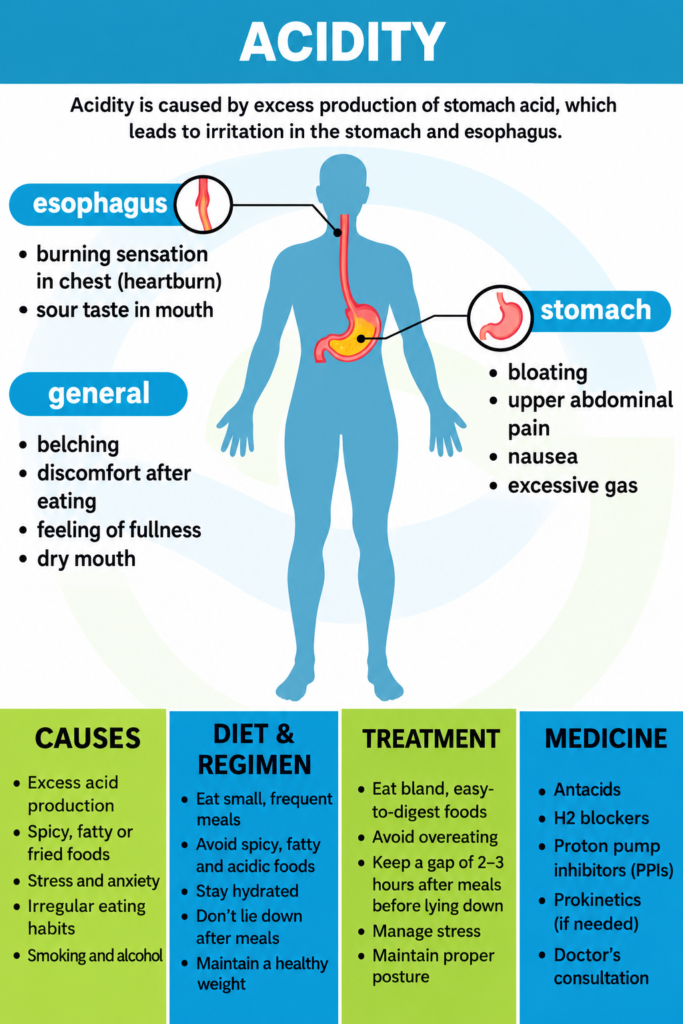
Acidity is a common digestive problem that occurs when stomach acid causes irritation or flows back into the esophagus. It may be associated with gastroesophageal reflux, indigestion, or other digestive conditions. Common symptoms include a burning sensation in the chest, sour taste in the mouth, frequent belching, bloating, and discomfort after meals. Certain foods, large meals, lying down soon after eating, stress, and some medications may contribute to acidity. Persistent or worsening symptoms should be evaluated by a healthcare professional to identify the underlying cause and determine appropriate treatment.

At Spiritual Homeopathy, we believe in treating the individual rather than focusing only on the symptoms. Our homeopathic doctors assess each patient’s symptoms, medical history, dietary habits, lifestyle, and overall well-being before discussing an individualized care plan. Our holistic approach emphasizes understanding possible triggers, supporting digestive wellness, and encouraging healthy lifestyle habits to help manage acidity symptoms. Homeopathy has not been shown by reliable scientific evidence to be effective for treating acidity, so it should not replace evidence-based medical care.

We provide individualized consultations for patients experiencing acidity and related digestive concerns at our clinics in Hyderabad, including Kukatpally (KPHB), Chandanagar, Dilsukhnagar, and Nallagandla. We also offer online homeopathy consultations for patients across India and internationally, helping people access consultations conveniently. Persistent heartburn, difficulty swallowing, vomiting blood, or black stools require prompt medical attention.


Everything You Need to Know


Overview

Acidity is a common digestive concern that occurs when stomach acid irritates the lining of the digestive tract or flows back into the esophagus. It may be associated with acid reflux, indigestion, or gastroesophageal reflux disease (GERD).

Acidity can cause discomfort after meals and may interfere with daily activities, sleep, and overall well-being. Symptoms can often be managed through appropriate medical care, dietary adjustments, and healthy lifestyle habits. Frequent or persistent acidity should be evaluated by a healthcare professional to identify the underlying cause.

At Spiritual Homeopathy Clinic, consultations for acidity and related digestive concerns are available across multiple branches in Hyderabad, as well as through online and international consultation services, depending on individual needs.

Common Symptoms of Acidity

Burning Sensation in the Chest: A burning feeling behind the breastbone, often occurring after meals or when lying down.

Sour Taste in the Mouth: Stomach contents may flow back into the throat or mouth, leaving an unpleasant sour or bitter taste.

Frequent Belching: Repeated burping may occur alongside digestive discomfort or a feeling of fullness.

Bloating and Abdominal Discomfort: Some people experience gas, fullness, or discomfort after eating.

Regurgitation: Food or liquid may rise from the stomach into the throat, particularly after large meals.

Nausea: Mild nausea may accompany indigestion or acid reflux in some individuals.

If symptoms occur frequently, worsen over time, or interfere with daily life, seek medical advice for proper assessment. Difficulty swallowing, vomiting blood, or black stools require urgent medical attention.


What Causes Acidity?

Acidity develops when stomach acid irritates the digestive tract or flows backward into the esophagus. It may be triggered by dietary habits, lifestyle factors, certain medications, or underlying digestive conditions. Understanding these contributing factors can help people manage symptoms and identify when medical evaluation is needed.

1. Dietary Habits

Certain foods and eating patterns may trigger or worsen acidity in some individuals. Common triggers include:

  • Spicy and fatty foods

  • Citrus fruits and tomato-based foods

  • Coffee and other caffeinated beverages

  • Chocolate and mint

  • Large meals or eating close to bedtime

Food triggers can vary from person to person, so identifying individual patterns may help reduce discomfort.

2. Gastroesophageal Reflux

Acidity may occur when the lower esophageal sphincter, a muscle that helps prevent stomach contents from moving upward, does not function properly. This can allow acid to flow back into the esophagus, causing heartburn, a sour taste, and regurgitation. Frequent reflux may be associated with gastroesophageal reflux disease (GERD).

3. Lifestyle Factors

Everyday habits can contribute to acidity symptoms. Common factors include:

  • Lying down soon after eating

  • Consuming large meals

  • Smoking

  • Being overweight

  • Eating late at night

Making suitable dietary and lifestyle adjustments may help reduce symptoms in some people.

4. Stress and Digestive Sensitivity

Stress may increase digestive discomfort and make some people more sensitive to heartburn or indigestion. Although stress does not directly cause every case of acidity, managing stress and maintaining regular eating and sleeping routines may support overall digestive well-being.

5. Medications and Underlying Conditions

Certain medications, including some anti-inflammatory pain relievers, can irritate the stomach or contribute to digestive symptoms. Other conditions, such as gastritis, peptic ulcers, or Helicobacter pylori infection, may cause similar discomfort and require specific medical assessment.

Identifying the factors contributing to acidity helps guide individualized care and long-term symptom management. If symptoms occur frequently, persist despite lifestyle changes, or worsen over time, consult a qualified healthcare professional for an appropriate diagnosis and treatment plan.


Types of Acidity

1. Occasional Acidity

Occasional acidity occurs when stomach acid causes temporary discomfort, often after eating certain foods or consuming a large meal.

Symptoms may include:

  • Burning sensation in the chest

  • Sour or bitter taste in the mouth

  • Mild indigestion

  • Frequent belching

It may improve with appropriate lifestyle changes, avoiding personal food triggers, and following medical advice when needed.

2. Gastroesophageal Reflux Disease (GERD)

GERD is a digestive condition in which stomach contents repeatedly flow back into the esophagus, causing troublesome or persistent symptoms.

Symptoms may include:

  • Frequent heartburn

  • Regurgitation of food or liquid

  • Discomfort after meals

  • Symptoms that worsen when lying down

Medical evaluation is important when symptoms occur regularly or interfere with sleep and daily activities.

3. Acidity Associated with Gastritis

Gastritis refers to inflammation of the stomach lining. It may be associated with Helicobacter pylori infection, certain medications, or other factors. Although gastritis and acidity are different conditions, they can produce overlapping symptoms.

Symptoms may include:

  • Upper abdominal discomfort

  • Nausea

  • A feeling of fullness after eating

  • Indigestion or burning pain in the upper abdomen

Identifying the underlying cause is important because treatment depends on the specific condition.

4. Acidity Associated with Indigestion

Indigestion, also called dyspepsia, refers to discomfort in the upper abdomen that may occur during or after meals. Some people experience indigestion alongside acid reflux.

Symptoms may include:

  • Bloating

  • Early fullness during meals

  • Belching

  • Upper abdominal discomfort

  • Nausea

Eating smaller meals and identifying individual food triggers may help manage symptoms.

5. Recurrent or Persistent Acidity

Some individuals experience repeated episodes of acidity over an extended period. Frequent symptoms may be related to GERD, medication use, dietary habits, or another digestive condition.

Recurring acidity should be assessed by a qualified healthcare professional to determine the cause and appropriate treatment. Persistent symptoms should not be managed through homeopathy alone, as reliable evidence does not establish homeopathy as an effective treatment for acid reflux or related digestive disorders.

Identifying the type and underlying cause of acidity helps guide individualized care and long-term symptom management.


Signs and Symptoms of Acidity

Acidity is a common digestive concern that occurs when stomach contents flow back into the esophagus or when acid-related irritation causes discomfort. Symptoms may vary from person to person and can occur after meals, when lying down, or during the night. Recognizing these symptoms can help individuals identify possible triggers and seek appropriate medical care.

Common Symptoms of Acidity

🔹 Burning Sensation in the Chest

Heartburn is one of the most common symptoms of acid reflux. It causes a burning feeling behind the breastbone, often after eating or when lying down. The discomfort may sometimes extend toward the throat.

🔹 Sour or Bitter Taste in the Mouth

When stomach contents move upward into the esophagus or mouth, a sour or bitter taste may develop. This symptom can occur after meals or during periods of reflux.

🔹 Frequent Belching

Repeated burping may occur along with indigestion, bloating, or discomfort after eating. Belching can be influenced by swallowed air, eating habits, and other digestive factors.

🔹 Bloating and Abdominal Discomfort

Some people experience a feeling of fullness, gas, or pressure in the upper abdomen. These symptoms may occur after large meals or alongside other digestive complaints.

🔹 Regurgitation of Food or Liquid

Acid reflux may cause small amounts of stomach contents to rise into the throat or mouth. This can leave an unpleasant taste and may become more noticeable when bending over or lying down.

🔹 Nausea

Some individuals experience nausea alongside acidity or indigestion. Persistent nausea, especially when accompanied by vomiting or abdominal pain, requires medical assessment.

🔹 Throat Irritation or Persistent Cough

Reflux reaching the throat may contribute to throat discomfort, hoarseness, or coughing in some individuals. However, these symptoms can have other causes and should not automatically be attributed to acidity.

If symptoms occur frequently, worsen over time, or interfere with sleep and daily activities, consult a healthcare professional for proper evaluation. Difficulty swallowing, vomiting blood, or black, tarry stools require urgent medical attention.


Diet & Regimen for Acidity

Following suitable dietary habits and making simple lifestyle changes can help reduce acidity symptoms and support digestive comfort. Certain foods may trigger heartburn or acid reflux, while balanced meals and mindful eating habits can help some individuals manage their symptoms more effectively.

🥣 1. Eat Smaller, More Frequent Meals

Eating large meals can increase stomach fullness and may worsen acid reflux in some people. Consider eating moderate portions at regular intervals and avoid overeating. Eat slowly and chew food thoroughly to support comfortable digestion.

🥦 2. Choose Fiber-Rich Foods

A balanced diet containing fiber can support digestive health. Suitable options may include:

  • Oatmeal and whole grains

  • Green vegetables such as beans and spinach

  • Carrots and other non-triggering vegetables

  • Fruits such as bananas, melons, and pears

  • Lentils and other legumes, if well tolerated

Increase fiber gradually and observe how different foods affect your symptoms.

🍌 3. Identify Fruits That Suit Your Digestion

Some fruits are less likely to trigger reflux than acidic fruits. Consider trying:

  • Bananas

  • Melons

  • Pears

  • Apples, if tolerated

Citrus fruits such as oranges and lemons may aggravate symptoms in some individuals. Food tolerance varies, so avoid only those items that consistently trigger discomfort.

🐟 4. Choose Lean Protein Sources

Meals containing lean protein may be easier to tolerate than meals high in fat. Consider including:

  • Skinless chicken

  • Fish prepared with minimal oil

  • Eggs, if tolerated

  • Tofu

  • Lentils and beans

Limit heavily fried or high-fat preparations if they worsen your acidity.

🍲 5. Prefer Light, Balanced Meals

Simple meals prepared with moderate amounts of oil may help reduce discomfort for some people. Options include:

  • Vegetable khichdi

  • Oatmeal or porridge

  • Steamed vegetables

  • Plain rice with lightly prepared vegetables

  • Clear vegetable soups

Avoid very large meals and notice whether specific ingredients aggravate your symptoms.

🚫 6. Avoid Foods That Trigger Acidity

Common triggers include:

  • Spicy foods

  • Deep-fried and high-fat foods

  • Chocolate

  • Coffee and other caffeinated drinks

  • Tomato-based foods and citrus fruits

  • Carbonated beverages

Not everyone reacts to the same foods. Keeping a food diary can help identify your personal triggers without unnecessarily restricting your diet.

🕒 7. Maintain Healthy Eating Habits

Your daily routine can influence acid reflux. Helpful measures include:

  • Avoid lying down for at least three hours after meals.

  • Finish dinner well before bedtime.

  • Eat at regular times and avoid overeating.

  • Raise the head of your bed if you experience nighttime reflux.

  • Avoid smoking and limit alcohol consumption.

⚖️ 8. Maintain a Healthy Weight

Excess body weight can increase pressure on the stomach and contribute to acid reflux. If appropriate for your circumstances, gradual weight management through balanced nutrition and regular physical activity may help reduce symptoms.

Dietary recommendations should be adjusted according to your symptoms, medical history, and food tolerance. If acidity occurs frequently or persists despite lifestyle changes, consult a healthcare professional. Difficulty swallowing, vomiting blood, or black, tarry stools requires urgent medical attention.


Yoga Asanas for Acidity

Yoga may serve as a complementary practice for people experiencing acidity by encouraging relaxation, reducing stress, and supporting healthy daily routines. Gentle yoga movements and relaxation techniques may help some individuals manage stress-related digestive discomfort. However, certain postures involving deep forward bends, abdominal compression, or inverted positions may worsen acid reflux, particularly after meals.

Yoga should be practiced comfortably and should not replace medical evaluation or evidence-based treatment for persistent acidity or gastroesophageal reflux disease (GERD).

Recommended Yoga Practices

Vajrasana (Thunderbolt Pose) – Sitting comfortably in this posture after a meal may help some people maintain an upright position. Evidence that it directly treats acidity is limited. Avoid it if you experience knee or ankle discomfort.

Sukhasana (Easy Pose) – This simple seated posture encourages relaxation and mindful breathing, which may help manage stress that can accompany digestive discomfort.

Tadasana (Mountain Pose) – Promotes upright posture and body awareness. Maintaining an upright position after eating may help reduce reflux symptoms in some individuals.

Nadi Shodhana (Alternate Nostril Breathing) – Gentle, slow breathing may encourage relaxation and stress management. Breathe naturally without forceful inhalation, breath-holding, or straining.

Shavasana (Corpse Pose — Modified) – A comfortable relaxation posture can help reduce tension. If lying flat worsens your acidity, keep your upper body elevated or choose a supported seated relaxation position.

Precautions When Practicing Yoga for Acidity

  • Avoid practicing immediately after eating, especially poses that compress the abdomen.

  • Avoid deep forward bends, intense abdominal exercises, and inverted postures if they trigger reflux.

  • Stop any posture that causes burning, regurgitation, nausea, or discomfort.

  • For nighttime reflux, consider elevating the head of your bed rather than relying on yoga postures.

  • Consult a healthcare professional if symptoms are frequent, persistent, or worsening.

Regular gentle movement, mindful breathing, and suitable meal timing may support overall well-being. However, yoga is a complementary wellness practice and is not a proven treatment for acid reflux.


Why Consider Homeopathy for Acidity?

Acidity can cause discomfort such as heartburn, a sour taste in the mouth, regurgitation, and indigestion. Understanding the possible triggers, dietary habits, lifestyle patterns, and underlying digestive conditions is important when deciding on appropriate care.

Homeopathy is an alternative system of care that emphasizes individualized consultations. However, reliable scientific evidence does not establish homeopathy as an effective treatment for acidity or acid reflux. It should not replace evidence-based medical evaluation or prescribed treatment.

Spiritual Homeopathy Clinic: Approach to Digestive Care

At Spiritual Homeopathy Clinic, consultations for acidity and related digestive concerns focus on understanding each patient’s symptoms, medical history, dietary patterns, and overall well-being. The consultation process aims to help patients understand their concerns and the importance of appropriate medical assessment.

Consultations are available across multiple branches in Hyderabad, with options for online and international consultations, depending on individual needs.

Why Choose Spiritual Homeopathy Clinic?

The clinic’s consultation approach emphasizes personalized assessment, clear communication, and responsible care planning. Key aspects include:

  • Individualized Assessment: Reviewing the patient’s symptoms, medical history, and digestive concerns.

  • Lifestyle and Dietary Review: Discussing eating habits and possible triggers that may contribute to acidity.

  • Professional Consultation: Providing opportunities to discuss symptoms and determine whether further medical evaluation is needed.

  • Holistic Perspective: Considering lifestyle, nutrition, stress, and general well-being as part of digestive health discussions.

Consultation Process

1. Detailed Consultation

The consultation involves discussing the frequency and severity of acidity symptoms, meal patterns, lifestyle habits, medication use, and relevant medical history. This information can help identify possible triggers and determine whether further evaluation is necessary.

2. Individualized Care Planning

Recommendations are based on the individual’s symptoms and clinical needs. Depending on the cause, evidence-based management may include dietary adjustments, lifestyle changes, or appropriate medication prescribed by a qualified healthcare professional. Homeopathy should not be relied upon as a proven treatment for acidity.

3. Follow-Up and Symptom Monitoring

Follow-up consultations can help track symptom frequency, identify recurring triggers, and assess whether the recommended management plan is helping. Persistent or worsening symptoms may require further investigation.

Patient Care Focus

Spiritual Homeopathy Clinic emphasizes individualized consultations, patient education, and responsible health guidance for people experiencing acidity and related digestive concerns. Understanding the underlying cause and choosing appropriate treatment are important steps toward managing symptoms and supporting digestive well-being.

Patients should consult a qualified healthcare professional before starting, stopping, or changing any treatment. Frequent heartburn, difficulty swallowing, or persistent abdominal discomfort warrants medical assessment. Vomiting blood or passing black, tarry stools requires urgent medical attention.


When Should You Consult a Doctor for Acidity?

You should consult a healthcare professional if acidity symptoms occur frequently, persist for several days, become severe, or interfere with your daily routine or sleep. Occasional heartburn may be common, but recurring symptoms can be associated with conditions such as gastroesophageal reflux disease (GERD), gastritis, or peptic ulcers. A medical evaluation can help identify the underlying cause and determine the appropriate treatment.

Seek Medical Consultation If You Experience:

  • Frequent heartburn or a burning sensation in the chest

  • A sour or bitter taste in the mouth due to acid reflux

  • Difficulty or pain while swallowing

  • Persistent upper abdominal pain or discomfort

  • Acid reflux that worsens at night or interrupts sleep

  • Unexplained weight loss or reduced appetite

  • Repeated vomiting or symptoms that continue despite lifestyle changes

Seek urgent medical attention if you experience severe or unexplained chest pain, particularly with shortness of breath or pain spreading to the arm or jaw. Vomiting blood or passing black, tarry stools also requires urgent medical care.

At Spiritual Homeopathy, consultations for acidity and related digestive concerns are available at our Hyderabad clinics in Kukatpally (KPHB), Chandanagar, Dilsukhnagar, and Nallagandla. Our consultations include a review of symptoms, medical history, dietary habits, and lifestyle factors to help patients understand their concerns and consider appropriate care options. We also offer online consultations for patients across India and internationally.

Homeopathy has not been established as an effective treatment for acidity and should not replace evidence-based medical care.

To schedule a consultation, call 9069 176 176.

Frequently Asked Questions – Homeopathy Treatment for Acidity

Acidity may last from a few minutes to several hours, depending on its cause and severity. Occasional acidity may improve with dietary and lifestyle changes. However, frequent or persistent acidity may indicate GERD or another digestive condition and should be evaluated by a healthcare professional.

The most appropriate treatment for acidity depends on its cause, frequency, and severity. Occasional acidity may improve with dietary and lifestyle changes, while persistent symptoms may require medicines recommended by a healthcare professional. If acidity occurs frequently or does not improve, consult a doctor to check for conditions such as gastroesophageal reflux disease (GERD) or gastritis.

Frequently consuming spicy foods, fried foods, high-fat meals, chocolate, caffeine, and acidic foods may trigger or worsen acidity in some people. Eating large meals and lying down soon after eating can also increase acid reflux. Identifying your personal food triggers, choosing balanced meals, and avoiding food for about three hours before bedtime may help manage symptoms.

Acidity is not always a serious problem, especially when it occurs occasionally and improves with dietary and lifestyle changes. However, frequent or persistent acidity may indicate gastroesophageal reflux disease (GERD), gastritis, or another digestive condition that needs medical evaluation. Seek prompt medical attention if you experience difficulty swallowing, vomiting blood, black stools, or severe chest pain.

To manage acidity at home, focus on reducing stomach discomfort and preventing acid reflux. Eat smaller, more frequent meals, avoid foods and drinks that trigger your symptoms, and stay upright for at least three hours after eating. Drink water regularly, avoid lying down immediately after meals, and consider elevating the head of your bed if acidity occurs at night. If symptoms persist or worsen, consult a healthcare professional.

Whether acidity is a long-term problem depends on its underlying cause. Occasional acidity is usually temporary and may improve with dietary and lifestyle changes. However, chronic acidity associated with conditions such as gastroesophageal reflux disease (GERD) may require ongoing management. With appropriate medical guidance and healthy habits, symptoms can often be controlled.