
Sinusitis, or rhinosinusitis, is the inflammation of the mucous membranes lining the sinuses. It commonly causes symptoms like nasal congestion, thick mucus, facial pressure, sinus pain, and headaches. This condition can be acute or chronic and may result from infections, allergies, or other irritants. Early diagnosis and proper treatment help relieve discomfort and prevent complications.
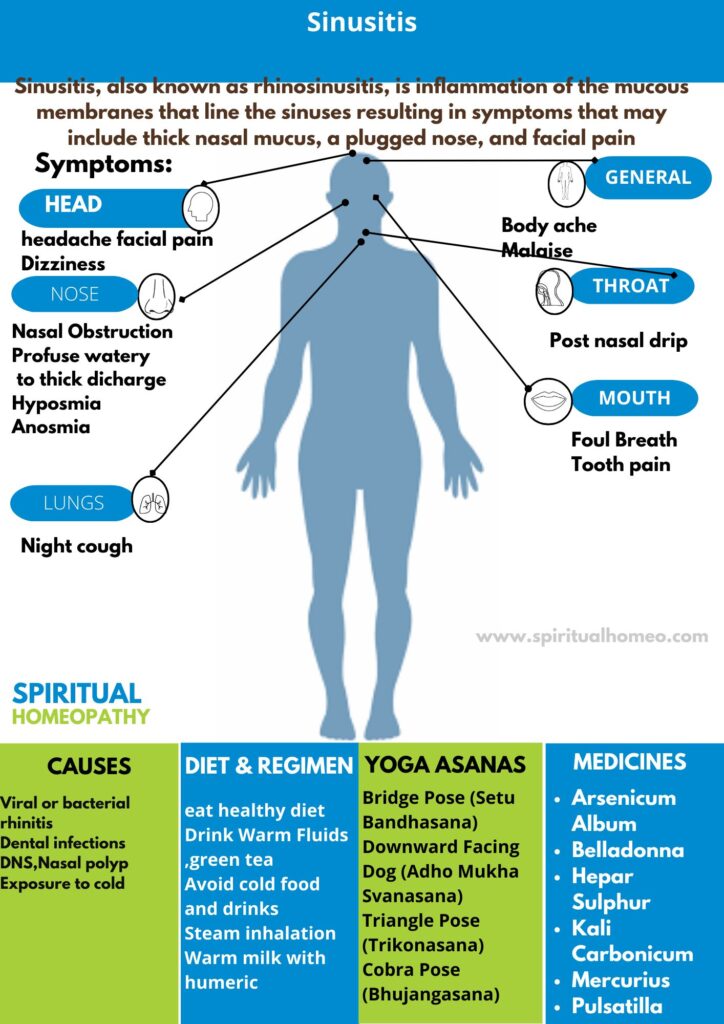
Sinusitis Classification, Causes, and Types
Sinusitis is an inflammatory condition affecting the paranasal sinuses and is classified primarily based on the duration of symptoms:
Acute sinusitis lasts less than 4 weeks
Chronic sinusitis persists for more than 12 weeks
Sinusitis most commonly develops due to viral infections, but it may also result from bacterial infections, allergic conditions, air pollution, or structural abnormalities within the nasal passages. Individuals with asthma, cystic fibrosis, or weakened immune systems may experience recurrent or prolonged episodes.
From an anatomical perspective, the maxillary sinuses are most frequently affected, followed by the ethmoid, frontal, and sphenoid sinuses. In many cases, more than one sinus is involved at the same time, a condition referred to as multi-sinusitis. When all sinuses on one or both sides are affected, it is termed pansinusitis (unilateral or bilateral).
Sinusitis is also categorized based on sinus drainage:
Open sinusitis: The sinus drainage pathways (nasal ostia) remain open, allowing mucus and inflammatory secretions to drain into the nasal cavity. Symptoms are often relatively milder.
Closed sinusitis: Drainage pathways are blocked, leading to mucus retention, increased pressure, more pronounced symptoms, and a higher risk of complications.
Understanding the type and underlying causes of sinusitis is important, as this guides an individualized care approach. Consultation is available at Spiritual Homeopathy Clinic across multiple branches in Hyderabad, as well as through online and international consultation options for appropriate evaluation and long-term management.
Acute sinusitis, also known as acute rhinosinusitis, is a short-term inflammation of the sinus lining. It commonly follows an upper respiratory tract infection and may be triggered by multiple exciting and predisposing factors.
These are direct triggers that initiate sinus inflammation:
Nasal Infections:
The most common cause is viral rhinitis (common cold), which can spread to the sinuses through continuity of the nasal and sinus mucosa or via submucosal lymphatics. Secondary bacterial infections may develop in some cases.
Swimming and Diving:
Infected water may enter the sinuses through their natural openings (ostia), particularly during diving. Chlorine exposure in swimming pools can also irritate the sinus lining and contribute to inflammation.
Facial Trauma:
Fractures or penetrating injuries involving the frontal, maxillary, or ethmoid sinuses can directly introduce pathogens. Barotrauma due to sudden pressure changes during air travel or diving may also play a role.
Dental Infections:
Dental infections, especially involving maxillary molars or premolars, and post-extraction complications can extend into the maxillary sinus and trigger inflammation.
These factors increase an individual’s susceptibility to sinus infections:
A. Local Factors
Obstruction of Sinus Ventilation and Drainage
Normal sinus health depends on effective ventilation and mucus drainage. Obstruction can lead to mucus retention and infection. Contributing conditions include:
Nasal packing
Deviated nasal septum
Hypertrophic turbinates
Allergic or vasomotor rhinitis causing ostial swelling
Anatomical abnormalities of ethmoidal air cells
Benign or malignant nasal tumors
Mucus Stasis in the Nasal Cavity
Thickened secretions (as seen in cystic fibrosis) or mechanical blockage due to adenoidal hypertrophy or choanal atresia can lead to stagnant mucus, increasing the risk of infection.
Previous Episodes of Sinusitis
Recurrent infections may impair local mucosal defenses, making the sinuses more prone to repeated inflammation.
B. General Factors
Environmental Influences
Acute sinusitis is more common in cold and damp climates. Exposure to air pollution, dust, smoke, and overcrowded living conditions further increases risk.
Poor General Health
Recent illnesses such as measles, chickenpox, or whooping cough can weaken immune defenses. Nutritional deficiencies, diabetes, and immune disorders may also predispose individuals to sinus infections.
Identifying both exciting and predisposing causes helps guide individualized care, as management may vary based on structural, environmental, and systemic factors. Evaluation is available at Spiritual Homeopathy Clinic through its multiple branches in Hyderabad, as well as via online and international consultations.
Headache or facial pain or pressure of a dull, constant, or aching nature over the affected sinuses is common in acute sinusitis. The pain is usually localized to the involved sinus and may worsen when bending forward or lying down. Pain often begins on one side of the head and may later involve both sides.
Acute sinusitis may be accompanied by thick nasal discharge, usually green in color, and it may sometimes contain pus or traces of blood. A localized headache or toothache is often present. These features help distinguish sinus-related headaches from other types such as tension or migraine headaches. Another distinguishing feature is that sinus-related pain typically worsens when the head is tilted forward.
Other symptoms associated with acute rhinosinusitis include cough, fatigue, hyposmia, anosmia, and a sensation of ear fullness or pressure.
A 2005 review suggested that many cases labeled as “sinus headache” are actually migraines. This overlap occurs because migraine involves activation of the trigeminal nerves, which supply both the sinus region and the meninges surrounding the brain. As a result, identifying the exact source of pain can be challenging. Individuals with migraine usually do not have the thick nasal discharge commonly seen in sinus infections.
Chronic sinusitis refers to long-standing sinus inflammation, often with persistent or recurring symptoms. These may include any combination of the following:
Nasal congestion
Facial pain or pressure
Headache
Night-time coughing
Increase in previously mild or controlled asthma symptoms
General malaise
Thick green or yellow nasal discharge
Feeling of facial fullness or tightness, which may worsen on bending forward
Dizziness, aching teeth, and/or bad breath
Reduced sense of smell (anosmia) in some cases
Chronic symptoms that persist for weeks or recur frequently may benefit from medical evaluation to assess contributing factors and guide long-term management. Consultations are available at Spiritual Homeopathy Clinic through its Hyderabad branches, as well as via online and international consultations.
Sinusitis, or a sinus infection, occurs when the sinus cavities become inflamed due to infection or other contributing factors. It commonly presents in two primary forms: acute sinusitis and chronic sinusitis. Understanding the symptom patterns of each helps support timely evaluation and appropriate management. Consultations are available at Spiritual Homeopathy Clinic through multiple branches in Hyderabad, as well as via online and international consultations.
Acute sinusitis typically develops after a common cold and usually lasts less than four weeks. Common symptoms include:
Facial pain or pressure: Dull, constant pain over the affected sinuses, often worsening when bending forward or lying down.
Thick nasal discharge: Green or yellow mucus, sometimes containing pus or traces of blood.
Headache or toothache: Localized pain that may intensify with head movement.
Nasal congestion: Difficulty breathing through the nose due to blocked nasal passages.
Ear pressure or fullness: A sensation of heaviness or discomfort in the ears.
Cough and sore throat: Often related to postnasal drip.
Fatigue and reduced sense of smell: General tiredness with partial loss of smell.
Fever: May be present in some cases, particularly when infection is more active.
It is important to note that many so-called “sinus headaches” may actually be migraines, as both conditions can share overlapping symptoms.
Chronic sinusitis is defined by symptoms that persist for 12 weeks or longer, even with prior treatment. Symptoms often overlap with acute sinusitis but tend to be longer-lasting:
Persistent nasal congestion and mucus discharge: Thick, discolored nasal secretions.
Facial pain or pressure: Ongoing discomfort around the eyes, cheeks, nose, or forehead.
Headache and toothache: Continuous or recurrent pain, sometimes worse on bending forward.
Postnasal drip: Mucus draining down the back of the throat, often causing cough.
Fatigue and malaise: Persistent tiredness and a general feeling of being unwell.
Reduced sense of smell or taste: In some cases progressing to anosmia.
Ear pressure or fullness: Ongoing sensation of blocked ears.
Bad breath: Related to prolonged mucus retention.
Worsening of asthma symptoms: In individuals with underlying asthma.
Long-standing inflammation may also be associated with nasal polyps, which can further affect sinus drainage.
If sinus symptoms are frequent, severe, or persist over weeks, professional evaluation is advised to identify contributing factors and guide appropriate care.
Managing sinusitis often involves addressing inflammation, supporting immune function, and promoting healthy sinus drainage. A well-balanced diet can play a supportive role in symptom management. Below is a practical dietary guide for individuals dealing with sinusitis.
Staying well hydrated is essential for thinning mucus and supporting sinus drainage. Dehydration can worsen sinus congestion, so regular fluid intake is important.
Water: Aim for adequate daily intake to help keep mucus thin and support drainage.
Herbal teas: Ginger, peppermint, and chamomile teas may help soothe the throat and support comfort.
Coconut water: Provides hydration along with natural electrolytes.
Soups & broths: Warm liquids such as vegetable or chicken broth can help ease congestion and support hydration.
Water-rich fruits & vegetables: Cucumbers, celery, watermelon, and oranges contribute to overall fluid intake.
Inflammation is a central feature of sinusitis. Including anti-inflammatory foods may help reduce sinus swelling and discomfort.
Ginger: Commonly used to support comfort and reduce inflammation; can be added to meals or taken as tea.
Turmeric: Contains curcumin, known for its anti-inflammatory properties; often added to soups or cooked foods.
Garlic: Traditionally included for its supportive role in immune health.
Berries: Blueberries, strawberries, and raspberries provide antioxidants that help counter inflammation.
Leafy greens: Spinach, kale, and similar greens are nutrient-dense and support overall health.
Omega-3 rich foods: Fish, flaxseeds, chia seeds, and walnuts contribute to an anti-inflammatory diet.
Vitamin C supports immune function and may be helpful during sinus infections.
Citrus fruits: Oranges, lemons, grapefruits, and kiwis are common sources.
Other sources: Bell peppers, broccoli, strawberries, and spinach also contain vitamin C.
Acerola cherries & guavas: Particularly rich sources that can be included as part of a balanced diet.
Zinc plays a role in immune response and recovery.
Pumpkin seeds, chickpeas, and lentils: Plant-based sources of zinc.
Other sources: Cashews, almonds, sunflower seeds, and similar nuts and seeds.
Maintaining gut health may indirectly support immune balance and inflammation control.
Probiotic-rich foods: Yogurt, kefir, kimchi, sauerkraut, and miso.
Fermented foods: Tempeh and fermented vegetables can support a healthy microbiome.
Spicy foods may help promote sinus drainage by thinning mucus in some individuals.
Cayenne pepper: Contains capsaicin, which may support nasal clearance.
Horseradish & mustard: Traditionally used to help open nasal passages.
Hot peppers: Such as chili peppers or jalapeños, may stimulate sinus drainage.
Along with dietary measures, certain daily habits may help support sinus comfort and overall well-being.
Rinsing the nasal passages with a saline solution using a neti pot or saline spray can help clear mucus and allergens. Use sterile water and follow proper hygiene practices.
Steam inhalation may help loosen mucus and ease nasal congestion. Inhaling steam from warm water can provide temporary relief when practiced safely.
Using a humidifier, especially in dry environments, helps maintain moisture in the air and may reduce sinus dryness and congestion.
Adequate rest supports immune function. Elevating the head during sleep may help reduce nighttime congestion.
Applying a warm compress over the forehead or cheeks can help relieve sinus pressure and facial discomfort.
Avoid exposure to cigarette smoke, strong odors, chemical fumes, dust, and allergens, as these can aggravate sinus symptoms.
Excessive intake of caffeine or alcohol may contribute to dehydration and worsen congestion. Moderation is advised.
If allergies contribute to sinus symptoms, medical guidance can help determine appropriate management strategies to reduce inflammation.
Yoga is a supportive, complementary approach for managing sinusitis symptoms. Certain postures may help improve sinus drainage, reduce congestion, and ease facial pressure. When practiced regularly and correctly, yoga can support overall respiratory comfort, but it should not replace medical evaluation or treatment.
Below are commonly recommended yoga asanas that may help relieve sinus-related discomfort.
Benefits:
This gentle inversion helps increase blood flow toward the head, which may encourage sinus drainage and reduce pressure.
How to Do It:
Start on your hands and knees, wrists under shoulders and knees under hips.
Lift your hips toward the ceiling, forming an inverted “V” shape.
Keep your head relaxed between your arms.
Hold for 20–30 seconds, then return slowly.
Tip: Maintain slow, steady breathing to support relaxation and comfort.
Benefits:
A restorative inversion that may assist mucus drainage and ease facial pressure.
How to Do It:
Sit close to a wall and gently lie back.
Extend your legs upward, resting them against the wall.
Keep arms relaxed at your sides or on the abdomen.
Stay for 5–10 minutes.
Tip: Focus on calm breathing and allow gravity to assist drainage naturally.
Benefits:
Helps open the chest and improve circulation, which may support relief from congestion.
How to Do It:
Lie on your back with knees bent and feet hip-width apart.
Press feet into the floor and lift hips upward.
Hold for 15–30 seconds, then lower gently.
Tip: Avoid straining the lower back; keep movements controlled.
Benefits:
Encourages chest expansion and may help improve airflow and nasal comfort.
How to Do It:
Lie face down with palms under shoulders.
Inhale and gently lift the chest while keeping hips grounded.
Hold for 15–30 seconds and release.
Tip: Keep the lift gentle to avoid excessive spinal strain.
Benefits:
Supports circulation and chest opening, which may help reduce nasal congestion.
How to Do It:
Stand with feet wide apart.
Turn one foot outward and extend arms sideways.
Reach toward the front foot while lifting the opposite arm upward.
Hold for 20–30 seconds on each side.
Tip: Keep the chest open and movements steady.
Benefits:
This breathing practice may help reduce nasal blockage and support relaxation.
How to Do It:
Sit comfortably with a straight spine.
Inhale through one nostril while closing the other, then alternate.
Continue for 5–10 minutes.
Tip: Practice slowly and comfortably without forcing the breath.
Benefits:
A forward fold that may help reduce sinus pressure by promoting blood flow to the head.
How to Do It:
Stand upright and bend forward from the hips.
Let the head relax downward.
Hold for 20–30 seconds, then rise slowly.
Tip: Slightly bend the knees if there is discomfort.
Benefits:
Gentle spinal movement that may help relieve tension in the neck and facial area.
How to Do It:
Begin on hands and knees.
Inhale into cow pose, exhale into cat pose.
Continue for 1–2 minutes with slow breathing.
Tip: Coordinate movement with breath for best comfort.
Homeopathy is a system of care that focuses on understanding the individual as a whole rather than addressing symptoms alone. It aims to support the body’s natural regulatory processes through an individualized and holistic approach. Treatment plans are tailored to a person’s physical symptoms, general health, and emotional factors, and are generally well-tolerated under professional guidance.
Homeopathy may be considered for both acute concerns and long-term conditions as part of a broader health management plan, based on careful clinical assessment.
At Spiritual Homeopathy Clinic, care is provided with an emphasis on individualized evaluation and long-term management. The clinical approach combines classical homeopathic principles with detailed case assessment to better understand contributing factors to illness.
Consultations are available across multiple branches in Hyderabad, as well as through online and international consultation services, allowing continuity of care for patients in different locations.
The clinical practice is guided by the following principles:
Individualized Care: Each case is assessed in detail to understand symptom patterns and contributing factors.
Personalized Management: Care plans are adapted to the individual’s health status, lifestyle, and response over time.
Qualified Clinical Team: Consultations are conducted by trained homeopathy practitioners, available in-clinic and online.
Supportive Approach: Homeopathy is used as part of a holistic framework, considering physical and emotional well-being.
Long-Term Perspective: Focus is placed on ongoing management rather than short-term symptom relief alone.
Each consultation involves a detailed discussion of medical history, current concerns, lifestyle factors, and overall health. This helps in developing an individualized care plan suited to the patient’s needs.
The approach aims to address contributing factors influencing the condition, with care plans reviewed and adjusted based on clinical response and follow-up assessments.
Regular follow-ups allow monitoring of progress, reassessment of symptoms, and appropriate modification of the management plan as required.
Spiritual Homeopathy Clinic maintains a patient-centered approach, emphasizing medical responsibility, safety, and continuity of care. Consultation is advised for persistent, recurrent, or unclear symptoms to ensure appropriate evaluation.
You should consult a healthcare professional if sinusitis symptoms become frequent, persistent, or begin to affect daily activities, work, or sleep. Early evaluation helps identify underlying triggers and reduces the risk of recurring or chronic sinus problems.
Seek consultation if you experience:
Ongoing or recurrent nasal congestion or blockage
Facial pain, pressure, or heaviness around the forehead, cheeks, or eyes
Thick nasal discharge or post-nasal drip
Headache that worsens on bending forward
Reduced sense of smell or taste
Pain in the upper teeth or jaw
Symptoms that worsen at night or disturb sleep
Sinus symptoms not improving with home care or lifestyle measures
At Spiritual Homeopathy Clinic, consultations for sinusitis are available at multiple branches in Hyderabad, including Kukatpally, Chandanagar, Dilsukhnagar, and Nallagandla. Online and international consultations are also available for patients who are unable to visit in person. A professional assessment supports an individualized care approach based on symptom pattern, duration, and overall health status.
For appointments or guidance, contact 9069 176 176.
Sinusitis, also known as a sinus infection, is the inflammation or swelling of the tissue lining the sinuses. This condition causes blockage of the sinuses, leading to symptoms such as facial pain, nasal congestion, headache, and thick nasal discharge.
Sinusitis can develop due to various factors, including:
Viral infections (most common cause)
Bacterial infections
Allergies (such as pollen, dust, or mold)
Nasal polyps or other physical blockages
Environmental factors like smoke and air pollution
Identifying contributing causes helps guide individualized care and long-term management.
Common symptoms may include:
Nasal congestion
Thick nasal discharge (yellow or green)
Facial pain or pressure
Headaches, especially around the forehead and cheeks
Coughing, often worse at night
Reduced sense of smell or taste
Fatigue
Medical consultation is advised if symptoms are frequent, persistent, or severe.
Sinusitis is usually diagnosed based on symptoms and medical history. In some cases, a physical examination or imaging studies such as CT scans or X-rays may be recommended to assess sinus involvement.
Acute sinusitis lasts for less than 4 weeks and often follows a cold or viral infection.
Chronic sinusitis lasts for more than 12 weeks and may be associated with persistent inflammation, allergies, or structural nasal issues.
Management depends on the underlying cause and duration of symptoms:
Viral sinusitis may improve with supportive measures such as nasal irrigation and steam inhalation.
Bacterial sinusitis may require medical evaluation and appropriate treatment.
Chronic sinusitis often needs long-term management focused on reducing inflammation and addressing contributing factors.
Homeopathy approaches sinusitis through individualized care aimed at overall balance and symptom management under professional guidance.
While prevention is not always possible, risk may be reduced by:
Avoiding known allergens and irritants
Keeping nasal passages moist using saline sprays or humidifiers
Practicing good hygiene, including regular handwashing
Avoiding smoking and secondhand smoke exposure
In rare cases, untreated sinusitis may lead to complications such as:
Ear infections
Spread of infection to nearby areas
Persistent or recurrent sinus inflammation requiring ongoing care
Timely consultation helps reduce the risk of complications.
Medical consultation is recommended if:
Symptoms last more than 10 days without improvement
Facial pain or fever is severe
Sinus infections recur frequently
You have asthma, immune conditions, or other chronic health concerns
Certain yoga postures and breathing exercises may help support sinus drainage and reduce congestion. Yoga should be considered a supportive measure and not a substitute for medical evaluation or treatment.
OTC medications may help relieve mild symptoms. However, nasal decongestant sprays should not be used for more than a few consecutive days. Consultation with a healthcare professional is advised, especially for individuals with other medical conditions.
Yes. Allergic reactions can cause nasal inflammation, which may block sinus drainage and increase the risk of sinusitis. Managing allergies appropriately can help reduce recurrence.
Acute sinusitis: A few days to up to 4 weeks
Chronic sinusitis: Symptoms persist for 12 weeks or longer and often require ongoing management
Yes. Sinusitis commonly develops after a cold when viral infection causes swelling of the nasal passages, leading to blocked sinuses.
Supportive home measures may include:
Saline nasal irrigation
Steam inhalation
Using a humidifier
Adequate fluid intake
Warm compresses applied to the face
These measures may provide symptom relief but do not replace professional evaluation.
WhatsApp us