
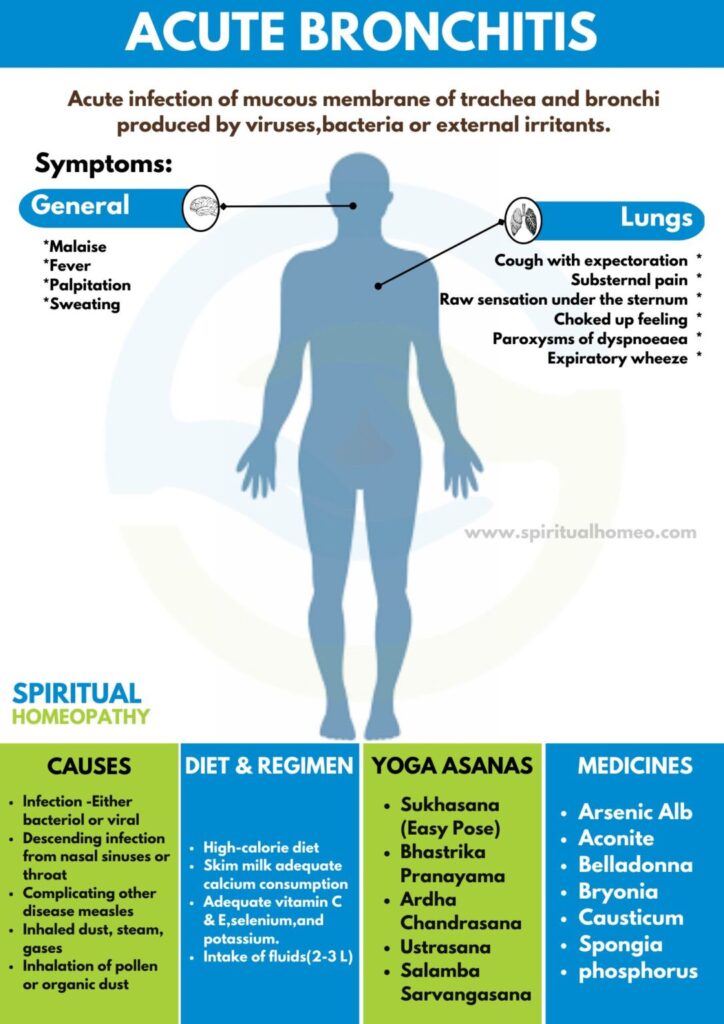
Acute Bronchitis

Heal acute bronchitis naturally with gentle and effective homeopathic care.

Acute Bronchitis

Effective Homeopathic Treatment for Acute Bronchitis

What Is Acute Bronchitis? – Causes, Symptoms & Natural Recovery

Acute bronchitis is a common respiratory condition that involves inflammation of the bronchial tubes—the airways responsible for moving air in and out of the lungs. This inflammation is usually caused by a viral infection, often the same viruses that lead to the common cold or flu (influenza).

When the bronchial tubes become irritated and swollen, it can lead to symptoms such as a persistent cough, chest discomfort, wheezing, and shortness of breath. These symptoms may vary in severity but are generally temporary.

The good news is that acute bronchitis is typically self-limiting, meaning it resolves on its own within a few weeks without the need for antibiotics or aggressive treatment. By recognizing the early signs and understanding the natural healing process, individuals can manage their symptoms more effectively and reduce the risk of complications.

Everything You Need to Know

Overview

Acute bronchitis is a common respiratory condition that occurs when the bronchial tubes—the airways that carry air to and from the lungs—become inflamed. This inflammation is most often caused by a viral infection, typically the same viruses responsible for the common cold or flu (influenza).

Although it can be uncomfortable, acute bronchitis is usually short-term and self-limiting, meaning it often improves within a few weeks with supportive care and proper medical guidance.

At Spiritual Homeopathy Clinic, consultations for acute bronchitis are available across multiple branches in Hyderabad, as well as through online and international consultation services, based on individual needs.

Common Symptoms of Acute Bronchitis

Persistent Cough: Often begins as a dry cough and may later produce mucus or phlegm.

Chest Discomfort: Mild pain, tightness, or a feeling of heaviness in the chest.

Sore Throat: Commonly appears before or along with other respiratory symptoms.

Fatigue: General tiredness is frequent, especially during the early phase of the illness.

Shortness of Breath or Wheezing: May occur, particularly in individuals with asthma or pre-existing respiratory conditions.

If these symptoms are severe, persistent, or recur frequently, medical consultation is advised for proper evaluation.

What Causes Acute Bronchitis?

Acute bronchitis develops when the bronchial tubes become inflamed due to infections or exposure to harmful irritants. Understanding the common causes can help reduce recurrence risk and support timely medical care.

1. Viral Infections (Most Common Cause)

Most cases of acute bronchitis are caused by viral infections, including rhinovirus, influenza (flu), and respiratory syncytial virus (RSV). These viruses spread easily through coughing, sneezing, or contact with contaminated surfaces, making transmission common.

2. Bacterial Infections

Although less frequent, bacterial infections may also trigger acute bronchitis. Organisms such as Mycoplasma pneumoniae and Bordetella pertussis can cause bronchial inflammation, often as a secondary infection following a viral illness.

3. Environmental Irritants and Pollutants

Repeated exposure to irritants can inflame the bronchial lining and increase susceptibility to bronchitis. Common triggers include:

  • Cigarette smoke

  • Air pollution

  • Dust and chemical fumes

  • Allergens

Individuals working in industrial environments or living in areas with high pollution levels may be at increased risk.

4. Weakened Immune System

A weakened immune system due to chronic illness, prolonged stress, or certain medical treatments can reduce the body’s ability to fight infections, increasing vulnerability to bronchitis-causing viruses and bacteria.

5. Pre-existing Lung Conditions

People with underlying respiratory conditions such as asthma, chronic obstructive pulmonary disease (COPD), or allergic bronchitis are more prone to airway inflammation, making them more susceptible to acute bronchitis.

Identifying the contributing cause helps guide individualized care and long-term management, which is an important part of clinical evaluation.

Types of Acute Bronchitis

1. Viral Acute Bronchitis

This is the most common type and is usually caused by viruses such as the influenza virus, rhinovirus, or respiratory syncytial virus (RSV).

Symptoms may include:

  • Persistent cough

  • Mild chest discomfort

  • Fatigue

  • Clear or white mucus production

It often develops after a common cold or flu and generally improves within a few weeks with appropriate care and monitoring.

2. Bacterial Acute Bronchitis

Less common than viral bronchitis, this type is caused by bacteria such as Mycoplasma pneumoniae or Streptococcus pneumoniae.

Symptoms are often more pronounced and may include:

  • Fever

  • Thick yellow or green mucus

  • Severe or prolonged cough

Clinical evaluation is important to confirm bacterial involvement and guide further management.

3. Acute Bronchitis Due to Irritants

Exposure to environmental irritants such as cigarette smoke, air pollution, chemical fumes, or dust can lead to inflammation of the bronchial tubes.

Symptoms are similar to viral bronchitis but occur without an active infection. Avoiding the triggering factor and supportive measures may help reduce symptom severity.

4. Recurrent Acute Bronchitis

Some individuals experience repeated episodes of acute bronchitis, particularly those with asthma, chronic obstructive pulmonary disease (COPD), or a weakened immune system.

Frequent recurrence may suggest an underlying respiratory condition and should be evaluated for individualized care and long-term management.

Signs and Symptoms of Acute Bronchitis

Acute bronchitis is a temporary inflammation of the bronchial tubes and usually develops after a viral infection such as the common cold or flu. Symptoms can vary in severity but often improve within a few weeks. Early recognition of symptoms helps with timely care and monitoring.

Common Symptoms of Acute Bronchitis

🔹 Persistent Cough
The most prominent symptom is a lingering cough, which may begin as dry and later produce mucus or phlegm (white, yellow, or green). The cough may persist for two to three weeks, even after other symptoms improve.

🔹 Chest Discomfort or Tightness
Many individuals experience mild chest pain, tightness, or pressure due to airway inflammation. This discomfort may increase with deep breathing or repeated coughing.

🔹 Sore Throat
A sore throat is common in the early stages of acute bronchitis and may appear before the cough develops.

🔹 Fatigue
General tiredness or fatigue is frequently reported and is often related to the body’s immune response to infection.

🔹 Shortness of Breath & Wheezing
Some individuals may notice shortness of breath, especially during physical activity. Wheezing can occur, particularly in those with asthma or existing respiratory conditions.

🔹 Mild Fever
A low-grade fever may be present, although high fever is uncommon in most viral cases of acute bronchitis.

🔹 Nasal Congestion or Runny Nose
Although bronchitis affects the lower respiratory tract, nasal congestion or a runny nose may also occur due to the underlying viral infection.

If symptoms are severe, recur frequently, or do not improve over time, medical consultation is recommended for appropriate evaluation.

Diet & Regimen for Acute Bronchitis

Eating the right foods during acute bronchitis can help support the immune system, reduce inflammation, and aid recovery. A balanced, nutrient-rich diet plays an important role in symptom management and overall respiratory health.

🥣 1. Stay Well-Hydrated
Adequate hydration helps thin mucus, soothe a sore throat, and keep the airways moist. Consider including:

  • Warm water

  • Herbal teas (such as ginger, chamomile, or licorice root)

  • Clear broths and soups

  • Fresh fruit juices with minimal added sugar

Sugary drinks and excess caffeine may contribute to dehydration and are best limited.

🥦 2. Eat Nutrient-Dense Foods
Supporting immunity through diet may help recovery. Include:

  • Fruits and vegetables rich in vitamins and antioxidants

  • Whole grains such as oats, brown rice, and quinoa

  • Lean protein sources like lentils, eggs, chicken, tofu, or fish

These foods help maintain energy levels and support tissue repair.

🍊 3. Boost Vitamin C Intake
Vitamin C is associated with immune support during respiratory infections. Sources include:

  • Citrus fruits such as oranges, lemons, and grapefruits

  • Berries and kiwi

  • Bell peppers

  • Leafy greens like spinach and kale

  • Broccoli and Brussels sprouts

🐟 4. Focus on Anti-Inflammatory Foods
Foods with anti-inflammatory properties may help ease airway irritation, including:

  • Fatty fish like salmon, sardines, or mackerel

  • Nuts and seeds, especially walnuts and flaxseeds

  • Olive oil

  • Spices such as turmeric and ginger

🍲 5. Choose Warm, Comforting Meals
Warm foods can soothe the throat and help loosen mucus. Options include:

  • Vegetable or chicken soups

  • Steamed or lightly sautéed vegetables

  • Herbal teas with honey and lemon

  • Soft, easily digestible foods like porridge or khichdi

🧄 6. Add Garlic and Onions
Garlic and onions contain natural compounds that may support immune and respiratory health and can be included regularly in meals.

🚫 7. Avoid Foods That May Trigger Symptoms
It may be helpful to limit:

  • Spicy or fried foods that can irritate the throat

  • Highly processed or sugary foods

  • Alcohol and excessive caffeine

  • Dairy products, if they increase mucus production (this can vary by individual)

⚖️ 8. Maintain a Healthy Weight
Maintaining a balanced diet and healthy weight can reduce strain on the lungs and support easier breathing during recovery.

Dietary guidance may vary depending on individual symptoms, overall health, and tolerance, and should be adapted accordingly.

Yoga Asanas for Acute Bronchitis

Yoga can serve as a supportive, complementary approach in managing symptoms of acute bronchitis by promoting relaxation and aiding breathing comfort. Certain asanas (postures) may help open the chest, support airway clearance, and encourage gentle lung expansion. They can also assist with circulation and stress reduction, which may support the body’s recovery process.

These practices are intended to support overall well-being and should not replace medical evaluation or treatment, especially during active respiratory symptoms.

Recommended Asanas:

Bhujangasana (Cobra Pose) – Helps expand the chest and may support lung capacity and posture.

Setu Bandhasana (Bridge Pose) – Assists in opening the chest area, improving circulation, and relieving upper body tightness.

Anulom Vilom (Nadi Shodhana Pranayama) – A controlled breathing technique that may help calm the respiratory system and ease congestion.

Ustrasana (Camel Pose) – Gently stretches the chest and may support deeper breathing.

Yoga practices should be performed gently and within individual limits, preferably under guidance, especially during illness.

Why Choose Homeopathy?

Homeopathy is a system of care that focuses on understanding the individual as a whole rather than addressing symptoms alone. It aims to identify contributing factors to illness while supporting the body’s natural regulatory processes.

Homeopathic care is based on individualized assessment, considering physical symptoms, lifestyle factors, and overall health status. It is commonly used for both acute and chronic conditions as part of a long-term management approach under professional guidance.

Spiritual Homeopathy Clinic: Approach to Care

At Spiritual Homeopathy Clinic, care is centered on a comprehensive understanding of the patient’s health concerns. The clinical approach combines classical homeopathic principles with structured case evaluation to support physical and emotional well-being.

Consultations are available across multiple branches in Hyderabad, with options for online and international consultations based on patient needs.

Why Spiritual Homeopathy Clinic?

The clinical approach focuses on personalized evaluation and responsible care planning. Key aspects of practice include:

  • Individualized Care: Each case is assessed based on symptoms, medical history, and personal health factors.

  • Contributing Factors: Treatment planning aims to address factors that may influence illness progression.

  • Clinical Experience: The medical team provides structured consultations through in-clinic and online modes.

  • Holistic Perspective: Physical, emotional, and lifestyle aspects are considered as part of overall care.

Treatment Process

1. Detailed Consultation

Consultation involves a structured discussion of symptoms, health history, lifestyle patterns, and associated concerns. This helps form a clear clinical understanding before planning care.

2. Holistic Care Planning

Care is planned based on individual presentation and clinical assessment. Homeopathic treatment focuses on long-term management and is generally well-tolerated when followed under professional supervision.

3. Follow-Up and Monitoring

Regular follow-ups help monitor symptom changes and overall response to care. Adjustments are made based on progress and clinical evaluation.

Patient Care Focus

Spiritual Homeopathy Clinic follows a patient-centered approach that emphasizes safety, clarity, and responsible medical guidance. Care plans are designed to support overall health while respecting individual differences and medical needs.

Patients are advised to seek professional consultation before starting or modifying any treatment, especially if symptoms persist or worsen.

When to Consult

You should consult a healthcare professional if acute bronchitis symptoms are frequent, persistent, or start affecting daily activities, work, or sleep. Early evaluation helps identify triggers, manage symptoms appropriately, and reduce the risk of complications.

Seek consultation if you experience:

  • Persistent cough lasting more than a few days

  • Cough with thick mucus or chest congestion

  • Wheezing or shortness of breath

  • Chest discomfort while coughing or breathing

  • Fever, fatigue, or body weakness

  • Symptoms that worsen at night or disturb sleep

  • Symptoms not improving with rest and basic home care

At Spiritual Homeopathy Clinic, consultations are available at multiple branches in Hyderabad, including Kukatpally, Chandanagar, Dilsukhnagar, and Nallagandla. Online and international consultations are also available for patients who are unable to visit in person. A professional assessment helps create an individualized care approach based on symptoms and overall health.

📞 For appointments or guidance, contact 9069 176 176.


FAQ – Acute Bronchitis

1. What is acute bronchitis?
Acute bronchitis is a short-term inflammation of the bronchial tubes, which are the airways that carry air to and from the lungs. It is most commonly caused by a viral infection, such as those responsible for the common cold or influenza.

2. What are the symptoms of acute bronchitis?
The primary symptom is a persistent cough, which may produce mucus. Other commonly reported symptoms include:

  • Sore throat

  • Chest discomfort or tightness

  • Shortness of breath or wheezing

  • Mild fever and chills

  • Fatigue and body aches

3. How long does acute bronchitis last?
In many cases, acute bronchitis improves within 1 to 3 weeks. However, the cough may continue for several weeks even after other symptoms begin to resolve.

4. How is acute bronchitis diagnosed?
Diagnosis is usually based on a clinical examination and review of symptoms. In certain situations, additional tests such as a chest X-ray may be advised to rule out other respiratory conditions.

5. Can acute bronchitis be treated with antibiotics?
Antibiotics are generally not helpful for viral bronchitis. Management typically focuses on supportive care. Antibiotics may be considered only if a bacterial infection is clinically suspected.

6. What helps relieve symptoms of acute bronchitis?
Supportive measures that may help ease symptoms include:

  • Adequate rest

  • Maintaining hydration with fluids

  • Using humidified air or steam inhalation

  • Simple dietary and lifestyle measures to support recovery

Care should be guided by a healthcare professional if symptoms persist.

7. When should I see a doctor?
Medical consultation is recommended if you experience:

  • High or persistent fever

  • Difficulty breathing or wheezing

  • Chest pain

  • Symptoms lasting longer than three weeks

  • A history of chronic illness, asthma, or COPD

8. Can acute bronchitis cause complications?
Most cases are mild, but complications such as pneumonia may occur, particularly in older adults or individuals with weakened immunity. Early medical evaluation can help reduce risks.

9. How can acute bronchitis be prevented?
Preventive measures include:

  • Regular hand hygiene

  • Avoiding close contact with infected individuals

  • Seasonal flu vaccination when advised

  • Avoiding smoking and polluted environments

  • Maintaining balanced nutrition and adequate sleep

For recurrent or persistent symptoms, professional evaluation helps guide appropriate long-term management.