
Acute pancreatitis

"Unraveling Acute Pancreatitis: From Etiology to Treatment Outcomes"

Acute pancreatitis

Homeopathy treatment for Acute Pancreatitis

Acute Pancreatitis: Causes, Risk Factors, and Prognosis

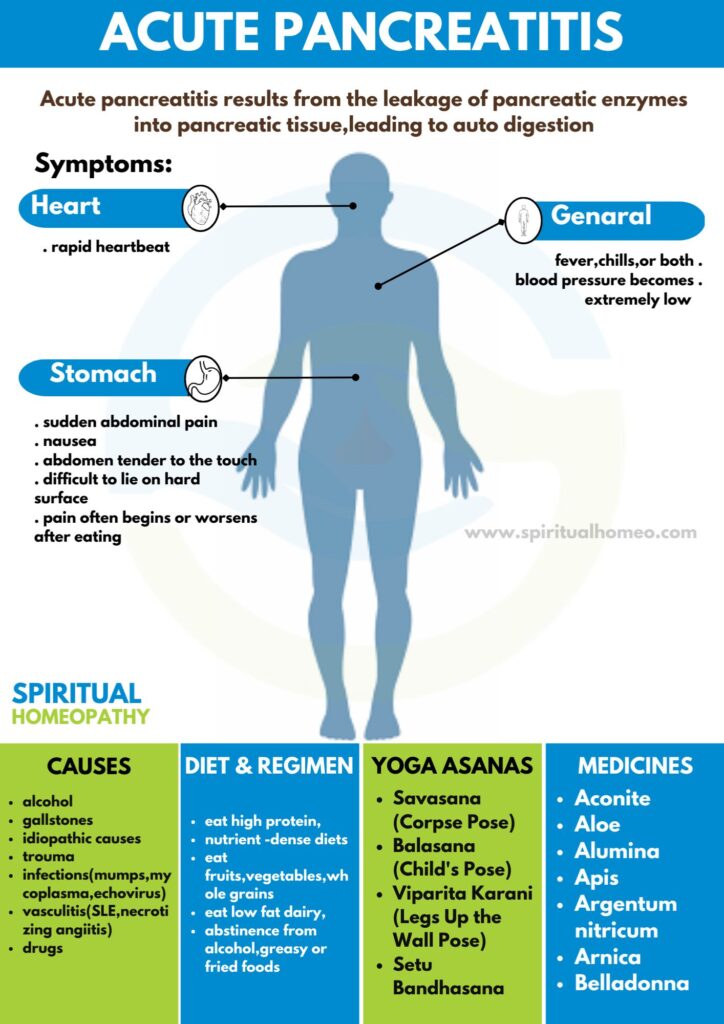
Acute pancreatitis is a sudden inflammation of the pancreas that can range from mild swelling to severe tissue damage, including necrosis or hemorrhage. It can occur in both acute and chronic forms. The causes of acute pancreatitis often vary by gender: in men, it’s most commonly linked to chronic alcohol use, abdominal trauma, or complications from peptic ulcers. In women, the condition is more frequently associated with gallbladder and biliary tract diseases. The overall prognosis depends on the underlying cause—patients with biliary-related pancreatitis generally have a better outcome, while those with alcohol-related pancreatitis often face a more complicated and less favorable recovery.

Everything You Need to Know

Overview of Acute Pancreatitis

Acute pancreatitis is a condition in which digestive enzymes leak into the pancreatic tissue, causing inflammation and damage to the pancreas. It is more common than chronic pancreatitis and can vary in severity, ranging from mild discomfort to a potentially serious, life-threatening condition.

Mild cases often respond to conservative management, including rest, hydration, and careful monitoring, while severe cases may lead to complications requiring intensive medical care. Early diagnosis and timely treatment are essential for better outcomes.

At Spiritual Homeopathy Clinic, we offer in-clinic, online, and international consultations to guide patients on supportive care and natural approaches that may complement conventional management, focusing on overall pancreatic health and recovery.

Causes of Acute Pancreatitis

Acute pancreatitis can develop from various factors, with some being more common than others. Understanding the underlying cause is important for effective management and prevention of recurrence. Consultations at Spiritual Homeopathy Clinic are available at our Hyderabad branches, as well as online and international consultations, to guide individualized care.

Common Causes

  • Alcohol Consumption: Chronic alcohol use is a frequent contributor, especially in men.

  • Gallstones: Blockage of the bile duct can trigger pancreatic inflammation.

  • Idiopathic Causes: In some cases, the exact cause remains unclear despite thorough evaluation.

Less Common Causes

  • Postoperative Complications: Certain procedures, including ERCP, may occasionally lead to pancreatitis.

  • Trauma: Direct abdominal injury can initiate inflammation in the pancreas.

  • Metabolic Disorders: Conditions like kidney failure, hyperparathyroidism, or acute fatty liver of pregnancy may increase risk.

  • Hereditary Factors: Genetic mutations can predispose individuals to recurrent pancreatitis.

  • Infections: Viral or bacterial infections such as mumps, mycoplasma, or echovirus can affect the pancreas.

  • Vasculitis: Autoimmune disorders like Systemic Lupus Erythematosus (SLE) or necrotizing angiitis can inflame vessels supplying the pancreas.

  • Obstruction of the Ampulla of Vater: Crohn’s disease, duodenal diverticulitis, or penetrating duodenal ulcers may block this critical region.

  • Medications: Certain drugs have been linked to pancreatitis as a rare complication.

  • Hypotension: Low blood pressure, often due to fluid loss, vasodilation, or myocardial factors, occurs in nearly half of all acute pancreatitis cases.

Note: Identifying the specific cause is essential for designing an individualized management plan and supporting long-term pancreatic health.

Types of Pancreatitis

Pancreatitis is generally classified into two main types, each with distinct characteristics, causes, and management considerations. Consultations are available at Spiritual Homeopathy Clinic through our Hyderabad branches (Kukatpally, Chandanagar, Dilsukhnagar, Nallagandla), as well as online and international consultations, to guide individualized care.

1. Acute Pancreatitis

Acute pancreatitis is a sudden inflammation of the pancreas that develops rapidly and may last for a few days. It is often triggered by gallstones, alcohol use, or certain medications. Many mild cases respond well to supportive measures, while severe cases can lead to complications and require urgent medical attention. Early assessment and monitoring are important to reduce risks.

2. Chronic Pancreatitis

Chronic pancreatitis is a long-term condition characterized by ongoing inflammation and permanent damage to the pancreas. It is commonly associated with prolonged alcohol use or genetic factors. Over time, the pancreas may lose its ability to function effectively, potentially leading to digestive difficulties and diabetes. Ongoing management focuses on symptom support and overall health maintenance.

Note: Identifying the type of pancreatitis is essential for personalized treatment and long-term management.

Signs and Symptoms of Acute Pancreatitis

The hallmark symptom of acute pancreatitis is abdominal pain—almost every patient experiences it. The intensity, location, and progression of the pain can vary from person to person.

Characteristics of Pancreatitis Pain

  • Sudden or Gradual Onset: Pain may start suddenly and be intense immediately, or develop gradually over several hours, beginning as mild discomfort and worsening over time.

  • Location of Pain: Typically felt in the upper middle or upper left abdomen, often radiating to the back, with a deep, burning sensation.

  • Pain After Eating: Pain frequently worsens after meals.

  • Duration: The pain may persist for several days.

  • Worsens When Lying Down: Discomfort often increases when lying flat on the back and may be somewhat relieved by sitting upright or leaning forward.

Other Common Symptoms

  • Nausea and Vomiting: Nausea is very common, and vomiting may occur but usually does not relieve the pain.

  • Fever and Chills: Indicate inflammation or a possible underlying infection.

  • Swollen, Tender Abdomen: The abdomen may appear bloated and be sensitive to touch.

  • Rapid Heartbeat: Pain, fever, dehydration, or internal bleeding can cause a fast pulse.

Severe Cases: Dehydration and Shock

In serious cases, acute pancreatitis can lead to dehydration, low blood pressure, or circulatory shock, especially with significant vomiting, fluid loss, or internal bleeding. If left untreated, vital organs may not receive adequate blood flow, which can be life-threatening.

Consultation Note: If you experience frequent or severe abdominal pain, persistent nausea, vomiting, or signs of dehydration, it is important to seek prompt medical assessment. Spiritual Homeopathy Clinic offers consultations at our Hyderabad branches (Kukatpally, Chandanagar, Dilsukhnagar, Nallagandla), as well as online and international consultations, to provide individualized guidance and care.

Diet, Lifestyle, and Risk Factors for Pancreatitis

Certain lifestyle and health factors can significantly increase the risk of acute or chronic pancreatitis. Understanding and addressing these factors is important for prevention and long-term pancreatic health.

Major Risk Factors for Pancreatitis

  • Excessive Alcohol Consumption: Regular heavy drinking—about four to five alcoholic drinks per day—can damage pancreatic cells and trigger enzyme activation, leading to inflammation.

  • Cigarette Smoking: Smoking is an often-overlooked risk factor. Smokers are approximately three times more likely to develop chronic pancreatitis than non-smokers. Quitting smoking can substantially reduce this risk.

  • Obesity: Being overweight or having excess abdominal fat is associated with a higher risk of pancreatitis. It contributes to inflammation and insulin resistance, both of which place additional strain on the pancreas.

  • Diabetes: Individuals with diabetes, particularly poorly controlled Type 2 diabetes, have an increased risk due to changes in insulin production and glucose metabolism that affect pancreatic function.

  • Family History and Genetics: Genetic predisposition plays a role, especially in chronic pancreatitis. A family history of the condition increases risk, particularly when combined with lifestyle factors such as alcohol consumption or smoking.

Understanding the Pathophysiology of Acute Pancreatitis

Acute pancreatitis begins when digestive enzymes are activated inside the pancreas instead of in the small intestine, causing the pancreas to start digesting itself.

  • Disruption of Cell Compartments: Loss of normal intracellular and extracellular compartmentation interferes with enzyme storage and secretion.

  • Blocked Secretory Transport: Inflammation or gallstones may obstruct pancreatic ducts, causing premature enzyme activation.

  • Biliary Pancreatitis: Gallstone-related cases involve pressure buildup in the ducts and the effects of bile salts, which can damage pancreatic tissue and promote enzyme leakage.

Dietary and Lifestyle Guidance: Maintaining a healthy weight, limiting alcohol intake, avoiding smoking, and managing diabetes are practical steps to reduce risk. Consultation with Spiritual Homeopathy Clinic—available at our Hyderabad branches (Kukatpally, Chandanagar, Dilsukhnagar, Nallagandla), as well as online and international—can provide individualized guidance tailored to your lifestyle, dietary needs, and overall health.

Yoga Asanas for Acute Pancreatitis Relief

While acute pancreatitis requires medical treatment and rest during the initial phase, gentle yoga can support recovery and aid digestive health once acute symptoms have subsided. Always consult your doctor or a homeopathy professional at Spiritual Homeopathy Clinic before starting yoga during recovery. Our Hyderabad branches (Kukatpally, Chandanagar, Dilsukhnagar, Nallagandla) and online consultations can provide guidance tailored to your condition.

Recommended Yoga Asanas

  • Balasana (Child’s Pose): A gentle resting pose that eases abdominal tension and promotes relaxation of the pancreas.

  • Supta Baddha Konasana (Reclining Bound Angle Pose): Helps relieve abdominal pressure and supports better digestion.

  • Bhujangasana (Cobra Pose): Stimulates abdominal organs, improves blood circulation, and aids digestive system recovery.

  • Ardha Matsyendrasana (Seated Spinal Twist): Encourages detoxification by gently massaging abdominal organs and improving digestive flow.

  • Pawanmuktasana (Wind-Relieving Pose): Reduces bloating and enhances digestive function.

Breathing & Meditation

Incorporate deep breathing (Pranayama) and guided meditation to reduce stress, which can contribute to inflammation and digestive disorders.

Important Note: Avoid strenuous poses or any movements that put direct pressure on the abdomen during the acute phase. Gentle, mindful yoga combined with proper rest supports long-term pancreatic health and overall well-being.

Why Choose Spiritual Homeopathy?

At Spiritual Homeopathy Clinic, we follow a holistic approach to healing that blends classical homeopathic principles with a deep awareness of the mind-body-spirit connection. Our experienced practitioners combine professional expertise with compassionate care, offering individualized treatment plans designed to support overall well-being.

Our Healing Philosophy

True healing occurs when the physical, emotional, and spiritual aspects of health are in balance. We focus on uncovering and addressing the root causes of imbalance rather than just treating symptoms. Our approach supports the body’s natural healing abilities and promotes long-term wellness and inner balance.

What We Offer

  1. Personalized Consultations
    Our skilled practitioners provide in-depth consultations—available in-clinic across Hyderabad (Kukatpally, Chandanagar, Dilsukhnagar, Nallagandla), online, and international. We take time to understand your health concerns, lifestyle, and emotional well-being, creating a space where your story and health goals are central.

  2. Natural, Gentle Remedies
    We offer carefully selected homeopathic remedies designed to support a wide range of health concerns, from acute to chronic conditions. These remedies are generally well-tolerated, non-invasive, and suitable for all age groups.

  3. Ongoing Follow-Up and Support
    Healing is a journey, and we guide you throughout. Our team provides regular follow-ups to monitor progress, adjust treatment plans, and provide continuous support for optimal results.

Our Commitment to Your Wellness

Your health and well-being are our top priorities. Whether managing specific health challenges or aiming for overall wellness, Spiritual Homeopathy Clinic supports you with empathy, integrity, and a focus on holistic healing.

When to Consult

You should consult a healthcare professional if acute pancreatitis symptoms appear suddenly, become severe, or begin to affect daily activities and overall comfort. Early evaluation is important to identify the cause, manage symptoms, and reduce the risk of complications.

Seek consultation if you experience:

  • Sudden or severe upper abdominal pain, often spreading to the back

  • Abdominal pain that worsens after eating

  • Nausea or repeated vomiting

  • Fever or general weakness

  • Abdominal tenderness or bloating

  • Loss of appetite or difficulty eating

  • Symptoms not improving or becoming more intense over time

At Spiritual Homeopathy Clinic, consultations are available at multiple branches in Hyderabad, including Kukatpally, Chandanagar, Dilsukhnagar, and Nallagandla. Online and international consultations are also available for patients who cannot visit in person. A professional assessment supports an individualized care approach based on symptoms and overall health status.

📞 For appointments or guidance, contact 9069 176 176.

Frequently Asked Questions (FAQ) About Acute Pancreatitis

  1. What is Acute Pancreatitis?
    Acute pancreatitis is a condition involving sudden inflammation of the pancreas, which may include swelling (edema), tissue damage (necrosis), or internal bleeding (hemorrhage). It develops rapidly and can range from mild discomfort to severe illness, often requiring timely medical attention.

  2. What Causes Acute Pancreatitis?
    Acute pancreatitis can result from multiple factors, including:

    • Excessive alcohol consumption

    • Gallstones blocking the bile duct

    • Physical trauma to the abdomen

    • Metabolic disorders such as kidney issues or high calcium levels

    • Genetic predisposition or family history of pancreatitis

    • Infections such as mumps or mycoplasma

    • Autoimmune conditions like vasculitis

    Identifying the underlying cause is essential for individualized care and effective management.

  3. What Are the Signs and Symptoms of Acute Pancreatitis?
    Common symptoms may include:

    • Severe abdominal pain, sudden or gradually increasing, often radiating to the back

    • Pain that worsens after meals or while lying flat

    • Nausea and vomiting

    • Fever and chills

    • Abdominal bloating and tenderness

    • Rapid heartbeat, often linked to fever, dehydration, or internal stress

    Consult a qualified doctor if symptoms are frequent, severe, or worsening.

  4. How Can Homeopathy Help in Acute Pancreatitis?
    Homeopathy provides an individualized and gentle approach that addresses contributing factors and supports the body’s natural healing processes. Practitioners focus on your unique symptoms, overall health, and emotional well-being to design personalized treatment plans. Consult a qualified homeopathic doctor at Spiritual Homeopathy Clinic, available in Hyderabad branches, online, and international consultations, for proper evaluation and guidance.