Types of Acute Stress Disorder (ASD)
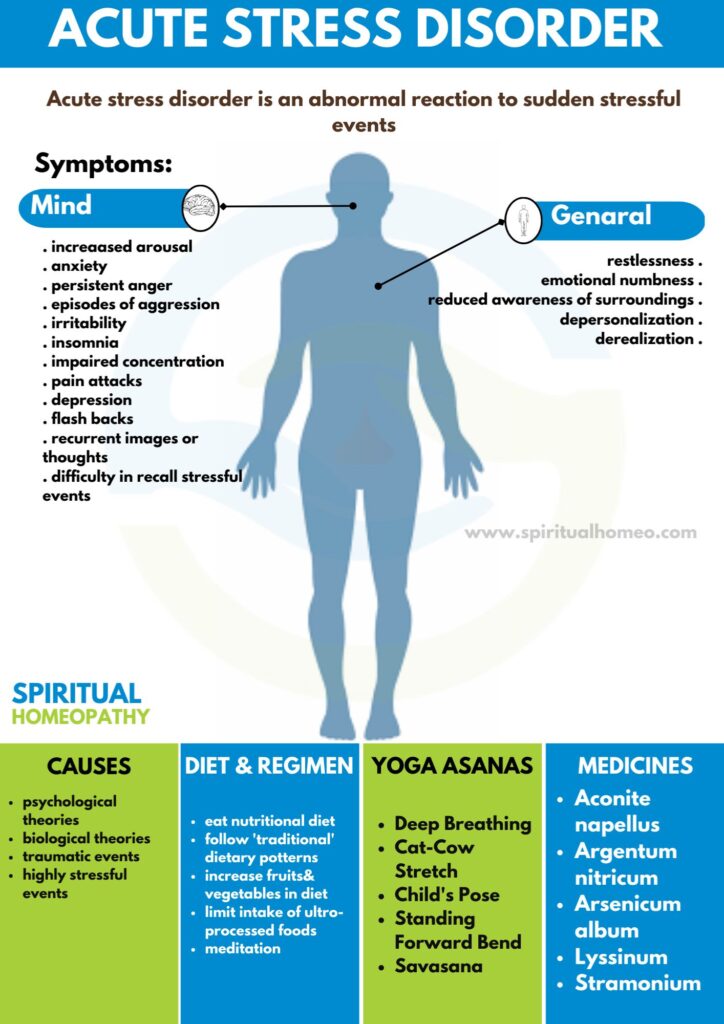
Acute Stress Disorder (ASD) is a short-term mental health condition that can develop after a person experiences or witnesses a traumatic event. Symptoms typically appear within 3 days to 4 weeks of the trauma and can affect daily life and emotional well-being.
1. Dissociative Type
This type is marked by dissociative symptoms, where individuals may feel disconnected from themselves or their surroundings. Common experiences include:
-
Emotional numbness or detachment
-
Memory gaps related to the traumatic event
-
A sense of unreality or feeling in a dream-like state
Those with this type may struggle to process the trauma fully due to their sense of detachment.
2. Non-Dissociative Type
This form does not involve dissociation but presents as intense psychological distress, such as:
-
Severe anxiety and restlessness
-
Persistent intrusive thoughts about the trauma
-
Irritability or anger outbursts
-
Trouble concentrating
Physical symptoms, like a rapid heartbeat or sweating when reminded of the trauma, may also occur.
3. With Depersonalization
Individuals feel disconnected from their own body or mental processes, sometimes describing a sensation of watching themselves from outside or that their actions don’t feel their own.
4. With Derealization
This type involves a sense that the world feels strange, unreal, or distorted. People may describe surroundings as foggy, distant, or dream-like, even though they recognize them as real.
5. Mixed Symptoms
Some individuals experience a blend of dissociative and non-dissociative symptoms, including:
-
Flashbacks or vivid memories
-
Feelings of unreality or detachment
-
Heightened emotional responses and mood swings
This mixed presentation can make ASD harder to recognize and manage.
Common Symptoms of Acute Stress Disorder
Regardless of type, typical symptoms may include:
-
Flashbacks or reliving the traumatic event
-
Nightmares or sleep disturbances
-
Severe anxiety or panic attacks
-
Emotional numbness or mood swings
-
Difficulty concentrating or functioning normally
Homeopathy and Supportive Care
Management of ASD often involves personalized care focusing on both emotional and physical well-being. At Spiritual Homeopathy Clinic, our practitioners provide in-clinic, online, and international consultations, offering guidance on supportive therapies and stress management strategies tailored to each individual.
Early intervention is key to preventing progression to long-term conditions like Post-Traumatic Stress Disorder (PTSD).
When to Seek Help
If symptoms persist or interfere with daily life after a traumatic event, it is important to seek professional support promptly. Consulting a qualified mental health or homeopathy professional can help develop safe and effective management plans.