
Adjustment disorder

"What You Need to Know About Adjustment Disorder and Mental Health"

Adjustment disorder

Homeopathy treatment for Adjustment Disorder

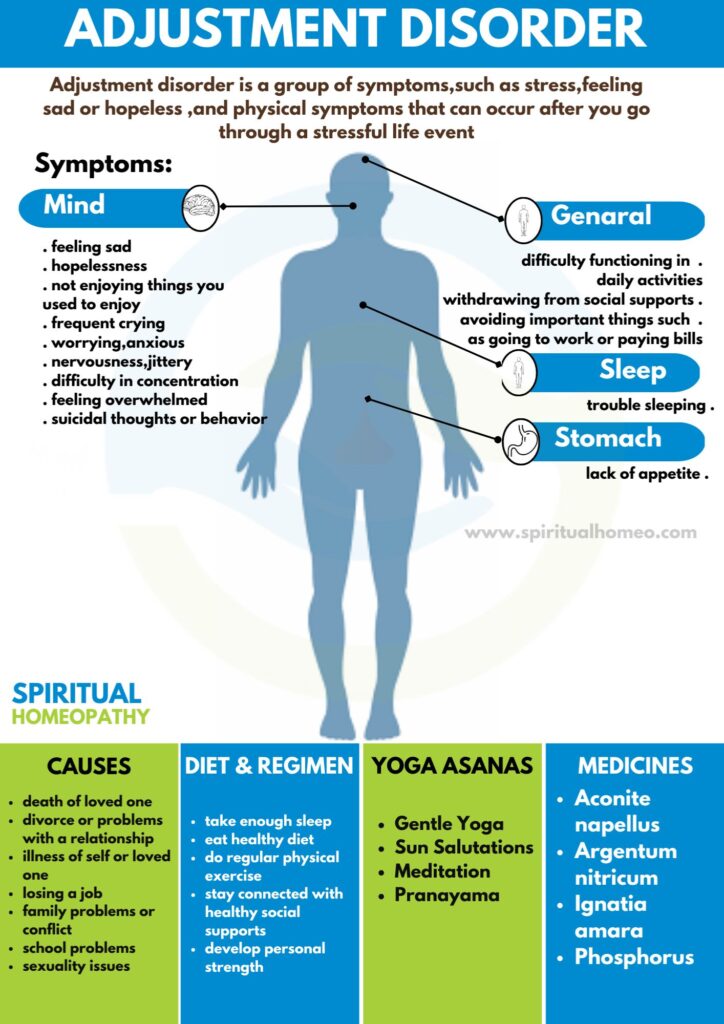
Adjustment disorder is a condition characterized by symptoms like stress, feelings of sadness or hopelessness, and physical issues that arise after experiencing a significant life event or stressor.

Everything You Need to Know

Overview of Adjustment Disorder

An adjustment disorder is an emotional or behavioral reaction that occurs in response to a stressful life event or significant change. The reaction is considered excessive or unhealthy when it begins within three months of the triggering event and interferes with daily functioning.

For children and adolescents, common stressors include family relocations, parental divorce or separation, the loss of a pet, or the arrival of a new sibling. Sudden illnesses, academic pressures, or lifestyle restrictions related to chronic conditions may also contribute to the development of an adjustment disorder.

Although adjustment disorders can affect adults, they are more commonly diagnosed in children and adolescents, where emotional responses may be more closely linked to environmental and developmental changes.

At Spiritual Homeopathy Clinic, individuals can seek professional evaluation through in-clinic consultations across multiple branches in Hyderabad, as well as through online and international consultation options when appropriate.

Causes of Adjustment Disorder

Adjustment disorder can be triggered by a variety of stressful life events, which vary in intensity and impact depending on the individual. Common stressors that may lead to an adjustment disorder include:

  • Death of a loved one

  • Divorce or relationship difficulties

  • Major life changes or transitions

  • Illness or health issues affecting oneself or a loved one

  • Moving to a new home or city

  • Unexpected catastrophic events

  • Financial concerns or worries

  • Life changes such as retirement, having a baby, or going away to school

  • Adverse situations like losing a job

These stressors can cause overwhelming emotional or behavioral responses, especially when they occur suddenly or disrupt normal routines. Understanding the underlying cause is important, as management often requires an individualized approach based on the person’s emotional state, coping capacity, and life circumstances.

Types of Adjustment Disorder

According to the DSM-5, adjustment disorders are categorized into six distinct types, each characterized by specific emotional or behavioral symptoms. These types include:

With Depressed Mood
Symptoms primarily involve feelings of sadness, tearfulness, hopelessness, and a reduced interest in previously enjoyed activities.

With Anxiety
This type is marked by symptoms such as nervousness, excessive worry, difficulty concentrating or remembering, and a general sense of being overwhelmed. In children, it may present as an increased fear of separation from parents or loved ones.

With Mixed Anxiety and Depressed Mood
Symptoms include a combination of both anxiety and depressive features, affecting overall emotional well-being.

With Disturbance of Conduct
Individuals may exhibit behavioral concerns such as fighting, reckless driving, skipping school, or damaging property.

With Mixed Disturbance of Emotions and Conduct
This type involves a combination of emotional symptoms, including anxiety or low mood, along with behavioral difficulties such as defiance or acting out.

Unspecified
Symptoms in this category do not clearly fit into the other types and may include physical complaints or challenges related to family, friends, work, or school.

Each type may present differently in individuals and often requires an individualized care approach based on symptom pattern, severity, and personal circumstances.

Signs and Symptoms of Adjustment Disorder

Adjustment disorder is a mental health condition that can affect people of all ages, though it is especially common among children, adolescents, and young adults. It typically occurs in response to significant life changes or stressful events and may vary depending on the individual and the specific type of adjustment disorder.

Who It Affects

Adjustment disorders affect both males and females equally and can be seen across all cultures. Cultural background may influence how stress is perceived and expressed. While the condition can develop at any age, symptoms and behavioral patterns often differ between children, teenagers, and adults.

Common Triggers in Young People

  • Family conflicts or divorce

  • Academic pressure or school-related issues

  • Sexuality or identity concerns

How individuals respond to stress depends on factors such as coping skills, social support systems, and previous experiences with similar life events.

Core Symptoms of Adjustment Disorder

Symptoms usually begin within three months of an identifiable stressor and generally do not last longer than six months after the stressor has resolved. If the stressor continues, symptoms may persist and become more prolonged.

Common emotional and behavioral symptoms may include:

  • Feeling sad, hopeless, or emotionally numb

  • Frequent crying or difficulty regulating emotions

  • Increased anxiety, nervousness, or constant worry

  • Sleep disturbances, including insomnia

  • Changes in appetite, such as loss of appetite or overeating

  • Difficulty concentrating or remembering

  • Feeling overwhelmed or unable to cope

  • Withdrawal from family, friends, or usual activities

  • Avoidance of responsibilities such as work or studies

  • Thoughts of self-harm or suicide in severe cases

Behavioral Symptoms (Especially in Teens and Adolescents)

  • Acting out or showing aggressive behavior

  • Skipping school, breaking rules, or engaging in risky actions

  • Sudden decline in academic or work performance

  • Loss of interest in social or extracurricular activities

Duration and Progression

Acute Adjustment Disorder:
Symptoms usually resolve within six months after the triggering event ends.

Chronic or Persistent Adjustment Disorder:
Symptoms may continue for a longer period if the stressor, such as ongoing illness, family conflict, or unemployment, remains unresolved.

If left unaddressed, adjustment disorders may contribute to worsening emotional distress, reduced academic or occupational performance, and strained personal relationships. If symptoms are frequent, severe, or interfere with daily functioning, professional evaluation is recommended.

Early identification and appropriate support play an important role in managing symptoms and improving emotional well-being.

Diet and Lifestyle Regimen for Managing Adjustment Disorder

A balanced diet and mindful lifestyle choices play an important role in managing emotional stress and supporting mental well-being, especially during periods of psychological adjustment.

Nutritional Tips for Emotional Health:

Omega-3 Fatty Acids:
Include foods such as flaxseeds, walnuts, and fatty fish (like salmon) to support brain health and emotional stability.

Complex Carbohydrates:
Whole grains, oats, and quinoa may help provide sustained energy and support balanced mood levels.

Protein-Rich Foods:
Lean meats, eggs, legumes, and dairy products can help maintain focus and assist in managing mood fluctuations.

Magnesium-Rich Foods:
Bananas, leafy greens, seeds, and nuts may help promote relaxation and ease feelings of anxiety.

Iron and Zinc Sources:
Lentils, pumpkin seeds, and spinach contribute to overall cognitive function and general well-being.

Lifestyle and Regimen:

Stay Hydrated:
Drink adequate water throughout the day. Herbal teas such as chamomile or green tea may support relaxation and sleep quality.

Limit Stimulants:
Reducing the intake of caffeine, alcohol, sugary snacks, and highly processed foods may help prevent worsening of anxiety or mood changes.

Engage in Regular Physical Activity:
Activities such as walking, yoga, or light exercise can help reduce stress and improve emotional resilience.

Prioritize Sleep:
Maintaining a regular sleep schedule and aiming for 7–9 hours of rest each night can support emotional regulation.

Maintain Healthy Social Connections:
Spending time with family, friends, or support groups can provide emotional stability during stressful periods.

Practice Mindfulness:
Meditation, breathing exercises, or journaling may help improve focus and emotional balance.

Dietary and lifestyle guidance may vary based on individual health needs, stress levels, and personal circumstances, and is best followed with professional advice when required.

🧘‍♀️ Yoga Asanas for Adjustment Disorder

Yoga practices can support emotional balance and relaxation when used alongside appropriate medical or psychological care.

Balasana (Child’s Pose)

  • Helps calm the nervous system and may reduce stress and fatigue.

  • Encourages introspection and emotional grounding.

Sukhasana (Easy Pose with Deep Breathing)

  • Promotes mindfulness, reduces anxiety, and improves focus.

  • Often practiced with pranayama (breathing exercises) such as Anulom Vilom or Bhramari.

Viparita Karani (Legs-Up-the-Wall Pose)

  • May help reduce feelings of anxiety, insomnia, and mental fatigue.

  • A restorative posture that supports relaxation during emotional distress.

Setu Bandhasana (Bridge Pose)

  • Helps open the chest area and may relieve physical and emotional tension.

  • Supports circulation and promotes a calming effect on the mind.

Shavasana (Corpse Pose)

  • A deep relaxation pose that helps release accumulated stress.

  • Commonly practiced at the end of a yoga session to encourage overall calmness.

🌬️ Breathing Practices (Pranayama)

  • Anulom Vilom (Alternate Nostril Breathing): Supports mental balance and relaxation.

  • Bhramari (Bee Breathing): Helps soothe the nervous system and manage emotional agitation.

  • Deep Diaphragmatic Breathing: May help reduce stress responses and improve concentration.

Regular practice of these yoga and breathing techniques, even for short daily sessions, may support emotional resilience. These practices are intended as supportive measures and should not replace professional medical or mental health care. Individual tolerance and suitability may vary.

Why Choose Spiritual Homeopathy?

At Spiritual Homeopathy Clinic, care is approached with an understanding that physical health is closely connected with emotional and psychological well-being. The clinical focus is on understanding the individual as a whole, rather than addressing symptoms in isolation.

Our Holistic Approach to Care

Health concerns are often influenced by physical, emotional, and lifestyle factors. The approach followed at Spiritual Homeopathy Clinic considers these aspects together, aiming to identify contributing factors and support overall balance. Care is planned with attention to both current concerns and long-term health management, without focusing on short-term symptom control alone.

What We Offer at Spiritual Homeopathy

Personalized Consultations:
Consultations are conducted through in-clinic visits at multiple branches in Hyderabad, as well as through online and international consultation options. Each consultation involves a detailed discussion of symptoms, medical history, emotional stressors, and lifestyle factors to support individualized care planning.

Individualized Care Planning:
Management strategies are tailored according to the individual’s condition, health background, and response over time. The focus remains on long-term management and addressing contributing factors under professional guidance.

Ongoing Follow-Up and Review:
Follow-up consultations help monitor progress and make necessary adjustments based on changes in symptoms or circumstances. This structured review process supports continuity of care as health needs evolve.

Our Commitment to Patient Care

Spiritual Homeopathy Clinic follows an ethical, patient-centered approach that emphasizes careful evaluation, professional responsibility, and clear communication. Care is guided by clinical judgment and individualized assessment, whether the consultation is conducted in person or online.

When to Consult

You should consult a healthcare professional if adjustment disorder symptoms develop after a life change or stressful situation and begin to interfere with daily activities, work performance, relationships, or sleep. Early evaluation helps in understanding emotional responses and supporting healthy coping.

Seek consultation if you experience:

  • Persistent sadness, anxiety, or feeling overwhelmed

  • Difficulty adjusting to a recent life change or stressful event

  • Mood swings, irritability, or frequent crying

  • Trouble concentrating or making decisions

  • Sleep disturbances or constant fatigue

  • Loss of interest in daily activities

  • Symptoms not improving over time or affecting personal and professional life

At Spiritual Homeopathy Clinic, consultations are available at multiple branches in Hyderabad, including Kukatpally, Chandanagar, Dilsukhnagar, and Nallagandla. Online and international consultations are also available for patients who cannot visit in person. A professional assessment supports an individualized care approach based on symptoms and overall health status.

📞 For appointments or guidance, contact 9069 176 176.

Frequently Asked Questions (FAQ) – Adjustment Disorder

1. What is Adjustment Disorder?
Adjustment disorder is a mental health condition in which a person develops emotional or behavioral symptoms in response to a significant life change or stressful event. These reactions may include sadness, anxiety, emotional distress, or physical complaints, usually appearing within three months of the triggering event.

2. What are the types of Adjustment Disorder?
According to DSM-5 classification, adjustment disorders are categorized into several types:

  • With Depressed Mood: Persistent sadness, tearfulness, or reduced interest in daily activities.

  • With Anxiety: Feelings of nervousness, worry, restlessness, or being overwhelmed.

  • With Mixed Anxiety and Depressed Mood: A combination of anxiety and depressive symptoms.

  • With Disturbance of Conduct: Behavioral changes such as aggression, defiance, or risky actions.

  • With Mixed Disturbance of Emotions and Conduct: Emotional symptoms accompanied by behavioral difficulties.

  • Unspecified: Emotional or physical discomfort that does not clearly fit into the above categories but affects daily functioning.

3. What are the common symptoms of Adjustment Disorder?
Symptoms may vary depending on the individual and the stressor involved. Common symptoms include:

  • Persistent sadness or hopelessness

  • Frequent crying

  • Anxiety or restlessness

  • Sleep disturbances

  • Changes in appetite

  • Difficulty concentrating or making decisions

  • Feeling emotionally overwhelmed

  • Withdrawal from daily responsibilities

  • Reduced performance at school, work, or home

4. What factors can trigger Adjustment Disorder?
A range of life stressors may contribute to adjustment disorder, including:

  • Academic or school-related pressure

  • Identity or sexuality concerns

  • Loss of a loved one

  • Family conflict or divorce

  • Serious illness or health-related stress

  • Relocation to a new city or home

  • Financial difficulties or job loss

  • Major life transitions such as retirement

  • Traumatic or unexpected events

5. How can someone support a person with Adjustment Disorder?
Supportive measures may include:

  • Listening openly without judgment

  • Encouraging healthy coping strategies such as journaling or gentle physical activity

  • Supporting social interaction and structured routines

  • Encouraging relaxation or mindfulness practices

  • Suggesting professional consultation if symptoms persist or worsen

If symptoms interfere with daily functioning or emotional well-being, professional evaluation may be helpful. Consultations are available at Spiritual Homeopathy Clinic through in-clinic visits across Hyderabad or via online consultation when needed.