Anxiety Disorders

Understanding Anxiety Disorder: Causes, Symptoms, and Treatment Options

Anxiety Disorders

Can Homeopathy Provide Relief from Anxiety Disorders?

Anxiety disorders are among the most common mental health conditions, affecting people of all ages. They are characterized by excessive and persistent worry, fear, or nervousness that goes beyond normal stress and interferes with daily life. Anxiety can cause both emotional and physical symptoms, including constant worrying, restlessness, difficulty concentrating, rapid heartbeat, shortness of breath, muscle tension, sweating, sleep disturbances, and fatigue. While occasional anxiety is a natural response to stressful situations, frequent or long-lasting symptoms may indicate an anxiety disorder such as Generalized Anxiety Disorder (GAD), Panic Disorder, Social Anxiety Disorder, or specific phobias and should not be ignored. Seeking timely evaluation and appropriate treatment can help improve emotional well-being and quality of life.

At Spiritual Homeopathy, we believe in identifying and addressing the root cause of anxiety rather than simply suppressing symptoms. Our experienced homeopathic doctors carefully assess each patient’s emotional health, stress levels, lifestyle, medical history, personality traits, sleep patterns, and overall well-being before designing an individualized treatment plan. Our holistic approach focuses on providing natural homeopathic treatment for anxiety, supporting emotional balance, reducing the frequency and intensity of anxiety symptoms, improving sleep quality, and promoting long-term mental wellness through safe and personalized homeopathic care. We specialize in homeopathic treatment for anxiety disorders, panic attacks, stress-related conditions, and emotional health concerns.

We provide personalized homeopathic treatment for anxiety disorders in Hyderabad for children, adults, and seniors through our clinics across Hyderabad, along with online homeopathy consultations for patients throughout India and in more than 100 countries worldwide. If you are looking for the best homeopathy doctor for anxiety disorders, natural anxiety management, homeopathic treatment for panic attacks, or holistic support for long-term emotional wellness, Spiritual Homeopathy is committed to delivering compassionate, individualized, and patient-centered care wherever you are.


Everything You Need to Know

Overview of Anxiety Disorders

Occasional anxiety is a natural part of life. It is common to feel anxious before a big presentation, an important test, or while making a major decision. However, anxiety disorders go beyond temporary worry or stress. For individuals with an anxiety disorder, these feelings tend to persist and may gradually intensify over time.

Anxiety can significantly disrupt daily life, affecting job performance, academic activities, and personal relationships. People with anxiety disorders often feel anxious most of the time, even without a clear or immediate cause. In some cases, the ongoing discomfort may lead to avoidance of routine activities or social situations. When anxiety becomes persistent, it can have a considerable impact on overall quality of life.

At Spiritual Homeopathy Clinic, consultations for anxiety-related concerns are available across multiple branches in Hyderabad, as well as through online and international consultation options, allowing individuals to seek professional guidance in a convenient manner.

Causes of Anxiety Disorders

Anxiety is a natural response to stress or perceived danger, often referred to as the “fight or flight” response. It is also one of the most common mental health conditions. Anxiety becomes a concern when it is persistent, disproportionate, or triggered by situations that do not pose real threat, gradually interfering with daily functioning.

Several factors may contribute to the development of anxiety disorders, including:

  • Chronic stress related to work, relationships, or ongoing life pressures

  • Traumatic life experiences such as accidents, abuse, or significant loss

  • Thyroid-related imbalances that can influence mood and energy levels

  • Altered serotonin activity affecting emotional regulation

  • Excessive alcohol consumption, which may worsen anxiety symptoms

  • High intake of caffeine or sugar, contributing to nervousness and restlessness

  • Hormonal changes, particularly during pregnancy, postpartum periods, or menopause

Understanding these contributing factors helps guide an individualized approach to care, as anxiety often arises from a combination of physical, emotional, and lifestyle influences.

Types of Anxiety Disorders

Anxiety disorders can present in different forms, each with its own pattern of symptoms and functional impact. Understanding the type of anxiety disorder helps guide appropriate evaluation and individualized care. The most common types include:

1. Generalized Anxiety Disorder (GAD)

Generalized Anxiety Disorder (GAD) involves ongoing and excessive worry about everyday matters such as health, work, family, or finances. This worry is often difficult to control and may occur even when there is no clear reason for concern. GAD can be associated with physical symptoms like fatigue, difficulty concentrating, muscle tension, and disturbed sleep. It may coexist with depression and is seen more frequently in women, with a tendency to run in families.

Symptoms include:

  • Restlessness or feeling on edge

  • Fatigue and exhaustion

  • Difficulty concentrating

  • Irritability

  • Muscle tension

  • Trouble sleeping (difficulty falling or staying asleep)

2. Panic Disorder

Panic disorder is marked by sudden and recurrent panic attacks that may occur without warning. These episodes involve intense fear and physical symptoms, sometimes leading individuals to feel they are losing control or experiencing a serious medical event. Panic attacks can occur during waking hours or sleep and may last from a few minutes to longer periods. Panic disorder may sometimes be associated with agoraphobia.

Symptoms include:

  • Rapid or pounding heartbeat

  • Sweating and trembling

  • Shortness of breath or choking sensations

  • Feeling of impending doom or loss of control

  • Persistent worry about future panic attacks

3. Phobias

Phobias are strong and irrational fears of specific objects, situations, or activities. These fears can provoke marked anxiety and avoidance behaviors that interfere with daily life. Common forms include specific phobias, social phobia, and agoraphobia.

Common types of phobias include:

  • Fear of heights, flying, animals, or specific objects

  • Fear of social situations or negative judgment

  • Fear of open spaces or crowded environments

4. Social Anxiety Disorder (Social Phobia)

Social anxiety disorder involves intense fear or anxiety about social or performance situations where one may feel judged, embarrassed, or humiliated. It often begins during adolescence and may lead to avoidance of social interactions. In some cases, it may be associated with depression or substance-related concerns.

Symptoms include:

  • Fear of negative evaluation by others

  • Excessive worry before social events

  • Avoidance of social or unfamiliar situations

  • Physical symptoms such as blushing, sweating, or trembling

5. Obsessive-Compulsive Disorder (OCD)

OCD is characterized by intrusive, distressing thoughts (obsessions) and repetitive behaviors or mental acts (compulsions) performed to reduce anxiety. These behaviors can be time-consuming and may significantly disrupt daily activities and responsibilities.

Common symptoms include:

  • Repetitive handwashing, cleaning, or organizing

  • Repeated checking of locks, doors, or appliances

  • Intrusive thoughts related to harm, contamination, or safety

  • Excessive concern with symmetry, order, or specific numbers

6. Post-Traumatic Stress Disorder (PTSD)

PTSD may develop after experiencing or witnessing a traumatic event such as violence, accidents, natural disasters, or combat exposure. Individuals may experience persistent distress through intrusive memories, avoidance behaviors, emotional changes, and heightened alertness. PTSD can affect emotional well-being, relationships, and daily functioning.

Symptoms include:

  • Flashbacks or intrusive memories

  • Avoidance of trauma-related reminders

  • Sleep disturbances and nightmares

  • Emotional numbness or detachment

  • Increased irritability or hyper-alertness

Identifying the specific type of anxiety disorder is an important step toward appropriate management. If symptoms are persistent, worsening, or affecting daily functioning, professional consultation is advised. Spiritual Homeopathy Clinic offers consultations across its Hyderabad branches, as well as online and international consultation options for structured clinical guidance.

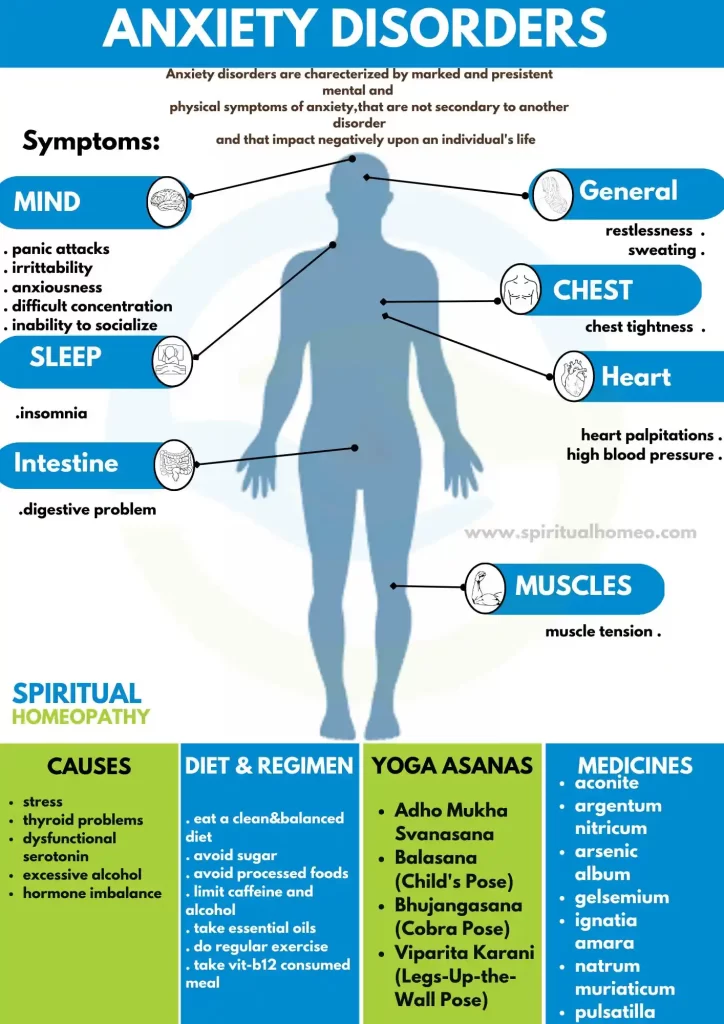
Signs and Symptoms of Anxiety Disorders

Anxiety disorders may present with a combination of physical and emotional symptoms that affect overall well-being and daily functioning. Common signs and symptoms include:

  • Muscle Tension: Persistent tightness or soreness in different muscle groups

  • Chest Tightness: Sensation of pressure or discomfort in the chest

  • Heart Palpitations: Rapid or irregular heartbeat, sometimes accompanied by feelings of panic

  • High Blood Pressure: Temporary elevation in blood pressure associated with ongoing anxiety

  • Insomnia: Difficulty falling asleep or staying asleep due to persistent anxious thoughts

  • Digestive Issues: Symptoms such as nausea, abdominal discomfort, or diarrhea

  • Panic Attacks: Sudden episodes of intense fear or distress with noticeable physical symptoms

  • Irritability: Increased frustration or agitation without a clear trigger

  • Difficulty Concentrating: Trouble focusing or experiencing mental fog

  • Restlessness: A constant feeling of being on edge or unable to relax

  • Sweating: Excessive perspiration, especially during stressful situations

  • Persistent Anxiousness: Ongoing worry or fear that is difficult to control

  • Social Withdrawal: Avoidance of social interactions due to fear of judgment or embarrassment

If these symptoms occur frequently, worsen over time, or interfere with daily activities, professional consultation is recommended for proper evaluation and guidance.


Physical Examination Findings Associated with Anxiety Disorders

During a physical examination, healthcare providers may observe certain signs commonly associated with anxiety disorders, including:

  • Elevated or irregular heart rate

  • Increased blood pressure readings

  • Muscle tension, particularly in the neck, shoulders, and back

  • Visible restlessness or excessive sweating

  • Tremors or shaking

  • Gastrointestinal discomfort

Recognizing these clinical features supports accurate assessment and helps guide appropriate management. Spiritual Homeopathy Clinic provides structured consultations through its Hyderabad branches, as well as online and international consultation options for individuals seeking professional support.

Diet Tips for Managing Anxiety

Eat a Clean and Well-Balanced Diet: Focus on consuming whole, nutrient-dense foods such as vegetables, fruits, lean proteins, and healthy fats to support overall health and emotional balance.

Avoid Sugary and Processed Foods: High-sugar and heavily processed foods may cause fluctuations in blood sugar levels, which can contribute to anxiety symptoms and mood changes.

Limit Caffeine and Alcohol: Excessive intake of caffeine and alcohol may aggravate anxiety and sleep disturbances. Moderation or avoidance can help support better nervous system regulation.

Dietary guidance may vary based on individual health status, lifestyle, and associated conditions, and should be adjusted accordingly.


Nutritional Support and Well-Being

Certain nutritional approaches that support nervous system health and stress regulation may be considered as part of overall care. These are not substitutes for medical evaluation and should be used under professional guidance when required.


Relaxation and Sensory Support

Gentle relaxation practices, including the use of calming sensory techniques such as soothing aromas or quiet environments, may help reduce feelings of restlessness and promote relaxation. These methods are supportive in nature and not a replacement for clinical care.


Lifestyle Tips for Managing Anxiety

Physical Activity and Exercise: Regular physical activity, such as walking, yoga, or light exercise, may help reduce stress levels and improve overall well-being.

Get Enough Rest: Maintaining a consistent sleep routine is important, as inadequate sleep can worsen anxiety symptoms.

Meditation: Mindfulness and relaxation practices can help calm the mind, reduce stress, and improve mental clarity when practiced regularly.

Lifestyle and dietary measures play a supportive role in anxiety management. For persistent or severe symptoms, professional consultation is recommended. Spiritual Homeopathy Clinic offers consultations across its Hyderabad branches, as well as online and international consultation options for structured guidance.

Yoga and Lifestyle Support for Anxiety Disorders

Yoga and lifestyle practices can play a supportive role in managing anxiety by promoting relaxation, body awareness, and emotional balance. These approaches are intended to complement medical care and are not a substitute for professional evaluation or treatment.

Yoga Asanas for Anxiety Management

Certain yoga postures may help calm the nervous system and reduce physical tension associated with anxiety when practiced regularly and gently:

  • Adho Mukha Svanasana (Downward-Facing Dog): Helps release muscular tension, improves circulation, and supports mental calmness.

  • Viparita Karani (Legs-Up-The-Wall Pose): A gentle restorative posture that encourages relaxation and reduces mental fatigue.

  • Setu Bandhasana (Bridge Pose): Supports chest opening and may help ease stress-related tightness.

  • Balasana (Child’s Pose): A restful posture that promotes a sense of grounding and relaxation.

  • Uttanasana (Standing Forward Bend): Helps release tension in the neck and shoulders and supports mental quietness.

  • Sukhasana (Easy Pose): Encourages steady breathing and mindfulness, often used for relaxation practices.

Breathing Practices (Pranayama)

Simple breathing techniques such as Nadi Shodhana (alternate nostril breathing) and Bhramari (humming breath) may help regulate breathing patterns and support emotional balance when practiced under guidance.

Lifestyle Measures

  • Regular Physical Activity: Gentle exercise or walking can support overall well-being and stress regulation.

  • Adequate Rest: Maintaining a consistent sleep routine is important, as poor sleep may worsen anxiety symptoms.

  • Mindfulness and Relaxation: Meditation and relaxation practices may help improve focus and reduce mental strain.

Yoga and lifestyle measures are supportive tools and should be adapted to individual comfort and health status. For persistent or severe anxiety symptoms, professional consultation is advised. Spiritual Homeopathy Clinic offers consultations through its Hyderabad branches, as well as online and international consultation options for structured guidance.

Why Choose Spiritual Homeopathy?

At Spiritual Homeopathy Clinic, care is based on classical homeopathic principles with attention to the physical and emotional aspects of health. The clinical approach focuses on understanding the individual as a whole, rather than addressing isolated symptoms. Consultations are conducted in a professional and structured manner to support safe and responsible care tailored to individual needs.

Our Approach to Treatment

The treatment approach emphasizes understanding the interaction between physical health, emotional state, and lifestyle factors. Rather than symptom-focused care alone, attention is given to identifying contributing factors that may influence health concerns. This individualized approach supports long-term management and helps guide care in a clinically appropriate manner under professional supervision.

Services We Offer

Consultations:
Qualified homeopathic practitioners conduct detailed consultations to understand medical history, current symptoms, and overall health patterns. Consultations are available at multiple branches in Hyderabad and through online and international consultation options, allowing continuity of care regardless of location.

Care Planning:
Based on clinical assessment, an individualized care plan is outlined to address contributing factors and support overall well-being. Care is planned with attention to safety, suitability, and long-term health considerations.

Follow-Up Care:
Regular follow-up consultations are part of the care process to monitor progress and make appropriate adjustments as needed. This ongoing review supports continuity and responsible management over time.

Our Commitment to Patient Care

Spiritual Homeopathy Clinic is committed to providing patient-centered care with a focus on clarity, clinical responsibility, and individualized guidance. The clinic supports individuals seeking structured homeopathy consultation for ongoing health concerns through its Hyderabad branches, as well as online and international consultation services. For appointment-related queries, contact 9069 176 176.

When to Consult

You should consult a healthcare professional if anxiety disorder symptoms become frequent, persistent, or begin to interfere with daily activities, work performance, relationships, or sleep. Early evaluation helps in understanding triggers and supporting effective management.

Seek consultation if you experience:

  • Excessive or ongoing worry that is difficult to control

  • Restlessness, nervousness, or feeling constantly on edge

  • Difficulty concentrating or racing thoughts

  • Sleep disturbances, including trouble falling or staying asleep

  • Physical symptoms such as palpitations, sweating, trembling, or shortness of breath

  • Fatigue, irritability, or muscle tension

  • Symptoms not improving over time or affecting quality of life

At Spiritual Homeopathy Clinic, consultations are available at multiple branches in Hyderabad, including Kukatpally, Chandanagar, Dilsukhnagar, and Nallagandla. Online and international consultations are also available for patients who cannot visit in person. A professional assessment supports an individualized care approach based on symptoms, emotional health, and overall well-being.

📞 For appointments or guidance, contact 9069 176 176.

Frequently Asked Questions – Homeopathy Treatment For Anxiety Disorders

Normal stress usually improves after a situation resolves. Anxiety disorders involve persistent, excessive worry that continues for weeks or months and affects daily functioning, even without an immediate threat.

Symptoms of anxiety disorders may include excessive worry, nervousness, restlessness, irritability, difficulty concentrating, rapid heartbeat, sweating, trembling, shortness of breath, sleep problems, and fatigue. Causes can include genetics, chronic stress, traumatic experiences, brain chemistry changes, certain medical conditions, or substance use. Early evaluation and appropriate care can help manage symptoms effectively and improve overall quality of life.

The best treatment for anxiety disorders often combines Cognitive Behavioral Therapy (CBT) and medications like SSRIs or SNRIs. Because anxiety affects everyone differently, the ideal approach depends on your specific symptoms and what a mental health professional recommends. 

Here are 11 tips for coping with an anxiety disorder:
  1. Avoid alcohol and recreational drugs.
  2. Eat healthy foods.
  3. Identify triggers.
  4. Keep physically active.
  5. Learn about your disorder. 
  6. Make sleep a priority. 
  7. Quit smoking and reduce or quit drinking caffeinated beverages. 
  8. Socialize.

Key vitamins for managing anxiety and panic attacks include Vitamin B-complexVitamin D, and Omega-3 fatty acids. These nutrients are vital for neurotransmitter production, hormone balance, and nervous system regulation. Always consult a healthcare provider before starting any new supplement regimen. 

Seek immediate medical or emergency mental health care if anxiety is accompanied by:

  • Thoughts of self-harm or suicide
  • Chest pain or symptoms suggestive of a heart attack
  • Severe difficulty breathing
  • Confusion or loss of consciousness
  • Extreme panic that does not improve
  • Inability to care for yourself or stay safe