
Atrophic rhinitis is a chronic nasal condition in which the lining of the nose gradually becomes thin, dry, and inflamed, causing the nasal passages to widen abnormally. This condition often leads to the formation of thick, dry, foul-smelling crusts inside the nose and may cause persistent nasal blockage, nosebleeds, reduced sense of smell, dryness, and discomfort. Atrophic rhinitis may develop without a known cause (primary atrophic rhinitis) or occur as a result of previous nasal surgery, chronic infections, trauma, or other underlying conditions (secondary atrophic rhinitis). Early diagnosis and proper treatment are important to help manage symptoms, improve nasal health, and reduce the risk of long-term complications.
At Spiritual Homeopathy, we believe in treating the root cause rather than simply suppressing symptoms. Our experienced homeopathic doctors carefully evaluate each patient’s symptoms, medical history, lifestyle, environmental factors, previous nasal conditions, and overall health before preparing an individualized treatment plan. Our holistic approach focuses on supporting nasal health, reducing chronic inflammation, improving the condition of the nasal mucosa, minimizing recurring crust formation, and promoting long-term relief through safe and personalized homeopathic care. We provide homeopathic treatment for atrophic rhinitis, chronic rhinitis, recurrent nasal dryness, and other long-standing nasal disorders.
We provide personalized homeopathic treatment for atrophic rhinitis in Hyderabad to patients of all age groups through our clinics across Hyderabad, as well as online homeopathy consultations for patients throughout India and in more than 100 countries worldwide. If you are looking for the best homeopathy doctor for atrophic rhinitis, natural treatment for chronic nasal dryness, or long-term nasal health support, Spiritual Homeopathy is committed to delivering expert, patient-centered care wherever you are.
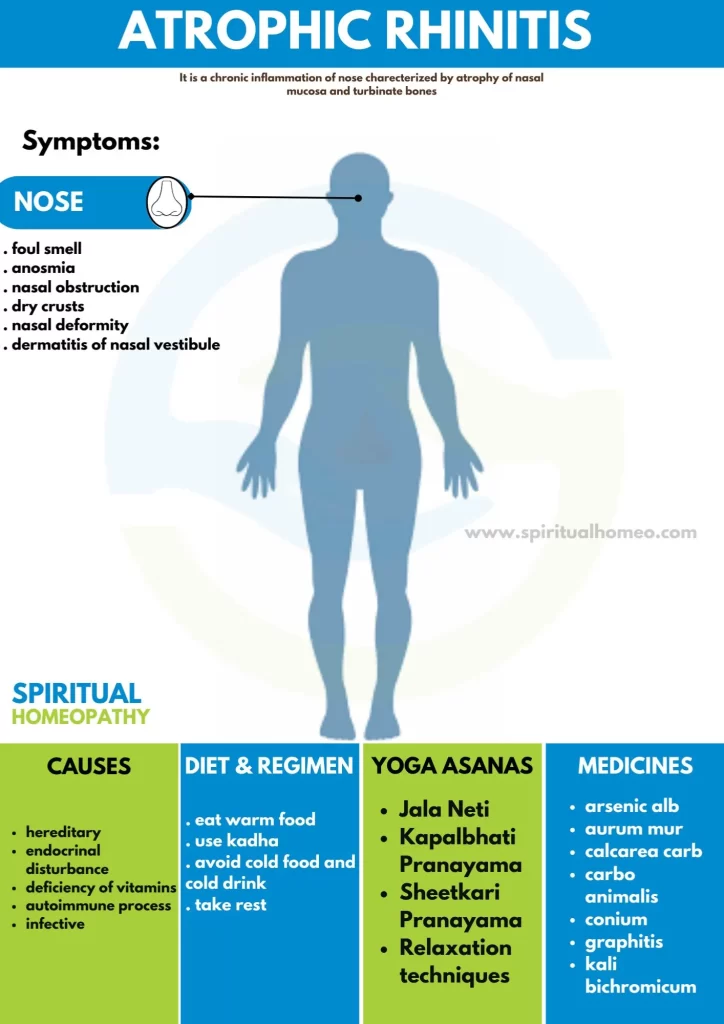
Atrophic rhinitis (AR) is a long-term nasal condition that affects the inner lining of the nose, known as the mucosa, along with the underlying bone structure. In this condition, the nasal tissues gradually undergo atrophy, meaning they shrink and lose normal function. As the mucosa and supporting structures become thinner, the nasal passages appear abnormally wide and dry. This often leads to crust formation, an unpleasant odor, nasal dryness, and a reduced sense of smell.
If left unmanaged, atrophic rhinitis can interfere with normal nasal function and overall respiratory health. Evaluation and care are available at Spiritual Homeopathy Clinic through multiple branches in Hyderabad, as well as online and international consultations, allowing access to professional guidance based on individual symptoms.
Atrophic rhinitis develops due to multiple factors that contribute to the gradual thinning and degeneration of the nasal lining and underlying bone structures. Understanding these causes supports appropriate evaluation and long-term management. Common causes include:
Chronic Nasal Infections:
Persistent bacterial or fungal infections of the nasal cavity or sinuses, such as chronic sinusitis or recurrent rhinitis, can cause ongoing inflammation that damages the nasal mucosa over time.
Previous Nasal Surgeries or Trauma:
Procedures like septoplasty, turbinectomy, or sinus surgeries may alter normal nasal anatomy and reduce mucosal support. Physical trauma to the nose can also disrupt tissue integrity and healing.
Autoimmune Disorders:
Conditions such as granulomatosis with polyangiitis (GPA) or systemic lupus erythematosus (SLE) may trigger immune-mediated inflammation, leading to progressive damage of nasal tissues.
Environmental Irritants:
Long-term exposure to pollutants, industrial chemicals, dust, smoke, or other airborne irritants can injure the nasal lining and contribute to mucosal atrophy.
Hormonal Changes:
Hormonal variations during puberty, pregnancy, or menopause may influence nasal mucosal health and contribute to atrophic changes in susceptible individuals.
Genetic Factors:
A genetic predisposition or family history may increase the risk of developing atrophic rhinitis, particularly when combined with environmental or physiological factors.
Nutritional Deficiencies:
Deficiencies in essential nutrients, especially vitamin A, can impair mucosal maintenance and repair, increasing vulnerability to tissue degeneration.
Advancing Age:
Age-related decline in tissue regeneration and prolonged exposure to irritants may make older individuals more prone to atrophic changes in the nasal cavity.
Identifying these contributing factors allows healthcare providers to follow an individualized care approach, addressing both underlying causes and symptom patterns during management.
Atrophic rhinitis presents with a range of symptoms resulting from the thinning and degeneration of the nasal lining. Although the nasal passages become abnormally wide due to tissue atrophy, the condition often causes discomfort and disruption of normal nasal function. The key signs and symptoms include:
Despite widened nasal cavities, many individuals experience a sensation of blockage. This usually occurs due to the accumulation of thick crusts and debris within the nasal passages.
One of the characteristic features of atrophic rhinitis is the formation of thick green or yellow crusts inside the nose. These crusts may be difficult to remove and can cause irritation or bleeding if disturbed.
Secondary bacterial colonization may lead to a persistent, unpleasant-smelling nasal discharge, which is often chronic in nature.
Dryness and fragility of the nasal mucosa can result in recurrent nosebleeds, especially when crusts are removed forcefully.
Progressive atrophic changes can affect olfactory nerve endings, leading to a partial or complete reduction in the sense of smell.
Ongoing dryness of the nasal passages is commonly reported, often accompanied by irritation, burning sensation, or discomfort, particularly in dry or polluted environments.
If these symptoms are persistent, worsening, or significantly affecting daily activities, timely consultation with a healthcare professional is advised for appropriate evaluation and management.
Diet and daily habits play a supportive role in managing atrophic rhinitis by helping maintain nasal moisture and overall mucosal health. While dietary measures alone cannot address the condition, they may assist in reducing dryness and irritation when followed consistently.
Adequate hydration is important to help reduce dryness of the nasal passages.
Fresh fruits and vegetables rich in natural antioxidants may support general immune health.
Warm, freshly prepared meals are usually preferred over very cold or processed foods.
Excessively spicy, fried, or heavily preserved foods may aggravate nasal irritation in some individuals and are best taken in moderation.
Regular nasal hygiene, including gentle cleaning as advised by a healthcare professional, can help reduce crust formation.
Exposure to dry air, dust, smoke, and strong chemical fumes should be minimized as they may worsen nasal dryness.
Maintaining indoor humidity, especially in dry climates or air-conditioned environments, may offer symptomatic comfort.
Adequate rest and stress management are encouraged, as general health can influence symptom severity.
Dietary and lifestyle guidance may vary based on individual symptoms, age, and associated health conditions. Consultation with a qualified healthcare professional helps ensure that recommendations are appropriate and safe for long-term management.
At Spiritual Homeopathy Clinic, care is approached holistically by considering physical symptoms along with emotional and general health factors. The focus remains on understanding the individual’s condition in detail and supporting long-term management through a personalized approach. The clinic offers consultations across multiple branches in Hyderabad, as well as online and international consultation options.
Management at Spiritual Homeopathy Clinic emphasizes restoring balance within the body rather than addressing symptoms alone. In conditions such as atrophic rhinitis, attention is given to identifying contributing factors that may influence disease progression. The approach is structured to support the body’s natural response over time under professional guidance.
Each care plan is individualized and based on the person’s constitution, lifestyle, symptom pattern, and medical history. This individualized care model recognizes that responses and needs may vary from person to person.
Consultations are conducted with detailed case evaluation, including current symptoms, past health history, and relevant lifestyle factors. This information helps guide an individualized and structured management plan. Consultations are available at clinic locations in Hyderabad and through online platforms.
The homeopathic approach is generally well-tolerated when followed under professional supervision. Care strategies aim to support the body’s internal balance and address contributing factors without invasive procedures.
For individuals unable to attend in person, online consultations are available, allowing continuity of care irrespective of location. These consultations follow the same structured evaluation process as in-clinic visits.
Regular follow-ups are encouraged to assess symptom changes and overall response. Care plans may be adjusted as needed based on progress and clinical evaluation.
Spiritual Homeopathy Clinic remains focused on providing responsible, patient-centered care for individuals managing chronic conditions such as atrophic rhinitis. Treatment guidance is aimed at long-term management and symptom support, aligned with individual health needs and professional standards.
You should consult a healthcare professional if acidity symptoms become frequent, persistent, or begin to affect daily activities or sleep. Early evaluation helps identify contributing factors and may reduce the risk of complications.
Seek consultation if you experience:
Recurrent or long-lasting heartburn
Difficulty or pain while swallowing
Persistent chest discomfort or burning sensation
Symptoms that worsen at night or disturb sleep
Unexplained weight loss or reduced appetite
Symptoms not improving despite dietary and lifestyle measures
At Spiritual Homeopathy Clinic, consultations are available across multiple branches in Hyderabad, including Kukatpally, Chandanagar, Dilsukhnagar, and Nallagandla. Online and international consultations are also available for individuals who are unable to visit in person. Professional evaluation supports an individualized care approach based on symptom pattern and overall health status.
For appointments or guidance, contact 9069 176 176.
Atrophic rhinitis is a chronic nasal condition characterized by the shrinking of nasal tissue, widening of the nasal cavities, and the formation of foul-smelling crusts. Its primary symptoms include persistent nasal dryness, frequent nosebleeds, a distinct offensive odor (ozaena), and a reduced or lost sense of smell.
Homeopathic practitioners assess the person's nasal symptoms, medical history, general health, and individual characteristics before recommending an individualized treatment plan. It is used as a complementary approach alongside conventional medical care.
Managing atrophic rhinitis at home focuses on softening hardened crusts and moisturizing the nasal passages. The most effective daily routine involves performing nasal irrigation, using moisturizing nasal drops, and running a humidifier to keep the nasal tissue hydrated.
Yes. Foul-smelling nasal crusts and discharge may contribute to unpleasant breath in some people.
Helpful measures include:
Allergic rhinitis is caused when your immune system overreacts to airborne irritants, known as allergens. Allergens are tiny enough to be inhaled through the nose or mouth. For most people, these allergens are harmless, but for those with hay fever, the immune system mistakenly identifies them as threats.