
Celiac Disease is a long-term autoimmune condition in which the body’s immune system reacts abnormally to gluten, a protein found in wheat, barley, and rye. This reaction damages the lining of the small intestine, making it difficult to absorb essential nutrients from food. Common symptoms include chronic diarrhea, bloating, abdominal pain, fatigue, weight loss, anemia, and poor growth in children. Some people may have mild or no digestive symptoms but still experience nutritional deficiencies and other health complications. Early diagnosis, a strict lifelong gluten-free diet, and regular medical follow-up are essential to prevent long-term complications and maintain overall health.
At Spiritual Homeopathy, we believe in treating the individual as a whole rather than simply managing symptoms. Our experienced homeopathic doctors carefully evaluate each patient’s symptoms, medical history, dietary habits, lifestyle, stress levels, and overall health before preparing a personalized treatment plan. Our holistic approach focuses on supporting digestive health, improving general well-being, reducing associated symptoms, and providing safe, individualized homeopathic care. Homeopathy may be used as supportive care alongside a medically recommended gluten-free diet, which remains the cornerstone of celiac disease management.
We provide personalized homeopathic supportive care for celiac disease in Hyderabad to patients of all age groups through our clinics in Hyderabad, as well as online homeopathy consultations for patients across India and in more than 100 countries worldwide. If you are looking for supportive homeopathic care for celiac disease, digestive wellness, or individualized patient-centered care, Spiritual Homeopathy is committed to providing compassionate support wherever you are. Patients with celiac disease should continue regular follow-up with their healthcare provider and strictly adhere to a gluten-free diet for optimal health.
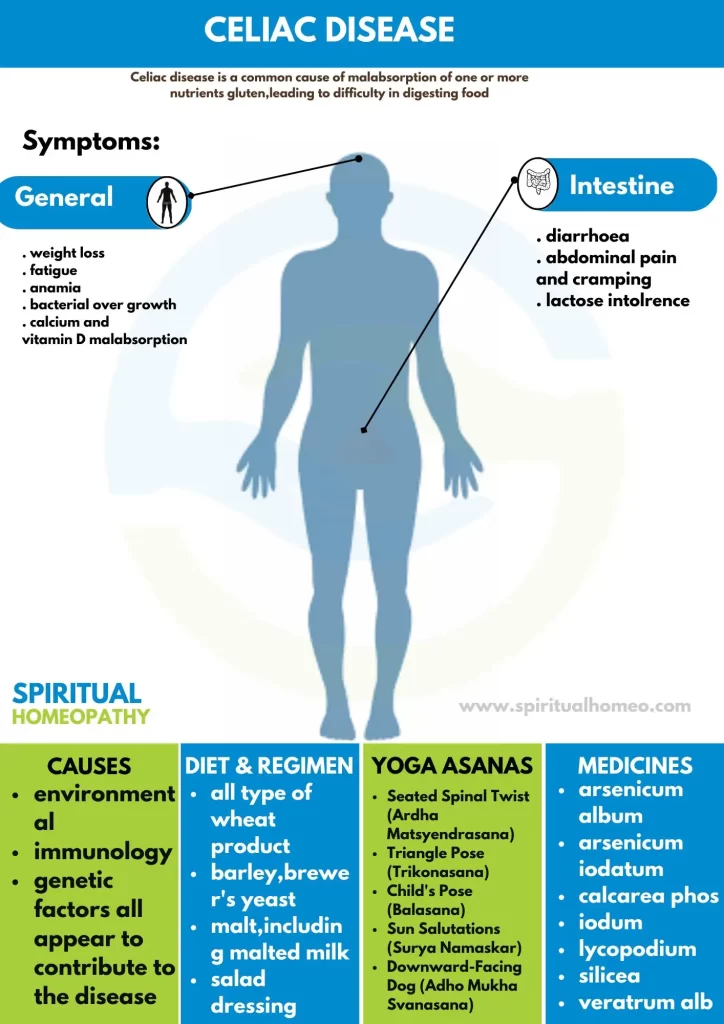
Celiac disease was once thought to primarily affect individuals of European descent, particularly those from white ethnic backgrounds. However, its prevalence has increased over the past several decades and is now recognized among people of various ethnicities and backgrounds worldwide.
Historically, celiac disease has been known by several different names, including nontropical sprue, celiac sprue, adult celiac disease, and gluten-sensitive enteropathy. With improved awareness and diagnostic practices, more individuals are being identified, contributing to a broader and more accurate understanding of the condition.
At Spiritual Homeopathy Clinic, individuals with suspected or diagnosed celiac disease can seek consultation across multiple branches in Hyderabad, as well as through online and international consultation options for continued guidance and follow-up.
The exact cause of celiac disease is not fully understood, but several factors are believed to contribute to the development of the condition:
One key environmental trigger is gliadin, a protein found in gluten present in wheat, barley, and rye. In individuals with celiac disease, consumption of gluten triggers an immune response that leads to damage of the small intestine.
Celiac disease involves both adaptive and innate immune responses, in which the immune system mistakenly reacts to gluten exposure and attacks the lining of the small intestine.
There is a strong genetic association with celiac disease. Individuals with a family history of the condition are at a higher risk, with certain genes known to increase susceptibility.
Celiac disease is classified as an autoimmune disorder, where the immune system mistakenly targets the body’s own tissues—specifically the small intestine—resulting in inflammation and impaired nutrient absorption.
Understanding these contributing factors supports an individualized care approach, as triggers and immune responses may vary between individuals.
Celiac disease can manifest in different forms, each presenting with its own pattern of symptoms. The main types include classical celiac disease, non-classical celiac disease, and silent celiac disease.
In classical celiac disease, patients typically experience prominent gastrointestinal symptoms, including:
Malabsorption (difficulty absorbing nutrients)
Diarrhea
Steatorrhea (pale, foul-smelling, fatty stools)
Weight loss
Growth failure in children
This form is more commonly seen in younger children and is characterized by clear digestive symptoms along with signs of nutrient deficiencies.
Non-classical celiac disease presents with milder or less obvious gastrointestinal symptoms and may include:
Abdominal distension (bloating) and pain
Iron-deficiency anemia
Chronic fatigue
Chronic migraines
Peripheral neuropathy (tingling, numbness, or pain in the hands or feet)
Vitamin deficiencies, including folic acid and vitamin B12
In this type, symptoms are often subtle and may affect systems beyond the digestive tract, making diagnosis more challenging.
Silent celiac disease, also referred to as asymptomatic celiac disease, occurs when individuals do not experience noticeable symptoms but still have villous atrophy, meaning damage to the lining of the small intestine. This form frequently remains undiagnosed despite ongoing internal intestinal changes.
Understanding the different types of celiac disease supports timely evaluation and management. If symptoms are unclear, persistent, or associated with nutritional deficiencies, consultation with a healthcare professional is advisable.
Celiac disease can present in various ways. Some individuals may remain asymptomatic, while others experience a wide range of digestive and systemic symptoms. Common signs and symptoms of celiac disease include:
Malabsorption of nutrients, leading to nutritional deficiencies
Diarrhea or constipation
Steatorrhea (pale, fatty stools)
Weight loss due to impaired nutrient absorption
Fatigue or persistent lack of energy
Nausea and vomiting
Bloating and excess gas
Abdominal pain or ongoing discomfort
As these symptoms can vary significantly and may resemble other gastrointestinal conditions, medical evaluation is recommended if symptoms are frequent, persistent, or worsening over time.
For individuals with celiac disease, following a strict gluten-free diet is essential to help manage symptoms and reduce ongoing damage to the small intestine. Below is a list of common foods and ingredients containing gluten that are generally advised to be avoided.
Wheat (including spelt, farro, graham, khorasan wheat, semolina, durum, and wheatberries)
Rye
Barley
Triticale (a hybrid of wheat and rye)
Malt and brewer’s yeast
Wheat starch
Beer
Bread (including most store-bought options)
Desserts such as cakes, cookies, and pies
Cereal
Crackers and seasoned potato chips
French fries (if fried in contaminated oil)
Pasta
Processed meats, including hot dogs and lunch meats
Salad dressings
Sauces and gravies
Soups
In addition to obvious sources, gluten may also be present in less expected products. Awareness is important when considering the following:
Medications, including some over-the-counter drugs and tablets
Vitamins and dietary supplements
Lipstick and lip balm
Communion wafers
Eggs at restaurants (sometimes prepared with gluten-containing ingredients)
Playdough, especially if handled by children
Toothpaste and mouthwash
Careful label reading and clear communication about dietary needs are important when eating outside or selecting packaged products. Dietary guidance may vary based on individual sensitivity, nutritional status, and overall health, and professional consultation can help tailor appropriate dietary practices
Yoga can be a supportive complement in managing celiac disease by helping reduce stress, improve digestion, and support overall well-being. While yoga does not replace a gluten-free diet or medical care, certain poses may help ease discomfort and promote relaxation. The following yoga asanas may be beneficial for individuals with celiac disease when practiced appropriately.
This pose helps relieve bloating, gas, and indigestion by gently massaging the abdominal region. It may support digestion and help reduce abdominal discomfort.
How to do it:
Lie on your back with knees bent and feet flat on the floor.
Bring your knees toward your chest and wrap your arms around them.
Exhale and gently lift your head toward your knees, holding for a few breaths.
Slowly release and repeat as comfortable.
Bridge pose helps strengthen the lower back and core while supporting circulation to abdominal organs. It may also help reduce stress, which can influence digestive health.
How to do it:
Lie on your back with knees bent and feet placed hip-width apart.
Keep your arms alongside your body with palms facing down.
Inhale and lift your hips upward, pressing your feet into the floor.
Hold briefly, then lower your hips slowly.
This posture stretches the abdominal and core muscles and may help promote digestive comfort. It also supports balance and stress reduction.
How to do it:
Stand with feet wide apart.
Turn one foot outward and extend both arms parallel to the floor.
Reach one hand toward the shin or ankle while extending the opposite arm upward.
Hold with steady breathing and repeat on the other side.
This gentle sequence encourages spinal movement and may help stimulate digestive organs. It can also relieve tension in the back and neck.
How to do it:
Begin on hands and knees with a neutral spine.
Inhale and arch your back, lifting the chest and tailbone.
Exhale and round your spine, drawing the chin toward the chest.
Continue for several slow breaths.
This seated posture helps open the hips and may improve circulation to the abdominal region. It can also encourage relaxation.
How to do it:
Sit upright with legs extended.
Bring the soles of the feet together, allowing knees to drop outward.
Hold your feet gently and maintain a straight spine while breathing calmly.
This restorative pose promotes relaxation and stress reduction. It may be helpful for individuals experiencing fatigue or anxiety related to chronic conditions.
How to do it:
Sit beside a wall and gently lie back, extending legs upward against the wall.
Rest arms comfortably by your sides.
Remain in the pose for several minutes with slow, deep breathing.
This forward bend supports relaxation and gently stretches the back and abdominal area, which may help ease digestive tension.
How to do it:
Sit with legs extended straight ahead.
Inhale to lengthen the spine, then exhale while folding forward from the hips.
Hold the position comfortably while breathing steadily.
Always practice within your comfort level and avoid forceful movements.
Focus on slow, mindful breathing during each posture.
Beginners or individuals with physical limitations may benefit from guidance by a qualified yoga instructor.
At Spiritual Homeopathy Clinic, we provide a holistic approach that combines traditional homeopathic principles with an understanding of the overall physical, emotional, and digestive health of each individual. Our practitioners focus on delivering personalized care tailored to the unique needs of every patient, including those managing celiac disease.
Homeopathic treatment for celiac disease aims at long-term management by addressing contributing factors rather than just alleviating symptoms. We focus on individualized care that supports the body’s natural healing abilities, improves nutrient absorption, and helps maintain overall well-being. Treatment is generally well-tolerated under professional guidance and is complemented by dietary management and lifestyle adjustments.
Consultations:
Thorough consultations are conducted to understand your health concerns, digestive history, and nutritional needs. In-clinic, online, and international consultations are available for patients who cannot visit in person. This allows us to create personalized treatment plans tailored to your specific condition.
Homeopathic Care:
We provide natural remedies selected to support digestive health, reduce systemic discomfort, and promote better nutrient absorption. Our approach is gentle, patient-focused, and aligned with professional medical guidance.
Follow-Up Care:
Regular follow-ups are conducted to monitor progress, adjust treatment plans as needed, and ensure sustained support for overall health. Continuous evaluation helps in achieving better long-term management of celiac disease.
At Spiritual Homeopathy Clinic, your health is our priority. We are dedicated to providing compassionate, individualized care that integrates homeopathic principles, dietary guidance, and lifestyle recommendations. Whether you are managing digestive symptoms, nutritional deficiencies, or overall wellness, our team supports you throughout your healing journey.
You should consult a healthcare professional if symptoms of celiac disease become frequent, persistent, or begin to interfere with daily activities, nutrition, or overall well-being. Early evaluation helps identify contributing factors and reduces the risk of long-term intestinal complications.
Seek consultation if you experience:
Recurrent or long-lasting digestive symptoms such as diarrhea, constipation, or bloating
Ongoing abdominal pain or discomfort
Unexplained weight loss or poor weight gain
Persistent fatigue or weakness
Signs of nutrient deficiencies, such as anemia
Symptoms that continue despite following dietary modifications
Digestive complaints associated with a family history of celiac disease or autoimmune conditions
At Spiritual Homeopathy Clinic, consultations are available across multiple branches in Hyderabad, including Kukatpally, Chandanagar, Dilsukhnagar, and Nallagandla. Online and international consultations are also available for individuals unable to visit in person. A professional evaluation supports an individualized care approach based on symptoms, dietary history, and overall health status.
For appointments or guidance, contact 9069 176 176.
The only effective treatment for celiac disease is a strict, lifelong gluten-free diet. By avoiding all wheat, barley, and rye, you prevent immune system attacks on your small intestine, allowing existing damage to heal and nutrient absorption to resume.
Celiac disease is an autoimmune condition where the immune system reacts to gluten, sometimes causing damage to the small intestine. Gluten is a protein found in foods containing wheat, barley or rye. If you have celiac disease, eating gluten triggers an immune response to the gluten protein in your small intestine.
Celiac disease is an autoimmune disorder where eating gluten damages the small intestine. Because it impairs nutrient absorption, the condition can cause a wide variety of digestive and systemic symptoms.
Celiac disease is strictly triggered by consuming gluten, a protein found in wheat, barley, rye, and triticale. Even tiny amounts cause the immune system to attack the small intestine. To prevent damage, you must completely avoid these grains and their derivatives.
Yes, celiac disease is a serious autoimmune condition. If left untreated, consuming gluten—a protein found in wheat, barley, and rye—damages the small intestine, impairing nutrient absorption. This can lead to severe malnutrition, weakened bones (osteoporosis), infertility, neurological issues, and a slightly increased risk of certain cancers.
People with celiac disease who adhere to a strict gluten-free diet generally have a normal life expectancy comparable to the general population. While some studies show a slight increase in mortality risk—largely due to pre-diagnosis complications or associated conditions—early diagnosis and strict diet management mitigate these risks.