
Chikungunya fever is a viral illness spread through the bite of an infected Aedes aegypti mosquito.
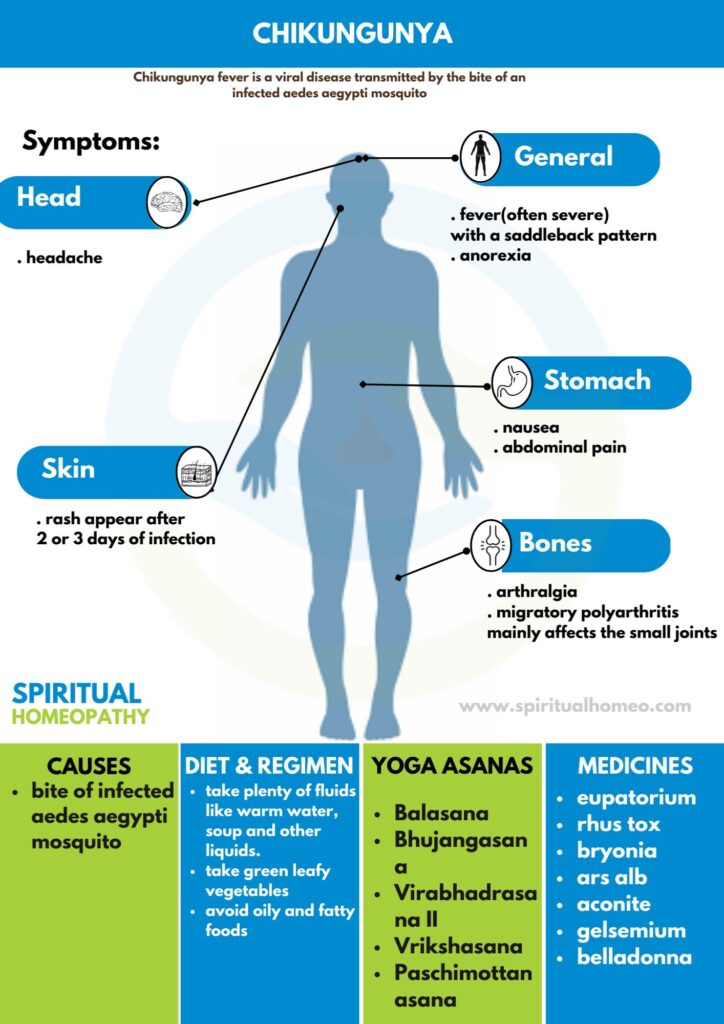
Chikungunya fever is a viral illness caused by the chikungunya virus. It was initially identified in rural areas of Africa but has since spread to urban and semi-urban regions across Africa and Asia through intermittent epidemics.
The Aedes aegypti mosquito is the primary vector responsible for transmission in urban settings. In 2004, a major epidemic occurred in the Indian Ocean region, particularly affecting the islands of Réunion and Mauritius, likely due to the movement of infected travelers. During this outbreak, Aedes albopictus mosquitoes were identified as significant carriers of the virus.
Between 2013 and 2014, thousands of chikungunya virus infections were reported across Caribbean islands, with many additional suspected cases. Subsequent spread to countries such as Italy, France, and the United States was linked to international travel from affected regions.
Chikungunya continues to pose a potential public health concern in the continental United States, as both Aedes aegypti and Aedes albopictus mosquitoes are present in several southern states.
The disease is more commonly reported in adults and may present with pronounced clinical symptoms. Following an incubation period of approximately 2–10 days, symptoms usually begin abruptly.
Individuals experiencing symptoms may seek medical guidance through in-clinic consultations at multiple branches of Spiritual Homeopathy Clinic in Hyderabad, as well as online and international consultations, based on individual needs.
Chikungunya fever is caused by the chikungunya virus (CHIK virus), an alphavirus belonging to the Semliki Forest complex of the Togaviridae family. The virus is transmitted to humans primarily through the bite of infected mosquitoes.
The chikungunya virus is closely related to the O’nyong-nyong (ONN) virus, which is also a mosquito-borne infection and shares similar transmission characteristics.
Understanding the viral cause and mode of transmission helps guide individualized care approaches, as symptom severity and recovery patterns may vary based on age, immunity, and overall health status.
Chikungunya is a viral disease transmitted by mosquitoes, mainly Aedes aegypti and Aedes albopictus. It commonly causes symptoms such as fever, rash, and joint pain. Although there are no formally classified “types” of chikungunya, the disease may present in different clinical forms depending on symptom severity, duration, and individual health factors.
Classical Chikungunya Fever
This is the most common presentation, marked by sudden onset of fever, rash, and significant joint pain. Symptoms usually last from several days to a few weeks.
Chronic Chikungunya
In some individuals, joint pain and stiffness may persist for months after the initial infection, even when other symptoms have resolved.
Asymptomatic Chikungunya
In rare cases, individuals may be infected with the chikungunya virus but do not develop noticeable symptoms.
Chikungunya may lead to complications in certain cases, particularly in older adults or those with existing health conditions. Clinical presentation can vary, highlighting the importance of individualized assessment and follow-up care.
Chikungunya fever presents with a range of symptoms that may vary in severity among individuals. Common signs and symptoms include:
Fever:
Often high-grade and may follow a saddleback pattern, where fever subsides temporarily and then rises again.
Severe Arthralgia:
Intense joint pain is a hallmark symptom of chikungunya. It commonly affects the small joints of the ankles, feet, hands, and wrists, though larger joints may also be involved.
Chills and Abdominal Pain
Anorexia (loss of appetite)
Conjunctival Injection:
Redness of the eyes may be observed during the acute phase.
Headache
Nausea and Photophobia:
Sensitivity to light may occur along with nausea.
Migratory Polyarthritis:
Joint pain that shifts from one joint to another, primarily involving smaller joints.
Rash:
A skin rash may appear early or a few days after onset, often around the time the fever declines (typically days 2–3). The rash is usually prominent on the trunk and limbs and may later desquamate (peel).
Children’s Symptoms:
Children often develop milder symptoms and are hospitalized less frequently. In some cases, a bullous rash may occur, which differs from the typical maculopapular or petechial rash seen in adults.
Maternal–Fetal Transmission:
There are reports of transmission from an infected mother to the fetus, which in rare cases may result in adverse outcomes.
If symptoms are persistent, severe, or recur—especially joint pain—medical consultation is advised for proper evaluation and ongoing care.
Managing chikungunya fever involves maintaining proper hydration and consuming a nutritious diet to support recovery. The following dietary measures may be helpful during the illness:
Stay Hydrated:
Adequate fluid intake is essential. Warm water, clear soups, and other fluids help maintain hydration and support the body during recovery.
Green Leafy Vegetables:
Including nutrient-rich green leafy vegetables in daily meals can support overall nutrition and general well-being.
Vitamin C–Rich Fruits:
Fruits such as oranges, amla (Indian gooseberry), and lime may help support immune function during recovery.
Avoid Oily and Fatty Foods:
Oily and fatty foods may place additional strain on digestion and are best avoided during the acute phase of illness.
A balanced diet, along with proper hydration, can assist in symptom management during chikungunya fever. Dietary guidance may vary depending on individual health status, and consultation with a healthcare professional is recommended for personalized advice.
Yoga can be a supportive practice during recovery from chikungunya fever, particularly after the acute phase has subsided. Gentle movements may help improve flexibility, reduce stiffness, and support overall well-being when performed carefully.
Benefits: Improves flexibility, reduces stress, and promotes relaxation.
How to do it: Sit comfortably on the floor with your legs crossed and hands resting on your knees. Close your eyes, focus on your breath, and remain in this position for 5–10 minutes.
Benefits: Strengthens the back, opens the chest, and relieves tension in the spine and hips.
How to do it: Lie on your back with knees bent and feet flat on the floor. Lift your hips gently while keeping your arms by your sides. Hold for a few breaths, then lower slowly.
Benefits: Relieves spinal tension, improves flexibility, and encourages gentle joint movement.
How to do it: Begin on all fours. Inhale while arching the back (cow pose), and exhale while rounding the spine (cat pose). Repeat for 10–15 rounds.
Benefits: Provides a full-body stretch and helps reduce back and shoulder tension.
How to do it: From a tabletop position, lift the hips upward to form an inverted “V” shape. Keep the head relaxed and hold for 5–10 breaths.
Benefits: Helps reduce fatigue, supports circulation, and promotes relaxation.
How to do it: Lie on your back with legs extended up against a wall. Keep the arms relaxed and remain in this position for 5–15 minutes.
Benefits: Releases tension in the back, hips, and thighs while promoting calmness.
How to do it: Kneel on the floor, sit back on your heels, and extend your arms forward. Rest the forehead on the mat and breathe gently for 5–10 breaths.
Benefits: Strengthens the lower back, stretches the chest, and supports spinal mobility.
How to do it: Lie on your stomach with hands under the shoulders. Gently lift the chest while keeping elbows slightly bent. Hold for a few breaths.
Practice all poses gently, especially if joint pain or stiffness persists.
Focus on slow, controlled breathing during each posture.
Yoga should be considered a supportive practice and not a replacement for medical care. Consultation with a healthcare professional is advised before beginning physical activity during recovery.
Homeopathy offers a holistic approach to managing Chikungunya, focusing on individualized care that addresses contributing factors and supports the body’s natural recovery. Homeopathic treatment can help alleviate symptoms such as joint pain, fatigue, and mild fever while promoting overall well-being. Treatments are generally well-tolerated under professional guidance and suitable for people of all ages.
At Spiritual Homeopathy Clinic, we provide care that is tailored to each patient’s needs, with in-clinic, online, and international consultations available for those unable to visit in person.
Our homeopathic approach emphasizes:
Individualized Care: Treatment plans are tailored to your specific symptoms, health history, and overall condition.
Long-Term Support: Focuses on symptom management and overall health improvement, not just immediate relief.
Holistic Perspective: Addresses both physical discomforts such as fever and joint pain, and related emotional stress.
Professional Guidance: Remedies are administered under the supervision of experienced homeopaths to ensure safe and well-tolerated care.
Consultations: Comprehensive in-person and online consultations help assess your symptoms, health background, and recovery needs.
Homeopathic Care: Remedies are chosen based on your individual presentation, targeting joint pain, fatigue, and fever while supporting overall immunity.
Follow-Up Support: Regular monitoring ensures your recovery stays on track, and treatment adjustments are made as needed.
At Spiritual Homeopathy Clinic, we prioritize your health and recovery. Whether managing Chikungunya symptoms or supporting overall wellness, our team provides professional guidance, individualized care, and continuous support throughout your healing journey.
For personalized treatment plans, compassionate care, and homeopathic consultations.
You should consult a healthcare professional if chikungunya fever symptoms become severe, persist beyond the initial phase, or begin to interfere with daily activities. Early evaluation helps identify complications and supports appropriate symptom management.
Seek consultation if you experience:
Persistent or high-grade fever
Severe or worsening joint pain and stiffness
Swelling or restricted movement of joints
Persistent fatigue or weakness
Skin rash associated with fever
Symptoms lasting longer than expected or not improving with rest and supportive care
Any unusual symptoms in children, elderly individuals, or pregnant women
At Spiritual Homeopathy Clinic, consultations are available at multiple branches in Hyderabad, including Kukatpally, Chandanagar, Dilsukhnagar, and Nallagandla. Online and international consultations are also available for individuals who are unable to visit in person. A professional assessment supports an individualized care approach based on symptoms and overall health status.
For appointments or guidance, contact 9069 176 176.
1. What is Chikungunya?
Chikungunya is a viral infection caused by the Chikungunya virus (CHIKV). It is transmitted to humans through the bites of infected mosquitoes, mainly Aedes aegypti and Aedes albopictus. The disease typically presents with a sudden onset of fever and severe joint pain.
2. What causes Chikungunya?
The Chikungunya virus (CHIKV) is spread through mosquito bites, especially from Aedes aegypti and Aedes albopictus, which are most active during the daytime. Environmental factors and mosquito exposure influence the risk of infection. Understanding the cause helps homeopaths tailor individualized care.
3. What are the common symptoms of Chikungunya?
Symptoms usually appear 4 to 8 days after being bitten by an infected mosquito and may include:
High fever
Severe joint pain, often in the hands, wrists, ankles, and feet
Muscle pain and stiffness
Headache
Nausea or vomiting
Fatigue
Rash, which may appear a few days after fever
Consult a healthcare professional if symptoms are frequent, severe, or persistent.
4. How is Chikungunya diagnosed?
Diagnosis is based on clinical evaluation and a history of possible mosquito exposure. Laboratory tests, such as blood tests, can confirm the presence of the virus or antibodies.
5. What is the treatment for Chikungunya?
There is no specific antiviral therapy. Management focuses on symptom relief and supporting recovery:
Adequate rest and hydration
Pain relievers to manage fever and joint discomfort
Avoiding aspirin due to potential bleeding risks
Homeopathic treatment at Spiritual Homeopathy Clinic offers individualized care to address symptoms, support recovery, and promote overall health. Consultations are available in-clinic, online, and internationally at multiple Hyderabad branches.
WhatsApp us