
Cough is one of the most common respiratory symptoms and is the body’s natural defense mechanism to help clear the airways of mucus, dust, allergens, germs, and other irritants. It can be dry (without mucus) or productive (with mucus) and may occur due to viral infections, allergies, asthma, acid reflux (GERD), smoking, environmental pollutants, or other underlying respiratory conditions. A cough may be accompanied by a sore throat, chest discomfort, wheezing, shortness of breath, or mucus production. While an occasional cough is usually not a cause for concern, a persistent or recurring cough lasting more than a few weeks may indicate an underlying health condition and should not be ignored. Seeking timely evaluation and appropriate treatment can help identify the cause, relieve symptoms, and prevent further complications.
At Spiritual Homeopathy, we believe in treating the root cause of a cough rather than simply suppressing the symptom. Our experienced homeopathic doctors carefully evaluate each patient’s symptoms, medical history, allergy history, lifestyle, environmental exposures, immune health, and overall well-being before preparing an individualized treatment plan. Our holistic approach focuses on providing natural cough treatment, supporting respiratory health, reducing recurrent cough episodes, strengthening immunity, and promoting long-term relief through safe and personalized homeopathic care. We specialize in homeopathic treatment for cough, chronic cough, allergic cough, dry cough, productive cough, and other chronic respiratory conditions.
We provide personalized homeopathic treatment for cough in Hyderabad to patients of all age groups through our clinics, as well as online homeopathy consultations for patients across India and in more than 100 countries worldwide. If you are looking for the best homeopathy doctor for cough, natural treatment for chronic or allergic cough, or long-term respiratory wellness, Spiritual Homeopathy is committed to delivering expert, patient-centered care wherever you are.
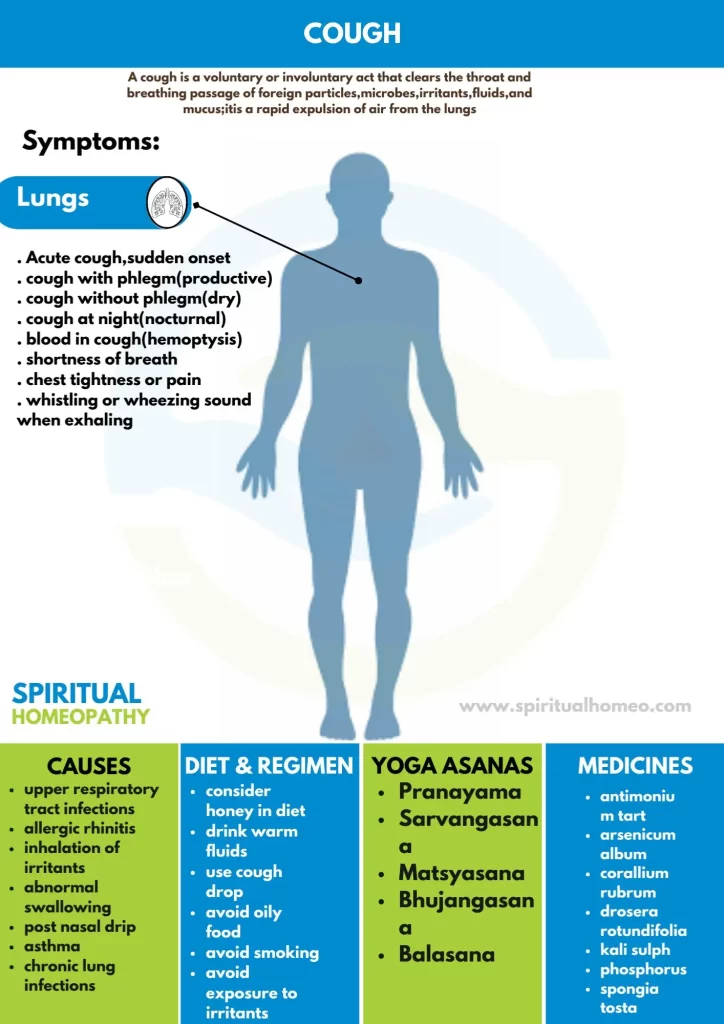
Coughing is the sudden expulsion of air from the lungs through the epiglottis, the flap that covers the entrance to the windpipe. It is a natural reflex action that helps clear the airways of irritants, mucus, and foreign particles.
Coughs can be classified based on their duration:
Acute Cough:
Typically lasting less than 21 days, this type of cough is often caused by respiratory infections, aspiration, or inhalation of irritants.
Subacute Cough:
Present for 3 to 8 weeks, subacute cough is frequently linked to persistent inflammation from conditions such as tracheobronchitis.
Chronic Cough:
A cough lasting more than 8 weeks, chronic cough may be associated with various pulmonary or cardiac conditions. It is estimated that a significant proportion of the population experiences chronic cough at some point in life.
In the past, a distinction was made between upper and lower airway disorders, with upper airway conditions managed by otolaryngologists and lower airway problems addressed by pulmonologists. However, recent research has highlighted a high prevalence of asthma along with coexisting allergic rhinitis, leading to the development of the “one airway” theory. This concept suggests that inflammation can affect the entire airway system, from the nasal passages and throat to the lower regions of the lungs.
For individuals experiencing recurrent or persistent cough, professional evaluation helps identify contributing factors and guide appropriate management. Consultations are available at Spiritual Homeopathy Clinic, with options for in-clinic visits across multiple branches in Hyderabad, as well as online and international consultations.
Coughing can result from a variety of underlying factors, ranging from infections to environmental irritants and, in some cases, psychological causes. Common causes of coughing include:
Acute Infections:
These include conditions such as laryngitis, tracheitis, bronchitis, bronchiolitis, pneumonia, and whooping cough.
Chronic Infections:
Long-term respiratory conditions such as pulmonary tuberculosis, chronic bronchitis, chronic laryngitis, bronchiectasis, and lung abscess may lead to persistent coughing.
Inhalation of irritants such as dust (commonly seen in pneumoconiosis), chemical fumes, pungent odors, or tobacco smoke
Presence of foreign bodies lodged in the larynx or bronchi
Post-nasal drip, particularly in chronic sinusitis
Gastroesophageal reflux disease (GERD), which may irritate the throat and airways
Extramural Causes:
Conditions such as aortic aneurysm, pulmonary neoplasms, mediastinal masses, or enlargement of the left atrium due to mitral stenosis may compress the airways.
Intramural Causes:
Disorders affecting the airways directly, including bronchogenic carcinoma, foreign bodies, asthma, or granulomatous endobronchial disease.
Pulmonary oedema (fluid accumulation in the lungs)
Interstitial fibrosis (scarring of lung tissue)
Atelectasis (collapse of lung tissue)
Pericardial effusion (fluid around the heart)
Pneumothorax (air trapped between the lung and chest wall)
Reflex cough may occur due to irritation of the vagus nerve and can be triggered by:
Earwax in the external ear or otitis media
Distension of the stomach or, rarely, the colon
Subdiaphragmatic abscess or liver abscess
Inhalation of cold air, especially in individuals with asthma or respiratory sensitivity, may trigger coughing.
A habit cough may persist after recovery from a prolonged illness in which coughing was a prominent symptom, even after the original cause has resolved.
This form of cough may be associated with obsessive-compulsive tendencies or tic disorders and is more commonly observed in children or individuals under psychological stress.
Certain medications, including some antihypertensive drugs or inhaled therapies, may irritate the respiratory tract and contribute to coughing.
Understanding the underlying cause of a cough is essential for appropriate management, as each cause may require a different approach. Identifying contributing factors allows for individualized care, particularly in cases of recurrent or long-standing cough. Consultation with a healthcare professional is recommended for persistent or unexplained symptoms.
Coughing can vary in nature and may be categorized based on its characteristics, underlying causes, and associated symptoms. The following outlines different types of coughs:
Causes:
Upper respiratory tract infections, early-stage pulmonary tuberculosis, bronchogenic carcinoma, smoker’s cough, interstitial fibrosis, bronchial asthma, tropical eosinophilia, pulmonary infarction, and psychogenic or habitual cough.
Characteristics:
A dry cough that does not produce mucus or phlegm and is often irritating or persistent.
Causes:
Bronchiectasis, lung abscess, and fungal infections.
Characteristics:
A cough that produces mucus or phlegm, commonly seen in infections or chronic lung conditions.
Causes:
Bronchial asthma, cardiac failure, and whooping cough.
Characteristics:
Sudden, severe bouts of coughing, often associated with breathlessness.
Causes:
Bronchial asthma, tropical eosinophilia, and chronic bronchitis.
Characteristics:
Wheezing or a whistling sound during breathing, commonly seen in obstructive airway disorders.
Causes:
Commonly functional (hysteria), but may also be present in conditions such as croup.
Characteristics:
A harsh, loud, “seal-like” cough that may occur in paroxysms or occasionally.
Causes:
Asthma, pulmonary oedema, post-nasal drip due to chronic sinusitis, and reflux oesophagitis.
Characteristics:
Coughing that occurs at night, often worsening in the lying-down position.
Causes:
Laryngeal paralysis, usually due to involvement of the recurrent laryngeal nerve, such as in aortic aneurysm.
Characteristics:
A brassy, growling, or “leopard’s growl” sound during coughing.
Causes:
Whooping cough.
Characteristics:
A paroxysmal cough ending in a characteristic “whoop,” commonly seen in children.
Causes:
Laryngeal infections, such as croup.
Characteristics:
A harsh, hoarse cough, often associated with breathing difficulty, particularly in children.
Causes:
Congestive conditions of the pharynx or upper air passages, and smoker’s cough.
Characteristics:
A short, dry, repetitive cough caused by upper airway irritation.
Causes:
Pleurisy.
Characteristics:
Coughing is suppressed due to chest pain that worsens with coughing or deep breathing.
Causes:
Destructive lesions of the vocal cords, such as tuberculous ulcers or neoplasms.
Characteristics:
A weak, whisper-like cough with difficulty producing sound.
Causes:
Oesophageal fistula.
Characteristics:
Coughing associated with swallowing difficulty and the sensation of food or fluids entering the airway.
Causes:
Early left ventricular failure and mitral stenosis.
Characteristics:
Cough triggered by physical activity, often accompanied by breathlessness or fatigue.
Causes:
Hiatal hernia, tracheoesophageal fistula, or oesophageal diverticula.
Characteristics:
Coughing during or after meals, commonly related to reflux or swallowing issues.
Causes:
Bronchiectasis and pulmonary tuberculosis.
Characteristics:
Cough with phlegm on waking, commonly seen in chronic lung conditions.
Causes:
Bronchial carcinoma.
Characteristics:
Sudden worsening of a long-standing cough, sometimes associated with weight loss or blood in sputum.
Understanding the type of cough can help identify possible underlying causes and guide appropriate evaluation. Medical consultation is advised if coughing is persistent, recurrent, or associated with concerning symptoms, to ensure timely assessment and management.
Coughing may be accompanied by various symptoms that can help in identifying its underlying cause. Common signs and symptoms include:
Runny or Stuffy Nose:
Often associated with respiratory infections or allergic conditions.
Postnasal Drip:
A sensation of mucus running down the back of the throat, commonly leading to throat irritation and coughing.
Frequent Throat Clearing and Sore Throat:
Persistent throat clearing due to mucus accumulation, which may cause throat discomfort or pain.
Hoarseness:
A raspy or weak voice resulting from irritation or inflammation of the vocal cords.
Wheezing and Shortness of Breath:
Difficulty in breathing with a whistling sound, frequently seen in asthma, bronchitis, or other airway conditions.
Heartburn or Sour Taste in the Mouth:
A burning sensation in the chest or acidic taste caused by acid reflux, which may contribute to chronic cough.
Occasional Coughing Up Blood:
Coughing up blood (haemoptysis), though uncommon, requires prompt medical evaluation as it may indicate a serious underlying condition.
Nasopharyngeal Symptoms:
Includes sneezing, postnasal drip, and rhinorrhoea (runny nose), often seen in allergic rhinitis or sinus infections.
GERD-Related Symptoms:
Heartburn, hoarseness, and frequent belching may suggest gastroesophageal reflux disease (GERD), a recognized cause of persistent cough.
Medical consultation is recommended if these symptoms are frequent, worsening, or interfere with daily activities, to ensure appropriate evaluation and guidance.
When dealing with a cough, dietary and lifestyle adjustments can play a supportive role in symptom management and overall recovery. The following measures may be helpful:
Avoid Sugary Foods and Drinks:
Desserts, soft drinks, fruit juices, and sweetened beverages are best limited, as excess sugar may increase inflammation and weaken immune responses. High sugar intake can sometimes aggravate cold-related symptoms and prolong coughing.
Honey Tea:
Consuming honey mixed with warm tea may help soothe throat irritation and ease coughing. Honey is traditionally used for its soothing and supportive properties in respiratory discomfort.
Ginger:
Ginger is known for its anti-inflammatory effects and may help reduce throat irritation, particularly in dry coughs or cough associated with airway sensitivity.
Stay Hydrated:
Adequate fluid intake is important during a cough or cold. Fluids help thin mucus secretions, making them easier to clear and reducing throat dryness.
Steam Inhalation:
In cases of wet or productive cough, steam inhalation may help loosen mucus and provide temporary relief. Warm showers or inhaling steam from warm water can support airway comfort.
Salt-Water Gargle:
Gargling with warm salt water can soothe a sore throat and reduce local irritation, offering short-term relief.
Bromelain:
An enzyme naturally present in pineapple, bromelain is associated with anti-inflammatory and mucus-thinning properties, which may support respiratory comfort.
Probiotics:
While probiotics do not directly treat cough, they may support immune function by promoting gut health, which plays a role in overall immune balance.
Dietary and regimen recommendations may vary based on individual symptoms, age, and underlying health conditions, and should be adapted accordingly.
Yoga can be a supportive practice for easing discomfort associated with a cough by encouraging relaxation, improving breathing awareness, and gently supporting lung function. The following yoga asanas and breathing practices may help reduce congestion and throat irritation when performed mindfully.
Ujjayi breathing may help maintain airway comfort, improve oxygen intake, and reduce throat irritation while promoting relaxation.
Sit comfortably in a cross-legged position or on your heels.
Inhale slowly through the nose, creating a gentle sound at the back of the throat.
Exhale through the nose while maintaining the same soft sound.
Continue for 5–10 minutes.
This posture helps open the chest area and supports comfortable breathing.
Lie on your stomach with hands placed under the shoulders.
Slowly lift the chest, keeping elbows slightly bent.
Open the chest without strain and hold for a few breaths.
Gently lower down.
Bridge Pose supports chest expansion and circulation in the upper body.
Lie on your back with knees bent and feet hip-width apart.
Lift the hips upward while keeping shoulders relaxed.
Hold for 20–30 seconds and release gently.
This posture may help improve circulation to the upper respiratory region and release tension.
Begin in a tabletop position.
Lift the hips upward, extending the spine.
Keep the head relaxed between the arms.
Hold for about 30 seconds with steady breathing.
A restorative posture that helps calm the nervous system and may ease throat irritation.
Lie on your back with legs resting against a wall.
Keep arms relaxed by the sides.
Remain in this position for 5–10 minutes with slow breathing.
This breathing practice helps regulate airflow and promote respiratory balance.
Sit upright with the spine straight.
Inhale through one nostril while closing the other, then switch.
Continue alternating for 5–10 minutes without strain.
This pose supports chest expansion and gentle stretching of the respiratory muscles.
Stand with legs apart and turn one foot outward.
Reach one hand toward the ankle while extending the other upward.
Keep the chest open and hold for 30 seconds.
Repeat on the opposite side.
Gentle breathing exercises may help clear congestion and support lung function when practiced carefully.
Sit comfortably and inhale through the nose.
Exhale gently without force.
Repeat in short, relaxed rounds.
Practice in a warm, comfortable environment.
Avoid breath-holding or forceful movements.
Stop if coughing worsens during practice.
Yoga is supportive in nature and should not replace medical evaluation or treatment for persistent or severe cough.
At Spiritual Homeopathy Clinic, we provide a holistic approach to respiratory and general health that integrates traditional homeopathic practices with an understanding of the physical and emotional aspects of well-being. Our experienced practitioners focus on offering compassionate care, with treatments tailored to individual needs, including those dealing with persistent or recurrent coughs.
We believe that true healing occurs when the body, mind, and immune system work in harmony. Our approach goes beyond addressing symptoms of cough or respiratory discomfort; we aim to identify and manage underlying imbalances contributing to your condition. By supporting your body’s natural healing processes, we promote improved respiratory health and overall wellness.
Consultations: Our skilled homeopathy practitioners provide detailed consultations to assess your health concerns, medical history, and specific symptoms. We offer in-clinic consultations at multiple Hyderabad branches—including Kukatpally, Chandanagar, Dilsukhnagar, and Nallagandla—as well as online and international consultations for patients unable to visit in person.
Remedies: We provide carefully selected homeopathic remedies aimed at addressing coughs—whether acute, chronic, or recurring—while generally being well-tolerated under professional guidance. Remedies focus on individualized care and support the body’s natural recovery process.
Follow-Up Care: Continuous monitoring is an essential part of managing respiratory conditions. Our team offers regular follow-ups to track progress, make necessary adjustments, and ensure that your care plan supports long-term respiratory health.
Your health and well-being are our priorities. We are dedicated to providing personalized, professional care, whether you are seeking relief from cough, respiratory discomfort, or other health concerns. Our team supports you at every step, ensuring that your treatment plan is tailored to your symptoms, lifestyle, and overall health.
You should consult a healthcare professional if cough symptoms become frequent, persistent, or begin to interfere with daily activities or sleep. Early evaluation helps identify underlying causes and supports appropriate care.
Seek consultation if you experience:
Cough lasting more than a few days or recurring frequently
Persistent dry or productive cough
Chest discomfort or throat irritation associated with coughing
Cough that worsens at night or disturbs sleep
Shortness of breath, wheezing, or fatigue with cough
Cough not improving with basic home care or lifestyle measures
At Spiritual Homeopathy Clinic, consultations are available at multiple branches in Hyderabad, including Kukatpally, Chandanagar, Dilsukhnagar, and Nallagandla. Online and international consultations are also available for patients who are unable to visit in person. Professional assessment helps guide individualized care based on symptoms, duration, and overall health.
For appointments or consultation guidance, contact 9069 176 176.
A cough is considered serious if it lasts longer than 3-4 weeks, or if it is accompanied by red-flag symptoms like chest pain, shortness of breath, coughing up blood, high fever, or unexplained weight loss. You should seek immediate emergency medical care if you experience breathing trouble, severe chest pain, or blue lips.
When you have a cough, avoid items that irritate your throat, dehydrate you, or trigger excess mucus or acid reflux. Key foods to skip include:
Swallow a teaspoon of raw honey to coat your throat and calm the cough reflex. To loosen mucus and soothe inflammation, breathe in steam from a hot shower, gargle with warm salt water, or sip warm herbal teas like ginger, peppermint, or turmeric.
For cough relief, focus on fruits rich in Vitamin C, antioxidants, and anti-inflammatory properties. However, always eat them at room temperature; chilled fruits can irritate your throat. Discover specific fruits to ease a cough, along with what you should temporarily avoid, below.
To clear a cough from your lungs naturally, thin the mucus using steam and warm fluids. Sip honey, ginger, and turmeric teas to soothe airways, and use "huff coughing" by exhaling forcefully with three quick "ha" sounds to push phlegm up without exhausting yourself.