
Depression: When Sadness Becomes a Serious Health Concern
Feeling sad or low is a normal part of life, but when these emotions persist for weeks, months, or even years, it may be a sign of clinical depression. Unlike temporary sadness, depression deeply affects a person’s thoughts, behavior, relationships, and ability to work or function normally. It’s a serious mental health condition that requires timely support and treatment from a qualified medical professional. Recognizing the signs early can lead to better recovery and emotional well-being.
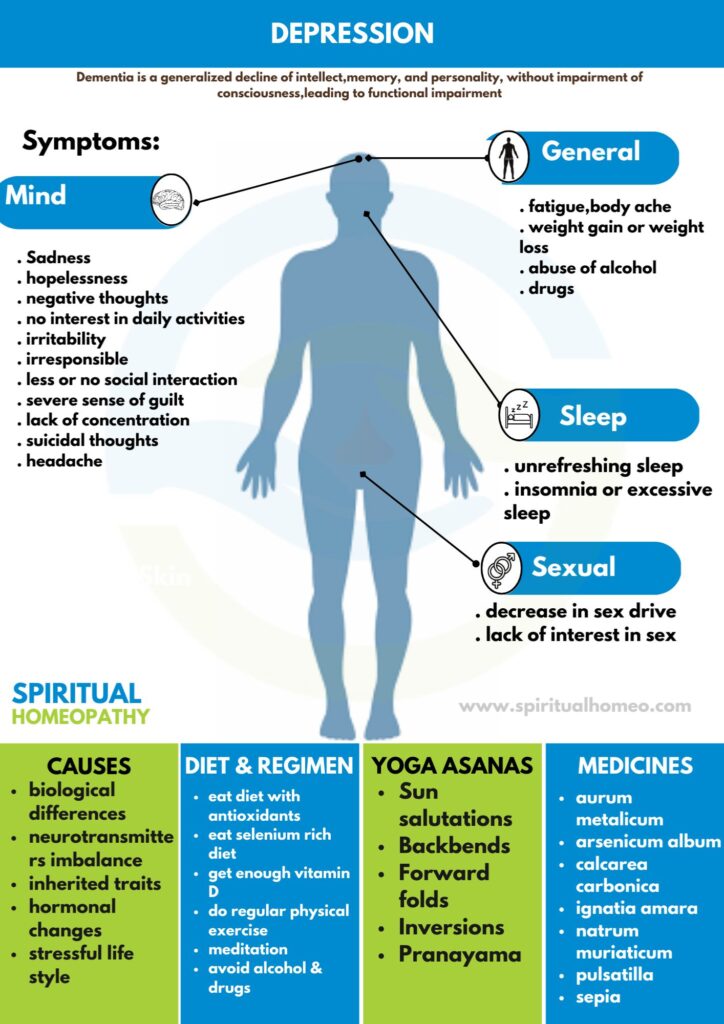
Depression is a serious mental health condition characterized by prolonged feelings of sadness, hopelessness, and emotional numbness. Unlike temporary sadness, depression can last for weeks, months, or even years, affecting a person’s behavior, relationships, and work. It is a condition that requires evaluation and guidance from a trained medical professional.
People experiencing depression often report low energy, loss of interest in daily activities, difficulty concentrating, and, in severe cases, persistent thoughts of self-harm. For many, it can feel like being trapped in a “black hole” with little escape.
Globally, depression is a leading cause of disability. According to the World Health Organization, over 350 million people worldwide are affected, and nearly 1 million die by suicide each year due to depression.
Signs may include:
Feeling unusually sad, empty, or hopeless
Difficulty managing everyday tasks or responsibilities
Withdrawing from social interactions or relationships
Feeling unloved, unwanted, or disconnected
Loss of interest or pleasure in activities once enjoyed
Recurring thoughts of self-harm or suicide
If these symptoms are frequent or significantly affect daily life, professional consultation is recommended.
Depression often begins in a person’s mid-20s but can affect anyone at any age. It is a leading global health concern, projected to become the second most common cause of disability worldwide. Early recognition and intervention can help manage symptoms and improve overall quality of life.
Effective management of depression involves a combination of professional medical care and supportive lifestyle changes. Homeopathy provides an approach that emphasizes individualized care, addressing emotional and physical contributing factors, and supporting long-term well-being.
Depression is a complex mental health condition, and its exact cause is not fully understood. Research indicates that a combination of biological, chemical, hormonal, and genetic factors may contribute to its development.
Studies have shown that people with depression may exhibit physical changes in the brain. While the exact impact of these changes is still being researched, they provide insight into potential biological contributors to depression.
Neurotransmitters are chemicals in the brain that regulate mood and emotion. Imbalances or disruptions in these chemicals—or in how they interact with neural circuits—can significantly affect mood stability and are considered a major factor in depression.
Fluctuations in hormone levels can trigger depressive symptoms. This may occur during major life events such as pregnancy, postpartum, menopause, or due to thyroid or other endocrine-related conditions.
Depression can run in families. Individuals with a family history of depression may have an increased risk, suggesting a genetic link, though research is ongoing to identify specific genes.
Depression is not a one-size-fits-all condition. It can present in various forms, each with distinct symptoms, causes, and care requirements. Identifying the type of depression is important for designing an individualized treatment plan.
Also called clinical depression, MDD involves persistent sadness, hopelessness, and a loss of interest in daily activities lasting at least two weeks. It can affect sleep, appetite, concentration, and overall daily functioning.
PDD is a chronic form of depression lasting two years or longer. Symptoms are generally milder than MDD but can steadily interfere with work, relationships, and daily life due to their long duration.
Characterized by extreme mood swings, bipolar disorder includes episodes of depression along with periods of mania or elevated mood. Both phases can disrupt daily functioning and require careful monitoring.
SAD is linked to seasonal changes, often appearing during fall and winter. Reduced sunlight can affect circadian rhythms, leading to low energy, sleep disturbances, and depressive symptoms.
Affects some women after childbirth, with symptoms such as sadness, exhaustion, anxiety, and emotional detachment. It goes beyond typical “baby blues” and benefits from early evaluation and support.
A severe form of depression that includes symptoms of psychosis, such as hallucinations or delusions, in addition to deep depressive episodes. Immediate professional assessment is recommended.
If you’ve been experiencing several of the following symptoms most of the day, nearly every day, for at least two weeks, it may indicate clinical depression. Early recognition is important, and professional consultation can help develop an individualized care plan.
Persistent sadness, emptiness, or anxiety
Hopelessness or constant pessimism
Irritability or emotional outbursts
Feelings of guilt, worthlessness, or helplessness
Loss of interest in hobbies, work, or social activities
Difficulty concentrating, making decisions, or remembering things
Recurrent thoughts of death, suicide, or self-harm
Withdrawal from friends, family, and daily life
Increased sensitivity, frustration, or angry outbursts
Feeling emotionally numb or disconnected
In children: poor concentration, declining school performance, or behavioral changes
Prolonged emotional pain or sadness
Persistent self-criticism or self-hate
Extreme lack of motivation or interest in activities
Social isolation, even from once-enjoyed hobbies
Reckless or irresponsible behavior
Intense feelings of guilt or self-blame
Thoughts or discussion of self-harm or suicide
Depression can also manifest physically:
Constant fatigue or low energy
Unexplained weight gain or loss
Sleep disturbances, such as insomnia or oversleeping
Aches, headaches, or digestive issues without clear medical cause
Decreased libido or disinterest in sex
Slowed movements, speech, or restlessness
Substance use as a coping mechanism
A balanced diet and supportive lifestyle can play a key role in managing depression alongside professional care. Making mindful nutritional and lifestyle choices can help improve mood, energy levels, and emotional stability. Consultation with a qualified practitioner can provide personalized guidance based on individual needs.
Include foods high in antioxidants, such as berries, leafy greens, nuts, and seeds. These help reduce oxidative stress, which may influence depressive symptoms. Aim for colorful fruits and vegetables in daily meals.
Selenium supports brain health and mood balance. Incorporate Brazil nuts, sunflower seeds, whole grains, and legumes to naturally support emotional well-being.
Daily exercise can enhance mood through the release of endorphins. Even a 30-minute walk or light activity can help manage depressive symptoms.
Substances such as alcohol and recreational drugs may worsen depression and interfere with treatment. Maintaining sobriety supports emotional and mental stability.
Vitamin D is important for mood regulation. Spend time in natural sunlight and include foods such as fortified dairy, eggs, and fish to maintain healthy levels.
Daily meditation, breathing exercises, or mindfulness practices can reduce stress and depressive thoughts. Even 10–15 minutes a day can support emotional balance and mental clarity.
Regular yoga practice can be a supportive therapy for managing depression. It helps calm the mind, reduce stress, and may enhance mood-regulating hormones like serotonin and endorphins. Yoga should complement professional care and can be adapted to individual needs.
This calming pose soothes the nervous system, relieves stress, and encourages emotional release. It promotes grounding and inner peace, making it ideal for moments of anxiety or overwhelm.
This rejuvenating pose improves blood flow to the brain, reduces fatigue, and enhances mental clarity. Maintaining steady breathing during the pose supports relaxation and focus.
A gentle backbend that opens the chest, reduces tension, and stimulates the adrenal glands. This pose can help improve energy levels and uplift mood.
Bridge Pose helps calm the mind, relieve anxiety, and stretch the chest and back. It also supports healthy circulation and emotional balance.
Sitting in Sukhasana while practicing mindful, deep breathing can reduce stress, encourage emotional stability, and improve focus. Even a few minutes can be beneficial.
This gentle inversion relaxes tired legs, calms the nervous system, and promotes a sense of ease. It is particularly helpful before sleep or during stressful periods.
A final relaxation pose that allows the body and mind to rest deeply. Shavasana helps release tension, restore energy, and improve mental clarity.
At Spiritual Homeopathy, we provide a holistic approach to mental and physical well-being, combining classical homeopathic principles with careful attention to emotional and spiritual health. Our care is patient-centered, empathetic, and designed to support overall balance in mind, body, and spirit.
We focus on more than just relieving symptoms—we aim to address underlying causes of mental and emotional concerns, including depression. Our experienced team of homeopathic doctors in Hyderabad creates individualized treatment plans based on your medical history, emotional health, and lifestyle. The goal is to support your natural capacity for recovery and long-term wellness.
🩺 In-Depth Consultations
Our practitioners offer in-clinic, online, and international consultations to assess your physical, mental, and emotional health. We listen carefully and design a treatment plan tailored to your unique needs.
🌿 Personalized Care
We provide homeopathic support that addresses contributing factors to depression and other mental health concerns. Treatments are generally well-tolerated under professional guidance and aim for long-term management and emotional stability.
🔄 Ongoing Follow-Up
Continuous monitoring and follow-up consultations ensure that treatment adjustments are made as needed, helping you maintain progress and achieve better mental and emotional balance.
👨⚕️ Experienced homeopathy doctors across multiple Hyderabad branches
🌐 Online and international consultation options
🌱 Holistic care addressing mind, body, and emotional well-being
❤️ Compassionate, individualized care designed for long-term wellness
Your mental and emotional health is a priority. At Spiritual Homeopathy, we provide thoughtful, professional guidance for depression and other mental health conditions, helping you navigate your healing journey with empathy and personalized care.
You should consult a healthcare professional if depressive symptoms become frequent, persistent, or begin to interfere with daily life, work, or relationships. Early evaluation helps identify underlying causes and supports timely, individualized care.
Seek consultation if you experience:
Persistent sadness, emptiness, or hopelessness
Loss of interest in activities once enjoyed
Difficulty concentrating or making decisions
Sleep disturbances, such as insomnia or oversleeping
Significant changes in appetite or weight
Thoughts of self-harm or suicide
Withdrawal from friends, family, or social life
Intense feelings of guilt, worthlessness, or helplessness
At Spiritual Homeopathy Clinic, consultations are available at multiple branches in Hyderabad, including Kukatpally, Chandanagar, Dilsukhnagar, and Nallagandla. Online and international consultations are also offered for those unable to visit in person. Professional assessment ensures a personalized care plan tailored to your symptoms and overall mental health.
For appointments or guidance, contact 9069 176 176.
❓ What is Depression?
Depression is a common mental health condition characterized by prolonged low mood, sadness, and reduced interest or pleasure in daily activities. It can affect thoughts, emotions, behavior, and physical health, impacting overall functioning.
❓ How Does Homeopathy Help in Treating Depression?
Homeopathy provides a natural, holistic approach to managing depression. Instead of just addressing symptoms, it focuses on the underlying emotional and mental imbalances. Treatments are individualized based on emotional state, physical health, and lifestyle, supporting long-term mental and emotional balance.
❓ What Are the Main Causes of Depression?
Depression can result from several interconnected factors:
Biological Differences: Structural or functional changes in the brain may influence mood.
Brain Chemistry Imbalances: Disruptions in neurotransmitters that regulate emotions can contribute to depressive symptoms.
Hormonal Changes: Hormonal shifts during pregnancy, postpartum, menopause, or due to thyroid and other endocrine disorders may trigger depression.
Genetic Predisposition: A family history of depression can increase susceptibility.
Understanding these causes helps guide personalized care and treatment.
❓ What Are Common Signs of Depression?
Depression may present with a combination of emotional, mental, and physical symptoms:
Persistent sadness, emptiness, or hopelessness
Loss of interest in hobbies, work, or social activities
Fatigue or low energy throughout the day
Noticeable changes in appetite or body weight
Physical symptoms such as headaches, body aches, or sleep disturbances
If these symptoms are frequent or severe, consulting a qualified healthcare professional is important. Early intervention with individualized care, including homeopathy, can support recovery and emotional well-being.
WhatsApp us