
Diphtheria is a serious bacterial infection caused by Corynebacterium diphtheriae that mainly affects the nose, throat, and sometimes the skin. It can cause symptoms such as a sore throat, fever, swollen glands in the neck, difficulty swallowing, weakness, and the formation of a thick gray or white membrane in the throat that may interfere with breathing. In some cases, the bacteria produce a toxin that can spread through the body and lead to serious complications affecting the heart, nerves, and other organs. Although diphtheria has become less common because of routine vaccination, it remains a medical emergency that requires prompt diagnosis and appropriate treatment. Early medical care is essential to reduce the risk of severe complications.
At Spiritual Homeopathy, we believe in treating the individual rather than simply focusing on symptoms. Our experienced homeopathic doctors carefully evaluate each patient’s medical history, overall health, immune status, and recovery needs before preparing an individualized supportive care plan. Our holistic approach focuses on promoting overall wellness, supporting recovery, and improving general health through personalized homeopathic care while complementing appropriate conventional medical treatment. Because diphtheria is a serious infectious disease, immediate medical treatment and vaccination remain essential components of care.
We provide personalized homeopathy consultations in Hyderabad to patients of all age groups through our clinics in Hyderabad, as well as online homeopathy consultations for patients across India and in more than 100 countries worldwide. If you are looking for an experienced homeopathy doctor in Hyderabad for supportive, patient-centered care during recovery, Spiritual Homeopathy is committed to delivering compassionate homeopathic consultations while encouraging timely medical treatment and appropriate preventive healthcare.
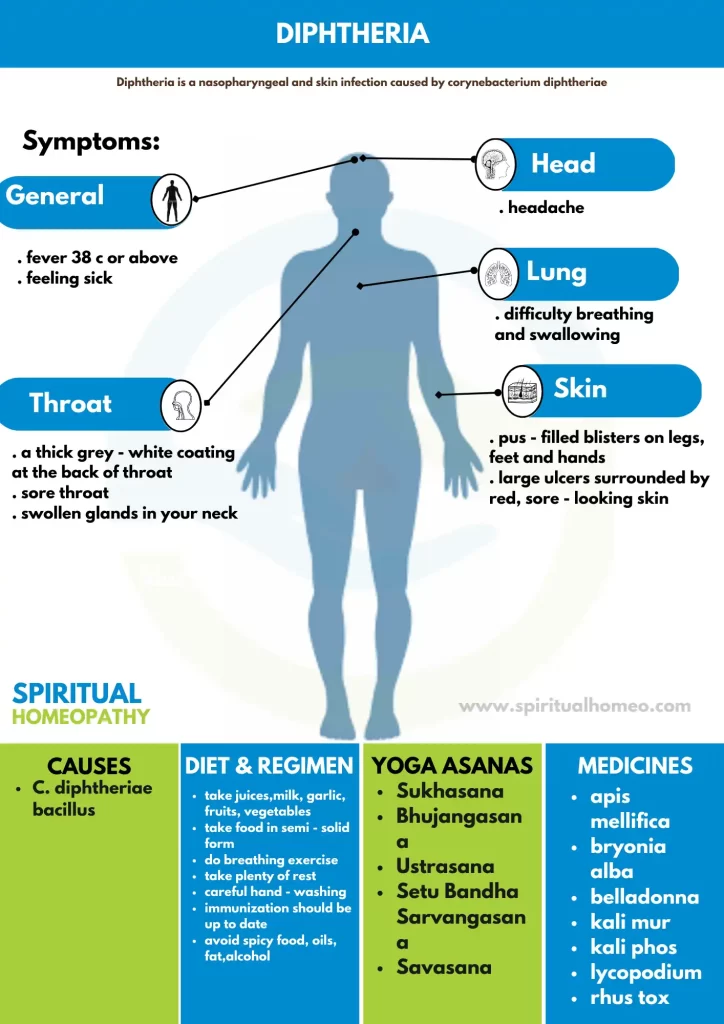
Diphtheria is a serious bacterial infection that can cause severe respiratory and systemic complications. While effective vaccination programs have largely controlled its spread in many regions, sporadic outbreaks continue to occur worldwide. Individuals in areas with inconsistent immunization coverage remain particularly vulnerable. Spiritual Homeopathy Clinic provides guidance on maintaining overall health and immunity through a holistic approach, alongside conventional preventive measures. Consultations are available at multiple Hyderabad branches, as well as online and international consultations.
Diphtheria remains more common in regions such as the Caribbean, Latin America, and the Indian subcontinent, where immunization coverage is uneven. Recent outbreaks have also been reported in post-Soviet states, Algeria, China, and Ecuador. Despite low incidence in Western countries, isolated cases still occur, highlighting the importance of continued vigilance and preventive care.
The fight against diphtheria advanced significantly with von Behring’s development of the first antitoxin in 1898. Later, in 1924, Ramon introduced the diphtheria toxoid vaccine, which dramatically reduced disease incidence in Western nations. For example, in the United States, cases peaked in 1921 at 191 per 100,000 people but have since declined substantially. However, the disease has not been entirely eradicated, emphasizing the need for continued public health efforts.
Even with successful vaccination campaigns, isolated cases are still reported in North America, including regions such as South Dakota, Ontario, and Washington state. Waning immunity from childhood vaccinations is a concern, with research indicating that around 30% of men aged 60–69 may no longer have protective levels of diphtheria antitoxin.
Certain factors increase susceptibility to diphtheria outbreaks, including:
Advanced age and declining immunity
Incomplete vaccination or missed booster doses
Overcrowded living conditions and poor sanitation
Low socioeconomic status
Alcohol use disorders
Higher risk among specific ethnic groups, such as Native Americans
Many outbreaks are associated with toxigenic Corynebacterium diphtheriae strains of the ET8 complex. While vaccines are effective against these strains, outbreaks often reflect gaps in public health systems rather than vaccine failure. Contributing factors include:
Political and socioeconomic instability
Mass migration and displacement
Inconsistent vaccine supply or distribution
Delayed response to outbreaks
Limited public health education and awareness
Diphtheria remains preventable but continues to pose a threat in regions with fragile healthcare systems or low vaccination coverage. Maintaining immunity through booster shots, strengthening healthcare infrastructure, and investing in public awareness are key steps to reduce the risk of outbreaks. For individuals seeking guidance on overall health, immunity support, and wellness strategies, Spiritual Homeopathy Clinic offers personalized consultations at multiple Hyderabad locations, as well as online and international sessions.
Diphtheria is caused by Corynebacterium diphtheriae, a gram-positive bacillus that plays a central role in this serious respiratory infection. This bacterium is unencapsulated, nonmotile, and nonsporulating. It was first observed under the microscope in 1883 by Edwin Klebs and later isolated in pure culture in 1884 by Friedrich Löffler in Robert Koch’s laboratory. Under the microscope, C. diphtheriae shows a characteristic club-shaped appearance and often forms unique arrangements resembling Chinese characters.
To identify C. diphtheriae from the throat or nasal passages, specialized culture media are used. These media often include selective agents such as tellurite, colistin, or nalidixic acid, which suppress the growth of other native pharyngeal bacteria. Laboratory tests can detect both toxigenic (tox⁺) and nontoxigenic (tox⁻) strains of the bacterium.
Research by Uchida and Pappenheimer showed that a specific virus called corynephage beta carries the tox gene, responsible for producing diphtheria toxin. When this virus infects a nontoxigenic strain of C. diphtheriae, it can convert it into a toxigenic strain through lysogenic conversion. This process can also occur naturally in the human body during infection.
Toxigenic strains produce the highest levels of diphtheria toxin under iron-limiting conditions, which mimic the environment in the human host during infection. The release of this toxin contributes to the severe symptoms and potential complications associated with diphtheria.
At Spiritual Homeopathy Clinic, individuals seeking guidance on maintaining overall health and supporting immunity can consult our experienced practitioners. We provide in-clinic consultations at multiple Hyderabad branches, as well as online and international consultations, offering individualized care and wellness advice tailored to each patient’s needs.
Diphtheria can present in two main forms: respiratory diphtheria and cutaneous (skin) diphtheria. Each type affects the body differently and shows distinct symptoms.
Respiratory diphtheria is the most common form and primarily affects the throat and upper respiratory tract. It often begins with a sore throat, low-grade fever, and the formation of a grayish-white membrane on the tonsils, pharynx, or nasal passages. In severe cases, neck swelling may occur, indicating advanced infection.
Potential complications of untreated respiratory diphtheria include:
Breathing difficulties from airway obstruction
Heart issues due to damage to the heart muscle
Blood disorders such as anemia
Paralysis, especially of muscles involved in breathing
Coma or, in extreme cases, death
Immediate medical attention is critical to prevent these outcomes. While traditional treatments like antitoxin and antibiotics are used for acute management, Spiritual Homeopathy Clinic offers consultation for supportive care and individualized management of overall health during recovery, available at multiple Hyderabad branches and through online or international consultations.
Cutaneous diphtheria primarily affects the skin and is more common in areas with poor hygiene or crowded living conditions. It is also more prevalent in tropical regions. Skin infections caused by Corynebacterium diphtheriae are generally less severe than respiratory diphtheria but can spread easily and require proper care.
Common features of cutaneous diphtheria include:
Scaling rashes
Sores or blisters appearing on various parts of the body
Red, swollen, or painful areas around the infection site
Treatment involves thorough cleansing and proper medical management to prevent complications and further spread. Supportive care, including guidance from homeopathy practitioners, can help in overall recovery and maintaining health.
Diphtheria symptoms usually appear 2 to 5 days after exposure to the bacteria. The severity and presentation can differ depending on whether the infection is respiratory or cutaneous (skin-related).
Respiratory diphtheria typically affects the throat and upper airways. Key signs include:
Thick, gray-white coating at the back of the throat, often covering the tonsils, pharynx, or nasal passages
Fever of 38°C (100.4°F) or higher
Sore throat with painful swallowing
Headache and general malaise
Swollen lymph nodes in the neck
Difficulty breathing due to airway obstruction
Progressive swallowing difficulties as the throat becomes increasingly inflamed
Severe respiratory diphtheria can rapidly lead to respiratory distress, making prompt medical evaluation crucial.
Cutaneous diphtheria affects the skin and is usually seen in areas with poor hygiene or crowded conditions. Typical signs include:
Pus-filled blisters on the hands, legs, or feet
Large ulcers with surrounding red, inflamed skin
These lesions can be painful and require timely care to prevent further infection or spread.
In advanced cases, diphtheria can produce systemic symptoms, including:
Fever and rapid heartbeat (tachycardia)
Rapid breathing (tachypnea)
Signs of pharyngeal, respiratory, nervous system, or cardiac involvement, which may lead to complications such as paralysis, heart failure, or organ damage
If symptoms are frequent, severe, or worsening, consultation is highly recommended. Spiritual Homeopathy Clinic provides in-depth evaluation and individualized care at multiple Hyderabad branches, with online and international consultations available for those unable to visit in person. Early assessment helps manage symptoms effectively and supports overall recovery.
Managing diphtheria effectively involves appropriate nutrition, adequate hydration, and supportive lifestyle measures. A balanced diet and sensible daily regimen can help support recovery, reduce throat discomfort, and lower the risk of complications during the illness.
During recovery from diphtheria, foods should be easy to swallow, nourishing, and supportive of the immune system. Commonly advised options include:
Fluids: Adequate intake of fluids such as water and fresh juices helps maintain hydration and soothe throat irritation.
Milk: Provides essential nutrients and protein that support overall recovery.
Garlic: Traditionally known for immune-supporting properties and often included as part of a balanced diet.
Semi-solid foods: Soft foods such as ice cream or porridge may be easier to swallow when throat pain is present.
Fruits and vegetables: Supply vitamins and minerals that contribute to immune function and general health.
Dietary choices may vary depending on individual tolerance, severity of symptoms, and overall health status.
Certain foods may aggravate throat discomfort or interfere with recovery and are generally avoided during diphtheria:
Spicy foods: Can increase throat irritation and discomfort.
Oily and fatty foods: May be difficult to digest during illness.
Alcohol: Can contribute to dehydration and may impair immune response.
Rest remains essential during diphtheria. However, once symptoms begin to stabilize, gentle practices may offer supportive benefits when performed under guidance:
Breathing exercises (Pranayama): May help improve breathing capacity and promote relaxation.
Uttanasana: A mild forward-bending posture that supports circulation and relaxation.
Sarvangasana: Practiced cautiously, this posture is traditionally associated with improved circulation and calmness.
These practices are supportive in nature and should not replace medical care.
Along with medical supervision, certain daily habits can assist recovery and reduce the spread of infection:
Adequate hydration: Supports immune function and throat comfort.
Sufficient rest: Allows the body to recover and conserve energy.
Hand hygiene: Regular handwashing helps limit transmission.
Soft or liquid diet: Reduces irritation while swallowing.
Up-to-date immunization: Plays a key role in preventing diphtheria and related infections.
Sleeping position: Avoiding sleeping flat on the back may help reduce mucus accumulation in some individuals.
For personalized guidance, individuals may consult Spiritual Homeopathy Clinic, which offers evaluations across multiple branches in Hyderabad, as well as online and international consultation options.
While adequate rest is essential during recovery from diphtheria, gentle yoga practices may provide supportive benefits by promoting relaxation, improving breathing awareness, and encouraging circulation. These practices should be introduced gradually and only when the individual’s condition is stable.
Breathing exercises, particularly pranayama, may help improve breathing efficiency and promote relaxation during recovery from respiratory infections such as diphtheria. Controlled breathing can also support calmness and reduce physical tension.
Nadi Shodhana (alternate nostril breathing) is commonly practiced to support balanced breathing and overall well-being.
How to do it: Sit comfortably with the spine upright. Close the right nostril using the thumb and inhale through the left nostril. Then close the left nostril with the ring finger and exhale through the right nostril. Continue gently for a few minutes without strain.
Uttanasana is a forward-bending posture that helps stretch the spine, release neck tension, and encourage steady breathing. It may also assist circulation toward the upper body, which can be supportive during recovery.
How to do it: Stand with feet hip-width apart and bend forward slowly from the hips. Allow the hands to move toward the floor while keeping the knees slightly bent if needed. Hold for 15–30 seconds while breathing comfortably.
Sarvangasana is traditionally associated with improved circulation and relaxation. When practiced cautiously, it may help support overall respiratory comfort and calmness.
How to do it: Lie on your back and gently lift the legs upward, supporting the lower back with the hands. Keep the body aligned and breathe slowly. Hold briefly, depending on comfort, and avoid strain.
Bhujangasana gently opens the chest and stretches the upper body. This posture may help ease stiffness in the chest and throat region, which can be helpful during recovery.
How to do it: Lie on the abdomen with hands under the shoulders. Slowly lift the chest while keeping the elbows slightly bent. Hold the posture for 15–30 seconds with steady breathing.
Viparita Karani is a restorative posture that promotes relaxation and gentle circulation. It can be particularly useful during periods of fatigue.
How to do it: Lie on your back with the legs resting vertically against a wall. Keep the arms relaxed by the sides and focus on calm breathing for 5–10 minutes.
These yoga practices are supportive measures only and should not replace medical care. Individuals experiencing weakness, breathing difficulty, or persistent symptoms should avoid exertion and seek professional guidance.
At Spiritual Homeopathy Clinic, care is guided by classical homeopathic principles with attention to physical and emotional well-being. The focus is on understanding each individual’s health concerns in a comprehensive manner, allowing care plans to be tailored according to personal symptoms and overall health status.
With multiple branches in Hyderabad, the clinic also provides in-clinic, online, and international consultations, ensuring access to professional guidance for patients in different locations.
The approach to care emphasizes balance between physical health and emotional factors that may influence illness. Rather than addressing symptoms alone, consultations aim to understand contributing factors, symptom patterns, and individual responses. This method supports individualized care and long-term management under professional supervision.
Treatment planning is based on a detailed evaluation, helping patients manage both acute and ongoing health concerns in a structured and responsible manner.
Homeopathy consultations at Spiritual Homeopathy Clinic involve a detailed review of symptoms, medical history, and lifestyle factors. Online consultations are also available for those unable to visit the clinic in person. This process allows practitioners to understand the condition clearly and guide care in a personalized way.
Care is planned according to individual presentation and health needs, with the aim of addressing contributing factors rather than isolated symptoms. The approach is generally well-tolerated under professional guidance and is used as part of an overall health management plan.
Follow-up consultations are an important part of care, helping monitor symptom changes and overall progress. Periodic reviews support continuity of care and allow adjustments based on individual response and clinical assessment.
Spiritual Homeopathy Clinic is committed to providing responsible, patient-focused care through professional evaluation and guidance. The goal is to support individuals in managing their health concerns with clarity, consistency, and informed decision-making, whether through in-clinic visits or remote consultations.
You should consult a healthcare professional if diphtheria symptoms appear, persist, or worsen, as early evaluation is important to reduce the risk of complications and limit disease spread.
Seek consultation if you experience:
Persistent sore throat with fever
Thick grey or white coating on the throat or tonsils
Difficulty breathing or swallowing
Swelling of the neck or enlarged lymph nodes
Skin sores or ulcers that do not heal
Increasing weakness, fatigue, or signs of systemic illness
Prompt medical assessment is especially important in children, older adults, or individuals with reduced immunity. Early guidance helps in monitoring the condition and planning appropriate supportive care.
At Spiritual Homeopathy Clinic, consultations are available across multiple branches in Hyderabad, with options for in-clinic, online, and international consultations. Professional evaluation supports an individualized care approach based on symptoms, clinical findings, and overall health status.
For consultation guidance, contact 9069 176 176.
Diphtheria is a contagious infection caused by the bacterium Corynebacterium diphtheriae. The bacteria mainly affect the mucous membranes of the nose and throat, and can also cause skin infections. The most dangerous aspect of the disease is a potent exotoxin (poison) released by the bacteria, which kills healthy tissues, can form a thick grey membrane in the airway, and spread through the bloodstream to damage the heart and nerves.
Diphtheria mainly infects the upper respiratory tract—specifically the nose and throat—causing difficulty breathing and swallowing. However, the most life-threatening effects occur when the bacteria release a toxin that enters the bloodstream and most severely damages the heart (causing myocarditis) and the nervous system (causing nerve damage and paralysis).
Yes, diphtheria is still around, though it is very rare in the United States. Because of widespread vaccination, the disease is almost entirely eliminated in many developed nations, but it remains endemic in many parts of the world and periodic outbreaks still occur globally.
Respiratory diphtheria: Treatment usually involves diphtheria antitoxin and antibiotics. Skin infections: Generally, only antibiotics are used. Diphtheria antitoxin stops the toxin from causing more damage to the body. Antibiotics kill and get rid of the bacteria.
Yes, diphtheria can be fatal. It has an overall mortality rate of 5% to 10%, even with proper treatment. Without treatment, the fatality rate can climb to 20% to 50%. The disease is especially dangerous for unvaccinated individuals, young children under age 5, and adults over age 40.
Cutaneous diphtheria usually causes infected sores or ulcers on exposed parts of the body which are slow to heal but rarely lead to severe illness. It is understood that the last reported diphtheria death was in 2018, according to the national broadcaster ABC.