
Down syndrome
Living with Down Syndrome: Stories of Strength and Inclusion
- Home
- Down syndrome
Down syndrome
Down syndrome
What Is Down Syndrome? Understanding Trisomy 21
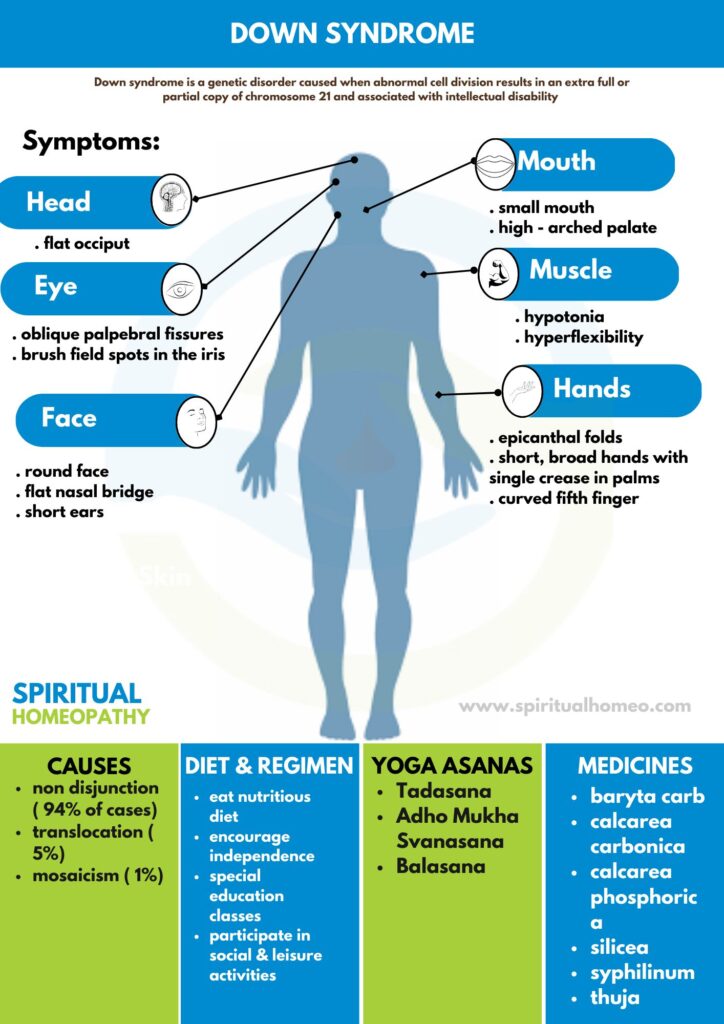
Down syndrome, also known as trisomy 21, is a genetic condition that occurs when a person is born with an extra copy of chromosome 21. It is the most common chromosomal disorder in humans. People with Down syndrome often share certain physical traits, experience developmental delays, and may have an increased risk of health issues such as heart defects or thyroid problems. With early support and medical care, many individuals with Down syndrome lead healthy, fulfilling lives.
Everything You Need to Know
Down Syndrome: Overview, Causes, Characteristics, and Support
Down syndrome, also known as trisomy 21, is a common genetic condition caused by the presence of an extra copy of chromosome 21. It is one of the most frequently occurring chromosomal abnormalities. Individuals with Down syndrome may share certain physical features, experience developmental differences, and have a higher likelihood of specific health conditions. With appropriate medical care, educational support, and social inclusion, many individuals lead healthy and meaningful lives.
At Spiritual Homeopathy Clinic, consultations are available across multiple branches in Hyderabad, as well as through online and international consultation options for families seeking guidance and supportive care.
What Causes Down Syndrome? Types, Risks, and Genetic Factors
Down syndrome is a genetic condition that occurs when a person is born with an extra copy of chromosome 21. This additional genetic material influences physical development and cognitive function, leading to characteristic differences. While Down syndrome can occur in any family, understanding its types and risk factors helps explain how and why it develops.
Families seeking guidance may consult qualified professionals at centers such as Spiritual Homeopathy Clinic, which offers in-clinic consultations across multiple branches in Hyderabad, along with online and international consultation options.
Types of Down Syndrome
There are three main types of Down syndrome, each with a distinct genetic pattern:
1. Trisomy 21 (About 95% of Cases)
Trisomy 21 is the most common form of Down syndrome. In this type, every cell in the body contains three copies of chromosome 21 instead of the usual two. This usually occurs due to an error during cell division and is not inherited from the parents.
2. Translocation Down Syndrome (3–4% of Cases)
In translocation Down syndrome, a portion of chromosome 21 breaks off and attaches to another chromosome before or at conception. While this can occur randomly, some cases are inherited when a parent carries a balanced translocation without showing any symptoms. Understanding this type is important for family counseling and future planning.
3. Mosaic Down Syndrome (1–2% of Cases)
Mosaic Down syndrome is the rarest form and occurs when only some cells have an extra copy of chromosome 21, while others have the typical number. The degree of physical or developmental differences may vary depending on the proportion of affected cells. Like Trisomy 21, mosaicism usually occurs by chance and is generally not inherited.
Identifying the type of Down syndrome supports individualized medical monitoring and long-term care planning.
Maternal Age and Risk Factors
Advanced maternal age is a recognized risk factor for Down syndrome. The likelihood increases for women over the age of 35. However, it is important to understand that:
Most babies with Down syndrome are born to women under 35, as younger women have higher birth rates overall.
Increased maternal age raises risk but does not predict or guarantee the condition.
Other factors may be involved, though most cases occur without a clear, preventable cause.
Genetic Counseling and Testing
Families with a history of Down syndrome or concerns about genetic risk may benefit from genetic counseling. A qualified healthcare professional can provide guidance on:
Prenatal screening and diagnostic testing
Understanding inherited and non-inherited genetic patterns
Making informed and well-supported reproductive decisions
Early counseling allows families to plan appropriate medical care and support.
Conclusion
Down syndrome results from genetic changes involving chromosome 21, most often occurring randomly rather than through inheritance. Understanding its types and associated risk factors helps families prepare for appropriate care, long-term support, and informed decision-making. Ongoing medical guidance and supportive care play an important role in overall health and quality of life.
Types of Down Syndrome: Trisomy 21, Translocation, and Mosaicism
Down syndrome is a genetic condition that occurs when there is extra genetic material from chromosome 21. While all types of Down syndrome share similar characteristics, the way the condition develops at the cellular level can differ. Understanding these differences supports appropriate monitoring and individualized care. Consultations are available at Spiritual Homeopathy Clinic through in-clinic visits across Hyderabad branches, as well as online and international consultations.
1. Trisomy 21 (Standard Down Syndrome)
Trisomy 21 is the most common form of Down syndrome, accounting for about 95% of all cases. It occurs when every cell in the body has three copies of chromosome 21 instead of the usual two.
This type is caused by a random error in cell division known as nondisjunction, which typically occurs during the formation of the egg or sperm.
It is not inherited and usually happens by chance.
Trisomy 21 leads to the typical physical features and developmental patterns associated with Down syndrome.
Identifying this type helps guide long-term developmental and medical support.
2. Translocation Down Syndrome
Translocation Down syndrome accounts for approximately 3–4% of cases. In this form, a portion of chromosome 21 breaks off and attaches to another chromosome, most commonly chromosome 14 or 15.
Although the total number of chromosomes remains 46, the extra chromosome 21 material leads to Down syndrome characteristics.
This type may be inherited from a parent who carries a balanced translocation and does not show symptoms.
Genetic counseling is often advised for families with a known history, as it helps clarify inheritance patterns and future risks.
3. Mosaic Down Syndrome
Mosaic Down syndrome is the rarest form, occurring in about 1–2% of cases. In this type, the body contains a mixture of two cell populations:
Some cells have the typical 46 chromosomes, while others have 47 chromosomes with an extra copy of chromosome 21.
This variation results from a random event during early cell division after fertilization.
Symptoms may be milder or vary depending on the number and distribution of affected cells.
Regular follow-up supports appropriate developmental and health assessments.
Conclusion
All three types of Down syndrome involve extra genetic material from chromosome 21, but differences in how this material is distributed influence diagnosis, inheritance, and care planning. Understanding these distinctions helps families and caregivers make informed decisions regarding testing, long-term management, and supportive care.
Signs and Symptoms of Down Syndrome: What to Look For
Down syndrome is a genetic condition that affects physical development, cognitive abilities, and overall health. While not every individual with Down syndrome will have the same characteristics or health concerns, there are several signs and symptoms that are commonly observed. Recognizing these features supports early evaluation and appropriate care. Consultations are available at Spiritual Homeopathy Clinic through multiple branches in Hyderabad, as well as online and international consultations.
Physical Features of Down Syndrome
Many individuals with Down syndrome share certain physical traits, although these can vary in appearance and severity. These features may be noticeable at birth or develop during early childhood:
Upward-slanting eyes with epicanthal folds (skin folds at the inner corners of the eyes)
Flat facial profile with a small nose and flattened nasal bridge
Small mouth with a tongue that may protrude due to limited oral space
Low muscle tone (hypotonia), which can affect posture and motor coordination
Shorter height and limbs compared to age-matched peers
A single deep crease across the palm (also called a single palmar crease)
Brushfield spots (small white or grayish spots on the iris)
These physical features do not determine intelligence, personality, or individual potential.
Developmental and Cognitive Delays
Children and adults with Down syndrome often experience developmental delays, though the extent varies widely:
Mild to moderate intellectual disability
Delayed milestones such as sitting, crawling, walking, and speaking
Speech and language challenges, including articulation and comprehension
Slower learning pace and difficulties with memory or attention
Need for individualized educational and developmental support
Early intervention and structured learning environments play an important role in skill development.
Common Medical Conditions Associated with Down Syndrome
Individuals with Down syndrome have a higher likelihood of certain medical conditions, making regular health monitoring important:
Congenital heart defects (such as atrioventricular septal defects or ventricular septal defects)
Hearing loss, often related to middle ear infections or structural differences
Vision problems, including refractive errors or strabismus
Hypothyroidism (underactive thyroid function)
Digestive conditions, including intestinal blockages or celiac disease
Recurrent respiratory infections such as bronchitis or pneumonia
Routine screening and timely medical care help support long-term health.
Behavioral and Emotional Characteristics
Behavioral and emotional traits can also vary among individuals with Down syndrome:
Friendly, social, and affectionate behavior
Strong emotional awareness and empathy
Possible challenges with attention, impulsivity, or behavior regulation
Increased likelihood of associated conditions such as ADHD or autism spectrum disorder in some individuals
Benefit from consistent routines and supportive environments
Final Thoughts
The signs and symptoms of Down syndrome differ from person to person, reflecting individual strengths and challenges. If physical, developmental, or health-related concerns are frequent or impact daily functioning, timely professional consultation is advised. With early support, appropriate healthcare, and inclusive education, many individuals with Down syndrome lead active and meaningful lives.
Healthy Diet and Lifestyle Regimen for Individuals with Down Syndrome
A well-balanced diet and a consistent daily routine are essential for supporting the overall health and development of individuals with Down syndrome. While there is no specific diet that can cure or alter the genetic condition, appropriate nutrition, regular physical activity, and routine health monitoring can help improve quality of life, support physical and cognitive development, and reduce the risk of associated health concerns. Nutritional and lifestyle guidance can be discussed through consultations at Spiritual Homeopathy Clinic, available across Hyderabad branches, as well as online and international consultations.
1. Nutritional Needs for Individuals with Down Syndrome
Children and adults with Down syndrome may experience unique nutritional challenges, such as a slower metabolism, feeding difficulties, or an increased risk of weight gain. A nutrient-dense and balanced diet plays an important supportive role.
Recommended Diet:
Fruits and vegetables: Rich in fiber, vitamins, and antioxidants that support digestion and immune health
Whole grains: Brown rice, oats, quinoa, and whole wheat for sustained energy and fiber intake
Lean proteins: Chicken, turkey, fish, eggs, beans, and lentils to support muscle development
Healthy fats: Sources such as avocados, nuts, seeds, and olive oil
Low-fat dairy or alternatives: Important for calcium and vitamin D to support bone health
Hydration: Encourage adequate water intake throughout the day
Foods to Limit:
Processed foods high in sugar, salt, and saturated fats
Sugary beverages such as soft drinks and packaged juices
Excess refined carbohydrates, including white bread and pastries
Artificial additives or preservatives, which may affect digestion or behavior in some individuals
2. Special Dietary Considerations
Thyroid function: Hypothyroidism is common in individuals with Down syndrome; iodine-rich foods such as seafood, dairy, and eggs may be beneficial alongside regular thyroid monitoring
Celiac disease: Some individuals may require a gluten-free diet if diagnosed
Constipation: A high-fiber diet combined with adequate hydration can help manage this concern
Dietary needs may vary based on age, activity level, and associated medical conditions, and should be individualized.
3. Physical Activity and Exercise
Regular physical activity supports healthy weight management, muscle tone, and cardiovascular health:
Daily movement: Encourage 30–60 minutes of age-appropriate activity each day
Enjoyable activities: Walking, swimming, dancing, or adapted sports programs
Physical therapy: May support motor development and address low muscle tone when needed
Routine: Structured daily schedules can help reinforce healthy habits and reduce anxiety
4. Daily Wellness Routine
Sleep: Maintain a consistent sleep routine, with adequate rest based on age
Oral hygiene: Regular dental care is important due to a higher risk of gum and tooth problems
Medical checkups: Periodic vision, hearing, heart, thyroid, and dental evaluations are recommended
Mental well-being: Social interaction, recreational activities, and emotional support play a key role in overall wellness
Conclusion
A balanced diet and structured lifestyle are important supportive measures for individuals with Down syndrome. With appropriate nutrition, regular physical activity, and ongoing medical care, many individuals can maintain overall health and enjoy an improved quality of life. Lifestyle recommendations should always be adapted to individual needs and reviewed during professional consultations.
Best Yoga Asanas for Individuals with Down Syndrome
Practicing yoga regularly may help individuals with Down syndrome improve body awareness, flexibility, balance, and focus, while also supporting emotional calm and relaxation. Yoga practices should remain simple, gentle, and supervised, especially for children or individuals with associated medical conditions. These practices are supportive in nature and should be used alongside regular medical care.
1. Tadasana (Mountain Pose)
Benefits:
Supports posture awareness, balance, and concentration.
How to do:
Stand upright with feet together and arms relaxed by the sides. Focus on steady breathing while maintaining an aligned posture.
Adaptation:
Can be practiced with wall support to improve stability.
2. Balasana (Child’s Pose)
Benefits:
Encourages relaxation, gently stretches the back, and supports calming of the nervous system.
How to do:
Kneel on the mat, sit back on the heels, and gently rest the forehead forward with arms extended.
Adaptation:
A pillow or folded blanket may be placed under the chest for comfort.
3. Bhujangasana (Cobra Pose)
Benefits:
Helps strengthen the spine, improve flexibility, and open the chest area.
How to do:
Lie on the stomach, place palms near the shoulders, and gently lift the upper body while breathing comfortably.
Adaptation:
Raise the torso only to a comfortable level to avoid strain.
4. Sukhasana (Easy Sitting Pose)
Benefits:
Supports mindful breathing, calmness, and improved focus.
How to do:
Sit cross-legged with the spine upright and practice slow, steady breathing.
Adaptation:
A cushion or folded blanket can be used to maintain comfort and posture.
5. Marjaryasana–Bitilasana (Cat–Cow Pose)
Benefits:
Improves spinal flexibility, coordination, and breath awareness.
How to do:
From an all-fours position, gently alternate between arching and rounding the back in sync with breathing.
Adaptation:
Slow, guided movements help improve coordination and attention.
6. Setu Bandhasana (Bridge Pose)
Benefits:
Supports back and leg strength and encourages healthy circulation.
How to do:
Lie on the back with knees bent and feet flat on the floor, then gently lift the hips upward.
Adaptation:
A cushion placed under the hips can provide additional support.
Tips for Practicing Yoga with Down Syndrome
Keep instructions simple and consistent
Focus on slow, comfortable breathing throughout the practice
Use props such as blocks, straps, or cushions for stability
Maintain patience, as progress may be gradual
Practice in a calm, quiet environment
Yoga routines should be adapted based on individual ability, comfort level, and any associated health conditions.
Benefits of Yoga for Individuals with Down Syndrome
Improved balance and motor coordination
Better focus and body awareness
Support for emotional regulation and relaxation
Gentle strengthening of muscles and posture
Conclusion
Yoga can serve as a supportive lifestyle practice for individuals with Down syndrome, helping promote physical comfort, emotional calm, and overall well-being. It should always be practiced under guidance and integrated alongside routine healthcare and professional consultations. For individualized guidance, consultations are available at Spiritual Homeopathy Clinic across multiple branches in Hyderabad, as well as through online and international consultations.
Why Choose Homeopathy?
Homeopathy is a natural and holistic system of medicine that focuses on understanding the root cause of health concerns rather than only managing symptoms. It considers an individual’s physical, emotional, and mental state as part of the healing process. Homeopathy is commonly used across different age groups, from children to older adults, with treatment plans tailored to individual needs under professional guidance.
Welcome to Spiritual Homeopathy – Your Partner in Natural Healing
At Spiritual Homeopathy Clinic, we focus on supporting overall health through personalized and compassionate care. Our approach aims to promote balance across the mind and body while respecting the body’s natural ability to heal. Care plans are designed after detailed consultations, keeping long-term well-being in mind.
With multiple branches in Hyderabad, we provide in-clinic, online, and international consultations, making care accessible for patients locally and globally.
What Sets Spiritual Homeopathy Apart?
Our clinical approach is centered on individualized assessment and responsible care.
Experienced Practitioners: Our homeopathy doctors in Hyderabad bring clinical experience and a patient-focused approach to care.
Individualized Evaluation: Each case is reviewed carefully to understand contributing factors rather than focusing only on symptoms.
Emotional and Lifestyle Consideration: Emotional health and daily habits are considered as part of the overall assessment.
Consultation Flexibility: Patients can access care through in-clinic visits, online consultations, or international follow-ups based on their needs.
Our Holistic Treatment Approach
At Spiritual Homeopathy Clinic, treatment plans are developed with attention to the individual’s health history, lifestyle, and current concerns. The approach aims to:
Address contributing factors linked to health conditions
Support physical and emotional balance
Encourage long-term health management
Promote awareness of lifestyle factors that influence well-being
This method is used for both acute and chronic health concerns, with care plans adjusted over time through follow-up consultations.
Conditions We Support
We provide homeopathic care for a wide range of health concerns, including:
Thyroid and hormonal imbalances
Digestive and gastric conditions
Skin concerns such as eczema, acne, and psoriasis
Joint and musculoskeletal issues
Respiratory complaints including asthma and allergies
Migraines and recurring headaches
Reproductive and sexual health concerns
Developmental and behavioral challenges in children
Note: Homeopathy does not claim to cure genetic conditions. In such cases, supportive care may help improve general health, immunity, digestion, and overall quality of life under professional supervision.
Consultation at Spiritual Homeopathy Clinic
Spiritual Homeopathy Clinic offers structured consultations to understand individual health concerns in detail. Patients can choose from:
In-clinic consultations at Hyderabad branches
Online consultations for patients within India and abroad
Ongoing follow-up care for monitoring progress and adjusting guidance
Consultation methods are selected based on patient preference, condition severity, and clinical suitability.
When to Consult a Doctor
It is advisable to seek professional consultation if symptoms are persistent, recurring, or affecting daily activities. Early evaluation can help in understanding the condition and planning appropriate care.
When to Consult
You should consult a healthcare professional if acidity symptoms become frequent, persistent, or begin to affect daily activities or sleep. Early evaluation helps identify contributing factors and reduces the risk of complications.
Seek consultation if you experience:
Recurrent or long-lasting heartburn
Difficulty or pain while swallowing
Persistent chest discomfort or burning sensation
Symptoms that worsen at night or disturb sleep
Unexplained weight loss or reduced appetite
Symptoms not improving with dietary and lifestyle measures
At Spiritual Homeopathy Clinic, consultations are available at multiple branches in Hyderabad, including Kukatpally, Chandanagar, Dilsukhnagar, and Nallagandla. Online and international consultations are also available for patients who cannot visit in person. A professional assessment supports an individualized care approach based on symptoms and overall health status.
For appointments or guidance, contact 9069 176 176.
Frequently Asked Questions About Down Syndrome
1. What is Down Syndrome?
A: Down syndrome, also known as trisomy 21, is a genetic condition caused by the presence of an extra copy of chromosome 21. It is the most common chromosomal abnormality and is associated with distinctive physical features, developmental delays, and intellectual disability. Individuals with Down syndrome may also have a higher risk of certain health conditions, including congenital heart defects, hearing loss, vision problems, and thyroid disorders.
2. What are the Signs and Symptoms of Down Syndrome?
A: Common signs and symptoms of Down syndrome include:
Distinctive physical features such as upward-slanting eyes, a flat nasal bridge, and a small mouth
Developmental delays affecting motor skills, speech, and learning
Intellectual disability, which can vary in severity
Low muscle tone (hypotonia) and shorter stature
Increased susceptibility to medical conditions such as heart defects, hearing issues, and vision concerns
Symptoms vary widely among individuals. Not every person with Down syndrome will experience all of these features, and many individuals participate actively in family, school, and community life. If developmental concerns are frequent or progressive, professional evaluation is recommended.
3. What Causes Down Syndrome?
A: Down syndrome occurs due to an extra copy of chromosome 21. This chromosomal variation usually happens randomly during the formation of reproductive cells or in early fetal development. Maternal age is considered a known risk factor, with a higher likelihood in pregnancies over the age of 35, although many children with Down syndrome are born to younger mothers. Understanding these factors helps guide individualized care and long-term support planning.
4. Can Down Syndrome Be Cured?
A: Down syndrome is a lifelong genetic condition and cannot be cured. However, early intervention programs, educational support, and appropriate medical care can help individuals reach their developmental potential. Supportive care focuses on improving overall health, functional abilities, and quality of life through a multidisciplinary approach.
5. How Is Down Syndrome Diagnosed?
A: Down syndrome may be identified before birth through prenatal screening and diagnostic tests such as blood tests, ultrasound assessments, amniocentesis, or chorionic villus sampling (CVS). After birth, diagnosis is often suspected based on physical characteristics and confirmed through chromosomal analysis (karyotyping), which identifies the extra chromosome 21.
6. What Is the Life Expectancy for People with Down Syndrome?
A: Advances in medical care, early diagnosis, and supportive therapies have significantly improved life expectancy for individuals with Down syndrome. Many people now live into their 60s and beyond. Life expectancy varies depending on associated health conditions, access to healthcare, and ongoing medical follow-up.
7. How Can Individuals with Down Syndrome Be Supported?
A: Individuals with Down syndrome benefit from comprehensive and consistent support, which may include:
Early Intervention: Speech therapy, occupational therapy, and physical therapy to support developmental progress
Educational Support: Special education services and inclusive learning environments tailored to individual abilities
Medical Monitoring: Regular health evaluations to manage conditions commonly associated with Down syndrome
Social and Emotional Support: Participation in social activities, community programs, and advocacy initiatives
Family Support: Informed caregiving, counseling, and access to support networks
Support strategies are most effective when tailored to individual needs and reviewed regularly with healthcare professionals. At Spiritual Homeopathy Clinic, supportive consultations are available through in-clinic visits across Hyderabad, as well as online and international consultation options.