
Endometriosis is a condition where functioning endometrial tissue, including glands and stroma, grows outside the uterine lining.
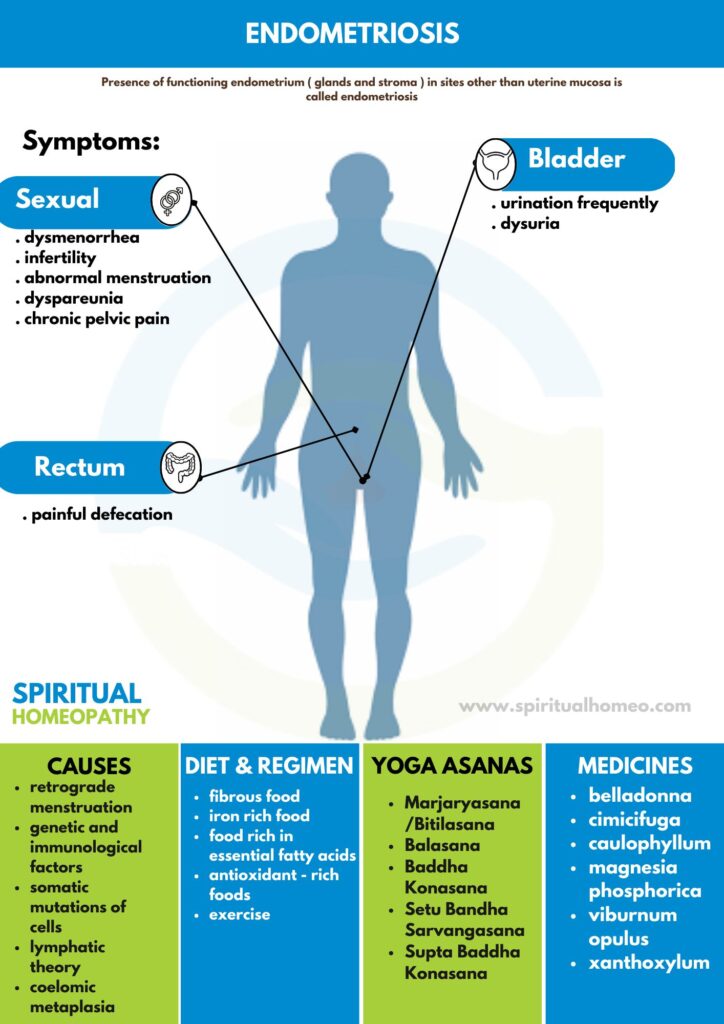
Endometriosis is a condition in which endometrial tissue, normally lining the uterus, grows in areas outside the uterus. When this tissue is located within the uterine muscle layer (myometrium), it is called adenomyosis, or internal endometriosis. More commonly, endometrial tissue is found outside the uterus, referred to as external or generalized endometriosis.
Although benign, endometriosis can be locally invasive and may spread to surrounding tissues. Its growth is influenced by hormonal cycles, with cyclic hormones promoting growth and continuous hormone exposure suppressing it.
In recent decades, endometriosis has become more commonly diagnosed. This trend is partly linked to lifestyle factors, such as delayed marriage and childbirth, smaller family sizes, and improved awareness among healthcare providers. Enhanced diagnostic tools like laparoscopy have also contributed to higher detection rates. Overall, endometriosis affects approximately 10% of women, with higher prevalence among women experiencing infertility, ranging from 30–40% based on surgical findings.
Common Sites of Endometriosis:
Abdominal: Endometrial tissue often affects structures in the abdominal cavity, usually below the umbilicus, making this the most frequent site outside the uterus.
Extra-Abdominal: Endometrial tissue can also appear outside the abdominal cavity, such as in surgical scars (from cesarean section, hysterectomy, myomectomy, or tubectomy), the umbilicus, episiotomy scars, vagina, and cervix.
Women experiencing symptoms or suspected endometriosis can seek professional evaluation at Spiritual Homeopathy Clinic, where consultations are available at multiple Hyderabad branches and through online or international consultations for those unable to visit in person. Individualized assessment helps guide long-term management and symptom relief.
Endometriosis occurs when tissue similar to the uterine lining grows outside the uterus. While the exact cause is not fully understood, several factors are commonly considered:
Retrograde Menstruation:
In this process, menstrual blood containing endometrial cells flows backward through the fallopian tubes into the pelvic cavity instead of leaving the body. These cells may attach to pelvic organs and continue to grow and bleed during each menstrual cycle, contributing to endometriosis.
Transformation of Peritoneal Cells:
The “induction theory” suggests that hormonal or immune system factors may trigger peritoneal cells—cells lining the abdomen—to transform into endometrial-like cells, potentially leading to endometriosis.
Embryonic Cell Transformation:
Hormones, particularly estrogen, may influence the transformation of embryonic cells into endometrial-like cells during puberty, causing tissue growth in areas outside the uterus.
Surgical Scar Implantation:
Endometrial cells can sometimes attach to surgical scars after procedures such as hysterectomy or cesarean section, contributing to endometriosis in those locations.
Endometrial Cell Transport:
Endometrial cells may travel through blood vessels or the lymphatic system to implant in locations distant from the uterus.
Immune System Disorders:
A weakened or altered immune response may prevent the body from recognizing and eliminating endometrial-like tissue growing outside the uterus, allowing it to persist and develop further.
Endometriosis is classified based on the location and depth of endometrial tissue growth in the pelvis or abdomen. There are four main types, each with distinct characteristics:
Superficial Peritoneal Endometriosis:
This is the least severe form, where endometrial tissue attaches to the peritoneum, the thin membrane lining the abdomen and pelvis. Although generally involving less tissue growth, it can still cause discomfort and is usually easier to manage compared to deeper forms.
Endometriomas (Chocolate Cysts):
Endometriomas are dark, fluid-filled cysts commonly referred to as “chocolate cysts” due to their appearance. These cysts often develop in the ovaries but can occur elsewhere in the pelvis or abdomen. They may cause notable pain, particularly during menstruation.
Deeply Infiltrating Endometriosis (DIE):
In this form, endometrial tissue penetrates deeper into tissues and organs within or outside the pelvic cavity. Organs such as the ovaries, rectum, bladder, or bowels can be affected. In rare cases (1%-5% of patients), scar tissue may cause organs to adhere together, resulting in a condition called “frozen pelvis.”
Abdominal Wall Endometriosis:
Endometrial tissue can sometimes grow on the abdominal wall, often following surgical procedures such as a C-section. Tissue may attach to the incision site, leading to localized pain and discomfort.
Patient Profile:
Endometriosis most commonly affects women between 30–45 years of age. It is frequently seen in those who are nulliparous (have never given birth) or had children later in life. Women with a family history of endometriosis, delayed pregnancy, or higher social status may have a higher risk. In some teenagers, outflow tract obstruction may contribute, affecting around 10% of cases.
Symptoms of Endometriosis:
Endometriosis can sometimes be asymptomatic, with approximately 25% of patients diagnosed incidentally during laparoscopy or laparotomy. Symptoms do not always correlate with disease extent; some women with extensive endometriosis may have minimal discomfort, while others with limited lesions may experience severe pain. Lesions deeper than 5mm often cause significant symptoms such as pain, dysmenorrhea, and dyspareunia.
Non-pigmented lesions can produce higher prostaglandin F (PGF) levels, potentially leading to more intense pain. Lesion location also influences symptom severity, with midline lesions often causing more discomfort.
Common Symptoms Include:
Dysmenorrhea (70%)
Painful menstruation typically begins a few days before menstruation, peaks during the period, and may persist afterward. Pain is often deep in the lower abdomen or rectum and may worsen over time due to increased PGF2α and thromboxane β2 from endometrial tissue.
Abnormal Menstruation (20%)
Endometriosis can cause heavy bleeding (menorrhagia), frequent periods (polymenorrhagia), prolonged bleeding (epimenorrhagia), or premenstrual spotting, especially if ovarian tissue is involved.
Infertility (40–60%)
Endometriosis is present in 20–40% of infertile women, while 40–50% of women with endometriosis experience difficulty conceiving. Factors include hormonal imbalances, adhesions, and structural changes in reproductive organs.
Dyspareunia (20–40%)
Pain during intercourse, usually deep, may result from stretching pelvic structures such as the rectovaginal septum, pouch of Douglas, or a retroverted uterus.
Chronic Pelvic Pain
Pain can range from mild to severe, caused by peritoneal inflammation, adhesions, ovarian cysts, or inflammatory cytokine release. Discomfort often increases during menstruation.
Abdominal Pain
Intermittent or acute pain, particularly around menstruation, may occur, especially if a chocolate cyst ruptures.
Other Possible Symptoms:
Urinary Issues: Frequent urination, painful urination (dysuria), back pain, or hematuria if the urinary tract is affected.
Gastrointestinal Issues: Painful defecation (dyschezia), diarrhea, constipation, rectal bleeding, or melena when the sigmoid colon or rectum is involved.
Fatigue: Chronic fatigue, often related to perimenstrual symptoms.
Respiratory Symptoms: Rarely, hemoptysis or catamenial chest pain may occur if endometriosis involves the lungs.
Surgical Scar Pain: Cyclical pain or bleeding at surgical scars, such as from C-sections or hysterectomies.
Symptoms can significantly affect daily life, and severity may vary based on lesion location and depth. If symptoms are frequent, persistent, or severe, consultation with a healthcare professional is recommended. Spiritual Homeopathy Clinic offers in-clinic consultations at multiple Hyderabad branches, as well as online and international appointments for personalized assessment and management.
A nutrient-rich, well-balanced diet can support the management of inflammation and discomfort associated with endometriosis. Focusing on plant-based foods rich in vitamins, minerals, and antioxidants can promote overall well-being and may help reduce symptoms.
Key Dietary Recommendations:
Fibrous Foods: Include a variety of fruits, vegetables, legumes, and whole grains. Fiber supports digestive health and may help reduce inflammation.
Iron-Rich Foods: Heavy menstrual bleeding can increase the risk of iron deficiency. Consume iron-rich foods such as dark leafy greens, broccoli, beans, fortified grains, nuts, and seeds to maintain healthy iron levels.
Essential Fatty Acids: Foods high in omega-3 fatty acids—like salmon, sardines, trout, walnuts, chia seeds, and flaxseeds—may help manage inflammation and support overall health.
Antioxidant-Rich Foods: Oranges, berries, dark chocolate, spinach, and beets contain antioxidants that help combat oxidative stress, support tissue repair, and promote immune health.
Keeping a food journal can help track which foods may trigger or alleviate symptoms, allowing for a more personalized dietary approach.
Consulting a Registered Dietitian:
Since dietary needs can vary from person to person, consulting a registered dietitian is recommended. A professional can provide individualized meal planning guidance to ensure your diet supports symptom management and overall health.
Exercise and Physical Activity:
Regular physical activity can help manage endometriosis by reducing estrogen levels and improving circulation. Exercise also triggers the release of endorphins, which may help alleviate pain and improve mood.
Complementary Lifestyle Practices:
Several supportive therapies can complement dietary and medical approaches:
Meditation: Mindfulness practices may reduce stress and improve relaxation, which can help ease symptoms.
Yoga: Gentle yoga can improve flexibility, reduce pelvic discomfort, and support stress management.
Acupuncture: May help manage pain and inflammation by stimulating specific points on the body.
Massage: Therapeutic massage can improve circulation, reduce muscle tension, and relieve pelvic discomfort.
Incorporating these dietary, lifestyle, and supportive practices, alongside medical treatment, can contribute to better symptom management and improved quality of life. For personalized guidance, Spiritual Homeopathy Clinic offers consultations at multiple Hyderabad branches as well as online and international sessions.
Yoga can support the management of endometriosis symptoms by promoting relaxation, reducing stress, improving circulation, and alleviating pelvic discomfort. Certain poses help stretch and strengthen the pelvic muscles, which may provide relief from pain associated with endometriosis. Spiritual Homeopathy Clinic recommends incorporating yoga alongside medical consultation for individualized guidance.
Beneficial Yoga Asanas:
Supta Baddha Konasana (Reclining Bound Angle Pose)
Opens the pelvis, releases lower back tension, and stimulates reproductive organs.
How to do it:
Sit with legs extended, bend knees, and bring soles together, allowing knees to fall outward.
Recline back slowly, rest arms at sides with palms up, and hold for 5–10 minutes while breathing deeply.
Setu Bandhasana (Bridge Pose)
Strengthens pelvic floor muscles and eases lower back and abdominal discomfort.
How to do it:
Lie on your back, knees bent, feet hip-width apart.
Press feet into the floor and lift hips, engaging glutes and thighs.
Hold for 30 seconds to 1 minute, then lower hips slowly.
Balasana (Child’s Pose)
Relieves tension in the back, hips, and pelvis.
How to do it:
Start on hands and knees, lower hips toward heels, arms extended forward.
Rest forehead on the floor and hold for 1–3 minutes with deep breathing.
Adho Mukha Svanasana (Downward-Facing Dog)
Stretches the back and hamstrings, improves pelvic blood flow, and relieves overall tension.
How to do it:
Begin on hands and knees, lift hips into an inverted V shape.
Press hands and feet into the floor, lengthen the spine, and hold for 30 seconds to 1 minute.
Malasana (Garland Pose)
Opens the hips and reduces pelvic congestion.
How to do it:
Stand with feet slightly wider than hips, toes outward.
Squat down with heels on the floor, palms in prayer at chest, elbows pressing gently against inner knees.
Hold for 30 seconds to 1 minute, breathing deeply.
Viparita Karani (Legs-Up-The-Wall Pose)
Promotes relaxation, improves circulation, and reduces pelvic pressure.
How to do it:
Sit next to a wall, lie back, and extend legs up the wall.
Rest arms at sides, hold for 5–10 minutes, focusing on deep breathing.
Baddha Konasana (Bound Angle Pose)
Stretches inner thighs, hips, and groin to relieve pelvic tension.
How to do it:
Sit with soles together, knees open to the sides.
Hold feet with hands and gently press knees toward the floor for 1–3 minutes.
Uttanasana (Standing Forward Bend)
Stretches hamstrings and lower back, releasing tension in the pelvis and abdomen.
How to do it:
Stand feet hip-width apart, hinge at hips to fold forward, letting head and neck relax.
Hold for 30 seconds to 1 minute.
Savasana (Corpse Pose)
Final relaxation pose to calm the mind and reduce stress.
How to do it:
Lie flat on your back, arms at sides, palms up.
Close your eyes and focus on deep, even breathing for 5–10 minutes.
Tips for Practicing Yoga with Endometriosis:
Listen to your body: Modify or stop any pose that causes pain.
Focus on breathing: Deep, controlled breaths help reduce stress and promote relaxation.
Move gently: Slow, deliberate movements prevent strain or injury.
Incorporating these yoga asanas into a regular routine can help reduce endometriosis-related discomfort, improve circulation, and support overall well-being. For personalized guidance, consider consulting a certified yoga instructor or integrating your practice with medical advice from Spiritual Homeopathy Clinic, available at multiple Hyderabad branches as well as online and international consultations.
At Spiritual Homeopathy Clinic, we provide a holistic approach to health that combines the principles of homeopathy with a comprehensive understanding of mind-body balance. Our experienced practitioners offer individualized care, ensuring that each treatment plan aligns with your unique health needs, lifestyle, and wellness goals.
We focus on addressing underlying causes, not just symptoms. By considering physical, emotional, and environmental factors, we aim to support the body’s natural healing processes. Our approach emphasizes long-term management and overall well-being, helping patients achieve a balanced and healthier life.
Consultations:
Our practitioners provide thorough in-clinic, online, and international consultations to assess your health concerns, medical history, and lifestyle factors. Each session is designed to create a personalized plan that targets contributing factors and supports overall health.
Holistic Remedies:
We use natural, well-tolerated remedies that aim to support the body gently and effectively. These remedies are tailored for both acute and chronic conditions, helping manage symptoms while addressing underlying imbalances.
Follow-Up Care:
Consistent follow-up is an integral part of our care. Regular sessions allow monitoring of progress, adjustments to treatment plans, and ongoing guidance to ensure your health goals are being met effectively.
At Spiritual Homeopathy Clinic, your well-being is our priority. We are dedicated to providing personalized, compassionate care and ongoing support, helping you manage conditions like endometriosis and maintain overall health through a holistic, individualized approach.
It is important to consult a healthcare professional if you experience frequent or severe symptoms of endometriosis, or if your symptoms begin to affect daily activities and overall quality of life. Early evaluation can help identify contributing factors and guide an individualized management plan.
Seek consultation if you experience:
Persistent or worsening pelvic pain, especially during menstruation
Pain during intercourse (dyspareunia)
Difficulty conceiving or infertility concerns
Heavy or irregular menstrual bleeding
Chronic fatigue or discomfort affecting daily routine
Gastrointestinal or urinary symptoms associated with your menstrual cycle
Cyclical pain or bleeding from surgical scars
At Spiritual Homeopathy Clinic, consultations are available at multiple Hyderabad branches, including Kukatpally, Chandanagar, Dilsukhnagar, and Nallagandla. Online and international consultations are also offered for patients unable to attend in person. Professional assessment ensures a personalized care plan that addresses symptoms and overall health.
For appointments or guidance, contact 9069 176 176.
1. What is Endometriosis?
Endometriosis is a condition in which functioning endometrial tissue, normally lining the uterus, grows outside the uterine cavity. This tissue can attach to organs and structures within the pelvic region, and in some cases beyond, causing inflammation, pain, and other symptoms. Consultations are available at Spiritual Homeopathy Clinic across multiple branches in Hyderabad, as well as online and international consultations for patients who cannot visit in person.
2. What causes Endometriosis?
Several factors may contribute to the development of endometriosis, including:
Retrograde Menstruation: Menstrual blood containing endometrial cells flows backward through the fallopian tubes into the pelvic cavity.
Coelomic Metaplasia: Certain cells in the pelvic cavity may transform into endometrial-like cells.
Direct Implantation: Endometrial tissue may be deposited outside the uterus during surgeries or trauma.
Lymphatic Transport: Endometrial cells may travel through the lymphatic system to other areas.
Genetic and Immunological Factors: A family history of endometriosis or immune system changes can increase risk.
Environmental Factors: Exposure to specific environmental toxins may contribute.
Understanding these factors helps guide individualized care plans for managing the condition.
3. What are the symptoms of Endometriosis?
Symptoms can vary depending on the location and extent of tissue growth. Common signs include:
Dysmenorrhea (Painful Periods): Severe menstrual cramps, often worsening over time.
Abnormal Menstruation: Irregular periods, heavy bleeding, or spotting between cycles.
Infertility: Difficulty conceiving, affecting 40–60% of women with endometriosis.
Dyspareunia (Painful Intercourse): Deep pelvic pain during or after sexual activity.
Chronic Pelvic Pain: Persistent lower abdominal or pelvic discomfort, often linked to the menstrual cycle.
Abdominal Pain: Pain in the abdomen, particularly during menstruation.
Urinary Symptoms: Painful urination (dysuria) or blood in urine (hematuria), sometimes occurring during periods.
Symptoms may range from mild to severe and can affect daily life. Frequent or worsening symptoms should prompt a consultation with a healthcare provider to develop a tailored treatment plan.
WhatsApp us