
Erectile dysfunction (ED) refers to the consistent inability to achieve or maintain an erection firm enough for sexual intercourse.
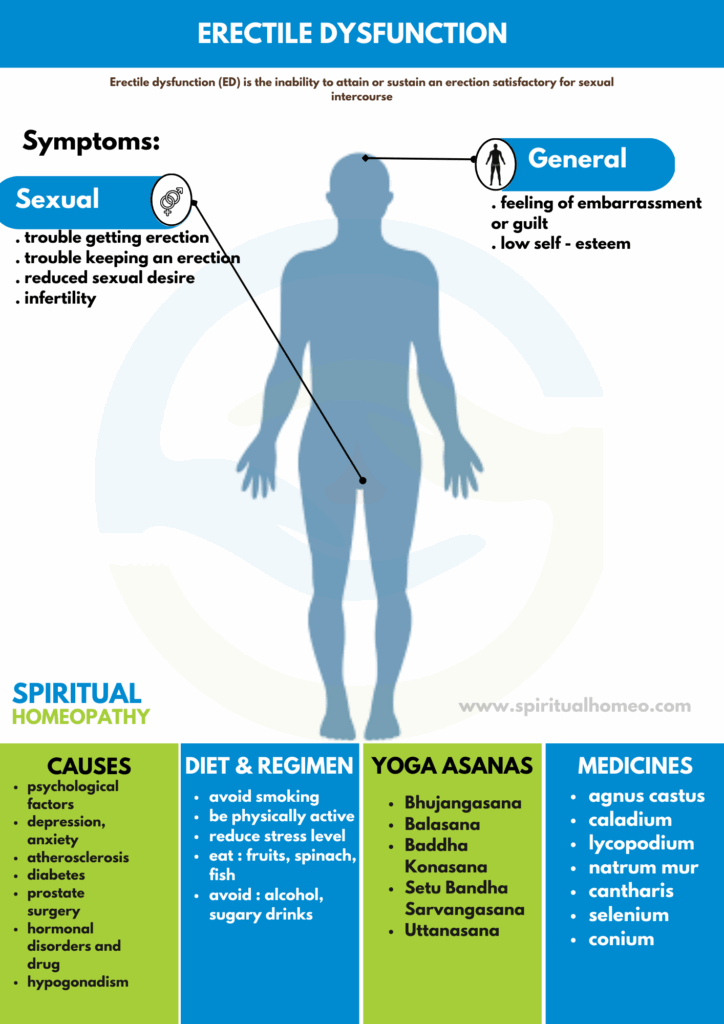
Erectile dysfunction (ED), previously referred to as impotence, affects approximately 50% of men between the ages of 40 and 70, with prevalence increasing as men grow older. The incidence of moderate to severe ED more than doubles between the ages of 40 and 70. Men in the 50–59 age group are particularly affected, with about 21% reporting symptoms.
Studies also show that ED is more common among men with lower income levels (14%), those who are divorced (14%), and individuals with lower educational backgrounds (13%). Despite its widespread occurrence, erectile dysfunction can be evaluated and managed through appropriate medical consultation.
At Spiritual Homeopathy Clinic, evaluation and consultation for erectile dysfunction are available through multiple branches in Hyderabad, as well as online and international consultation options, allowing access to care based on individual needs.
Erectile dysfunction (ED), formerly known as impotence, affects a significant number of men, particularly as they age. Studies indicate that nearly 50% of men between the ages of 40 and 70 experience some degree of ED, whether partial or complete. The likelihood of developing moderate to severe ED more than doubles as men progress through this age range.
ED is most commonly reported among men aged 50 to 59, with a prevalence rate of approximately 21%. Socioeconomic factors may also influence the risk of ED, with higher occurrence observed among men who are divorced (14%), have lower income levels (14%), or possess lower levels of formal education (13%).
Understanding these contributing factors is important, as erectile dysfunction often develops due to a combination of physical, psychological, and lifestyle-related influences, which are considered during individualized evaluation and care planning.
Erectile dysfunction (ED) can be categorized into different types based on the underlying causes. Understanding these types is important for accurate assessment and appropriate management.
Primary ED refers to a condition in which a man has never been able to achieve or sustain an erection. This relatively rare form is often associated with long-standing psychological factors or congenital physical abnormalities present from early adulthood.
Secondary ED is the most common form. It occurs in men who previously had normal erectile function but later develop difficulties due to factors such as chronic medical conditions, certain medications, or lifestyle habits including smoking or excessive alcohol consumption.
Psychogenic ED is primarily related to psychological factors such as stress, anxiety, depression, or relationship concerns. In these cases, emotional and mental health factors play a significant role in erectile difficulties.
Organic ED results from physical causes, including cardiovascular disease, diabetes, hormonal imbalances, or nerve and blood vessel damage. These conditions can interfere with the normal physiological processes required for erection.
Mixed ED involves a combination of psychological and physical factors. It is common for men to experience overlapping causes, where one type may contribute to or worsen the other over time.
Identifying the specific type of erectile dysfunction helps guide individualized care and long-term management strategies.
Erectile dysfunction (ED) presents with a range of symptoms that can affect both physical performance and emotional well-being. Recognizing these signs early may support timely evaluation and appropriate management.
One of the most common symptoms of ED is difficulty achieving an erection, even when sexually aroused. This may occur occasionally or on a regular basis, depending on severity.
Men with ED may find it challenging to maintain an erection that is firm enough or sustained long enough for satisfactory sexual activity, often leading to frustration or reduced confidence.
A decrease in sexual interest or desire can be both a contributing factor and a symptom of erectile dysfunction. Hormonal changes, psychological stress, or relationship-related concerns may influence libido.
Anxiety related to sexual performance can contribute to or worsen erectile difficulties. This may create a repeating cycle that affects both mental well-being and sexual function.
Some men with ED may also experience associated issues such as premature or delayed ejaculation, which can further impact sexual satisfaction.
If these symptoms are frequent, persistent, or worsening, seeking professional medical consultation is advised to identify underlying causes and guide appropriate care.
A healthy diet and balanced lifestyle can play an important role in reducing the risk of erectile dysfunction (ED) and supporting overall men’s sexual health. Simple, consistent changes in daily habits may help improve blood circulation, hormone balance, and energy levels, all of which are relevant to erectile function.
Quit Smoking:
Smoking can damage blood vessels and reduce blood flow to the penis, which may contribute to erectile difficulties.
Stay Physically Active:
Regular physical activity supports healthy circulation, helps maintain hormonal balance, and can reduce stress levels.
Manage Stress:
Chronic stress and anxiety may interfere with sexual performance. Practices such as yoga, meditation, or deep-breathing exercises can be helpful as supportive measures.
Including nutrient-rich foods as part of a balanced diet may support vascular and overall health, which is closely linked to erectile function:
Blackberries: Rich in flavonoids that support blood vessel health.
Watermelon: Contains citrulline, which may support circulation.
Spinach: High in natural nitrates that aid blood flow.
Oatmeal: Supports healthy blood vessels and cholesterol balance.
Avocado: Provides healthy fats and vitamin E.
Pomegranate Juice: Contains antioxidants that support circulation.
Fish: Fatty fish such as salmon provide omega-3 fatty acids beneficial for heart health.
Bananas: A source of potassium that supports cardiovascular function.
Reducing certain dietary triggers may help support erectile health:
Alcohol: Excessive intake may affect nerve function and hormonal balance.
Sugary Beverages: High sugar consumption can contribute to weight gain and cardiovascular concerns.
Soy-Based Products: Excessive intake may influence hormonal balance in some individuals.
Dietary and lifestyle guidance may vary based on individual health status, age, and underlying conditions, and should be adapted accordingly. Consulting a qualified healthcare professional is recommended before making significant changes as part of ED management.
Yoga can be a supportive practice for improving blood circulation, reducing stress, and enhancing overall physical and mental well-being. Certain yoga postures (asanas) may help address both physical and psychological factors associated with erectile dysfunction when practiced regularly.
This asana stretches the lower back and hamstrings while promoting mental relaxation. It supports pelvic circulation and may help reduce anxiety, which is a common contributing factor in ED.
Known for its calming effects, this posture supports circulation to the pelvic region and helps relax the body and nervous system.
This backbend strengthens pelvic muscles, stimulates abdominal organs, and supports overall hormonal balance.
This twisting posture helps improve flexibility, massages abdominal organs, and supports circulation in the pelvic area.
One of the few poses that can be practiced after meals, Vajrasana supports digestion, reduces stress, and promotes blood flow to the lower abdomen.
A gentle backbend that strengthens the lower back, improves posture, and supports circulation to pelvic organs.
This pose strengthens core muscles, supports stamina, and helps improve blood supply to the pelvic region.
Supports healthy blood circulation
Helps reduce stress and anxiety
Assists in maintaining hormonal balance
Improves flexibility and physical stamina
Encourages mental clarity and confidence
Note: Yoga and lifestyle practices are supportive measures and should not replace medical evaluation or professional treatment. Individuals should practice asanas within their physical limits and seek guidance if discomfort occurs.
Tip: Consistency is important. Practicing these postures regularly, along with breathing exercises and mindfulness, may offer better long-term support. For individualized guidance, working with a qualified yoga professional may be beneficial.
At Spiritual Homeopathy, we follow a holistic and integrative approach to care that combines the established principles of classical homeopathy with attention to emotional and overall well-being. The focus is on understanding health concerns in a comprehensive manner rather than addressing symptoms alone.
With experienced homeopathic practitioners and multiple branches across Hyderabad, care is provided based on individual physical, emotional, and lifestyle factors. Treatment plans are developed to support the body’s natural healing processes through an individualized approach.
At Spiritual Homeopathy, treatment is guided by the understanding that health involves the interaction of mind and body. The approach emphasizes:
Identifying Contributing Factors:
Careful evaluation is done to understand factors that may influence the condition, beyond visible symptoms.
Supporting Natural Healing:
Homeopathic care aims to support the body’s inherent ability to restore balance over time.
Individualized Care Plans:
Each care plan is personalized after considering medical history, lifestyle patterns, and overall health status.
Detailed consultations are conducted to understand health concerns, medical background, and individual needs. In addition to in-clinic visits at multiple Hyderabad locations, online and international consultations are available for those unable to attend in person.
Homeopathic care is planned based on the individual presentation of symptoms and overall health profile. This approach is commonly used for both acute and long-standing conditions and is generally well-tolerated when followed under professional guidance.
Regular follow-up consultations help assess progress and make necessary adjustments based on clinical response. Ongoing monitoring supports long-term health management rather than short-term symptom relief.
At Spiritual Homeopathy, patient care is centered on:
Individualized and empathetic consultation
Focus on underlying contributing factors
Structured long-term management
Continuous professional guidance
Consultations are available across multiple branches in Hyderabad, as well as through online and international modes.
You should consult a healthcare professional if acidity symptoms become frequent, persistent, or begin to affect daily activities or sleep. Early evaluation helps identify contributing factors and reduces the risk of complications.
Seek consultation if you experience:
Recurrent or long-lasting heartburn
Difficulty or pain while swallowing
Persistent chest discomfort or burning sensation
Symptoms that worsen at night or disturb sleep
Unexplained weight loss or reduced appetite
Symptoms not improving with dietary and lifestyle measures
At Spiritual Homeopathy Clinic, consultations are available at multiple branches in Hyderabad, including Kukatpally, Chandanagar, Dilsukhnagar, and Nallagandla. Online and international consultations are also available for patients who cannot visit in person. A professional assessment supports an individualized care approach based on symptoms and overall health status.
For appointments or guidance, contact 9069 176 176.
Erectile dysfunction (ED) refers to the occasional or persistent difficulty in achieving or maintaining an erection sufficient for sexual activity. It is a common condition that can affect men of different age groups, with prevalence increasing as age advances. ED may influence self-confidence, interpersonal relationships, and overall quality of life.
Homeopathy follows a holistic and individualized approach to care. Management focuses on understanding contributing physical, emotional, and psychological factors rather than addressing symptoms alone. Through detailed consultations, care plans are structured to support long-term management and the body’s natural regulatory processes under professional guidance.
Erectile dysfunction may develop due to a combination of physical and psychological factors. Common contributing causes include:
Performance-related anxiety
Emotional stress or depression
Relationship-related concerns
Low self-esteem or psychological stress
Chronic medical conditions such as diabetes or cardiovascular disorders
Lifestyle factors including smoking or excessive alcohol use
In many individuals, ED develops gradually as a secondary condition linked to underlying health or emotional concerns.
Symptoms of ED may vary in severity and frequency. Common signs include:
Difficulty achieving an erection despite sexual stimulation
Inability to maintain an erection during intercourse
Reduced sexual desire or interest
Emotional distress such as frustration, embarrassment, or anxiety
If these symptoms occur frequently or begin to affect daily life, professional evaluation is advised.
Erectile dysfunction is broadly classified into the following types:
Primary Erectile Dysfunction: A rare form where an individual has never been able to achieve an erection, often linked to long-standing psychological or physical factors.
Secondary Erectile Dysfunction: A more common form occurring in men who previously had normal erectile function but later developed difficulties due to health, stress, or lifestyle-related factors.
At Spiritual Homeopathy Clinic, consultations are available across multiple branches in Hyderabad, along with online and international consultation options. A structured clinical assessment helps determine the nature of ED and supports an individualized care approach.
WhatsApp us