
Fetal Alcohol Syndrome is a condition that occurs in children due to alcohol exposure during pregnancy.
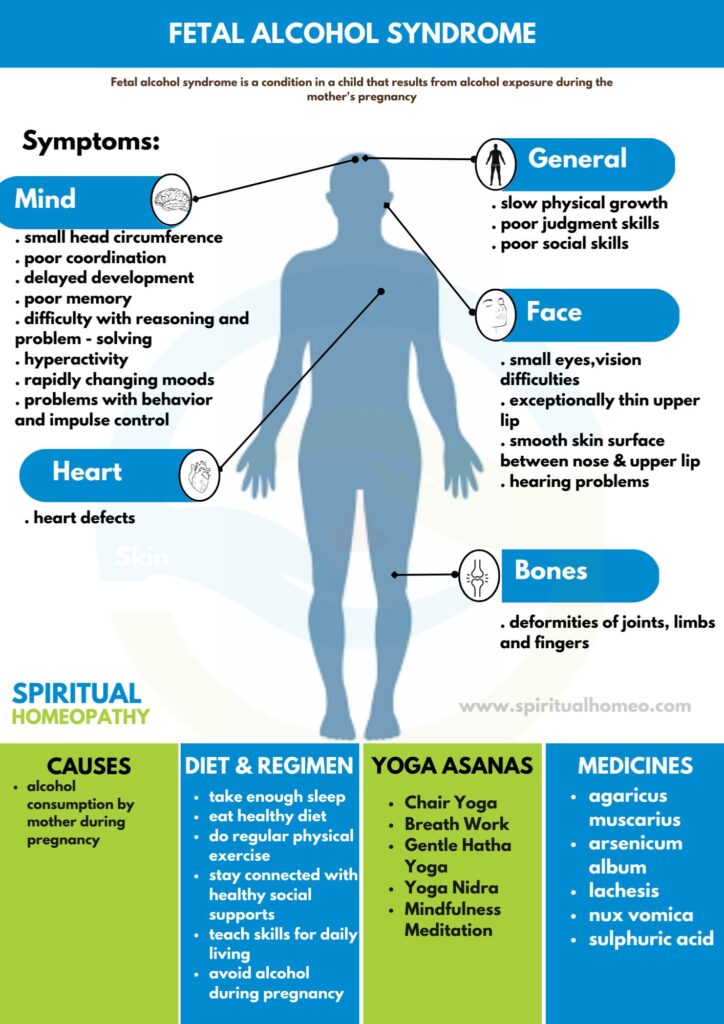
Alcohol, including beer, wine, and hard liquor, is a leading cause of preventable birth defects and developmental disabilities. Fetal Alcohol Syndrome (FAS) refers to a group of physical, behavioral, and learning challenges that result from alcohol exposure during pregnancy.
FAS can cause brain-related changes and growth concerns in the developing fetus, and its effects may continue throughout life. While the severity can vary from child to child, these changes are not reversible. Early identification of fetal alcohol syndrome may help reduce learning difficulties and behavioral challenges through appropriate medical and developmental support.
According to studies from the Centers for Disease Control and Prevention (CDC) and other research, it is estimated that between 800 and 8,000 babies are born with FAS each year in the United States. Research indicates that alcohol consumption during pregnancy increases the risk of miscarriage and developmental complications.
Alcohol easily crosses the placenta, which supplies nutrients to the developing baby, and can interfere with fetal development. Drinking alcohol during the first trimester—sometimes before pregnancy is recognized—may lead to significant birth defects. Alcohol exposure later in pregnancy may affect growth, brain development, and contribute to learning or behavioral concerns.
The most effective way to prevent fetal alcohol syndrome is to avoid alcohol consumption during pregnancy. Women who are planning pregnancy or suspect they may be pregnant are advised to refrain from alcohol intake to support healthy fetal development.
For families seeking supportive care and guidance, consultations are available at Spiritual Homeopathy Clinic through its Hyderabad branches, as well as online and international consultation options, based on individual needs and professional evaluation.
When a pregnant woman consumes alcohol, it quickly enters her bloodstream and crosses the placenta, reaching the developing baby. Unlike adults, a fetus cannot break down alcohol efficiently, which can result in higher blood alcohol levels in the baby than in the mother. This slows development and interferes with the flow of oxygen and nutrients needed for healthy growth.
Alcohol exposure during pregnancy can significantly affect the baby’s development. It may damage vital organs and tissues and can lead to long-term changes in brain development. The risk increases with the amount and frequency of alcohol consumption; however, medical research indicates that no amount of alcohol is considered safe during pregnancy.
A baby’s brain, heart, and blood vessels begin forming in the earliest weeks of pregnancy—often before pregnancy is confirmed. Alcohol consumption during the first trimester may result in facial abnormalities, heart defects, skeletal concerns, and changes in the central nervous system. Alcohol exposure later in pregnancy can also affect growth and neurological development, making all stages of pregnancy sensitive to alcohol intake.
To reduce the risk of FASDs, avoiding alcohol entirely during pregnancy or while planning to conceive is strongly advised. Understanding the timing, frequency, and extent of exposure helps guide individualized care and long-term management, based on each child’s developmental needs.
Fetal Alcohol Spectrum Disorders (FASDs) refer to a group of conditions that can occur in a child whose mother consumed alcohol during pregnancy. These conditions vary in severity and presentation, and they are classified into several recognized types.
This type includes some, but not all, of the characteristic features of full fetal alcohol syndrome. Children may experience growth concerns, learning difficulties, or distinctive facial features, even if they do not meet all diagnostic criteria for full FAS.
ARBD involves physical birth defects associated with prenatal alcohol exposure. These may affect the heart, kidneys, bones, hearing, or other organ systems.
ARND primarily affects brain development and nervous system function. Children with ARND may experience learning difficulties, behavioral challenges, attention concerns, memory issues, or delays in cognitive development.
ND-PAE is a condition recognized in the Diagnostic and Statistical Manual of Mental Disorders (DSM-5). It includes difficulties with thinking, memory, behavior, emotional regulation, and daily functioning related to prenatal alcohol exposure.
Fetal Alcohol Syndrome (FAS) is the most severe condition within the spectrum of Fetal Alcohol Spectrum Disorders (FASDs). It results from alcohol exposure during pregnancy and can affect a child’s physical, mental, and behavioral development. Recognizing these signs and symptoms early is important for timely evaluation and appropriate support.
Certain facial features are considered hallmark signs of FAS and play a significant role in diagnosis:
A smooth philtrum (the groove between the nose and upper lip)
A thin upper lip
Small palpebral fissures (short eye openings)
Children with FAS often experience growth-related concerns, including:
Below-average height and weight
Poor growth before and after birth (often described as failure to thrive)
FAS may lead to both structural and functional issues involving the brain and nervous system:
Structural concerns may include:
Small head size (microcephaly)
Brain development irregularities
Neurological concerns may include:
Seizures
Poor motor coordination
Delayed developmental milestones
Functional symptoms may include:
Memory problems
Attention difficulties
Learning disabilities
Delayed speech and language development
Intellectual disability or lower-than-average IQ
Difficulty with problem-solving
Hyperactivity or impulsive behavior
Children affected by FAS may also experience behavioral and social difficulties, such as:
Learning challenges in school, particularly with mathematics
Poor social skills or difficulty forming peer relationships
Impaired judgment
Difficulty adapting to changes or transitions
Challenges with planning, organization, and goal achievement
FAS may involve multiple body systems, which can lead to:
Vision or hearing problems
Congenital heart defects, such as septal abnormalities
Kidney-related conditions or bone development issues
If these signs or symptoms are frequent, progressive, or interfere with daily functioning, consultation with a qualified healthcare professional is recommended for proper assessment and ongoing care planning.
Maintaining a healthy lifestyle during pregnancy is important for both the mother’s well-being and the baby’s development. Following a balanced routine may help reduce the risk of complications, including concerns related to fetal alcohol spectrum disorders (FASDs). Key recommendations include:
Adequate sleep plays an important role during pregnancy. It supports immune function, helps manage stress, and allows the body to adapt to physical changes while supporting fetal growth.
A diet that includes fruits, vegetables, whole grains, lean proteins, and healthy fats supports overall maternal health. Nutrients such as folic acid, iron, calcium, and DHA contribute to healthy fetal growth and brain development.
Dietary guidance may vary based on individual health needs and should be adapted accordingly.
Light to moderate physical activity—such as walking, prenatal yoga, or swimming—may help improve circulation, reduce stress, support emotional well-being, and assist in maintaining a healthy pregnancy.
Maintaining supportive relationships during pregnancy can help reduce anxiety and emotional strain. Positive social support is associated with better mental well-being throughout pregnancy.
When supporting individuals affected by FASDs, encouraging structured routines and daily living skills can be beneficial. Consistency may help improve independence and day-to-day functioning.
Alcohol consumption during pregnancy is associated with the development of FASDs. Avoiding alcohol is considered the most effective way to reduce this risk and support healthy fetal development.
Yoga and simple lifestyle practices may offer supportive benefits for relaxation, emotional regulation, and overall well-being. These practices are intended as complementary support and should not replace professional medical care.
Benefits: Promotes relaxation, helps reduce anxiety, and may support sensory processing.
How: Kneel on the floor, sit back on the heels, and stretch the arms forward with the forehead resting gently on the mat.
Benefits: Improves posture, body awareness, and grounding.
How: Stand upright with feet together, arms relaxed at the sides, and focus on slow, deep breathing.
Benefits: Enhances balance, concentration, and self-control.
How: Stand on one leg, place the sole of the opposite foot on the inner thigh or calf, and bring the palms together above the head.
Benefits: Encourages calmness, attention, and breath awareness.
How: Sit comfortably with legs crossed and spine straight. Hands rest on the knees while practicing gentle deep breathing or simple alternate nostril breathing (Anulom Vilom).
Benefits: Supports spinal flexibility and may help calm the nervous system.
How: Begin on all fours and gently alternate between arching the back (cow pose) and rounding the spine (cat pose), coordinating movement with the breath.
Benefits: Helps strengthen core muscles and supports nervous system regulation.
How: Lie on the back with knees bent and feet flat on the floor. Slowly lift the hips while keeping the arms relaxed by the sides.
Benefits: Encourages deep relaxation, stress reduction, and mental integration after practice.
How: Lie comfortably on the back with arms and legs relaxed, eyes closed, and allow the breath to flow naturally.
These practices may be adapted based on age, physical ability, and individual needs. It is advisable to perform yoga under appropriate guidance, especially for children or individuals with developmental concerns.
At Spiritual Homeopathy, we follow a holistic and personalized approach to care by applying classical homeopathic principles with an understanding of the mind–body connection. Our clinical focus is on providing individualized care that considers physical, emotional, and overall health aspects rather than symptoms alone.
Our team of experienced homeopathy practitioners in Hyderabad works with a structured and patient-centered approach to support long-term health management through professional guidance.
We believe that effective care involves understanding the individual as a whole. Instead of focusing only on outward symptoms, the homeopathic approach aims to explore underlying factors that may influence health. Treatment plans are designed to support the body’s natural response mechanisms and overall balance over time.
This approach is generally used as part of long-term health management under professional supervision.
Our homeopathy practitioners conduct detailed consultations that include medical history, lifestyle factors, and emotional well-being. In-clinic consultations are available across multiple branches in Hyderabad, along with online and international consultations for patients who cannot visit in person.
Treatment plans are developed on an individual basis, considering the person’s symptoms, health background, and overall constitution. This approach focuses on personalized care and addressing contributing factors, and is generally well-tolerated under professional guidance.
Regular follow-ups are an important part of homeopathic care. These reviews help assess progress, make necessary adjustments, and support continuity of care based on the individual’s response and health needs.
At Spiritual Homeopathy Clinic, patient care is guided by professionalism, clinical responsibility, and individualized attention. Our approach supports long-term health management while respecting safety, medical ethics, and realistic expectations.
Consultations are available at multiple branches in Hyderabad, as well as through online and international modes.
You should consult a healthcare professional if signs or developmental concerns related to fetal alcohol syndrome (FAS) are noticed in a child. Early evaluation helps identify challenges promptly and supports appropriate long-term management and developmental planning.
Seek consultation if you observe:
Delayed physical growth or low weight for age
Developmental delays in speech, learning, or motor skills
Behavioral concerns such as hyperactivity, poor attention, or impulsivity
Difficulty with memory, learning, or problem-solving
Facial features commonly associated with FAS
Challenges with social interaction or daily functioning
If these signs are persistent or affecting a child’s development, professional guidance is recommended for further assessment and supportive care.
At Spiritual Homeopathy Clinic, consultations are available at multiple branches in Hyderabad, including Kukatpally, Chandanagar, Dilsukhnagar, and Nallagandla. Online and international consultations are also available for families unable to visit in person. A structured consultation helps support an individualized care approach based on the child’s developmental needs.
For appointments or guidance, contact 9069 176 176.
Fetal Alcohol Syndrome (FAS) can be prevented with careful planning and informed decisions before and during pregnancy. Here are common questions and key prevention guidelines:
1. Should I stop drinking alcohol if I’m trying to conceive?
Yes. If you are planning a pregnancy, it is important to avoid alcohol entirely. Alcohol can affect a developing baby even in the earliest stages—often before you realize you are pregnant. Professional guidance is recommended if you have concerns about alcohol exposure.
2. What if I already drank before knowing I was pregnant?
If alcohol was consumed before discovering your pregnancy, stop immediately. Early cessation can reduce potential risks to the baby’s development. Consulting a healthcare provider can help assess any concerns and support a safe pregnancy.
3. Do I need to avoid alcohol throughout my entire pregnancy?
Yes. Avoiding alcohol for the full duration of pregnancy is the safest approach. Even small amounts may affect the baby’s brain and organ development. Discussing individualized guidance with a medical professional is advisable.
4. Should I stop drinking even if I’m not currently pregnant?
If you are sexually active and not using reliable contraception, consider avoiding alcohol during your childbearing years. Early, unintentional exposure can occur before pregnancy is recognized. Professional advice can help create a preventive plan.
5. What if I have trouble quitting alcohol?
Seek professional support if you struggle with alcohol use. A healthcare provider or addiction specialist can assess your situation and provide a personalized approach for reducing risks before conception.
Takeaway: Preventing FAS begins with informed choices. Avoiding alcohol before and during pregnancy and seeking professional support when needed helps give your baby the healthiest start.
Consultation Note: At Spiritual Homeopathy Clinic, guidance on pregnancy health and preventive measures is available at multiple Hyderabad branches and via online or international consultations.
WhatsApp us