
Fibromyalgia is a chronic condition marked by widespread musculoskeletal pain, often accompanied by fatigue, sleep disturbances, memory problems, and mood changes.
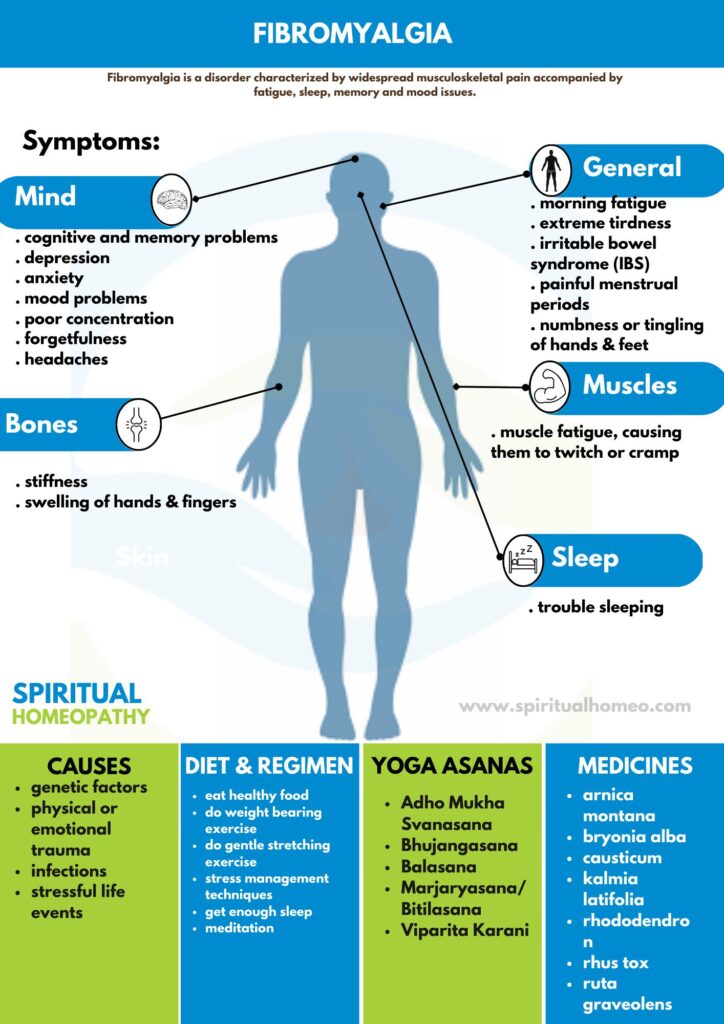
Fibromyalgia is a common condition characterized by widespread pain and fatigue, often accompanied by medically unexplained symptoms affecting multiple body systems. It can affect individuals of all ages, including adolescents, though its prevalence tends to increase with age, reaching around 7% in women over 70.
The condition shows a strong female predominance, with approximately 10 women affected for every 1 man.
Several factors may increase the risk of developing fibromyalgia, including psychosocial stressors such as marital difficulties, family alcoholism, traumatic experiences, low income, and self-reported childhood abuse.
Fibromyalgia occurs across all races and cultures. While its symptoms can resemble those of arthritis, fibromyalgia primarily affects the soft tissues and muscles rather than the joints.
At Spiritual Homeopathy Clinic, individuals with fibromyalgia can access in-clinic consultations at multiple branches in Hyderabad, as well as online and international consultations for those who cannot visit in person. A professional assessment helps create an individualized care plan based on symptoms and overall health.
Fibromyalgia can be triggered or worsened by several factors, including:
Infections: Past illnesses or infections may contribute to the onset or exacerbation of fibromyalgia symptoms.
Genetics: The condition often runs in families, suggesting a genetic component. While specific genes have not been conclusively identified, hereditary factors may play a role.
Trauma: Both physical and emotional trauma can increase the likelihood of developing fibromyalgia. The condition is sometimes associated with post-traumatic stress disorder (PTSD).
Stress: Chronic stress can affect the body over time, leading to hormonal and nervous system changes that may contribute to fibromyalgia.
These factors, individually or together, can influence the development and severity of fibromyalgia. A professional consultation helps assess these contributing factors and supports an individualized care plan tailored to each patient’s needs.
At Spiritual Homeopathy Clinic, patients can access consultations at multiple Hyderabad branches, as well as online and international consultations, to discuss these causes and receive personalized guidance.
Fibromyalgia is generally classified into two main types:
Primary (Idiopathic) Fibromyalgia: This type occurs without any underlying medical condition. The exact cause remains unknown, and the condition itself leads to symptoms such as widespread pain, fatigue, and sleep disturbances.
Secondary Fibromyalgia: This form develops in association with another medical condition, such as rheumatoid arthritis or lupus. While the symptoms are similar to primary fibromyalgia, management often involves addressing the underlying condition alongside fibromyalgia care.
Both types are marked by chronic pain, fatigue, and sleep-related issues. A professional assessment is important to determine the type and to design an individualized care plan suited to each patient’s specific needs.
At Spiritual Homeopathy Clinic, consultations are available at multiple Hyderabad branches, as well as online and international options, allowing patients to receive comprehensive evaluation and guidance.
Fibromyalgia presents with a wide range of symptoms that vary among individuals, but the most common include:
Widespread Pain: Persistent pain affecting multiple regions of the body, often described as aching, stiffness, or tenderness.
Fatigue: A pronounced tiredness that does not improve with rest, often impacting daily functioning.
Disability: Difficulty performing routine activities due to pain and fatigue.
Sleep Disturbances: Non-restorative or fragmented sleep, leaving individuals feeling unrested despite adequate sleep hours.
Mood Changes: Low mood, irritability, emotional sensitivity, and occasional episodes of weepiness.
Cognitive Issues: Problems with concentration, memory, and mental clarity, commonly referred to as “fibro fog.”
Depression and anxiety are frequently observed alongside fibromyalgia.
Locomotor Issues:
Early morning stiffness
Swelling in the hands and fingers
Numbness or tingling in the fingers
Non-Locomotor Symptoms:
Tension headaches, often felt across the forehead
Abdominal discomfort, bloating, and irregular bowel movements (sometimes associated with irritable bowel syndrome)
Bladder fullness or increased nighttime frequency (irritable bladder)
Sensitivity to sound (hyperacusis) and pain during intercourse (dyspareunia)
Discomfort when touched (allodynia)
Additional Symptoms:
Chemical Sensitivity: Increased sensitivity to medications or other chemicals, leading to frequent side effects.
These symptoms can significantly affect daily life. Professional consultation is recommended if symptoms are persistent or severe, as an individualized care plan can help manage them effectively. At Spiritual Homeopathy Clinic, patients can receive guidance at multiple Hyderabad branches, or through online and international consultations.
A well-balanced diet and consistent daily regimen can play an important role in managing fibromyalgia symptoms, supporting energy levels, and reducing discomfort. Guidance may vary based on individual needs, so professional consultation is recommended.
Anti-Inflammatory Foods: Include omega-3 rich foods such as salmon, chia seeds, and walnuts to help reduce inflammation and ease joint and muscle pain.
Whole Grains: Choose whole grains like brown rice, quinoa, and oats. These provide steady energy and help avoid blood sugar fluctuations.
Fruits and Vegetables: Focus on antioxidant-rich options such as berries, spinach, bell peppers, and kale to combat oxidative stress and support overall health.
Magnesium-Rich Foods: Include magnesium sources such as almonds, avocados, and leafy greens, which may help alleviate muscle cramps and discomfort.
Hydration: Drink plenty of water throughout the day. Herbal teas like ginger or chamomile can also support hydration, relaxation, and reduced inflammation.
Avoid Processed Foods: Minimize refined sugars, trans fats, high-fat meats, and heavily processed foods, which can worsen inflammation and fatigue.
Gentle Exercise: Engage in low-impact activities like walking, swimming, or yoga to reduce stiffness, improve circulation, and maintain mobility without overexertion.
Rest and Sleep: Prioritize 7–9 hours of restful sleep each night. Proper sleep helps manage fatigue and supports overall recovery.
Stress Management: Incorporate mindfulness, meditation, or deep-breathing exercises to reduce physical and emotional stress.
Physical Therapy: Regular sessions with a physical therapist can improve flexibility, strengthen muscles, and enhance functional movement.
Pacing: Break tasks into smaller segments and allow rest periods to prevent overexertion and symptom flare-ups.
Following these dietary and lifestyle strategies can help manage fibromyalgia symptoms, improve comfort, and support overall well-being. Consultation with a healthcare professional ensures an individualized plan based on your symptoms and needs.
Yoga can support the management of fibromyalgia symptoms, particularly pain, stiffness, and stress. Gentle asanas may improve flexibility, circulation, muscle relaxation, and mental calmness. Individuals should consult a healthcare professional before starting a new exercise routine, especially if symptoms are severe.
Child’s Pose (Balasana)
Benefits: Gently stretches the back, hips, and thighs while calming the nervous system and releasing tension.
How to Perform: Kneel on the floor, sit back onto your heels, extend your arms forward, and rest your forehead on the mat. Breathe deeply and hold for several breaths.
Cat-Cow Pose (Marjaryasana-Bitilasana)
Benefits: Improves spinal mobility, eases back tension, and helps relieve stiffness.
How to Perform: In a tabletop position, inhale while arching the back (cow), exhale while rounding the spine (cat). Repeat slowly for several cycles.
Downward-Facing Dog (Adho Mukha Svanasana)
Benefits: Stretches the back, hamstrings, and calves, improves circulation, and strengthens muscles gently.
How to Perform: From hands and knees, lift hips to form an inverted V shape. Press hands and feet firmly into the floor and hold for a few breaths.
Reclining Bound Angle Pose (Supta Baddha Konasana)
Benefits: Opens hips, relieves lower back tension, and promotes relaxation.
How to Perform: Lie on your back, bring soles of feet together, let knees fall open, and place cushions under knees if needed. Breathe deeply.
Seated Forward Fold (Paschimottanasana)
Benefits: Stretches spine, hamstrings, and calves, while promoting relaxation.
How to Perform: Sit with legs extended, inhale to lengthen the spine, exhale to fold forward toward feet or shins. Avoid strain by keeping your back as straight as possible.
Legs Up the Wall Pose (Viparita Karani)
Benefits: Reduces fatigue, calms the nervous system, and eases leg and back discomfort.
How to Perform: Lie on your back with legs extended against a wall. Arms rest at your sides. Use a cushion or bolster under hips if needed. Relax for several minutes.
Cobra Pose (Bhujangasana)
Benefits: Strengthens the lower back, stretches the chest, and relieves spinal tension.
How to Perform: Lie on your stomach, palms near shoulders, lift chest while keeping elbows slightly bent, and hold for several breaths.
Corpse Pose (Savasana)
Benefits: Promotes deep relaxation, reduces stress, and supports mindfulness.
How to Perform: Lie flat on your back, arms at your sides, palms up, close your eyes, and focus on slow, deep breathing.
Thread the Needle Pose (Parsva Balasana)
Benefits: Releases tension in shoulders, neck, and upper back.
How to Perform: From tabletop, slide right arm under left arm, rest shoulder and ear on the floor, left hand supports balance. Hold and switch sides.
Mountain Pose (Tadasana)
Benefits: Improves posture, balance, and overall body awareness.
How to Perform: Stand tall with feet together, arms at sides, palms forward. Engage thighs, lift chest, and ground through feet. Breathe deeply.
Listen to Your Body: Modify poses to avoid pain or overexertion.
Use Props: Blocks, cushions, and blankets provide support and make poses more accessible.
Go Slow: Move mindfully and focus on breathing to prevent strain.
Consistency: Practicing regularly, even 10–20 minutes daily, can improve flexibility, reduce pain, and support mental clarity.
Note: Yoga is supportive and should complement professional medical care. Individuals with severe symptoms or flare-ups should consult a doctor or certified yoga instructor before practicing.
Fibromyalgia, marked by widespread pain, fatigue, and other symptoms, can be managed with homeopathic care that focuses on individualized treatment, addressing contributing factors and overall well-being. Homeopathic remedies are tailored to the patient’s specific symptoms and health profile, supporting long-term management of the condition.
Pain and Stiffness Relief from Movement
Recommended for individuals experiencing pain and stiffness, especially after periods of inactivity. Discomfort may worsen with overexertion or cold, damp weather, but often improves with moderate movement, warmth, or gentle exercise.
Stiffness and Tendon Pain
For stiffness at tendon-bone junctions, such as heels and elbows, this approach can help reduce discomfort. Pain may worsen in cold, damp conditions but may not respond to warmth.
Weather-Sensitive Pain
Suitable for patients whose pain intensifies with weather changes, such as approaching storms. These remedies help manage discomfort that fluctuates with environmental conditions and does not respond well to conventional measures.
Bruised and Sore Feeling
Helpful when the body feels sore or bruised, particularly after exertion. Symptoms often worsen when lying down or on a hard surface. This approach is commonly used when symptoms do not align clearly with other categories.
Soreness and Weakness
Addresses soreness, weakness, and stiffness that worsen with cold or exertion. Relief is typically experienced with warmth, such as warm baths or bedding.
Pain that Worsens with Movement
Suitable for individuals whose pain intensifies with even minor movement. Symptoms may be alleviated by applying gentle pressure, which can reduce discomfort and support mobility.
Severe Shooting Pain with Numbness
Recommended for sharp, shooting muscular pain often accompanied by numbness or cold sensations. Professional assessment is important to ensure no nerve involvement is present.
Neck and Upper Back Pain
Focuses on patients with primary symptoms in the neck and upper back, especially after injuries. Pain may worsen with cold or drafts and can be associated with headaches radiating from the neck.
Important Note: Homeopathic treatment is individualized to each patient’s symptoms and overall health. A professional homeopath considers physical, emotional, and mental factors when recommending care. Consultation with a qualified practitioner at Spiritual Homeopathy Clinic—whether in-clinic, online, or international—is essential for accurate evaluation and tailored management.
At Spiritual Homeopathy Clinic, multiple branches in Hyderabad and online options are available to ensure individualized assessment and care.
You should consult a healthcare professional if fibromyalgia symptoms are frequent, persistent, or significantly affect daily activities, sleep, or emotional well-being. Early evaluation helps identify contributing factors and supports individualized care.
Seek consultation if you experience:
Widespread or chronic pain that interferes with daily tasks
Persistent fatigue that does not improve with rest
Sleep disturbances or non-restorative sleep
Mood changes, irritability, or depression
Cognitive difficulties such as memory issues or “fibro fog”
Sensitivity to touch, light, sound, or chemicals
Symptoms worsening despite following diet, exercise, or lifestyle measures
At Spiritual Homeopathy Clinic, consultations are available at multiple branches in Hyderabad, including Kukatpally, Chandanagar, Dilsukhnagar, and Nallagandla. Online and international consultations are also offered for patients who cannot visit in person. A professional assessment helps develop an individualized care plan based on your symptoms and overall health.
For appointments or guidance, contact 9069 176 176.
1. What is Fibromyalgia?
Fibromyalgia is a chronic disorder characterized by widespread musculoskeletal pain. It is often accompanied by fatigue, sleep disturbances, cognitive difficulties (“fibro fog”), and mood changes. The condition affects various areas of the body, impacting daily activities and overall quality of life.
2. What causes Fibromyalgia?
Fibromyalgia can be triggered or influenced by several factors:
Prior illnesses: Past health conditions may worsen or trigger symptoms.
Genetics: A family history of fibromyalgia suggests a genetic predisposition.
Physical or emotional trauma: Injuries, accidents, or stressful life events can increase risk.
Chronic stress: Ongoing stress may contribute to the onset and severity of symptoms.
These factors often vary from person to person, highlighting the need for individualized assessment and care.
3. What are the symptoms of Fibromyalgia?
Common symptoms include:
Widespread pain across multiple areas of the body
Persistent fatigue and low energy
Sleep disturbances, often non-restorative
Mood changes, irritability, and feelings of sadness
Cognitive difficulties, such as memory or concentration problems (“fibro fog”)
Anxiety or depression accompanying physical symptoms
Frequent or severe symptoms should prompt consultation with a healthcare professional.
4. How is Fibromyalgia treated with Homeopathy?
Homeopathy provides a holistic, individualized approach to managing fibromyalgia. Treatment focuses on reducing pain, fatigue, and other symptoms while addressing contributing physical and emotional factors. Care is tailored to the patient’s unique symptom profile and overall health.
At Spiritual Homeopathy Clinic, homeopathic consultations are available at multiple branches in Hyderabad, as well as online and international consultations for patients who cannot visit in person. Professional assessment ensures a personalized treatment plan and long-term management strategy.
WhatsApp us