
Infertility treatment is a specialized field focusing on medical, emotional, and ethical considerations to help couples achieve their dream of parenthood. With advanced options like IVF, IUI, and fertility medications, treatments are tailored to each individual’s needs. Understanding the underlying causes and working with experienced specialists can improve the chances of successful conception, offering hope and support for those facing infertility challenges.
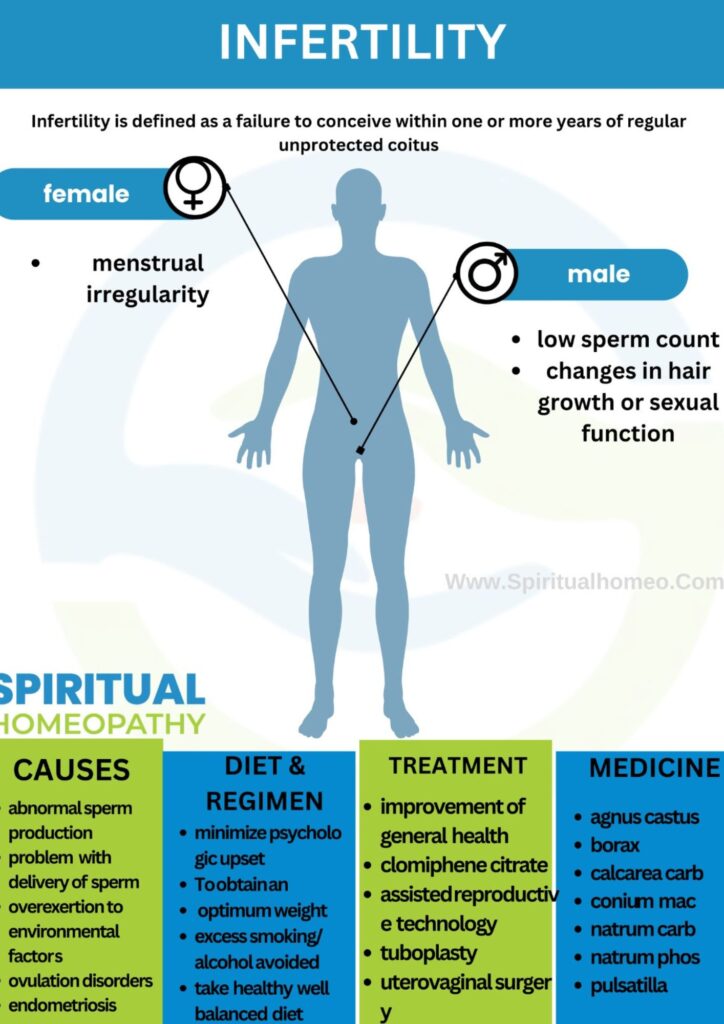
Infertility is defined as the inability to conceive after one year of regular, unprotected intercourse. It can affect both men and women and may result from various factors. In women, common causes include ovulation disorders, fallopian tube blockages, endometriosis, and uterine or cervical conditions. In men, infertility is often associated with sperm-related issues such as low sperm count or reduced sperm quality.
Additional contributing factors may include increasing age, lifestyle habits such as smoking or excessive alcohol intake, stress, and certain medical conditions. Identifying these underlying factors is essential for planning an appropriate and individualized approach to care. Evaluation and consultation services are available at multiple branches of Spiritual Homeopathy Clinic in Hyderabad, as well as through online and international consultations.
Infertility can result from a range of factors affecting one or both partners. Understanding these causes is important for identifying appropriate evaluation and care options. Common contributing factors include the following:
Ovulation Disorders:
Conditions such as polycystic ovary syndrome (PCOS), hormonal imbalances, thyroid disorders, or disturbances involving the hypothalamus or pituitary gland can interfere with regular ovulation.
Fallopian Tube Blockage or Damage:
Blocked or damaged fallopian tubes may prevent fertilization or hinder the movement of the egg toward the uterus. Pelvic inflammatory disease (PID), endometriosis, or previous pelvic surgeries can contribute to this condition.
Uterine or Cervical Abnormalities:
Structural concerns, including fibroids, polyps, or cervical narrowing, may affect implantation or sperm movement and reduce fertility.
Age-Related Factors:
Female fertility generally declines with age, particularly after the mid-30s, due to gradual changes in egg quantity and quality.
Sperm Disorders:
Problems related to sperm count, movement, or shape can affect fertility. Possible contributing factors include varicocele, infections, hormonal disturbances, or genetic conditions.
Ejaculation Problems:
Conditions such as retrograde ejaculation, where semen flows backward into the bladder, can reduce the chances of conception.
Testicular Factors:
Undescended testicles, genetic abnormalities, or a history of testicular surgery may impact sperm production.
Hormonal Imbalances:
Disorders involving the hypothalamus, pituitary gland, or thyroid can disrupt hormone levels necessary for normal sperm development.
Lifestyle Factors:
Smoking, excessive alcohol intake, substance use, obesity, poor nutrition, and chronic stress may affect fertility in both men and women.
Medical Treatments:
Certain medical treatments, including chemotherapy or radiation therapy, can temporarily or permanently influence fertility.
Identifying the specific causes of infertility allows for a more individualized approach to care, which can be discussed through professional consultation at Spiritual Homeopathy Clinic, available across multiple branches in Hyderabad, as well as through online and international consultations.
Infertility can be classified into different types based on factors affecting the female partner, the male partner, or both. Understanding these categories helps guide appropriate evaluation and care.
Ovulatory Disorders:
Problems with egg release, such as polycystic ovary syndrome (PCOS) or hormonal imbalances, can interfere with ovulation and make conception more difficult.
Tubal Infertility:
Blocked or damaged fallopian tubes—often linked to pelvic inflammatory disease (PID), endometriosis, or prior pelvic surgery—may prevent fertilization or the movement of the egg to the uterus.
Uterine or Cervical Issues:
Structural concerns in the uterus or cervix, including fibroids, polyps, or cervical mucus abnormalities, can affect implantation or sperm movement.
Age-Related Infertility:
With increasing age, particularly after the mid-30s, there is a natural decline in egg quality and quantity, which can reduce fertility.
Low Sperm Count (Oligospermia):
A reduced number of sperm can limit the chances of fertilization.
Poor Sperm Motility:
When sperm movement is reduced, reaching and fertilizing the egg may become difficult.
Abnormal Sperm Shape (Morphology):
Structural irregularities in sperm can affect their ability to penetrate the egg.
Blockages or Obstruction:
Obstructions within the male reproductive tract can prevent sperm from being released during ejaculation.
Hormonal Imbalances:
Disorders affecting hormone production may disrupt normal sperm development and function.
Varicocele:
Enlarged veins in the scrotum can influence sperm quality and production.
This type is diagnosed when no clear cause is identified despite appropriate evaluation of both partners. Although challenging, management options may still be considered based on individual circumstances.
Combined infertility occurs when both partners have contributing fertility factors. Addressing multiple aspects together may help improve reproductive outcomes.
Secondary infertility refers to difficulty conceiving after having one or more previous pregnancies. It may be related to age, health changes, or new medical factors over time.
Infertility symptoms can vary depending on the underlying cause and whether the condition affects the male or female partner. Recognizing these signs early may help identify potential fertility concerns and guide timely evaluation. Below is an overview of commonly observed symptoms.
Irregular Menstrual Cycles:
Irregular, infrequent, or absent periods often indicate ovulation-related concerns, which may be associated with hormonal imbalances or conditions such as PCOS.
Painful Periods:
Severe menstrual cramps or persistent pelvic pain may suggest conditions like endometriosis or uterine fibroids, both of which can influence fertility.
Hormonal Changes:
Symptoms such as excessive facial hair growth (hirsutism), acne, or unexplained weight changes can reflect hormonal disturbances that affect reproductive health.
Changes in Sexual Function:
Difficulties with ejaculation, reduced libido, or erectile concerns can be associated with underlying fertility-related issues.
Pain, Swelling, or Lumps in the Testicles:
These symptoms may indicate conditions such as varicocele or infections that can impact sperm production.
Hormonal Imbalances:
Low testosterone levels may lead to reduced facial or body hair, fatigue, and impaired sperm development.
Recurrent Miscarriages:
Repeated pregnancy loss can be linked to factors affecting egg quality, sperm quality, or uterine health in either partner.
Family History of Infertility:
A known family history of infertility or genetic conditions may increase the likelihood of reproductive challenges.
Lifestyle Factors:
Smoking, excessive alcohol intake, substance use, obesity, chronic stress, and exposure to environmental toxins can negatively influence fertility in both men and women.
If these symptoms are persistent, worsening, or affecting daily life, seeking professional consultation is advised for appropriate evaluation and guidance.
A balanced diet and healthy lifestyle play an important role in supporting fertility. Proper nutrition may help maintain reproductive health, support hormonal balance, and improve overall well-being in both men and women. The following dietary and lifestyle measures are commonly recommended as part of fertility care.
Fruits and Vegetables:
These provide essential vitamins, minerals, and antioxidants that support reproductive health. Including a variety of colorful fruits and vegetables—such as leafy greens, berries, avocados, carrots, and tomatoes—may be beneficial.
Whole Grains:
Complex carbohydrates like brown rice, quinoa, oats, and whole wheat bread help provide sustained energy and support hormonal balance.
Healthy Fats:
Sources of omega-3 fatty acids support hormone production and reproductive function. These include fish, flaxseeds, chia seeds, and walnuts.
Lean Proteins:
Lean protein sources such as poultry, fish, legumes, tofu, and tempeh contribute to overall health and hormonal stability.
Dairy and Alternatives:
Low-fat dairy products or suitable plant-based alternatives like almond or soy milk may be included as part of a balanced diet.
Trans Fats:
Processed and fried foods containing trans fats may interfere with hormonal function and should be limited.
Excessive Sugar and Refined Carbohydrates:
High intake of refined carbohydrates and added sugars can affect blood sugar regulation and hormonal balance.
Caffeine and Alcohol:
Excessive consumption of caffeine and alcohol may negatively influence fertility and should be moderated.
High-Mercury Fish:
Fish with high mercury levels, such as swordfish and shark, are best avoided due to potential effects on reproductive health.
Folic Acid:
Important for reproductive health, commonly found in leafy greens, legumes, and fortified foods.
Zinc and Selenium:
These minerals support fertility in both men and women and are present in foods like nuts, seeds, and whole grains.
Vitamin D:
Supports hormonal balance and overall health and can be obtained through sunlight exposure and fortified foods.
Maintain a Healthy Weight:
Both underweight and overweight conditions may affect hormonal balance and ovulation. Maintaining a healthy weight through balanced nutrition and activity is advised.
Regular Physical Activity:
Moderate exercise such as walking, yoga, or swimming may improve circulation and reduce stress. Excessive or intense exercise should be avoided.
Stress Management:
Chronic stress can influence reproductive hormones. Relaxation practices such as meditation, breathing exercises, and gentle yoga may be helpful.
Avoid Toxins and Chemicals:
Reducing exposure to environmental toxins, pesticides, and harmful chemicals may support reproductive health.
Adequate Sleep:
Consistent, quality sleep supports hormonal regulation and overall wellness.
Avoid Smoking and Limit Alcohol:
Smoking and excessive alcohol intake can adversely affect egg and sperm quality and should be avoided.
Dietary and lifestyle guidance may vary based on individual health status, age, and underlying fertility factors, and should be followed under professional supervision.
Yoga practices can support overall well-being by promoting relaxation, improving circulation, and reducing stress, which may indirectly benefit reproductive health. These practices are intended as supportive measures and should be followed under guidance, alongside professional medical care.
Benefits:
This asana helps open the hips and pelvic region, supporting blood circulation to the reproductive organs. It also gently stimulates the abdominal area and may assist with hormonal balance.
How to Do It:
Lie on your back with the soles of your feet together and knees bent outward.
Allow the knees to relax toward the floor.
Rest your arms by your sides with palms facing upward.
Hold the position for 5–10 minutes while breathing slowly and deeply.
Benefits:
This restorative pose supports pelvic circulation, helps reduce stress, and relieves tension in the lower body, which may contribute to reproductive comfort.
How to Do It:
Sit sideways close to a wall and gently lie back while lifting your legs up the wall.
Keep your arms relaxed by your sides with palms facing upward.
Remain in the pose for 10–15 minutes with calm, steady breathing.
Benefits:
This pose supports blood flow to the pelvic area, stimulates the thyroid region, and strengthens the lower back, hips, and core muscles.
How to Do It:
Lie on your back with knees bent and feet flat on the floor, hip-width apart.
Keep your arms alongside your body, palms down.
Inhale and gently lift your hips upward.
Hold for 5–10 breaths before slowly lowering down.
Benefits:
This standing posture helps open the hips, strengthen pelvic floor muscles, and release tension in the lower body.
How to Do It:
Stand with feet wide apart and toes turned outward.
Bend your knees to lower into a squat position.
Raise your arms upward with palms facing each other.
Hold for 30 seconds to 1 minute with controlled breathing.
Benefits:
This deep squat pose supports hip flexibility, stretches the lower back, and improves circulation in the pelvic region.
How to Do It:
Stand with feet wider than hip-width, toes turned outward.
Lower into a squat, keeping heels grounded if possible.
Bring palms together at the chest and gently press elbows against the knees.
Hold for 30 seconds to 1 minute while breathing deeply.
Benefits:
Cobra pose stretches the abdomen, supports spinal flexibility, and may help stimulate the reproductive organs while reducing stress.
How to Do It:
Lie on your stomach with palms under the shoulders.
Press lightly through the hands to lift the chest.
Keep elbows slightly bent and shoulders relaxed.
Hold for 5–10 breaths, then release slowly.
Benefits:
This seated pose opens the hips, stretches inner thighs, and supports circulation to the pelvic region.
How to Do It:
Sit upright with legs extended forward.
Bring the soles of the feet together and allow knees to drop outward.
Hold the feet gently and sit tall.
Remain in the pose for 5–10 breaths.
Benefits:
This pose stretches the entire body, supports circulation, and helps relieve physical and mental stress.
How to Do It:
Begin on hands and knees.
Lift the hips upward to form an inverted V shape.
Keep the head relaxed between the arms.
Hold for 5–10 breaths before returning to a resting position.
Yoga practices are supportive and not a substitute for medical evaluation or fertility treatment. Individuals should modify poses as needed and consult a healthcare professional if discomfort occurs.
Homeopathy offers a natural and individualized approach to managing infertility, focusing on supporting reproductive health and addressing underlying imbalances rather than just symptoms. It aims to enhance overall wellness, regulate hormonal balance, and improve fertility potential in both men and women.
At Spiritual Homeopathy Clinic, infertility care involves a detailed assessment of medical history, lifestyle, emotional well-being, and reproductive health to create a personalized care plan. This approach is generally well-tolerated under professional guidance and is designed for long-term management while addressing contributing factors that may affect fertility.
Individualized Consultation
Each patient receives a comprehensive evaluation to identify possible causes of infertility and tailor treatment accordingly. Assessments consider menstrual cycles, ovulation, sperm health, past medical history, and lifestyle factors.
Holistic Support
Homeopathy supports hormonal balance, reproductive organ function, and overall well-being. Remedies are selected based on each individual’s physical, emotional, and physiological profile, promoting a holistic and gentle approach.
Ongoing Monitoring
Regular follow-ups allow monitoring of progress, adjusting treatment plans as needed, and providing guidance on diet, lifestyle, and stress management to complement therapy.
At Spiritual Homeopathy Clinic, consultations are available at multiple Hyderabad branches, including Kukatpally, Chandanagar, Dilsukhnagar, and Nallagandla. Online and international consultations are also offered for patients who cannot visit in person.
You should consult a healthcare professional if conception has not occurred after one year of regular, unprotected intercourse, or after six months if the woman is over 35 years of age. Early evaluation helps identify contributing factors and supports timely, appropriate care.
Seek consultation if you experience:
Irregular, absent, or very painful menstrual cycles
Recurrent miscarriages or difficulty maintaining pregnancy
Pelvic pain, abnormal vaginal discharge, or known uterine or ovarian conditions
Difficulty with ejaculation, erection, or concerns about sperm health
A history of reproductive infections, surgeries, or hormonal disorders
Infertility concerns persisting despite lifestyle and dietary adjustments
At Spiritual Homeopathy Clinic, consultations are available across multiple branches in Hyderabad, including Kukatpally, Chandanagar, Dilsukhnagar, and Nallagandla. Online and international consultations are also available for individuals or couples who are unable to visit in person. A professional assessment supports an individualized care approach based on medical history, symptoms, and overall health status.
For appointments or guidance, contact 9069 176 176.
1. What is infertility?
Infertility is the inability to conceive after one year of regular, unprotected sexual intercourse. It can affect both men and women and may result from factors such as hormonal imbalances, ovulation disorders, sperm issues, or blockages in reproductive organs.
2. What are the main causes of infertility?
Infertility can be caused by:
Female factors: Ovulatory disorders (e.g., PCOS), tubal blockages, uterine or cervical abnormalities, and age-related decline in fertility.
Male factors: Low sperm count, poor sperm motility, abnormal sperm morphology, and testicular problems.
Lifestyle factors: Smoking, excessive alcohol consumption, stress, obesity, and poor diet can affect fertility in both men and women.
Understanding the underlying cause is essential for individualized care and treatment planning.
3. How is infertility diagnosed?
Diagnosis involves tests for both partners. Women may undergo ovulation tests, hormone level assessments, ultrasounds, and imaging to check fallopian tubes. Men typically have a semen analysis to assess sperm count, motility, and morphology.
4. Can age affect fertility?
Yes. Women’s fertility declines with age, particularly after 35, due to a decrease in egg quantity and quality. Male fertility can also decline gradually, with potential reductions in sperm quality over time.
5. What treatments are available for infertility?
Treatment depends on the underlying cause and may include:
Medications to support ovulation or sperm production
Intrauterine insemination (IUI)
In vitro fertilization (IVF)
Surgical interventions for structural or reproductive issues
6. How long does infertility treatment take?
The duration varies by treatment and individual condition. IUI may take a few cycles, while IVF involves longer preparation and stimulation periods. Treatment plans are personalized based on each couple’s needs.
7. Can stress affect infertility?
Yes. Chronic stress can influence hormone levels, impacting ovulation and sperm production. Stress management, relaxation techniques, yoga, or meditation can support fertility alongside medical care.
8. What lifestyle changes can improve fertility?
Positive lifestyle measures include:
Maintaining a healthy weight
Eating a balanced diet with essential nutrients
Managing stress
Avoiding smoking, excessive alcohol, and recreational drugs
Engaging in moderate regular exercise
9. Is infertility always treatable?
Not all cases are treatable, particularly with advanced age, severe male factor infertility, or unexplained infertility. However, many couples achieve successful conception with appropriate medical or supportive interventions.
10. How can I support my partner during infertility treatment?
Emotional support, open communication, and patience are important. Counseling or support groups can help couples manage stress and maintain a healthy relationship during treatment.
11. Are there natural ways to support fertility?
Natural approaches like diet, lifestyle changes, and complementary therapies may support fertility, but should always be discussed with a fertility specialist to ensure safety and appropriateness.
12. When should I see a fertility specialist?
Consult a specialist if conception has not occurred after 12 months of regular, unprotected intercourse, or sooner if there is a known medical condition affecting fertility. Women over 35 may consider evaluation after 6 months of trying.
WhatsApp us