
Irritable Bowel Syndrome (IBS) is a common digestive disorder that causes abdominal pain, bloating, and changes in bowel habits—such as diarrhea, constipation, or both—without any visible signs of structural damage in the digestive tract.
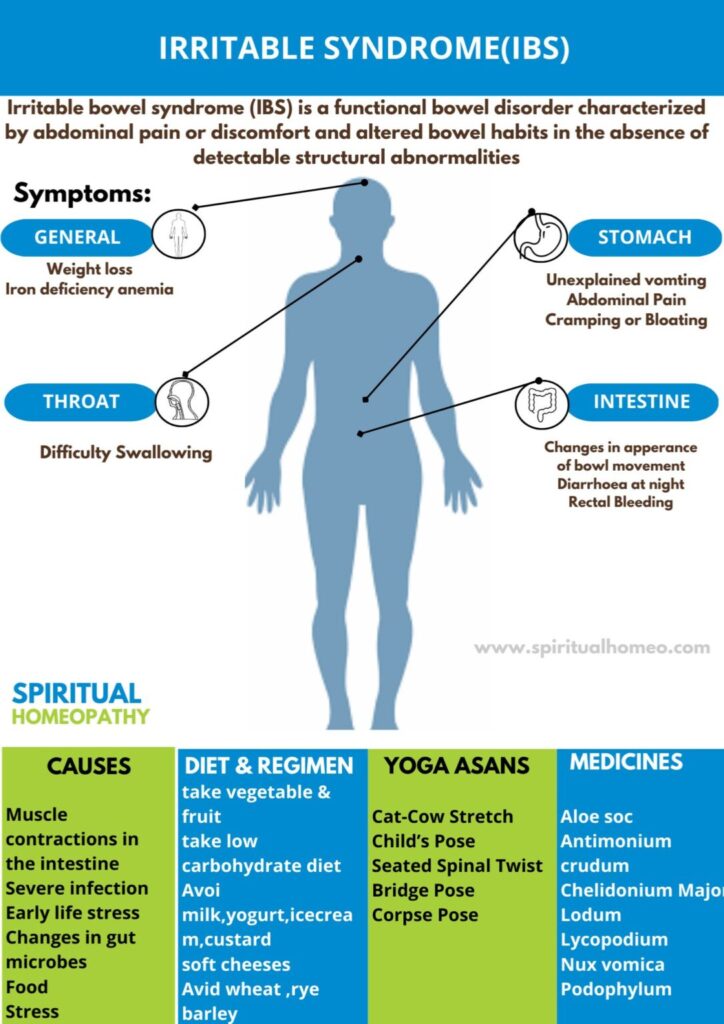
Overview
Irritable Bowel Syndrome (IBS) is a common gastrointestinal disorder characterized by abdominal discomfort, bloating, and changes in bowel habits. There are currently no definitive diagnostic tests for IBS, so diagnosis is generally based on symptom patterns and clinical evaluation. The Rome II criteria, first established for diagnosing IBS, were revised in 2006 to improve diagnostic accuracy.
IBS affects an estimated 10–20% of adults and adolescents worldwide, with many studies showing a higher prevalence in women. Symptom severity can vary from mild to severe, often impacting daily activities and quality of life, and sometimes leading to increased healthcare use.
Ongoing research in physiology, psychology, and clinical science has enhanced our understanding of IBS, highlighting the complex interaction between the gut and brain that contributes to the condition.
At Spiritual Homeopathy Clinic, patients experiencing IBS symptoms can access consultations at multiple Hyderabad branches or via online and international appointments, allowing for individualized assessment and guidance.
What Causes Irritable Bowel Syndrome (IBS)?
The exact cause of Irritable Bowel Syndrome (IBS) is not fully understood, but research suggests that multiple physical, emotional, and environmental factors may contribute to its development. IBS is thought to result from a complex interaction between the brain and the digestive system.
Key Factors That May Contribute to IBS:
Abnormal Intestinal Muscle Contractions
The muscles in the intestinal walls contract to move food through the digestive tract. Strong or prolonged contractions can lead to bloating, gas, and diarrhea, while weaker contractions may slow digestion, resulting in hard, dry stools and constipation.
Nervous System Dysfunction
Changes in the nerves controlling the digestive tract can increase sensitivity to gas or stool. This heightened sensitivity may cause pain or discomfort, particularly when the abdomen is distended.
Severe Infections
IBS can develop after significant gastrointestinal infections, such as gastroenteritis caused by bacteria or viruses. This is referred to as post-infectious IBS.
Early Life Stress
Stress or trauma experienced during childhood may influence brain-gut communication, increasing susceptibility to IBS symptoms later in life.
Changes in Gut Microbiome
The gut contains trillions of microorganisms, including bacteria, viruses, and fungi, which play a key role in digestion and immune function. Imbalances in these gut microbes—called dysbiosis—may contribute to IBS symptoms.
Common IBS Triggers
In addition to underlying causes, certain triggers can worsen or provoke symptoms in people with IBS:
Food
Some individuals notice symptom flare-ups after consuming specific foods, though true food allergies are uncommon. Common triggers include gluten, dairy, caffeine, and high-FODMAP foods (fermentable carbohydrates).
Stress
While stress does not directly cause IBS, it can exacerbate symptoms. Many people experience flare-ups during emotionally stressful events or periods of high tension.
Since the factors contributing to IBS vary from person to person, an individualized approach is essential for effective management. At Spiritual Homeopathy Clinic, our experts offer consultations at multiple Hyderabad branches, as well as online and international appointments, to assess your unique situation and guide appropriate care.
Types of IBS (Irritable Bowel Syndrome)
Irritable Bowel Syndrome (IBS) is classified into four main subtypes based on the predominant pattern of bowel movements. This classification—outlined by the Rome IV criteria and recognized by the American College of Gastroenterology—helps guide personalized management strategies. At Spiritual Homeopathy Clinic, our doctors consider these subtypes to provide individualized care through in-clinic, online, and international consultations.
IBS-C (Constipation-Predominant)
Primary Symptom: Infrequent, hard, or lumpy stools
Other Common Symptoms:
Straining during bowel movements
Bloating or abdominal discomfort
Feeling of incomplete evacuation
Management Strategies:
Gradually increase dietary fiber from fruits, vegetables, and whole grains
Stay well-hydrated throughout the day
Include magnesium-rich foods such as leafy greens, nuts, and avocados
Consider a low FODMAP diet if bloating is significant
Use gentle stool softeners only under professional supervision
IBS-D (Diarrhea-Predominant)
Primary Symptom: Frequent, loose, or urgent bowel movements
Other Common Symptoms:
Cramping or abdominal pain
Sudden urgency, often after meals
Gas and bloating
Management Strategies:
Follow a low FODMAP diet to reduce trigger foods
Limit caffeine, alcohol, high-fat, and spicy foods
Include soluble fiber like oats or psyllium to slow digestion
Consider probiotics to support gut microbiome balance
Use anti-diarrheal approaches only under professional guidance
IBS-M (Mixed Bowel Habits)
Primary Symptom: Alternates between diarrhea and constipation
Other Common Symptoms:
Unpredictable bowel movements
Fluctuating bloating, gas, or abdominal pain
Management Strategies:
Maintain a food and symptom diary to identify triggers
Balance fiber intake appropriately (not too much or too little)
Practice stress-management techniques such as yoga or mindfulness
Gradually adopt a low FODMAP diet if needed
Gut-directed therapies such as cognitive behavioral therapy (CBT) or hypnotherapy may help when symptoms are stress-related
IBS-U (Unclassified IBS)
Primary Symptom: Does not consistently match IBS-C, IBS-D, or IBS-M
Other Common Symptoms:
General digestive discomfort
Irregular or inconsistent bowel patterns
Management Strategies:
Keep a detailed food and symptom journal
Make gradual, targeted dietary adjustments
Address the gut-brain connection by managing stress, anxiety, and emotional triggers
Consult a gastroenterologist, dietitian, or homeopathy practitioner for a customized care plan
Note: The type of IBS can vary over time, and management should be personalized. At Spiritual Homeopathy Clinic, patients can receive individualized guidance at multiple Hyderabad branches or through online and international consultations to tailor lifestyle, diet, and holistic treatment approaches.
IBS Signs and Symptoms: When to See a Doctor
Irritable Bowel Syndrome (IBS) is generally a non-life-threatening condition, but recognizing symptoms early can help manage discomfort and prevent complications. Most IBS symptoms respond well to lifestyle adjustments, dietary changes, and professional guidance. At Spiritual Homeopathy Clinic, patients can consult our experts at multiple Hyderabad branches or via online and international consultations for personalized care.
Common IBS Symptoms:
Abdominal pain or cramping
Bloating and excess gas
Changes in bowel habits (constipation, diarrhea, or both)
Mucus in the stool
Feeling of incomplete bowel movements
More Serious Signs and Symptoms (Not Typical of IBS):
Seek prompt medical attention if you experience any of the following, as they may indicate a more serious gastrointestinal condition:
Unexplained weight loss
Diarrhea that occurs at night
Rectal bleeding or blood in the stool
Iron deficiency anemia, leading to fatigue and weakness
Unexplained or frequent vomiting
Difficulty swallowing (dysphagia)
Persistent abdominal pain that does not improve after passing gas or having a bowel movement
Lumps or swellings under the skin (may indicate cystic or inflammatory lesions)
Note: If IBS symptoms are frequent, severe, or interfere with daily activities, a professional assessment is recommended to develop an individualized care plan.
IBS Diet and Daily Regimen: Managing Symptoms Naturally
A balanced diet and structured daily routine can significantly help people living with Irritable Bowel Syndrome (IBS). Following an IBS-friendly lifestyle may reduce flare-ups, improve digestion, and support long-term gut health. At Spiritual Homeopathy Clinic, patients can consult our experts at multiple Hyderabad branches or via online and international consultations for individualized guidance.
The goal of an IBS diet is to soothe the digestive system, minimize triggers, and promote consistent bowel habits.
General IBS Diet Principles
| What to Do | Why It Helps |
|---|---|
| Follow a Low-FODMAP Diet | Reduces bloating and gas by avoiding fermentable carbs |
| Include Soluble Fiber (in moderation) | Helps manage both constipation and diarrhea |
| Eat Small, Regular Meals | Prevents overloading the gut |
| Stay Hydrated | Supports smooth digestion and regular bowel movements |
| Limit Caffeine, Alcohol & Spicy Foods | Minimizes gut irritation and urgency |
IBS-Friendly Foods to Include
Carbohydrates & Grains: Oats, brown rice, quinoa, sourdough bread, corn tortillas
Vegetables (cooked preferred): Zucchini, carrots, spinach, green beans, eggplant, bok choy
Fruits (in moderation): Firm bananas, kiwi, blueberries, strawberries, oranges
Proteins: Eggs, grilled chicken, salmon, tofu, tempeh
Dairy Alternatives: Lactose-free milk, almond milk, unsweetened coconut yogurt
Snacks & Add-ons: Chia seeds, flaxseeds, rice cakes, small portions of nuts
Soothing Drinks: Peppermint tea, chamomile tea, ginger tea, warm lemon water
Foods to Avoid with IBS
High-FODMAP foods: Onions, garlic, cauliflower, apples, lentils, beans
Fried or fatty foods: French fries, creamy sauces
Caffeine and alcohol: Can trigger urgency and bloating
Artificial sweeteners: Sorbitol, xylitol (common in gum and sugar-free products)
Dairy (if lactose intolerant): Milk, soft cheese, ice cream
A consistent daily routine supports digestion and reduces stress, a known trigger for IBS symptoms. Guidance may vary based on individual needs.
Morning (7:00–9:00 AM)
Start with warm water with lemon or ginger
Light stretching or a short walk to stimulate digestion
Breakfast: Oatmeal with almond milk, chia seeds, and blueberries
Spend 10 minutes on mindfulness or deep breathing to reduce gut-brain tension
Midday (12:00–2:00 PM)
Lunch: Grilled chicken or tofu, quinoa, sautéed zucchini and carrots
Eat slowly and mindfully—avoid overeating
Take a brief walk after your meal to aid digestion
Afternoon (3:00–5:00 PM)
Snack: Firm banana, rice cakes, or a smoothie with lactose-free yogurt
Sip on herbal tea (peppermint for cramps, ginger for bloating)
Evening (6:00–8:00 PM)
Dinner: Baked fish, mashed sweet potatoes, and steamed spinach
Light yoga or breathing exercises to relax body and gut
Avoid eating within 2 hours of bedtime
Before Bed
Drink chamomile tea or warm almond milk
Journal: Track any food triggers, symptoms, or stress
Aim for 7–9 hours of quality sleep to support gut repair
Yoga can be a supportive tool for managing Irritable Bowel Syndrome (IBS). Specific poses help promote digestion, reduce bloating and abdominal discomfort, relieve constipation, and calm the nervous system—supporting the gut-brain connection. Patients at Spiritual Homeopathy Clinic can consult with our homeopathy doctors at multiple Hyderabad branches or online for guidance on integrating yoga safely with their treatment plan.
How Yoga Helps IBS:
Improves gut motility and circulation
Relieves abdominal tension and bloating
Reduces stress and anxiety, which are common IBS triggers
Supports parasympathetic (rest-and-digest) nervous system function
Top Yoga Poses for IBS Management:
Pawanmuktasana (Wind-Relieving Pose)
Benefits: Relieves gas, bloating, and abdominal pressure
How to Do It: Lie on your back, hug one knee into the chest while keeping the other leg straight. Hold for 30 seconds, then switch legs. Repeat with both knees in.
Apanasana (Knees-to-Chest Pose)
Benefits: Stimulates digestion, relieves constipation and abdominal tension
How to Do It: Lie on your back, bring both knees to your chest, and gently rock side to side for 1–2 minutes.
Setu Bandhasana (Bridge Pose)
Benefits: Strengthens abdominal organs, supports digestive function, and reduces fatigue
How to Do It: Lie on your back, bend knees with feet hip-width apart. Lift hips while keeping shoulders grounded. Hold for 30 seconds to 1 minute.
Marjaryasana–Bitilasana (Cat-Cow Pose)
Benefits: Enhances gut motility, stretches the spine, relieves abdominal tightness
How to Do It: Start on hands and knees. Inhale and arch your back (cow), exhale and round your spine (cat). Repeat for 1–2 minutes with slow, deep breaths.
Balasana (Child’s Pose)
Benefits: Calms the nervous system and gently compresses the abdomen
How to Do It: Kneel, sit back on your heels, fold forward with arms extended, and rest your forehead on the floor. Breathe deeply.
Supta Matsyendrasana (Supine Spinal Twist)
Benefits: Supports detoxification, aids digestion, and relieves lower back/gut tension
How to Do It: Lie on your back, draw one knee across the body toward the opposite side. Extend the opposite arm and gaze in the opposite direction. Hold 30 seconds on each side.
Vajrasana (Thunderbolt Pose)
Benefits: Improves digestion when practiced after meals
How to Do It: Sit on your heels with a straight spine, hands on thighs. Breathe deeply for 5–10 minutes after eating.
At Spiritual Homeopathy Clinic, our approach to Irritable Bowel Syndrome (IBS) focuses on individualized care and long-term management rather than just addressing immediate symptoms. Homeopathy works by evaluating the unique combination of physical, emotional, and lifestyle factors that contribute to IBS, creating a treatment plan tailored to each patient.
Key Features of Homeopathic Management for IBS:
Individualized Remedies: Treatment is customized based on bowel patterns, symptom severity, emotional factors, and overall health.
Addresses Contributing Factors: Therapy considers gut motility, stress, dietary triggers, and gut-brain interactions to support holistic improvement.
Long-Term Support: Regular follow-ups allow monitoring of symptom patterns and adjusting care strategies to maintain digestive balance.
Generally Well-Tolerated: Homeopathic care is designed to be gentle and safe for most patients when guided by professional practitioners.
Whether you are experiencing constipation-predominant, diarrhea-predominant, mixed, or unclassified IBS, the focus is on comprehensive, patient-centered management. Consultations are available at multiple Hyderabad branches and online for patients who prefer remote care.
You should consult a healthcare professional if IBS symptoms become frequent, persistent, or begin to interfere with daily activities, work, or sleep. Early evaluation helps identify contributing factors and supports an individualized management plan.
Seek consultation if you experience:
Recurrent or worsening abdominal pain or cramping
Persistent bloating, gas, or abdominal discomfort
Significant changes in bowel habits (constipation, diarrhea, or alternating patterns)
Mucus in the stool or feeling of incomplete bowel movements
Symptoms that do not improve with dietary or lifestyle modifications
Unexplained weight loss, rectal bleeding, or anemia
At Spiritual Homeopathy Clinic, consultations are available at multiple Hyderabad branches, including Kukatpally, Chandanagar, Dilsukhnagar, and Nallagandla. Online and international consultations are also offered for patients unable to visit in person. A professional assessment ensures an individualized care plan based on your symptoms and overall health.
For appointments or guidance, contact 9069 176 176.
1. What is Irritable Bowel Syndrome (IBS)?
IBS is a chronic digestive disorder affecting the large intestine. It can cause abdominal pain, bloating, gas, constipation, diarrhea, or alternating bowel habits. Symptoms occur without visible damage to the digestive tract. Consultations are available at multiple Hyderabad branches, as well as online and international sessions.
2. What causes IBS?
The exact cause isn’t fully understood, but contributing factors may include abnormal gut contractions, heightened nerve sensitivity, gut-brain communication issues, stress, past gastrointestinal infections, and changes in gut bacteria. Individualized assessment helps guide appropriate management.
3. What are the most common symptoms of IBS?
Abdominal pain or cramping
Bloating and excess gas
Constipation, diarrhea, or alternating bowel habits
Mucus in the stool
Feeling of incomplete bowel movements
If these symptoms are frequent or severe, professional consultation is advised.
4. How is IBS diagnosed?
Diagnosis is based on symptoms, medical history, and ruling out other conditions. Rome IV criteria are commonly used. Tests like blood work, stool analysis, or colonoscopy may be recommended to exclude more serious gastrointestinal issues.
5. Is IBS the same as IBD (Inflammatory Bowel Disease)?
No. IBS is a functional disorder without visible inflammation or damage. IBD, such as Crohn’s disease or ulcerative colitis, involves chronic inflammation and structural changes in the digestive tract.
6. Can IBS be cured?
There is no definitive cure, but IBS can be managed effectively through diet, lifestyle changes, stress management, and professional guidance. Homeopathy offers individualized approaches to support long-term symptom management.
7. What foods should I avoid with IBS?
Common triggers include:
High-FODMAP foods (onions, garlic, beans, apples)
Fried or fatty foods
Caffeine and alcohol
Dairy (if lactose intolerant)
Artificial sweeteners (sorbitol, xylitol)
Dietary guidance should be personalized to your symptoms.
8. What is the low-FODMAP diet?
This diet restricts certain fermentable carbohydrates that may cause bloating, gas, and discomfort. It can help reduce IBS symptoms but is best followed with professional guidance.
9. Is stress really linked to IBS?
Yes. The gut-brain connection means stress or anxiety can trigger or worsen IBS symptoms. Mind-body techniques like yoga, meditation, or cognitive behavioral therapy (CBT) can be supportive.
10. Can exercise help with IBS?
Moderate activity such as walking, swimming, or yoga may improve digestion, regulate bowel movements, and reduce stress. Intense exercise can worsen symptoms for some individuals.
11. When should I see a doctor about IBS symptoms?
Consult a healthcare professional if you notice:
Unintentional weight loss
Blood in stool
Persistent or worsening pain
Diarrhea at night
Vomiting or difficulty swallowing
Early evaluation ensures proper management and rules out more serious conditions.
WhatsApp us