
Leucorrhoea is a medical term used to describe an abnormal vaginal discharge that is typically white, yellowish, or milky in color. It is often caused by infections, hormonal changes, or other underlying health conditions. While a small amount of vaginal discharge is normal and helps keep the vagina clean, excessive or foul-smelling leucorrhoea can be a sign of an infection or other gynecological issue. It is important to consult a healthcare provider if leucorrhoea is persistent or accompanied by other symptoms like itching, burning, or discomfort.
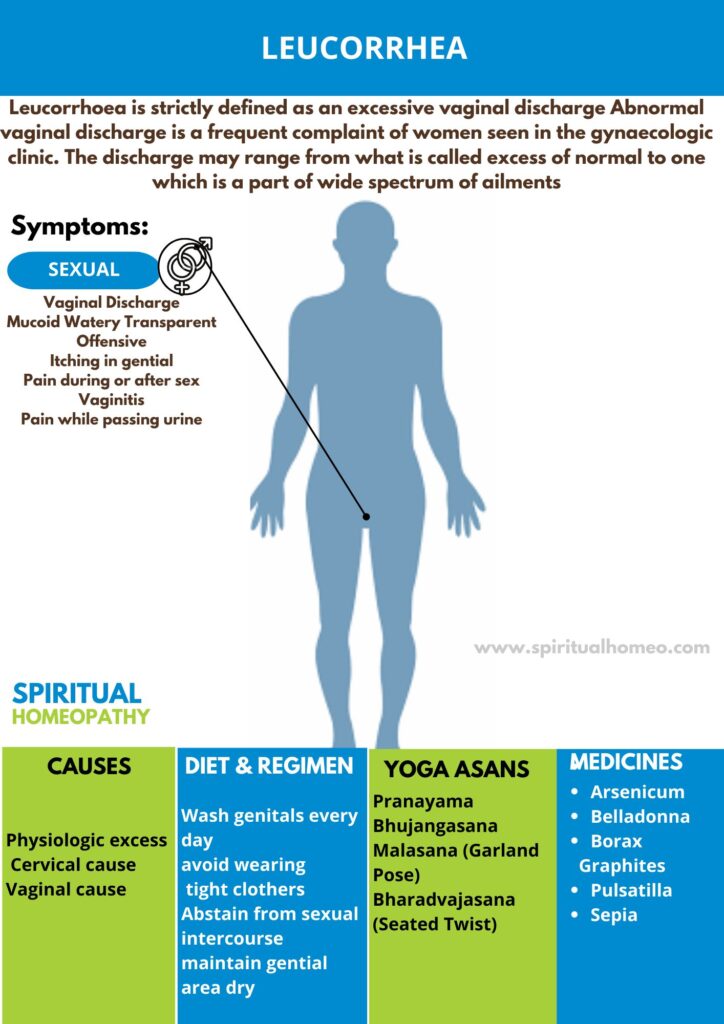
Abnormal vaginal discharge is a common concern among women seeking gynecologic care. It may range from an increase in normal discharge to a sign of various underlying health conditions. The discharge can differ in color, consistency, or odor, though blood-stained discharge or discharge associated with urine or stool is not included in this overview.
Identifying the cause and type of abnormal discharge is essential for proper evaluation and management. Consultations are available at Spiritual Homeopathy Clinic’s multiple Hyderabad branches as well as online and international consultations for those unable to visit in person. A professional assessment allows for an individualized care approach tailored to each patient’s symptoms and overall health.
Excessive vaginal discharge can occur due to a variety of factors, including physiological changes, cervical conditions, and vaginal causes.
In certain situations, the body naturally produces increased vaginal secretions:
Puberty: Rising estrogen levels lead to overgrowth of the endocervical epithelium, which may result in cervical erosion and increased discharge.
Menstrual Cycle:
Around ovulation, peak estrogen levels stimulate cervical glands, leading to increased secretion.
Premenstrual pelvic congestion and enlargement of endometrial glands may further increase mucus production.
Pregnancy: Elevated estrogen levels and increased blood flow can cause increased secretion from both the cervix and vaginal lining.
Sexual Excitement: Stimulation of the Bartholin’s glands results in temporary increased secretion.
Certain non-infectious cervical conditions may contribute to excessive vaginal discharge:
Cervical Ectopy: Overgrowth of endocervical tissue onto the ectocervix can increase mucus secretion.
Chronic Cervicitis: Persistent inflammation of the cervix may lead to ongoing discharge.
Mucous Polyps and Ectropion: Exposure of cervical glands to the vaginal environment can result in increased mucus production.
Excessive discharge may also arise from vaginal or pelvic factors, including:
Pelvic Congestion: Conditions such as uterine prolapse, retroverted uterus, or chronic pelvic inflammation may increase vaginal transudation.
Use of Hormonal Contraceptives: Hormonal changes associated with contraceptive use can alter vaginal secretions.
Vaginal Adenosis: A rare condition involving abnormal vaginal tissue that may lead to increased discharge.
General Ill Health: Certain illnesses can cause excessive shedding of superficial vaginal cells, contributing to increased discharge.
Understanding the underlying cause is essential, as management depends on individual symptoms and contributing factors. A professional evaluation supports an individualized care approach tailored to overall health status.
Leucorrhoea (white discharge) can vary in appearance and consistency depending on its underlying cause. It is commonly classified into different types, and identifying the characteristics of the discharge helps in understanding the possible cause and guiding appropriate care.
This type of leucorrhoea is considered normal and usually results from natural hormonal changes or routine bodily functions. It is typically clear or white, odorless, and occurs during specific life stages or conditions.
Causes:
Puberty: Hormonal fluctuations during puberty often lead to normal vaginal discharge.
Ovulation: Discharge increases around ovulation (mid-cycle) and is often clear and stretchy.
Pregnancy: Hormonal changes may increase vaginal discharge during pregnancy.
Menstrual Cycle: Discharge may thicken or increase before menstruation.
Sexual Arousal: Increased secretion can occur due to sexual excitement.
Characteristics:
Color: Clear to milky white
Consistency: Thin or slightly thick
Smell: Odorless or mildly acidic
Amount: Usually not excessive
Pathological leucorrhoea occurs due to infections or underlying medical conditions. It is often associated with changes in color, odor, consistency, or accompanying symptoms and usually requires medical evaluation.
Bacterial Vaginosis (BV):
Caused by an imbalance in normal vaginal bacteria.
Color: Grayish or white
Consistency: Thin and watery
Smell: Foul or fishy, especially after intercourse
Candida (Yeast Infection):
Caused by overgrowth of yeast in the vaginal area.
Color: White, cottage cheese–like
Consistency: Thick and clumpy
Smell: Mild or absent
Associated Symptoms: Itching, redness, or swelling
Trichomoniasis:
A parasitic infection affecting the vaginal tract.
Color: Yellow or greenish
Consistency: Frothy and thick
Smell: Unpleasant or fishy
Associated Symptoms: Itching, burning, discomfort during urination or intercourse
Hormonal Imbalance:
Conditions such as PCOS or menopause may cause abnormal discharge due to fluctuating hormone levels.
Color: Clear to yellowish
Consistency: Watery to thick
Smell: Usually mild unless complicated by infection
Cervicitis:
Inflammation of the cervix due to infections or irritation.
Color: Yellowish or greenish
Consistency: Thick or watery
Smell: Foul
Associated Symptoms: Pelvic pain, pain during intercourse, or abnormal bleeding
Allergic Reactions or Irritation:
Exposure to soaps, sprays, tampons, or condoms may trigger irritation.
Color: Clear to white
Consistency: Watery to thick
Smell: Mild or absent
During pregnancy, hormonal changes commonly increase vaginal discharge. This is usually physiological but should be monitored to rule out infections if changes occur.
Characteristics:
Color: Milky white or slightly yellow
Consistency: Thin to moderately thick
Smell: Mild or odorless
Note: Medical consultation is advised if itching, foul odor, or discomfort develops.
After menopause, vaginal discharge generally decreases due to reduced estrogen levels. However, mild discharge may still occur in some women.
Characteristics:
Color: Clear to white
Consistency: Thin and watery
Smell: Mild or absent
Associated Symptoms: May occur with vaginal dryness or irritation
Understanding the type and pattern of leucorrhoea helps clinicians plan individualized care, especially when symptoms are persistent or recurrent.
Excessive vaginal discharge may result in persistent moisture in the vulvar area, staining of undergarments (often appearing brownish-yellow when dried), or the frequent need to use a vulval pad. The intensity and associated symptoms can vary depending on the underlying cause.
Common symptoms associated with excessive vaginal discharge include:
Intense itching in the vulva, which may worsen with prolonged moisture
Vaginitis, indicating inflammation or irritation of the vaginal tissues
Painful or burning sensation during urination
Discomfort or pain during or after sexual intercourse
Lower back pain, which may be associated with pelvic involvement
If these symptoms are persistent, recurrent, or progressively worsening, medical consultation is recommended to identify contributing factors and guide appropriate care.
Proper diet and a healthy daily regimen play an important role in managing leucorrhoea (white discharge) and supporting overall vaginal health. Dietary habits and lifestyle measures can help maintain internal balance and reduce contributing factors.
Probiotics support the balance of beneficial bacteria in the body and help maintain vaginal health.
Yogurt (with live cultures)
Kefir (fermented milk drink)
Kimchi, sauerkraut, and other fermented foods
Miso
Fiber-rich foods help regulate digestion and support hormonal balance.
Whole grains (brown rice, oats, quinoa)
Leafy greens (spinach, kale, fenugreek leaves)
Fruits (apples, pears, oranges, berries)
Vegetables (broccoli, carrots, zucchini)
Vitamin C supports immune function and overall resistance to infections.
Citrus fruits (oranges, lemons, grapefruits)
Bell peppers, strawberries, tomatoes, kiwi
Green leafy vegetables
Antioxidants help support immune health and reduce oxidative stress.
Amla (Indian gooseberry)
Berries (blueberries, strawberries, raspberries)
Nuts (almonds, walnuts)
Seeds (chia, flax, pumpkin seeds)
Certain herbs are traditionally included in diets to support general wellness.
Coriander seeds
Tulsi (Holy Basil)
Fenugreek
Neem
Adequate fluid intake supports detoxification and overall health.
Aim for 8–10 glasses of water daily
Herbal teas such as ginger or mint may support digestion
Sugary foods and refined carbohydrates
Processed foods high in trans fats and preservatives
Excessive caffeine and alcohol
Spicy foods, if they cause irritation
Keep the genital area clean and dry using mild, unscented products
Avoid douching, as it can disturb natural pH balance
Wear cotton underwear and change it regularly
Avoid tight-fitting or synthetic clothing
Regular pelvic floor exercises may help improve circulation and muscle tone in the pelvic region.
Moderate physical activity supports hormonal balance and immune function.
Aim for regular activities such as walking, yoga, or swimming.
Stress can influence hormonal balance and immunity.
Practices such as meditation, deep breathing, yoga, and adequate rest may be beneficial.
Warm sitz baths using traditional herbs may help relieve local discomfort when used occasionally.
Avoid scented sanitary products
Use unscented menstrual hygiene products to reduce irritation
Dietary and lifestyle recommendations may vary based on individual health factors, and professional consultation is advised for persistent or recurrent symptoms.
Consultation support is available at Spiritual Homeopathy Clinic, with in-clinic visits across Hyderabad and online or international consultations as needed.
Yoga practices can support pelvic health, circulation, stress management, and overall well-being. These practices are supportive in nature and should be performed gently, based on individual comfort.
This pose helps strengthen the pelvic floor muscles, improves blood circulation to the pelvic region, and may support hormonal balance.
How to do it:
Lie on your back with knees bent and feet flat on the floor, hip-width apart. Press your feet into the floor and lift your hips upward. Clasp your hands under your back and hold for 20–30 seconds before releasing.
Benefits: Strengthens pelvic muscles, improves circulation, and helps reduce stress.
This restorative pose helps relax the pelvic area and supports better blood flow to the lower abdomen.
How to do it:
Lie on your back, bring the soles of your feet together, and allow the knees to drop outward. Keep arms relaxed by your sides. Remain in the pose for 2–5 minutes.
Benefits: Promotes pelvic relaxation, reduces stress, and supports reproductive health.
This posture stretches the spine and supports circulation to the lower abdomen and pelvic organs.
How to do it:
Sit with legs extended forward. Inhale to lengthen the spine, then exhale and bend forward from the hips, reaching toward the feet. Hold for 20–30 seconds.
Benefits: Relieves lower abdominal tension, supports digestion, and aids circulation.
A calming posture known for its relaxing and restorative effects.
How to do it:
Lie on your back with legs extended upward against a wall. Rest arms comfortably and remain in the pose for 5–10 minutes.
Benefits: Helps reduce pelvic congestion, calms the nervous system, and improves circulation.
This pose strengthens the thighs, hips, and pelvic muscles.
How to do it:
Stand upright, bend the knees, and lower the hips as if sitting on a chair. Keep the spine straight and hold for 20–30 seconds.
Benefits: Strengthens pelvic floor muscles and supports circulation.
A standing posture that improves flexibility and circulation in the pelvic region.
How to do it:
Stand with feet wide apart, turn one foot outward, and extend arms sideways. Bend sideways at the hip, reaching toward the foot. Hold for 20–30 seconds on each side.
Benefits: Stretches hips, improves circulation, and strengthens the lower body.
This pose supports spinal flexibility and circulation to the abdominal and pelvic areas.
How to do it:
Lie on your stomach, place palms under shoulders, and gently lift the chest while keeping the pelvis grounded. Hold for 20–30 seconds.
Benefits: Enhances circulation and supports abdominal and pelvic health.
A relaxing pose that releases tension in the hips and lower back.
How to do it:
Lie on your back, bring knees toward the chest, and hold the outer edges of the feet. Remain for 1–2 minutes.
Benefits: Relieves pelvic tension, calms the mind, and improves flexibility.
A deep squat posture that opens the hips and supports pelvic circulation.
How to do it:
Stand with feet slightly apart, squat down while keeping heels on the floor and chest lifted. Hold for 30 seconds to 1 minute.
Benefits: Opens the hips, strengthens pelvic muscles, and supports digestion.
A relaxation pose that allows the body to rest and integrate the effects of practice.
How to do it:
Lie flat on your back with arms relaxed by your sides. Focus on slow breathing for 5–10 minutes.
Benefits: Reduces stress, promotes relaxation, and supports overall well-being.
Yoga and lifestyle practices are supportive measures and not a substitute for medical evaluation. If symptoms are persistent or worsening, professional consultation is recommended.
Homeopathy is a gentle, natural system of healing that focuses on treating the root cause of illness, not just the symptoms. It works in harmony with your body’s innate ability to heal itself—without causing side effects. Safe for all ages and tailored to each individual, homeopathy supports long-term health and well-being.
Whether you’re managing a chronic condition or seeking relief from acute symptoms, homeopathy offers a holistic, personalized path to recovery.
At Spiritual Homeopathy, we are deeply committed to helping you achieve true wellness—physically, emotionally, and spiritually. Our mission is to provide compassionate, individualized care using time-tested homeopathic principles and modern clinical insight.
We don’t just treat symptoms; we focus on identifying and resolving the underlying imbalances that cause illness, so you can enjoy lasting health and vitality.
At the heart of our practice is a unique approach that blends classical homeopathy with a deep respect for the spiritual and emotional dimensions of healing. Here’s what sets us apart:
✅ Root-Cause Healing: We look beyond surface symptoms to identify and treat the root cause.
✅ Personalized Treatment: Every remedy and plan is uniquely tailored to your body, lifestyle, and emotional needs.
✅ Experienced Team: Our skilled and empathetic homeopathy doctors in Hyderabad offer both in-clinic and online consultations for your convenience.
✅ Safe & Non-Toxic: Our remedies are gentle, non-addictive, and free from harmful chemicals.
✅ Spiritual Care: We understand the mind-body-spirit connection and integrate it into every treatment.
We take time to listen—really listen. During your initial session, our experts assess your health history, lifestyle, emotional state, and current symptoms to develop a treatment plan that’s customized just for you.
We offer a wide range of homeopathic medicines, carefully selected to suit your individual condition—whether you’re dealing with an acute illness like bronchitis or a long-standing issue like digestive problems, skin disorders, or allergies.
Healing is a journey, and we’re with you every step of the way. Regular follow-ups help us monitor your progress, fine-tune your treatment, and ensure you’re getting the best possible outcome.
At Spiritual Homeopathy, your well-being is our highest priority. Whether you’re seeking relief from specific health issues or aiming to boost your overall vitality, we’re here to guide you with care, empathy, and clinical excellence.
Ready to experience the power of natural, root-cause healing?
Book your consultation with Spiritual Homeopathy now — in person or online — and take the first step toward balanced, vibrant health.
Homeopathy is a system of care that focuses on understanding the individual as a whole rather than addressing symptoms alone. The approach considers physical complaints along with lifestyle and emotional factors that may influence health. Care is planned to support the body’s natural balance and overall well-being under professional supervision.
Homeopathic care may be considered for both acute and long-standing conditions, with an emphasis on individualized assessment and long-term management.
At Spiritual Homeopathy Clinic, care is provided with attention to physical, emotional, and lifestyle factors that may contribute to health concerns such as leucorrhoea (white discharge). Consultations focus on understanding the person’s overall health pattern rather than isolated symptoms.
The clinic offers services across multiple branches in Hyderabad, along with online and international consultation options, allowing continuity of care for patients in different locations.
Individualized Care: Each case is assessed based on personal health history, symptom patterns, and contributing factors.
Addresses Contributing Factors: Management plans aim to identify factors such as hormonal changes, recurrent infections, stress, or general health status.
Long-Term Management: Follow-up consultations help monitor progress and adjust care as needed.
Professional Guidance: Homeopathic care is generally well-tolerated when taken under qualified medical supervision.
1. Detailed Case Assessment
The consultation includes discussion of symptoms, menstrual history, general health, lifestyle habits, and emotional well-being to gain a comprehensive understanding of the condition.
2. Individualized Management Plan
Based on the assessment, a personalized plan is formulated to support overall balance and symptom control, without a one-size-fits-all approach.
3. Follow-Up and Monitoring
Regular follow-ups help evaluate response and guide further care, especially in chronic or recurrent cases.
Leucorrhoea is the medical term for abnormal vaginal discharge, commonly referred to as white discharge. It may vary in consistency, color, and odor and can sometimes indicate an underlying condition. However, in many women, leucorrhoea can also be a normal physiological process, especially during stages such as puberty, pregnancy, or around menstruation.
Leucorrhoea can occur due to several factors, including:
Hormonal changes (such as puberty, pregnancy, or menstrual cycle variations)
Infections (bacterial, fungal, or parasitic)
Cervical or vaginal conditions, including cervicitis or vaginitis
Poor genital hygiene or irritation from scented products
Chronic health conditions such as PCOS or diabetes
Understanding the underlying cause is important, as management is usually individualized based on contributing factors.
Yes, leucorrhoea can be normal when it is linked to natural hormonal fluctuations, such as during puberty, ovulation, pregnancy, or menstruation. However, if the discharge becomes excessive or is associated with changes in color, odor, or discomfort, medical evaluation is recommended to rule out underlying issues.
Abnormal leucorrhoea may present with:
Color changes: Yellowish, greenish, or brown discharge
Odor: Foul or fishy smell
Consistency: Thick, clumpy, or frothy discharge
Associated symptoms: Itching, burning, pelvic discomfort, pain during urination or sexual activity, or lower back pain
If these symptoms occur frequently or become severe, timely consultation with a healthcare professional is advised.
Management depends on identifying the underlying cause and may include:
Addressing infections under medical supervision
Supporting hormonal balance through appropriate care
Maintaining proper genital hygiene and avoiding irritants
Dietary adjustments, including balanced nutrition and gut-supportive foods
A professional assessment helps guide safe and appropriate long-term management.
Yoga may support overall reproductive health by improving circulation, reducing stress, and promoting hormonal balance. Practices such as gentle stretching and relaxation techniques can be supportive. However, yoga should be considered an adjunct and not a replacement for medical evaluation or treatment.
Some dietary items may worsen symptoms in certain individuals, including:
Excessive sugary foods and refined carbohydrates
Highly processed or fried foods
Excess caffeine and alcohol
Very spicy foods, if they cause irritation
Dietary guidance may vary based on individual health status and should be personalized when needed.
Medical consultation is advised if:
The discharge has an unusual color, odor, or texture
There is associated itching, swelling, or irritation
Pain occurs during urination or sexual activity
Symptoms persist, recur frequently, or worsen over time
Early evaluation helps identify causes and prevents complications.
Leucorrhoea cannot always be prevented, but maintaining good genital hygiene, wearing breathable cotton underwear, avoiding harsh or scented products, and managing stress may help reduce the risk of abnormal discharge.
Yes, prolonged stress can influence hormonal balance and immune function, which may contribute to vaginal health concerns, including abnormal discharge. Stress management practices such as yoga, meditation, and regular physical activity can support overall well-being.
WhatsApp us