
A lipoma is a soft, non-cancerous lump formed when fat cells grow excessively and create a noticeable swelling under the skin. These benign tumors are usually slow-growing, movable, and painless. Lipomas can appear anywhere on the body but are most common on the neck, shoulders, back, and arms. While generally harmless, some people choose removal for cosmetic reasons or if the lump causes discomfort or grows too large.
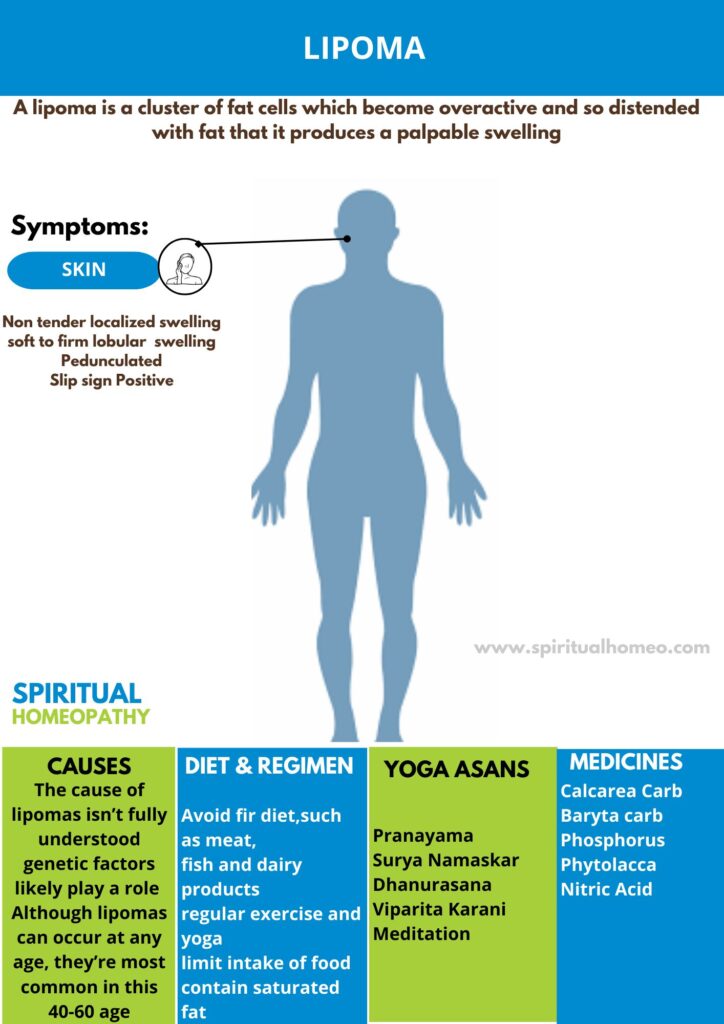
Lipoma: Common Benign Fat Tumor Overview
A lipoma is the most common benign tumor, arising from mature fat cells. Unlike malignant tumors, lipomas grow slowly and are usually painless. They can occur anywhere in the body—except the brain—making them known as “universal” or “ubiquitous” tumors. While most lipomas are localized and encapsulated, some can be diffuse, especially in areas like the palms, soles, head, and neck. Diffuse lipomas are not well defined, often more challenging to remove, and may be found in subcutaneous or intermuscular tissues.
Lipomas can appear as single or multiple swellings. About 5% of cases involve multiple lipomas, which may be linked to genetic conditions such as Multiple Endocrine Neoplasia (MEN) syndrome. Though they can develop at any age, lipomas are rare in children. They typically present as soft, freely movable lumps beneath the skin and vary in size—from small nodules to large masses.
Another variant, called hibernoma, arises from brown fat and has a reddish-brown appearance. While most lipomas are harmless, removal may be considered for cosmetic reasons, discomfort, or diagnostic confirmation.
Genetic predisposition – Lipomas often run in families.
Inherited syndromes – Conditions like familial multiple lipomatosis, MEN syndrome.
Age – Most common in adults between 40–60 years.
Injury or trauma – Some lipomas appear after soft tissue injuries.
Obesity – While not a direct cause, it may increase fat cell activity.
Metabolic disorders – Rarely linked to conditions like adiposis dolorosa.
1. Single Encapsulated Lipoma
This is the most common type of lipoma. It presents as a single, soft, slow-growing, painless lump under the skin. Although soft, it may feel cystic and show pseudo fluctuation due to its texture. These lipomas are freely mobile and usually subcutaneous. The flank is the most frequent site. A unique feature is the dimpling sign, caused by fibrous bands connecting the lipoma to the skin—when the skin moves, a visible dimple may appear.
2. Multiple Lipomatosis
This type involves multiple lipomas across the body. These lumps are often tender due to nerve elements mixed within, and are sometimes referred to as multiple neurolymphomatosis. A known example is Dercum’s disease (Adiposis dolorosa), characterized by painful, fatty lumps primarily on the trunk.
3. Diffuse (Unencapsulated) Lipoma
Also called pseudo lipoma, this rare form lacks a capsule and appears as a soft, ill-defined overgrowth of fat tissue. It often occurs in areas like the palms, soles, head, or neck and may be difficult to remove due to poor localization.
Fibrolipoma: Contains both fat and fibrous tissue, making the lump feel firmer.
Neurolipoma: A painful variant that includes nerve elements.
Naevus Lipoma: A rare vascular form of lipoma, unlike typical lipomas which are relatively avascular.
Lipomas typically present as localized, lobular swellings that are soft, non-tender, and slow-growing. They are often semi-fluctuant, as fat remains in a semi-liquid state at body temperature. One key diagnostic feature is the “slip sign”, where the edges of the lipoma slide smoothly under the fingers during palpation. The overlying skin remains free and mobile, and in some cases, lipomas may appear pedunculated, hanging from a stalk-like structure.
While there’s no proven diet or specific regimen that can shrink or eliminate lipomas (benign fatty tumors), adopting a healthy lifestyle and balanced diet can help prevent the formation of new lipomas and support overall wellness. Since lipomas consist of fat cells, reducing body fat, managing inflammation, and improving metabolic health may play a role in lipoma prevention and management.
Limit unhealthy fats: Avoid trans fats and excessive saturated fats found in fried foods, processed snacks, and fast food.
Choose healthy fats: Include omega-3-rich foods like salmon, flaxseeds, walnuts, and chia seeds to support fat metabolism and heart health.
Opt for lean proteins and whole grains: Chicken, tofu, lentils, quinoa, and brown rice help maintain muscle mass and reduce excess body fat.
Chronic inflammation may contribute to lipoma development. Add these anti-inflammatory foods to your daily meals:
Turmeric (with curcumin)
Ginger – fresh or as tea
Leafy greens like spinach and kale
Berries – blueberries, strawberries, raspberries
Broccoli – high in antioxidants
A high-fiber diet promotes digestion and weight management:
Whole grains – oats, barley, quinoa
Legumes – lentils, beans
Fruits and vegetables – apples, pears, carrots, leafy greens
Vitamin A supports skin health and cellular repair:
Sweet potatoes, carrots, kale, apricots, and mangoes are excellent sources.
Vitamin C helps with collagen production and tissue health:
Citrus fruits, bell peppers, kiwi, strawberries, and broccoli are great choices.
Drinking plenty of water flushes toxins, improves skin health, and supports metabolic functions. Aim for 6–8 glasses daily.
Processed sugars and carbs may contribute to fat accumulation:
Avoid sodas, cakes, pastries, candies, and sweetened cereals.
Though not a cure, some natural supplements may help:
Turmeric and ginger (capsules or teas)
Fish oil (rich in omega-3 fatty acids)
Green tea – may boost fat metabolism and reduce oxidative stress
Breakfast:
Oatmeal with chia seeds, fresh berries, and a drizzle of honey
Green tea or fresh orange juice
Mid-Morning Snack:
Handful of almonds or walnuts
Herbal tea or water
Lunch:
Grilled salmon, quinoa, steamed broccoli, and spinach salad with olive oil and lemon
Infused water with cucumber or mint
Afternoon Snack:
Carrot sticks with hummus
Mixed berries or Greek yogurt
Dinner:
Grilled chicken breast, sweet potato, sautéed kale with garlic
Side of brown rice or lentil salad
Evening Snack:
Apple slices with almond butter
Warm turmeric tea or chamomile tea
Exercise regularly: Aim for 30 minutes of moderate activity most days to manage body weight and improve circulation.
Limit alcohol and tobacco: These can negatively impact metabolism and general health.
Monitor fat intake: Prioritize healthy fats like olive oil and avocado while avoiding trans fats.
Avoid toxins: Reduce exposure to environmental chemicals and smoke; opt for natural cleaning products and fresh air.
Benefits: This backbend helps increase blood flow to the abdominal area, stimulates the organs, and promotes circulation. It also strengthens the spine and enhances flexibility.
How to do it: Lie face down, place your palms under your shoulders, and gently press into the floor as you lift your chest upward, arching your back. Keep your elbows slightly bent and shoulders relaxed.
Benefits: This pose strengthens the back, legs, and core while promoting better circulation. It also helps stimulate metabolism, which may assist in the reduction of excess fat.
How to do it: Lie on your back with your knees bent and feet flat on the floor. Press your feet into the floor as you lift your hips towards the ceiling. Hold the position for a few breaths before gently lowering your hips.
Benefits: This pose helps stretch and tone the entire body. It promotes better blood circulation and stimulates the lymphatic system, which may aid in fat metabolism and detoxification.
How to do it: Begin in a tabletop position with your hands and knees on the floor. Lift your hips toward the ceiling, forming an inverted “V” shape with your body. Keep your hands and feet firmly planted as you stretch your spine.
Benefits: This pose stretches the entire body, promotes better circulation, and stimulates the digestive system. It may help improve the body’s metabolism and support fat-burning processes.
How to do it: Stand with your feet wide apart. Extend your arms out to the sides, then reach one hand toward your foot while the other hand extends toward the ceiling, forming a triangle shape with your body. Keep your legs straight and engage your core.
Benefits: This pose strengthens the thighs, hips, and lower back while improving circulation. It also helps in toning and supporting the lower body muscles, which may contribute to healthy weight management.
How to do it: Stand with your feet together, bend your knees, and lower your hips as though sitting in an imaginary chair. Keep your back straight and arms extended upward.
Benefits: This seated twist improves digestion, promotes the detoxification of the body, and enhances circulation. It may help improve the elimination of toxins and reduce fat accumulation.
How to do it: Sit with your legs extended. Cross one leg over the other, placing your foot flat on the floor. Twist your torso toward the bent knee and place your opposite elbow on the outer side of the knee. Keep your spine tall and breathe deeply.
Benefits: This forward bend helps stretch the spine and hamstrings while improving digestion and calming the nervous system. Better digestion may support overall health, including fat metabolism.
How to do it: Sit with your legs extended in front of you. Inhale and lengthen your spine, then exhale as you gently fold forward, reaching your hands towards your feet. Keep your back straight and engage your core.
Benefits: While this may seem like a simple pose, it helps improve posture, strengthen the core, and promote balance. It also helps with overall body awareness and encourages deep breathing.
How to do it: Stand tall with your feet together, arms by your sides. Engage your thighs, lift your chest, and reach your arms overhead, keeping your body aligned from head to toe.
Homeopathy is a gentle, natural system of healing that focuses on treating the root cause of illness, not just the symptoms. It works in harmony with your body’s innate ability to heal itself—without causing side effects. Safe for all ages and tailored to each individual, homeopathy supports long-term health and well-being.
Whether you’re managing a chronic condition or seeking relief from acute symptoms, homeopathy offers a holistic, personalized path to recovery.
At Spiritual Homeopathy, we are deeply committed to helping you achieve true wellness—physically, emotionally, and spiritually. Our mission is to provide compassionate, individualized care using time-tested homeopathic principles and modern clinical insight.
We don’t just treat symptoms; we focus on identifying and resolving the underlying imbalances that cause illness, so you can enjoy lasting health and vitality.
At the heart of our practice is a unique approach that blends classical homeopathy with a deep respect for the spiritual and emotional dimensions of healing. Here’s what sets us apart:
✅ Root-Cause Healing: We look beyond surface symptoms to identify and treat the root cause.
✅ Personalized Treatment: Every remedy and plan is uniquely tailored to your body, lifestyle, and emotional needs.
✅ Experienced Team: Our skilled and empathetic homeopathy doctors in Hyderabad offer both in-clinic and online consultations for your convenience.
✅ Safe & Non-Toxic: Our remedies are gentle, non-addictive, and free from harmful chemicals.
✅ Spiritual Care: We understand the mind-body-spirit connection and integrate it into every treatment.
We take time to listen—really listen. During your initial session, our experts assess your health history, lifestyle, emotional state, and current symptoms to develop a treatment plan that’s customized just for you.
We offer a wide range of homeopathic medicines, carefully selected to suit your individual condition—whether you’re dealing with an acute illness like bronchitis or a long-standing issue like digestive problems, skin disorders, or allergies.
Healing is a journey, and we’re with you every step of the way. Regular follow-ups help us monitor your progress, fine-tune your treatment, and ensure you’re getting the best possible outcome.
At Spiritual Homeopathy, your well-being is our highest priority. Whether you’re seeking relief from specific health issues or aiming to boost your overall vitality, we’re here to guide you with care, empathy, and clinical excellence.
Ready to experience the power of natural, root-cause healing?
Book your consultation with Spiritual Homeopathy now — in person or online — and take the first step toward balanced, vibrant health.
FAQ
A lipoma is a benign (non-cancerous) tumor made up of fatty tissue. It usually appears as a soft, movable lump under the skin and grows slowly over time. Lipomas are generally harmless and can occur anywhere on the body.
The exact cause of lipomas is not fully understood, but genetics play a significant role. Lipomas often run in families, indicating a hereditary component. Certain conditions, such as multiple endocrine neoplasia (MEN) syndrome, can also increase the likelihood of developing multiple lipomas.
No, lipomas are benign tumors and are generally not harmful. However, if a lipoma becomes painful, grows rapidly, or interferes with movement, it may need to be evaluated by a healthcare professional.
Lipomas are typically soft, movable, and painless lumps under the skin. They are usually slow-growing and vary in size. If you have any concerns about a lump or if it grows quickly, it’s important to consult a doctor for a proper diagnosis.
In most cases, lipomas do not require removal unless they cause pain, discomfort, or cosmetic concerns. Surgery is the most common method of removal. However, it’s always best to consult with a healthcare provider to determine the best course of action.
No, lipomas do not typically go away on their own. Once formed, they tend to remain or grow slowly over time. Surgical removal is the most effective way to remove a lipoma.
There is no known way to prevent lipomas, as they are often linked to genetic factors. However, maintaining a healthy lifestyle, including a balanced diet and regular exercise, may help reduce the risk of developing new lipomas.
Most lipomas are painless, but in some cases, they can become tender or cause discomfort, especially if they press on nerves or surrounding tissues. If you experience pain or significant changes in the lump, consult a healthcare provider.
No, lipomas are benign (non-cancerous) tumors. However, there is a rare condition called liposarcoma, which is a malignant (cancerous) tumor that can sometimes be mistaken for a lipoma. It’s important to get any lump checked by a doctor for accurate diagnosis.
Surgical removal: The most common treatment for larger or bothersome lipomas.
Liposuction: A less invasive procedure to remove the fatty tissue.
Steroid injections: In some cases, injections may shrink the lipoma but may not eliminate it completely.
Yes, lipomas can sometimes recur after removal, although this is rare. The recurrence rate depends on factors such as the type and size of the lipoma, as well as the completeness of the removal.
There are no scientifically proven natural remedies to shrink or eliminate lipomas. However, maintaining a healthy diet, exercising regularly, and reducing stress may help support overall well-being and potentially reduce the formation of new lipomas.
Lipomas are rare in children but can occasionally develop during childhood or adolescence. Most lipomas are seen in adults between the ages of 40 and 60.
Yes, lipomas can run in families, suggesting a genetic predisposition. Certain inherited conditions, like familial multiple lipomatosis, increase the risk of developing multiple lipomas.
If you notice a lump under your skin, it’s important to see a doctor for a proper diagnosis. While lipomas are usually harmless, other conditions may cause similar symptoms, and only a healthcare provider can determine whether it’s a lipoma or another type of growth.
Reference
This comprehensive guide from the Mayo Clinic provides an overview of lipomas, their symptoms, causes, and treatment options.
Link: Mayo Clinic – Lipoma
The AAD offers information about lipomas, including their characteristics, symptoms, and when to seek medical care.
Link: AAD – Lipoma Overview
MedlinePlus provides a detailed explanation of lipomas, covering causes, symptoms, diagnosis, and treatment.
Link: MedlinePlus – Lipoma
WebMD has a detailed article discussing what lipomas are, how they are diagnosed, and possible treatment options.
Link: WebMD – Lipoma
PubMed offers a range of research studies on lipomas, providing insights into their pathophysiology, treatment options, and other aspects of the condition.
Link: PubMed – Lipoma Studies
For those interested in more detailed medical texts, dermatology textbooks like “Dermatology” by Jean L. Bolognia or “Fitzpatrick’s Dermatology in General Medicine” offer in-depth coverage of lipomas and their management.
WhatsApp us