
Measles is a highly contagious viral infection caused by the measles virus. It primarily affects children and spreads through respiratory droplets when an infected person coughs or sneezes. The disease typically begins with symptoms like fever, cough, runny nose, and red eyes, followed by a distinctive red rash that usually starts on the face and spreads to the rest of the body.
Measles can lead to serious complications, especially in young children and those with weakened immune systems, including pneumonia, encephalitis, and even death. It is preventable through the MMR (measles, mumps, rubella) vaccine.
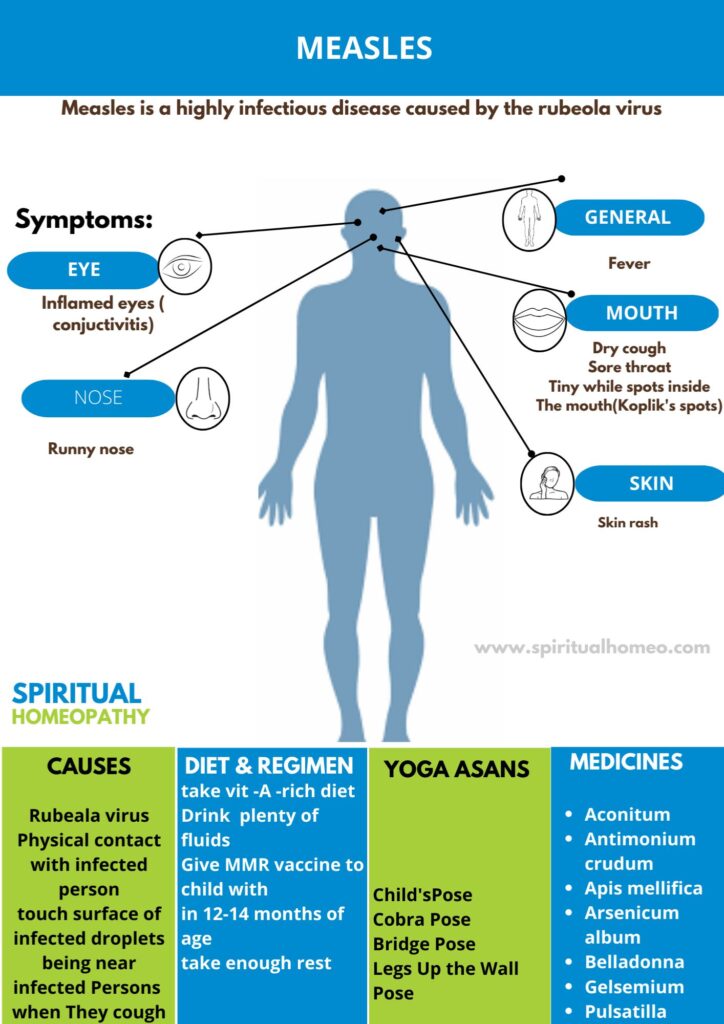
Measles is a highly contagious viral disease that primarily affects children. Despite the availability of an effective vaccine, measles continues to be a significant public health concern in many parts of the world, particularly in regions with limited access to healthcare services.
At Spiritual Homeopathy Clinic, consultations related to measles care and recovery support are available across multiple branches in Hyderabad, as well as through online and international consultation options, based on individual needs.
Under the Global Vaccine Action Plan, measles and rubella were targeted for elimination in five World Health Organization (WHO) regions by 2020. The WHO acts as the lead technical agency, coordinating immunization programs and disease surveillance to support countries in progressing toward this goal.
Measles spreads through respiratory droplets released from the nose, mouth, or throat of an infected person. It is highly contagious, and a large proportion of individuals without immunity may become infected after exposure.
Symptoms generally appear 10–12 days after exposure to the virus. Early signs commonly include:
High fever
Runny nose
Bloodshot eyes (conjunctivitis)
Tiny white spots inside the mouth (Koplik spots)
After a few days, a red rash typically develops, beginning on the face and upper neck and gradually spreading to the rest of the body.
Global measles-related deaths declined by approximately 84% between 2000 and 2016, largely due to expanded vaccination coverage. However, measles remains a concern in several developing regions, particularly parts of Africa and Asia.
Certain groups are at higher risk for severe disease and complications, including:
Malnourished individuals
People with vitamin A deficiency
Individuals with weakened immune systems, such as those affected by HIV
In these populations, the typical rash may be absent, and serious complications like giant cell pneumonitis or measles encephalitis can occur.
The risk of death from measles varies by region and access to care:
Approximately 1 in 1,000 cases in developed countries
Up to 1 in 4 cases in some developing countries
Common causes of severe outcomes include:
Pneumonia due to secondary bacterial infection
Severe diarrhea
Noma (cancrum oris), a gangrenous infection of the mouth
Measles encephalitis
In pregnant women, measles may be more severe, although it is not associated with congenital malformations.
Measles can temporarily suppress immune function, which may worsen other infections such as tuberculosis (TB). For this reason, measles vaccination is generally deferred until TB treatment has been initiated, under medical guidance.
Measles is caused by infection with the rubeola virus, a highly contagious virus present in the mucus of the nose and throat of an infected child or adult. The virus spreads very easily and can be transmitted even before noticeable symptoms appear.
Measles is contagious from approximately four days before the appearance of the rash to four to five days after. During this period, the virus can spread rapidly through:
Direct physical contact with an infected person
Airborne droplets released during coughing or sneezing
Touching contaminated surfaces and then touching the eyes, nose, or mouth
The virus can remain active on surfaces or in the air for up to two hours, which increases the likelihood of indirect transmission in shared spaces.
After entering the body, the measles virus:
Multiplies in the back of the throat, lungs, and lymphatic system
Gradually spreads to other organs, including the urinary tract, eyes, blood vessels, and central nervous system
Although the incubation period ranges from 1 to 3 weeks, initial symptoms typically begin 9 to 11 days after exposure.
Individuals who have not been vaccinated or previously infected are at the highest risk of developing measles if exposed. Nearly 90% of non-immune individuals may become infected after close household contact with someone who has measles.
Understanding how measles spreads and develops helps guide individualized care, monitoring, and preventive advice, especially for high-risk groups under professional supervision.
Measles can present in different forms depending on immune status, age, and underlying health conditions. Understanding the type helps guide monitoring and supportive care.
This is the most common form of measles and typically occurs in individuals who have not been vaccinated or previously exposed to the virus. It follows the usual stages of infection, beginning with fever, cough, runny nose, and conjunctivitis, followed by the characteristic red rash.
Modified measles may occur in individuals who have received partial immunity, such as those vaccinated but not fully protected or infants with residual maternal antibodies. Symptoms are generally milder, and the rash may be less prominent or shorter in duration.
Atypical measles is rare and has been reported in people who received earlier forms of the killed measles vaccine. Symptoms may differ from classic measles and can include unusual rash patterns, high fever, and respiratory involvement.
In people with weakened immune systems, measles may present without the typical rash and can be more severe. These cases carry a higher risk of complications and require careful medical supervision.
Different presentations of measles highlight the importance of individualized assessment and follow-up care, particularly in vulnerable populations.
Symptoms of measles usually develop gradually and may include:
Fever (mild to high)
Dry cough
Runny nose
Sore throat
Red, inflamed eyes (conjunctivitis)
Koplik’s spots – tiny white spots with bluish-white centers on a red base, seen on the inner lining of the cheeks
Skin rash – flat, red spots that often merge to form larger blotches
If these symptoms are frequent, severe, or worsening—especially in children or unvaccinated individuals—medical consultation is advised for timely evaluation.
Measles typically progresses through several stages over a period of 2 to 3 weeks:
Duration: Usually 10 to 14 days after exposure
During this phase, the virus multiplies within the body without visible symptoms
The affected person is generally unaware of the infection
Begins with a mild to moderate fever
Associated with persistent cough, runny nose, conjunctivitis, and sore throat
This stage generally lasts 2 to 3 days
Symptoms may resemble those of a common cold
The characteristic measles rash appears 3 to 5 days after the initial symptoms
The rash usually starts on the face and spreads to the arms, trunk, thighs, lower legs, and feet
It consists of small red spots, some slightly raised, often forming larger blotches
As the rash spreads, fever may increase significantly, sometimes reaching 104°F to 105.8°F (40°C to 41°C)
The rash fades gradually in the same sequence in which it appeared, beginning from the face
Measles is contagious for approximately 8 days
Begins 4 days before the rash appears
Continues until 4 days after the rash onset
Transmission occurs easily through coughing, sneezing, or close personal contact
If an individual develops high fever, rash, or Koplik’s spots—especially after known exposure to measles or recent travel to outbreak-affected areas—prompt medical evaluation is important to reduce complications and prevent further spread.
Overview: These meals provide a balanced mix of macronutrients (proteins, carbohydrates, and healthy fats) along with essential vitamins and minerals to support overall health during menopause.
Key Nutrients:
Lean proteins: Chicken, fish, tofu, legumes
Whole grains: Quinoa, oats, brown rice
Healthy fats: Olive oil, nuts, avocado
Colorful vegetables: Leafy greens, broccoli, bell peppers
Examples:
Grilled salmon with quinoa and steamed broccoli
Whole-grain toast with scrambled eggs, avocado, and fresh fruit
Overview: Menopause is associated with an increased risk of bone loss. These meals emphasize nutrients that support bone strength and density.
Key Nutrients:
Calcium: Dairy products, tofu, kale, fortified plant-based milk
Vitamin D: Salmon, eggs, mushrooms, fortified foods
Magnesium: Nuts, seeds, leafy greens
Examples:
Greek yogurt with chia seeds, almonds, and berries
Baked salmon with sautéed spinach and quinoa
Overview: Hormonal changes during menopause may increase cardiovascular risk. These meals focus on supporting heart health through balanced fats and fiber.
Key Nutrients:
Omega-3 fatty acids: Salmon, flaxseeds, walnuts
Fiber-rich grains: Oats, barley, legumes
Antioxidants: Berries, leafy greens, tomatoes
Examples:
Quinoa salad with spinach, walnuts, avocado, and grilled chicken
Grilled salmon with sweet potatoes and steamed broccoli
Overview: These meals include plant-based compounds known as phytoestrogens, which may help manage certain menopausal symptoms.
Key Nutrients:
Soy-based foods: Tofu, tempeh, soy milk
Lignans: Flaxseeds, sesame seeds
Legumes: Chickpeas, lentils
Hydrating vegetables: Cucumbers, bell peppers
Examples:
Tofu stir-fry with broccoli and bell peppers
Whole-wheat pita with hummus, avocado, and chickpeas
Overview: Ongoing inflammation may contribute to joint discomfort, fatigue, and mood changes during menopause. These meals focus on anti-inflammatory food choices.
Key Nutrients:
Natural anti-inflammatory spices: Turmeric, ginger, garlic
Antioxidant-rich foods: Berries, leafy greens
Omega-3 fatty acids: Fatty fish, seeds, walnuts
Examples:
Grilled chicken with turmeric-roasted vegetables
Salmon with spinach salad and turmeric–olive oil dressing
Overview: Weight changes are common during menopause. These meals support metabolism, portion awareness, and stable energy levels.
Key Nutrients:
Protein-rich foods: Lean meats, legumes, low-fat dairy
Fiber-rich foods: Whole grains, vegetables, fruits
Low-glycaemic options: Help reduce blood sugar fluctuations
Examples:
Grilled turkey breast with mixed greens and avocado
Lentil soup with vegetables and whole-grain crackers
Overview: Hormonal fluctuations during menopause can affect mood and sleep quality. These meals include nutrients linked to relaxation and emotional balance.
Key Nutrients:
Magnesium: Seeds, leafy greens, whole grains
B vitamins: Eggs, legumes, leafy greens
Tryptophan: Turkey, nuts, dairy products
Examples:
Quinoa bowl with chickpeas, spinach, and pumpkin seeds
Baked chicken with sweet potatoes and steamed broccoli
Overview: Adequate hydration may help reduce discomfort from hot flashes and night sweats commonly experienced during menopause.
Key Nutrients:
Water-rich foods: Cucumber, watermelon, tomatoes
Electrolytes: Avocado, bananas, coconut water
Examples:
Watermelon and cucumber salad with feta and mint
Grilled chicken with roasted vegetables and cucumber–tomato salad
Overview: Menopause may be associated with changes in insulin sensitivity. These meals support steady blood sugar levels.
Key Nutrients:
Low-glycaemic foods: Berries, legumes, non-starchy vegetables
Healthy fats and proteins: Olive oil, tofu, lean meats
Dietary fiber: Helps slow glucose absorption
Examples:
Grilled salmon with roasted Brussels sprouts and quinoa
Stir-fried tofu with broccoli and cauliflower rice
Overview: Smoothies offer a convenient way to include a variety of nutrients that support energy levels and overall well-being during menopause.
Key Nutrients:
Protein sources: Greek yogurt, tofu
Fiber: Berries, spinach, chia seeds
Calcium and healthy fats: Fortified milk, avocado, flaxseeds
Examples:
Green smoothie with spinach, banana, chia seeds, and almond milk
Berry smoothie with Greek yogurt, flaxseeds, and mixed berries
Dietary needs during menopause can vary based on age, health status, and symptoms; individualized guidance from a qualified healthcare professional is recommended.
These practices should be followed only after fever and skin rashes have completely subsided and with prior medical clearance. Yoga is supportive in nature and does not replace medical care.
Benefits: Helps relax the nervous system, reduces post-illness fatigue, and promotes gentle, steady breathing.
How to Practice: Sit on your heels, fold the torso forward, and stretch the arms forward or place them alongside the body.
Benefits: Encourages chest opening, supports circulation, and promotes deep physical and mental relaxation.
How to Practice: Lie on your back with the soles of the feet together and knees gently apart. Cushions or folded blankets may be used for comfort.
Benefits: Supports lymphatic drainage, reduces leg fatigue, and aids overall recovery during the convalescent phase.
How to Practice: Lie down and raise the legs vertically against a wall, with optional support under the hips.
Benefits: Helps open the chest, supports respiratory function, and promotes circulation when practiced gently.
How to Practice: Lie on your back, bend the knees, keep feet flat on the floor, and lift the hips slowly while keeping the shoulders relaxed.
Benefits: Encourages calm breathing, supports respiratory recovery, and helps regulate the nervous system.
How to Practice: Sit comfortably and practice slow alternate nostril breathing. Avoid practice if nasal congestion or breathing discomfort persists.
Keep sessions short (15–20 minutes) to prevent exhaustion
Practice in a quiet, well-ventilated environment
Emphasize relaxation and breathing rather than physical exertion
Maintain adequate hydration and rest between sessions
Individual tolerance to activity may vary, and practices should be adjusted based on overall strength and recovery status.
Intense or physically demanding postures
Inversions or vigorous sequences
Hot yoga or forceful breathing techniques
Homeopathy is a system of care that focuses on understanding the individual’s symptoms, overall health status, and response to illness rather than addressing isolated symptoms alone. In conditions such as measles, the approach emphasizes supporting the body during recovery while closely monitoring symptom progression.
Homeopathic care is based on individualized assessment and aims to address contributing factors that may influence symptom severity and recovery time. Treatment plans are adapted according to age, immunity, associated symptoms, and general health. Under professional guidance, this approach is generally well-tolerated and may be used as part of a broader care plan.
Homeopathy may be considered for long-term health support following acute viral illnesses, particularly where fatigue or reduced immunity persists after the active phase has resolved.
At Spiritual Homeopathy Clinic, care is guided by classical homeopathic principles combined with structured clinical evaluation. Consultations focus on detailed case-taking, including symptom patterns, medical history, and overall well-being, to support an individualized care plan.
The clinic provides consultations through multiple branches in Hyderabad, as well as online and international consultation options, allowing continuity of care for patients unable to attend in person.
Each consultation includes a detailed review of symptoms, disease stage, past medical history, and current concerns. This helps guide appropriate monitoring and supportive care decisions.
Care strategies are tailored based on symptom intensity, age, and recovery phase, with attention to factors that may affect healing and immunity.
Regular follow-up helps track symptom resolution, identify warning signs early, and adjust care recommendations as needed.
Homeopathy is intended to support recovery and overall health and does not replace standard medical care, especially in acute infections such as measles. Prompt medical evaluation is essential if symptoms worsen or complications are suspected.
You should consult a healthcare professional if measles symptoms appear or worsen, as early medical evaluation helps reduce the risk of complications and supports safe recovery.
Seek consultation if you experience:
High or persistent fever
Appearance of a widespread red skin rash
Persistent cough, runny nose, or red, inflamed eyes
Koplik’s spots (small white spots inside the mouth)
Difficulty breathing or chest discomfort
Severe weakness, dehydration, or reduced oral intake
Symptoms in infants, pregnant women, or individuals with weakened immunity
At Spiritual Homeopathy Clinic, consultations are available at multiple branches in Hyderabad, including Kukatpally, Chandanagar, Dilsukhnagar, and Nallagandla. Online and international consultations are also available for patients who are unable to visit in person. Professional assessment helps guide individualized care based on symptoms, age, and overall health status.
For appointments or guidance, contact 9069 176 176.
Measles is a highly contagious viral infection caused by the rubeola virus. It primarily affects children but can also occur in adults who have not been vaccinated. Common features include fever, cough, runny nose, red eyes, and a characteristic skin rash.
Measles spreads through respiratory droplets released during coughing or sneezing, as well as through close contact with an infected person. The virus can remain active on surfaces for up to two hours, contributing to rapid transmission.
Early symptoms usually appear before the rash and may include:
High fever
Runny nose
Dry cough
Sore throat
Red, watery eyes
Koplik’s spots (tiny white spots inside the mouth)
The rash generally develops 3 to 5 days after the onset of early symptoms. It typically begins on the face and spreads downward to the trunk, arms, and legs.
An individual with measles is contagious from about 4 days before the rash appears until 4 days after the rash develops. Isolation during this period helps reduce the spread of infection.
There is no specific antiviral treatment for measles. Care focuses on symptom management, adequate hydration, nutritional support, and monitoring for complications under medical supervision.
Yes. Measles can be prevented through routine immunization with the measles, mumps, and rubella (MMR) vaccine, which significantly reduces the risk of infection when administered as recommended.
Individuals at increased risk include unvaccinated children and adults, infants below one year of age, people with weakened immune systems, and those traveling to areas experiencing measles outbreaks.
Complications may include:
Pneumonia
Ear infections
Diarrhea
Encephalitis (inflammation of the brain)
Vision-related problems
Increased risk of severe illness in malnourished or immunocompromised individuals
Medical evaluation is recommended if symptoms such as persistent high fever, breathing difficulty, severe rash, dehydration, confusion, or seizures are present.
Yes. Adults who have not been vaccinated or who have incomplete immunization can develop measles and may experience more severe symptoms.
Vitamin A deficiency may increase the severity of measles. Supplementation is commonly advised for children with measles as part of standard medical care to help reduce complications.
Consultations at Spiritual Homeopathy Clinic are available through multiple branches in Hyderabad, as well as online and international consultation options, to support guidance and follow-up where appropriate.
WhatsApp us