Musculoskeletal Pain

Musculoskeletal Pain Relief: Expert Tips, Therapies & Prevention

Musculoskeletal Pain

Effective Homeopathic Treatment for Musculoskeletal pain

Musculoskeletal pain refers to discomfort or pain that affects the muscles, ligaments, tendons, bones, and nerves. It can result from overuse, injury, poor posture, or underlying conditions like arthritis. Common symptoms include stiffness, aching, and limited movement. Proper diagnosis and treatment—ranging from physical therapy to medication—can help manage pain and improve quality of life. Early intervention is key to preventing chronic issues.

Effective Homeopathic Treatment for Musculoskeletal pain by expert, trusted doctors in Dilsukhnagar, Kukatpally, Chanda Nagar & Nallagandla.

Everything You Need to Know

Overview

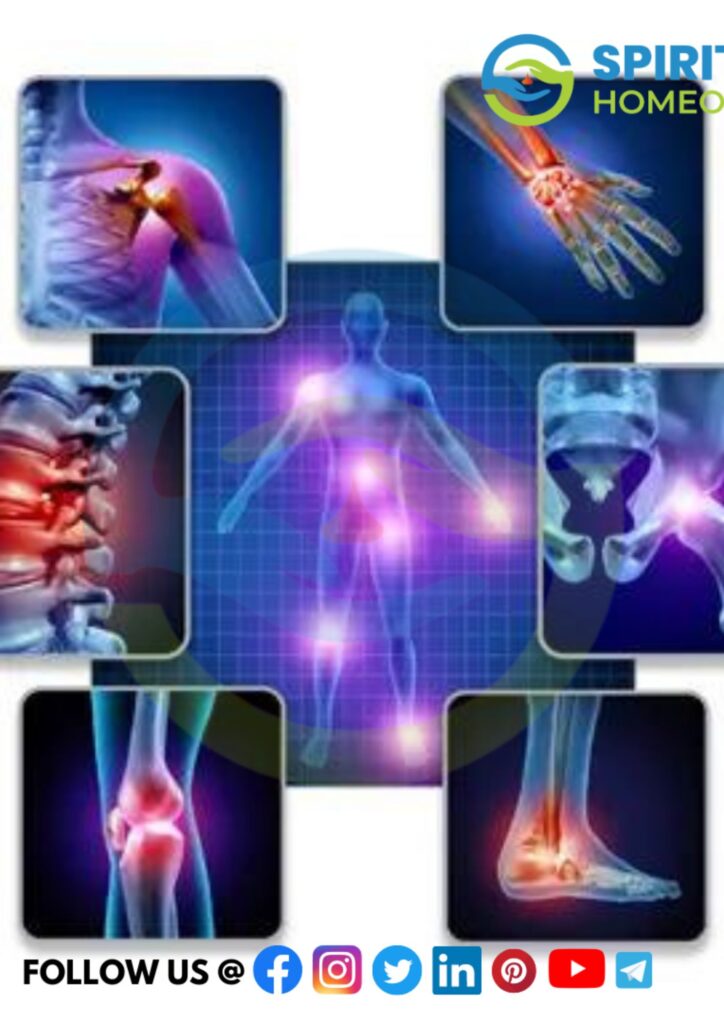
Musculoskeletal pain can be acute, with sudden onset and intense discomfort, or chronic, lasting for weeks, months, or longer. This type of pain may remain localized to a specific area or affect multiple regions of the body, depending on the underlying cause and contributing factors.

The most common form of musculoskeletal pain is lower back pain. Other frequently observed types include:

  • Tendonitis – inflammation of the tendons, often related to repetitive strain

  • Myalgia – muscle pain or soreness, which may occur due to overuse or tension

  • Stress fractures – small cracks in bones caused by repeated stress or overuse

Proper assessment helps differentiate between acute and chronic presentations and supports an individualized care approach. At Spiritual Homeopathy Clinic, consultations are available through multiple branches in Hyderabad, as well as online and international consultation options.

Common Causes of Musculoskeletal Pain

Musculoskeletal pain can arise from a wide range of factors, including acute injuries, repetitive strain, and long-term medical conditions. The most common causes include:

1. Injuries

  • Sprains: Stretching or tearing of ligaments, often due to twisting or overstretching of a joint.

  • Strains: Overuse or overextension of muscles or tendons, leading to microscopic tears or tissue stress.

  • Fractures: Broken bones caused by trauma, accidents, or falls.

  • Dislocations: Displacement of a joint from its normal position, usually following injury.

  • Contusions (Bruises): Soft tissue damage resulting from direct impact or force.

2. Overuse and Repetitive Strain

  • Tendinitis: Inflammation of tendons due to repeated motion, such as tennis elbow or rotator cuff strain.

  • Bursitis: Inflammation of fluid-filled sacs around joints caused by repetitive movements or prolonged pressure.

  • Carpal Tunnel Syndrome: Compression of the median nerve in the wrist, often associated with repetitive hand activities, leading to pain, numbness, or tingling.

3. Degenerative Conditions

  • Osteoarthritis: Degeneration of joint cartilage due to wear and tear, resulting in pain, stiffness, and reduced mobility.

  • Degenerative Disc Disease: Breakdown of spinal discs that may contribute to chronic back pain or nerve compression.

  • Spondylosis: Age-related degeneration of the spine, commonly affecting the neck and lower back.

4. Inflammatory Conditions

  • Rheumatoid Arthritis: An autoimmune condition causing joint inflammation, pain, and potential deformity.

  • Ankylosing Spondylitis: Inflammatory arthritis primarily involving the spine, leading to stiffness and persistent pain.

  • Gout: Arthritis caused by uric acid crystal deposition in joints, often affecting the big toe.

  • Lupus: A systemic autoimmune disease that may cause joint and muscle pain.

5. Postural Issues

  • Poor Posture: Prolonged improper posture can strain muscles and joints, particularly in the neck, shoulders, and lower back.

  • Scoliosis: Abnormal spinal curvature that places uneven stress on muscles and ligaments.

  • Lordosis and Kyphosis: Excessive inward or outward curvature of the spine, contributing to postural imbalance and pain.

6. Nerve Compression or Irritation

  • Sciatica: Compression of the sciatic nerve causing radiating pain from the lower back to the leg.

  • Herniated Disc: Bulging or displaced spinal disc pressing on nearby nerves.

  • Pinched Nerve: Localized nerve compression leading to pain, weakness, or tingling sensations.

7. Autoimmune Diseases

  • Fibromyalgia: A chronic condition characterized by widespread muscle pain, fatigue, and tenderness.

  • Polymyalgia Rheumatica: Inflammatory disorder causing muscle pain and stiffness, especially in the shoulders and hips.

  • Vasculitis: Inflammation of blood vessels that may affect muscles and joints.

8. Infections

  • Septic Arthritis: Infection of a joint causing pain, swelling, and systemic symptoms such as fever.

  • Osteomyelitis: Bone infection that leads to localized pain, swelling, and inflammation.

9. Hormonal Changes

  • Pregnancy: Hormonal and structural changes may contribute to back, pelvic, and joint pain.

  • Menopause: Hormonal shifts can affect bone density and joint health.

  • Thyroid Disorders: Imbalances may lead to muscle pain, weakness, or cramps.

10. Other Conditions

  • Vitamin D Deficiency: Can cause bone pain, muscle weakness, and increased fracture risk.

  • Osteoporosis: Reduced bone density increasing susceptibility to fractures and associated pain.

  • Celiac Disease: Autoimmune response to gluten that may involve joint and muscle discomfort.

Understanding the underlying cause is essential, as musculoskeletal pain often requires an individualized care approach based on symptoms, duration, and overall health status.

Types of Musculoskeletal Pain: Generalized vs. Regional

Musculoskeletal pain is broadly classified into two main types:

  • Generalized Musculoskeletal Pain

  • Regional Musculoskeletal Pain

Regional musculoskeletal pain is among the most common presentations and often develops due to age-related degenerative changes affecting tendons, ligaments, and cartilage, such as osteoarthritis (OA). It may also result from repetitive strain or overuse injuries involving specific joints or muscle groups.

Common Types of Regional Musculoskeletal Pain:

  • Back Pain: Commonly associated with muscle strain, degenerative disc changes, or herniated discs.

  • Cervical (Neck) Pain: Often linked to poor posture, sustained muscle tension, or degenerative changes in the cervical spine.

  • Shoulder Pain: May occur due to rotator cuff strain, tendon inflammation, or bursitis.

  • Elbow Pain: Frequently related to overuse conditions such as tennis elbow or golfer’s elbow.

  • Hand & Wrist Pain: Often caused by repetitive movements, carpal tunnel syndrome, or arthritic changes.

  • Hip Pain: Commonly associated with osteoarthritis, bursitis, or muscle strain.

  • Knee Pain: May result from injury, overuse, or degenerative joint changes.

  • Ankle & Foot Pain: Can occur due to sprains, fractures, or conditions such as plantar fasciitis.

Regional musculoskeletal pain can interfere with daily activities and, if persistent, may progress to long-term discomfort. Identifying whether pain is localized or generalized supports an individualized care approach based on symptom pattern, duration, and functional impact.

Common Symptoms of Musculoskeletal Pain

Musculoskeletal pain symptoms can vary from person to person, but they commonly include the following:

Pain:
A primary symptom that may be localized to a specific area or widespread, ranging from mild discomfort to more intense pain.

Stiffness:
Reduced flexibility or difficulty moving joints or muscles, often associated with inflammation or prolonged inactivity.

Fatigue:
A persistent feeling of tiredness or exhaustion, which may occur due to the body’s ongoing response to pain or discomfort.

Burning Sensation in Muscles:
Frequently reported in conditions involving muscle overuse or tendon inflammation, such as tendinitis.

Sleep Disturbance:
Pain and physical discomfort can interfere with sleep quality, leading to difficulty falling or staying asleep.

Muscle Twitching:
Involuntary muscle spasms or twitching, which may be present in certain musculoskeletal or nerve-related conditions.

If these symptoms become frequent, persistent, or begin to limit daily activities, professional evaluation is advised to understand the underlying cause and guide appropriate care. Consultations are available at Spiritual Homeopathy Clinic through multiple branches in Hyderabad, as well as online and international consultation options.

Diet and Regimen for Managing Musculoskeletal Pain

A well-balanced diet, combined with a consistent regimen of physical activity and self-care practices, can support the management of musculoskeletal pain, help reduce inflammation, support tissue repair, and improve overall mobility. The following dietary and lifestyle measures may assist in maintaining musculoskeletal health.

Diet for Musculoskeletal Pain

1. Anti-Inflammatory Foods

Omega-3 Fatty Acids:
These may help support the body’s natural inflammatory response and are found in fatty fish (such as salmon, mackerel, and sardines), flaxseeds, chia seeds, and walnuts.

Fruits and Vegetables:
A varied intake of fruits and vegetables is important. Berries (blueberries, strawberries, cherries), leafy greens (spinach, kale), and cruciferous vegetables (broccoli, cauliflower) provide antioxidants and essential nutrients.

Turmeric and Ginger:
Commonly used spices that may support inflammatory balance when included regularly in meals, teas, or soups.

Olive Oil:
Extra virgin olive oil contains naturally occurring compounds that may support joint and tissue health when used as part of a balanced diet.

2. Bone and Joint Health

Bone Broth:
Provides collagen and amino acids that support connective tissues such as joints, tendons, and ligaments.

Leafy Greens and Cruciferous Vegetables:
Foods like kale, broccoli, bok choy, and collard greens supply calcium, magnesium, and vitamin K, which are important for bone strength.

Nuts and Seeds:
Almonds, flaxseeds, chia seeds, and sunflower seeds are sources of magnesium, which may help with muscle function.

Dairy or Dairy Alternatives:
Milk, yogurt, cheese, and fortified plant-based alternatives contribute calcium and vitamin D to support bone health.

3. Muscle Recovery and Protein

Lean Protein:
Sources such as poultry, fish, lentils, beans, chickpeas, and tofu help support muscle maintenance and recovery.

Eggs:
Contain essential amino acids that assist with muscle tissue repair.

Whole Grains:
Quinoa, oats, brown rice, and whole wheat provide sustained energy and support recovery after physical activity.

4. Hydration

Adequate hydration helps maintain muscle and joint function. Drinking water regularly throughout the day is recommended.

Herbal Teas:
Options such as chamomile or green tea may support relaxation and general well-being.


Regimen for Musculoskeletal Pain

1. Regular Exercise and Physical Activity

Stretching:
Gentle stretching helps maintain flexibility and may reduce muscle stiffness when practiced regularly.

Strengthening Exercises:
Strengthening the muscles around affected joints can improve support and stability. Exercises may include bodyweight movements or resistance-based activities, as appropriate.

Low-Impact Cardio:
Walking, swimming, and cycling help promote circulation while being easier on the joints.

Yoga or Pilates:
These practices can support flexibility, posture, and muscle balance, and may help reduce physical tension.

2. Joint Mobility Exercises

Range-of-Motion Movements:
Simple movements such as shoulder rolls, wrist circles, and ankle rotations help maintain joint mobility.

Physical Therapy:
In cases of significant discomfort, structured guidance from a trained professional may be beneficial.

3. Posture Correction and Ergonomics

Posture Awareness:
Maintaining proper posture during daily activities helps reduce strain on muscles and joints, particularly in the neck, shoulders, and back.

Ergonomic Workspace Setup:
An ergonomically arranged workstation, along with regular movement breaks, can help minimize strain during prolonged sitting.

4. Self-Care Practices

Heat and Cold Therapy:
Cold applications may help with swelling, while heat can support muscle relaxation and circulation.

Massage Therapy:
Gentle massage may help ease muscle tightness and improve circulation.

Mindfulness and Relaxation Techniques:
Practices such as deep breathing or meditation can help manage stress, which may influence pain perception.

Dietary and regimen recommendations may vary based on age, activity level, and underlying health conditions, and should be adapted to individual needs under professional guidance.

Yoga and Lifestyle Practices for Musculoskeletal Pain

Yoga and gentle lifestyle practices can play a supportive role in maintaining flexibility, improving posture, and easing muscle tension associated with musculoskeletal discomfort. These practices are intended to complement medical care and should be performed within individual comfort limits.

1. Cat–Cow Pose (Marjaryasana–Bitilasana)

Benefits:
This dynamic movement helps mobilize the spine, improve flexibility, and reduce stiffness in the back, neck, and shoulders.

How to do it:
Start on all fours with wrists aligned under the shoulders and knees under the hips.
Inhale as you drop your belly toward the floor, lifting the chest and tailbone (Cow pose).
Exhale as you round the spine, gently tucking the chin toward the chest (Cat pose).
Repeat for 5–10 slow, controlled rounds.


2. Child’s Pose (Balasana)

Benefits:
A restorative posture that gently stretches the back, hips, and knees, helping to relieve spinal and muscular tension.

How to do it:
Begin on hands and knees with big toes together and knees slightly apart.
Sit back onto the heels and lower the chest toward the floor.
Extend the arms forward or rest them alongside the body, keeping the forehead supported.
Hold for 30 seconds to 1 minute with steady breathing.


3. Downward-Facing Dog (Adho Mukha Svanasana)

Benefits:
Provides a full-body stretch that may help reduce tension in the back, shoulders, and hamstrings while engaging multiple muscle groups.

How to do it:
Start on all fours, hands shoulder-width apart.
Lift the hips upward to form an inverted “V” shape.
Keep the spine long and head aligned with the arms.
Hold for 20–30 seconds, breathing comfortably.


4. Bridge Pose (Setu Bandhasana)

Benefits:
Supports strengthening of the lower back, gluteal muscles, and legs, while gently stretching the chest and spine.

How to do it:
Lie on your back with knees bent and feet flat on the floor.
Press the feet down and lift the hips upward, keeping shoulders relaxed on the mat.
Hold for 15–30 seconds, then lower slowly.


5. Warrior I (Virabhadrasana I)

Benefits:
A standing posture that improves stability and strength in the legs while opening the hips, chest, and shoulders.

How to do it:
From standing, step one foot back and bend the front knee.
Turn the back foot slightly outward and raise the arms overhead.
Hold for 20–30 seconds before switching sides.


6. Seated Forward Fold (Paschimottanasana)

Benefits:
Helps stretch the hamstrings, calves, and lower back, supporting flexibility and muscle relaxation.

How to do it:
Sit with legs extended forward.
Inhale to lengthen the spine, then hinge forward gently from the hips while exhaling.
Hold for 30 seconds to 1 minute without strain.


7. Spinal Twist (Ardha Matsyendrasana)

Benefits:
Encourages spinal mobility and may help reduce stiffness in the lower back and hips.

How to do it:
Sit with legs extended, bend one knee, and place the foot outside the opposite thigh.
Lengthen the spine on inhalation and rotate gently on exhalation.
Hold for 20–30 seconds on each side.


8. Legs Up the Wall Pose (Viparita Karani)

Benefits:
A restorative posture that supports relaxation, circulation, and relief from muscle fatigue.

How to do it:
Lie on your back with legs extended upward against a wall.
Relax the arms by the sides and focus on slow breathing.
Hold for 5–10 minutes.


9. Sphinx Pose (Salamba Bhujangasana)

Benefits:
A mild backbend that stretches the spine and chest while engaging the lower back muscles.

How to do it:
Lie on the abdomen with elbows placed under the shoulders.
Gently lift the chest while keeping the pelvis grounded.
Hold for 20–30 seconds with steady breathing.


10. Corpse Pose (Savasana)

Benefits:
Promotes overall relaxation and helps release residual muscle tension.

How to do it:
Lie flat on the back with arms relaxed by the sides.
Close the eyes and focus on calm, even breathing.
Remain in this pose for 5–10 minutes.


These yoga practices should be performed gently and may need modification based on individual pain levels, physical condition, and medical history. If discomfort persists or worsens, professional consultation is advised. Supportive guidance is available through Spiritual Homeopathy Clinic across multiple branches in Hyderabad, with options for online and international consultations.

🌿 Why Choose Homeopathy?

Homeopathy is a system of healthcare that focuses on understanding the individual as a whole rather than addressing symptoms alone. It aims to support the body’s natural regulatory mechanisms through a personalized approach, taking into account physical symptoms, emotional factors, and overall health status.

This method is commonly used across different age groups and may be considered as part of long-term health management under professional supervision.


🌟 Spiritual Homeopathy Clinic: Care with an Individualized Approach

At Spiritual Homeopathy Clinic, the focus is on providing structured, patient-centered care through classical homeopathic principles supported by clinical assessment. The approach emphasizes understanding contributing factors to illness and planning care accordingly.

Consultations are available across multiple branches in Hyderabad, as well as through online and international consultation options, allowing continuity of care for patients unable to attend in person.


💫 Approach to Care at Spiritual Homeopathy Clinic

The clinic follows a structured process that prioritizes clarity, consistency, and individualized attention:

  • Individualized Assessment: Health concerns are evaluated in detail, considering medical history, lifestyle factors, and symptom patterns.

  • Personalized Care Planning: Care plans are adapted to individual needs and may evolve based on response and follow-up findings.

  • Professional Guidance: Consultations are conducted by qualified homeopathy practitioners with clinical experience in managing both acute and chronic conditions.

This approach supports long-term management rather than symptom-focused care alone.


🔍 Consultation Process

🩺 1. Detailed Initial Consultation

Each consultation involves a structured discussion of current concerns, medical background, daily routine, and relevant physical or emotional factors. This helps in forming an individualized care plan.

🔄 2. Follow-Up and Monitoring

Periodic follow-ups are used to review symptom changes, functional improvement, and overall well-being. Adjustments are made based on clinical evaluation and patient feedback.


❤️ Commitment to Patient Care

Spiritual Homeopathy Clinic emphasizes ethical practice, clear communication, and medically responsible care. The goal is to support patients through informed decision-making and consistent professional guidance.

For consultation details or appointment scheduling.

When to Consult

You should consult a healthcare professional if musculoskeletal pain becomes frequent, persistent, or begins to interfere with daily activities, mobility, or sleep. Early evaluation helps identify contributing factors and supports appropriate long-term management.

Seek consultation if you experience:

  • Recurrent or long-lasting muscle or joint pain

  • Stiffness or reduced range of motion affecting daily tasks

  • Pain associated with swelling, tenderness, or warmth in joints

  • Discomfort that worsens with movement or at rest

  • Pain that disturbs sleep or limits physical activity

  • Symptoms not improving with basic rest, exercise, or lifestyle measures

At Spiritual Homeopathy Clinic, consultations are available at multiple branches in Hyderabad, including Kukatpally, Chandanagar, Dilsukhnagar, and Nallagandla. In-clinic, online, and international consultations are offered to support patients who may not be able to visit in person. A professional assessment helps guide an individualized care approach based on symptoms, physical findings, and overall health status.

For appointments or consultation guidance, contact 9069 176 176.

FAQ

1. What is musculoskeletal pain?

Musculoskeletal pain refers to discomfort or pain affecting the muscles, bones, joints, ligaments, tendons, and sometimes associated nerves. It may range from mild soreness to more persistent pain and can be acute (short-term) or chronic (long-lasting) depending on the cause.


2. What are the common causes of musculoskeletal pain?

Common causes include:

  • Injuries such as sprains, strains, or fractures

  • Overuse or repetitive movements (for example, tendinitis or bursitis)

  • Degenerative conditions like osteoarthritis or degenerative disc changes

  • Inflammatory conditions such as rheumatoid arthritis or ankylosing spondylitis

  • Postural problems including prolonged poor posture or spinal curvature

  • Nerve compression, such as sciatica or disc-related irritation

Understanding the underlying cause is important for planning individualized care.


3. How can musculoskeletal pain be prevented?

Preventive measures may include:

  • Maintaining proper posture during daily activities

  • Engaging in regular physical activity that supports strength and flexibility

  • Avoiding repetitive strain and taking breaks during prolonged tasks

  • Using ergonomic seating or work setups

  • Incorporating stretching and mobility exercises into routine activities


4. What are the common symptoms of musculoskeletal pain?

Symptoms may vary but often include:

  • Localized or widespread pain

  • Stiffness in muscles or joints

  • Fatigue or reduced endurance

  • Muscle spasms or twitching

  • Burning or aching sensations

  • Difficulty moving the affected area

If symptoms are frequent, worsening, or interfere with daily activities, medical consultation is advised.


5. How is musculoskeletal pain evaluated?

Assessment is usually based on:

  • Review of medical history and symptom patterns

  • Physical examination to assess movement, tenderness, and function

  • Investigations such as imaging or laboratory tests, when clinically indicated

This helps identify contributing factors and rule out underlying conditions.


6. What are the general approaches to managing musculoskeletal pain?

Management may include:

  • Lifestyle and activity modification

  • Structured physical therapy or guided exercises

  • Supportive measures such as heat or cold application

  • Manual therapies aimed at reducing muscle tension

The approach depends on the nature, severity, and duration of pain.


7. Can musculoskeletal pain be managed at home?

Mild or occasional musculoskeletal pain may improve with rest, activity modification, gentle stretching, and supportive self-care measures. However, persistent or worsening pain should be evaluated by a healthcare professional.


8. Can yoga help with musculoskeletal pain?

Yoga may support flexibility, posture, muscle strength, and relaxation. Gentle, guided practices can be useful as part of a supportive care plan. Yoga should not replace medical evaluation, especially in cases of significant pain or injury.


9. When should I consult a doctor for musculoskeletal pain?

Medical consultation is recommended if:

  • Pain lasts for several weeks or continues to worsen

  • There is swelling, deformity, or limited joint movement

  • Numbness, tingling, or weakness is present

  • Pain interferes with sleep, work, or daily activities


10. Can musculoskeletal pain be associated with other health conditions?

Yes, it may be linked with conditions such as:

  • Fibromyalgia, causing widespread muscle pain

  • Inflammatory joint disorders like rheumatoid arthritis

  • Osteoporosis, increasing fracture risk

  • Hormonal or metabolic conditions affecting muscles and bones


11. How can exercise help with musculoskeletal pain?

Regular, appropriate exercise can help by:

  • Strengthening muscles that support joints

  • Improving flexibility and range of motion

  • Enhancing circulation and tissue recovery

  • Supporting overall physical function

Exercise plans should be adapted to individual comfort and condition.


12. What types of exercise are generally suitable?

Low-impact activities are often preferred, such as:

  • Walking or gentle aerobic activity

  • Swimming or water-based exercises

  • Yoga or Pilates for flexibility and posture

  • Light strength training under guidance


13. Can diet play a role in managing musculoskeletal pain?

A balanced diet may support musculoskeletal health by:

  • Providing nutrients that support bone and muscle function

  • Helping manage inflammation through adequate intake of fruits, vegetables, and healthy fats

  • Supporting tissue repair and overall energy levels

Dietary recommendations may vary based on individual health needs.