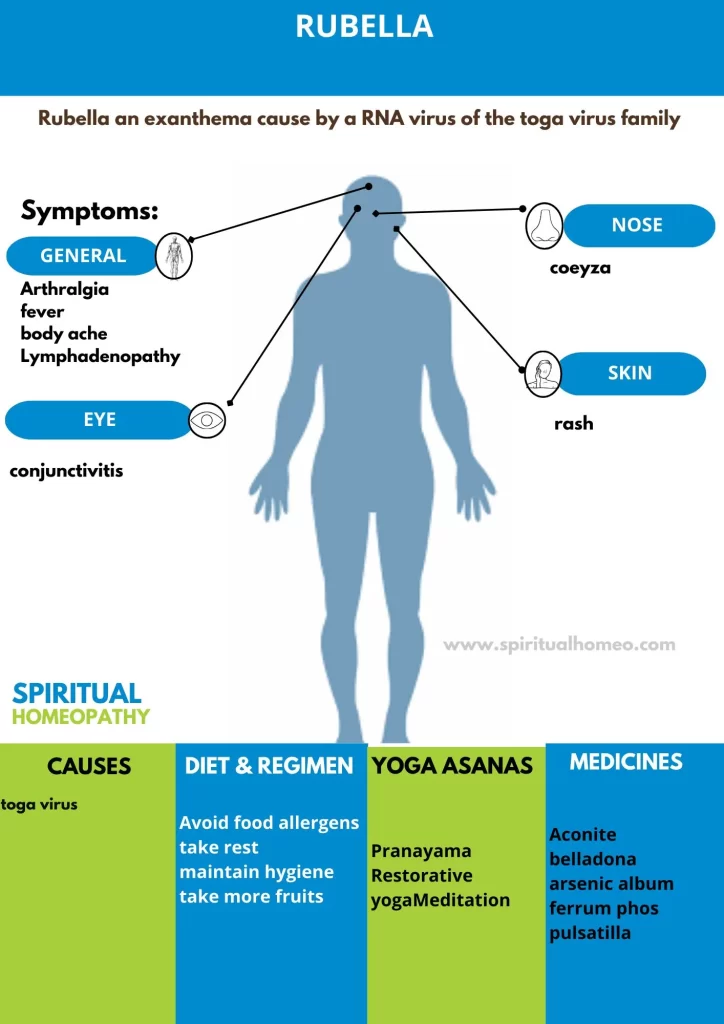
Types of Rubella: Forms, Presentation, and Impact
Rubella, also known as German measles, is a contagious viral infection that typically causes a red rash, mild fever, and swollen lymph nodes. While rubella does not have distinct clinical “types” like some other diseases, it can present differently based on age, pregnancy status, immune status, and prior exposure. Below is an overview of the commonly recognized forms and presentations of rubella.
1. Rubella in Children and Adults (Classic Rubella)
This is the most common presentation of rubella and mainly affects individuals who have not developed immunity through prior exposure.
Common Symptoms:
Mild fever (usually low-grade)
Rash that begins on the face and spreads to the body
Swollen lymph nodes, especially behind the ears and neck
Joint pain, more commonly seen in adult females
Mild cold-like symptoms such as runny nose or cough
Duration: Usually lasts about 3 days
Transmission: Spreads through respiratory droplets from coughing or sneezing
2. Congenital Rubella Syndrome (CRS)
This more serious form occurs when a pregnant woman becomes infected with rubella, particularly during the first trimester. The virus can cross the placenta and affect fetal development.
Possible Features in Infants:
Hearing impairment
Heart-related abnormalities
Eye-related complications
Developmental delays
Low birth weight and growth concerns
Liver or spleen involvement
Purplish skin spots sometimes described as a “blueberry muffin” rash
Impact: The risk of complications is higher when infection occurs early in pregnancy, highlighting the importance of timely medical evaluation and monitoring.
3. Rubella During Pregnancy
Rubella infection during pregnancy requires careful medical attention due to potential risks to the developing fetus.
Symptoms in Pregnant Women:
Mild rash and fever
Joint pain or stiffness, especially in hands and knees
In some cases, symptoms may be minimal or absent
Potential Risks to the Baby:
Early consultation helps assess risk and plan appropriate care based on individual circumstances.
4. Rubella in Individuals with Prior Immunity
In populations with prior immunity, rubella infection is uncommon. If it occurs, symptoms are generally mild or absent.
Possible Features:
Such cases are usually identified through clinical evaluation and, when needed, laboratory support.
5. Rubella-Like Illnesses (Conditions with Similar Presentation)
Several other viral or bacterial infections may resemble rubella due to similar rash and fever patterns.
Common Conditions That May Mimic Rubella:
Important Note: Proper clinical assessment is essential to distinguish rubella from these conditions and guide appropriate management.