
Asthma is a long-term respiratory condition that causes inflammation in the airways of the lungs, leading to narrowing, swelling, and increased mucus production.
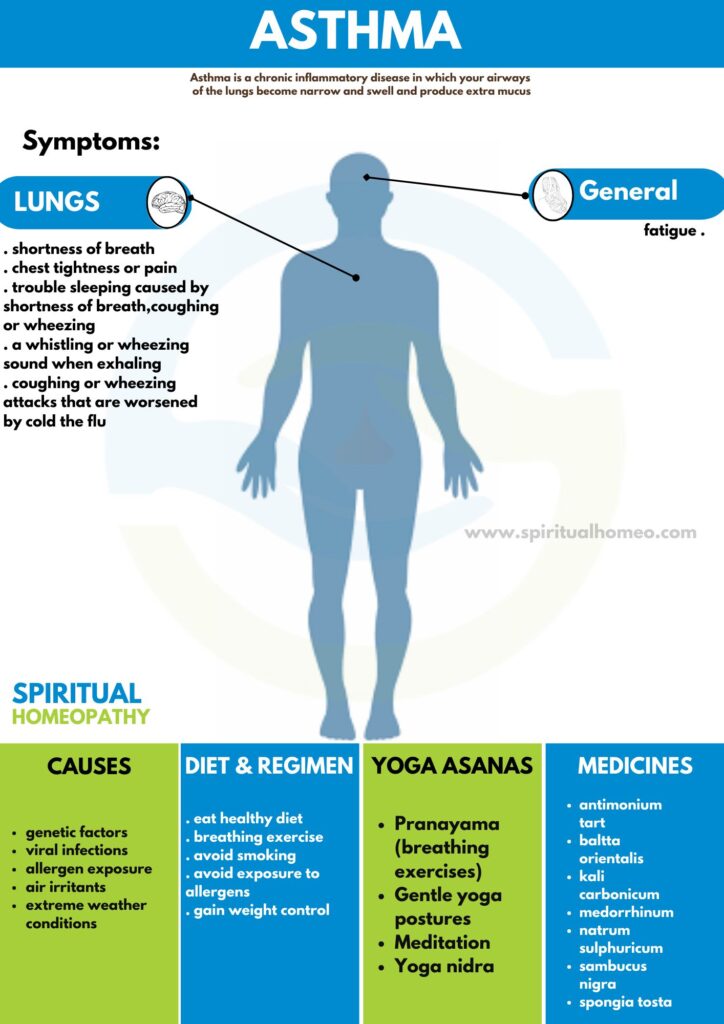
Asthma is a chronic inflammatory condition affecting the airways in the lungs, involving various cells and cellular components. This inflammation leads to airway hyper-responsiveness, resulting in episodes of wheezing, breathlessness, chest tightness, and coughing, often worse at night or early in the morning.
Currently, asthma affects approximately 300 million people worldwide, with an additional 100 million expected by 2025. While genetics play a role in its development, environmental factors are also significant in triggering and worsening symptoms.
Consultation Note: Spiritual Homeopathy Clinic offers care for asthma through in-clinic, online, and international consultations across multiple Hyderabad branches.
Asthma does not have a single identified cause and is believed to develop due to a combination of genetic and environmental factors. Several factors can contribute to the development of asthma, including:
Genetics:
If one or both parents have asthma, there is a higher likelihood of developing the condition, indicating a hereditary component.
History of Viral Infections:
Individuals who experienced viral infections during childhood, particularly those affecting the respiratory system, may have an increased risk of asthma later in life.
Hygiene Hypothesis:
This theory suggests that limited exposure to bacteria during early childhood may result in an underdeveloped immune system, increasing susceptibility to asthma and other conditions.
Early Allergen Exposure:
Frequent exposure to allergens and irritants in childhood, such as dust, mold, or pet dander, can raise the risk of developing asthma.
In addition to underlying causes, certain conditions and environments can trigger asthma symptoms or attacks. These include:
Respiratory Illnesses: Flu, colds, or pneumonia can provoke asthma attacks or worsen symptoms.
Exercise: Vigorous physical activity may cause breathing difficulty in some individuals with asthma.
Airborne Irritants: Smoke, chemical fumes, and strong odors can aggravate asthma symptoms.
Allergens: Animal dander, pollen, dust mites, and mold may trigger symptoms in sensitive individuals.
Extreme Weather Conditions: High humidity, cold air, or sudden changes in weather can make breathing more difficult.
Emotions: Strong emotions such as laughing, crying, or shouting may sometimes provoke asthma attacks by affecting breathing patterns.
Understanding these causes and triggers can help manage and reduce asthma symptoms effectively. A professional consultation is recommended to identify personal triggers and plan individualized care.
Asthma is a chronic respiratory condition with various types, and several factors can increase the likelihood of developing it. Understanding these types helps in managing asthma effectively and planning appropriate care.
Genetics: Having a parent or sibling with asthma increases the likelihood of developing the condition.
Allergic Conditions: A history of allergies, such as atopic dermatitis or allergic rhinitis (hay fever), can increase risk.
Body Weight: Being overweight may contribute to asthma development or worsen symptoms.
Smoking or Secondhand Smoke Exposure: Tobacco smoke exposure is linked to higher asthma risk.
Environmental Pollutants: Air pollution, exhaust fumes, and other environmental irritants may trigger symptoms.
Occupational Triggers: Exposure to workplace irritants such as chemicals, animal proteins, or dust can provoke asthma episodes.
Understanding these factors helps guide individualized care for each patient.
Bronchial Asthma (Most Common): Affects the bronchi in the lungs, causing airway narrowing and difficulty in breathing.
Allergic Asthma (Extrinsic Asthma): Triggered by allergens such as:
Pet dander (cats, dogs)
Pollen
Dust mites
Mold
Allergic asthma is often seasonal and linked to specific environmental exposures.
Non-Allergic Asthma (Intrinsic Asthma): Triggered by irritants in the air, including:
Cigarette smoke
Cold air
Pollution
Chemical fumes
Household products like air fresheners or cleaning agents
Occupational Asthma: Caused by workplace irritants such as dust, gases, fumes, industrial chemicals, or animal proteins. Common in industries like farming, textiles, woodworking, and manufacturing.
Exercise-Induced Bronchoconstriction (EIB): Occurs during or shortly after physical activity, lasting up to 15 minutes. Can affect many people with asthma, even without other symptoms.
Nocturnal Asthma: Symptoms worsen at night. Triggers may include dust mites, pet dander, or acid reflux, along with natural variations in the sleep cycle.
Cough-Variant Asthma (CVA): Characterized by a persistent dry cough rather than classic wheezing or shortness of breath. May progress to typical asthma over time.
Status Asthmaticus: A medical emergency with prolonged asthma attacks that do not respond to standard treatments. Immediate medical attention is required.
Asthma in Children: Symptoms vary between episodes and may include:
Frequent coughing during play, laughter, or at night
Shortness of breath or fatigue
Wheezing (whistling sound when breathing)
Retractions or seesaw motions of the chest due to labored breathing
Aspirin-Induced Asthma: Some individuals experience asthma symptoms when taking aspirin, often accompanied by runny nose, sneezing, or sinus pressure.
Shortness of breath
Chest tightness or discomfort
Coughing or wheezing, especially at night or early morning
Difficulty sleeping due to breathing problems
Whistling or wheezing when exhaling (common in children)
Signs of Worsening Asthma:
Frequent asthma symptoms or attacks
Increasing difficulty breathing
Greater reliance on quick-relief inhalers
Flare-ups triggered by exercise, allergens, or pollutants
Note: If symptoms are frequent or severe, consultation with a healthcare provider is advised.
Asthma symptoms can sometimes resemble colds or unresolved chest infections. Regular monitoring and a personalized treatment plan can help manage symptoms and improve quality of life. Identifying triggers and working with healthcare providers, including through in-clinic, online, or international consultations at Spiritual Homeopathy Clinic, is essential for effective long-term care and better respiratory health.
Asthma symptoms can vary among individuals and may flare in specific situations or environments. Understanding triggers and early signs is important for management.
Exercise-Induced Asthma: Symptoms may worsen in cold, dry air or during intense physical activity.
Occupational Asthma: Triggered by workplace irritants such as chemical fumes, dust, or gases.
Allergy-Induced Asthma: Often triggered by airborne allergens, including pollen, mold, dust mites, pet dander, and cockroach waste.
Other Common Triggers: Viral infections, exposure to pollutants, and sudden weather changes can also provoke symptoms.
Asthma is sometimes mistaken for a prolonged cold or chest infection, particularly when symptoms last more than 10 days.
Wheezing: High-pitched whistling sound, especially during exhalation
Shortness of Breath: Difficulty breathing during activity or at night
Chest Tightness: Pressure or constriction in the chest
Coughing: Often worse at night or early morning
Note: Frequent or severe symptoms should prompt consultation with a healthcare provider.
Between Attacks: Examination may appear normal.
Mild Episodes: Prolonged end-expiratory wheezing may be observed.
Moderate Episodes: Use of accessory muscles such as the sternocleidomastoid and scalene muscles.
Severe Episodes: Tripod position may be adopted to aid breathing; wheezing is more pronounced.
Imminent Respiratory Failure: Wheezing and breath sounds may be absent (“silent chest”), requiring immediate medical attention.
Vitals: Increased heart and respiratory rate; decreased blood pressure in severe episodes
Skin: Sweating, cyanosis (bluish coloration indicating low oxygen)
Eyes: Conjunctival congestion due to associated allergic rhinitis
Nose: Transverse crease from constant rubbing; pale, swollen nasal mucosa
FeNO Test: Measures exhaled nitric oxide, indicating airway inflammation.
Spirometry: Assesses lung function by measuring how much and how quickly air can be exhaled.
Peak Flow Test: Tracks airflow to monitor asthma over time.
Additional Tests: Methacholine challenge, allergy testing, sputum eosinophils, and imaging (X-ray or CT) may be used to confirm diagnosis or rule out other conditions.
Mild Intermittent: Symptoms up to twice a week; night symptoms up to twice a month
Mild Persistent: Symptoms more than twice a week, but not daily
Moderate Persistent: Daily symptoms; night episodes more than once per week
Severe Persistent: Continuous day and night symptoms affecting daily activities
Asthma shares features with other conditions:
COPD
Congestive heart failure
GERD
Mechanical airway obstruction (tumors, foreign bodies)
Vocal cord dysfunction
Rare causes: Pulmonary embolism, pulmonary infiltrates with eosinophilia, certain medications (e.g., ACE inhibitors)
Asthma Action Plan: Follow a personalized plan for monitoring and managing symptoms.
Vaccinations: Influenza and pneumonia vaccines help prevent respiratory infections that may trigger asthma.
Avoid Triggers: Identify and reduce exposure to allergens, irritants, and pollutants.
Monitor Symptoms: Regularly track breathing and symptoms.
Homeopathic Treatment: Spiritual Homeopathy Clinic provides individualized care based on a thorough case analysis, addressing contributing factors and supporting long-term symptom management.
By understanding asthma triggers, symptoms, and diagnostics, individuals can better manage the condition and improve quality of life through a structured and professional approach. Consultation is available at multiple Hyderabad branches, as well as online and international consultations.
A balanced diet can support asthma management and overall lung health. Certain foods may help improve asthma control, while others can worsen symptoms.
Vitamin D-Rich Foods:
Vitamin D has anti-inflammatory properties that may help reduce asthma flare-ups. Include foods such as:
Milk
Eggs
Fortified cereals
Fatty fish (salmon, mackerel)
Beta-Carotene-Rich Vegetables:
Beta-carotene is an antioxidant that supports immune function and reduces inflammation. Consider adding:
Carrots
Sweet potatoes
Spinach
Kale
Broccoli
Magnesium-Rich Foods:
Magnesium supports healthy lung function and may help prevent bronchospasm. Include:
Spinach
Pumpkin seeds
Almonds
Avocados
Bananas
Sulfites:
Found in wine, dried fruits, and some processed foods, sulfites can trigger asthma in sensitive individuals. Limit or avoid:
Wine and beer
Dried fruits (raisins, apricots, prunes)
Packaged snacks containing sulfites
Gas-Producing Foods:
Bloating and gas may worsen asthma symptoms. Limit:
Beans and lentils
Cabbage
Onions
Cruciferous vegetables (e.g., broccoli, cauliflower)
Artificial Ingredients:
Some individuals may react to artificial additives, which can irritate airways. Avoid:
Chemical preservatives
Artificial flavorings
Artificial colorings
Note: Choosing the right foods can help support respiratory health and reduce the frequency of asthma flare-ups. Dietary guidance may vary for each individual, and consultation with a healthcare provider or nutritionist is recommended.
Yoga can complement asthma management by improving lung function, strengthening respiratory muscles, reducing stress, and supporting overall well-being. Certain yoga postures (asanas) help expand the chest, enhance oxygen intake, and may reduce asthma symptoms.
Ujjayi Pranayama (Victorious Breath):
Sit comfortably with a straight spine.
Inhale through your nose, constricting the back of your throat to create a gentle hissing sound.
Exhale through your nose with the same sound.
Repeat for 5–10 minutes, focusing on controlled, deep breathing.
Anulom Vilom (Alternate Nostril Breathing):
Sit cross-legged comfortably.
Close your right nostril with your right thumb, inhale deeply through the left nostril.
Close the left nostril with your ring finger, exhale through the right nostril.
Inhale through the right, close it, and exhale through the left.
Repeat for 5–10 minutes to improve airflow and balance the body.
Lie on your stomach, legs extended, tops of feet on the floor.
Place hands under shoulders, elbows close to the body.
Lift chest and head by pressing into your hands, arching the back slightly.
Hold 20–30 seconds, repeat 3–5 times to expand the chest and improve breathing.
Lie on your back, knees bent, feet hip-width apart.
Press feet into the floor, lift hips, and bring chest toward the chin.
Clasp hands under your back and press arms into the floor.
Hold 20–30 seconds, repeat 3–5 times to open the chest and support lung function.
Stand tall, feet together, arms by your sides.
Stretch arms overhead with palms facing each other, lift chest, engage legs.
Hold 30–60 seconds, breathing deeply, to improve posture and lung capacity.
Start in tabletop position, wrists under shoulders, knees under hips.
Tuck toes, lift hips up and back, straighten arms and legs.
Press heels toward the floor and chest toward thighs.
Hold 30–60 seconds, breathing deeply, to stretch the chest and improve circulation.
Sit sideways against a wall, lie back, and swing legs up along the wall.
Keep hips close to the wall, arms relaxed by your sides.
Breathe deeply and remain 5–10 minutes to calm the nervous system and reduce stress.
Stand with legs wide apart.
Turn right foot out 90°, left foot slightly in.
Extend arms to the sides, bend at the hips, right hand toward ankle or block, left arm upward.
Look at left hand, hold 30 seconds, then switch sides to expand the chest and sides of the body.
Stand with feet wide apart, right foot out 90°, left slightly in.
Bend right knee, align with ankle.
Extend arms parallel to the floor, palms down, look over right hand.
Hold 30 seconds, then switch sides to strengthen the chest and respiratory endurance.
Sit with legs extended.
Bring soles of feet together, knees outward.
Hold feet with hands, sit tall, open chest.
Take deep, slow breaths, holding 30–60 seconds to improve airflow.
At Spiritual Homeopathy Clinic, we provide an individualized approach to managing asthma, combining traditional homeopathic principles with an understanding of the physical, emotional, and environmental factors affecting health. Our experienced practitioners offer personalized care to address not only the physical symptoms but also underlying factors that may contribute to asthma, aiming to improve overall well-being. Consultations are available at multiple Hyderabad branches, as well as online and international consultations.
Homeopathic treatment focuses on the unique symptoms and imbalances of each individual. Common asthma manifestations include:
Difficulty breathing
Wheezing
Coughing
Chest tightness
Treatment is tailored to each person’s constitution, emotional state, and environmental triggers, offering a holistic approach to asthma management.
Environmental Factors:
Many asthma triggers are environmental, such as allergens, cold air, or seasonal changes. Homeopathic remedies are selected to help the body respond more effectively to these factors.
Emotional and Mental States:
Stress, anxiety, or emotional strain can exacerbate asthma symptoms. Homeopathy considers these elements to provide a balanced and comprehensive approach to care.
Symptom Patterns:
Asthma symptoms often follow specific patterns, such as attacks at night or after exertion. Treatment plans are adjusted according to the timing, frequency, and intensity of symptoms for better individualized care.
In addition to homeopathic remedies, certain postures and lifestyle practices can help alleviate symptoms:
Sitting with Head Bent Forward: Reduces chest tightness and supports easier breathing, especially during attacks.
Leaning Backward: Helps open the chest and improve airflow.
Lying Down: Certain positions, like lying on the back or right side, can promote comfort during breathing difficulties.
Breathing Exercises: Deep, slow breathing, yoga, or mindfulness practices can strengthen lung function and reduce the frequency of asthma episodes.
Follow-up consultations are essential to monitor progress and adjust treatment based on changes in symptoms or environmental exposures. Our team provides continuous guidance to ensure that care remains individualized and responsive to your needs.
At Spiritual Homeopathy Clinic, we focus on compassionate, personalized care for asthma and other health concerns. Our holistic approach aims to restore balance to the mind, body, and spirit while supporting overall respiratory health. Consultations are available in Hyderabad, online, and internationally to help you receive continuous, individualized support.
Disclaimer: Homeopathic remedies should be used under the guidance of a registered homeopathic practitioner. This content is for educational purposes and does not replace professional medical advice. Always consult a qualified homeopath before starting treatment.
You should consult a healthcare professional if asthma symptoms become frequent, severe, or start affecting daily activities or sleep. Early evaluation helps identify triggers, manage symptoms effectively, and reduce the risk of complications.
Seek consultation if you experience:
Frequent wheezing or shortness of breath
Persistent chest tightness or pressure
Coughing, especially at night or early morning
Difficulty breathing during physical activity
Symptoms that worsen with allergens, pollution, or respiratory infections
Symptoms not improving with lifestyle adjustments
At Spiritual Homeopathy Clinic, consultations are available at multiple branches in Hyderabad, including Kukatpally, Chandanagar, Dilsukhnagar, and Nallagandla. Online and international consultations are also available for patients unable to visit in person. A professional assessment supports an individualized care approach based on your symptoms, triggers, and overall health.
For appointments or guidance, contact 9069 176 176.
Asthma is a chronic respiratory condition that causes inflammation and narrowing of the airways in the lungs. Increased mucus production can further obstruct airflow, leading to symptoms such as wheezing, coughing, chest tightness, and difficulty breathing. At Spiritual Homeopathy Clinic, individualized assessments are available at multiple Hyderabad branches, as well as online and international consultations.
Asthma symptoms can vary in intensity and frequency. Common signs include:
Shortness of breath: Difficulty breathing, especially during physical activity or at night.
Chest tightness or discomfort: A feeling of pressure or constriction in the chest.
Coughing or wheezing: Persistent cough, often worse in the early morning or at night.
Whistling sound while breathing: A high-pitched sound during exhalation caused by narrowed airways.
Difficulty breathing during attacks: Feeling unable to get enough air during an asthma episode.
If symptoms are frequent, worsening, or interfere with daily activities, consult a healthcare professional promptly.
Asthma can develop due to a combination of genetic, environmental, and lifestyle factors. Common contributors include:
Genetics: Family history of asthma or other allergic conditions.
Viral infections: Respiratory infections in childhood can trigger or worsen asthma.
Early allergen exposure: Dust, mold, pollen, or pet dander exposure at a young age.
Respiratory illnesses: Conditions like colds or flu can aggravate symptoms.
Exercise: Physical exertion, especially in cold or dry air, may trigger episodes.
Airborne irritants: Smoke, pollution, chemical fumes, or strong odors.
Allergens: Pollen, dust mites, animal dander, and other common allergens.
Weather changes: High humidity, extreme temperatures, or sudden weather shifts.
Emotional triggers: Strong emotions like laughing, crying, or shouting can sometimes precipitate attacks.
Identifying triggers is essential for effective asthma management. A personalized care plan from homeopathic practitioners can help address these factors and support long-term symptom control.
Management of asthma involves monitoring symptoms, avoiding triggers, and following an individualized treatment plan. Homeopathic treatment focuses on:
Tailoring remedies to your unique symptoms and overall constitution.
Supporting long-term respiratory health and reducing attack frequency.
Integrating lifestyle adjustments, breathing techniques, and environmental considerations.
Regular follow-up with qualified healthcare providers, including homeopathic practitioners, is recommended for ongoing care and monitoring.
WhatsApp us