
Bipolar disorder, also known as bipolar affective disorder or manic-depressive illness, is a mental health condition marked by extreme mood swings that include emotional highs (mania or hypomania) and lows (bipolar depression). These mood shifts can be severe enough to cause significant distress, disrupt daily life, and impair social or occupational functioning. Importantly, these episodes are not caused by substance use or any known physical illness.
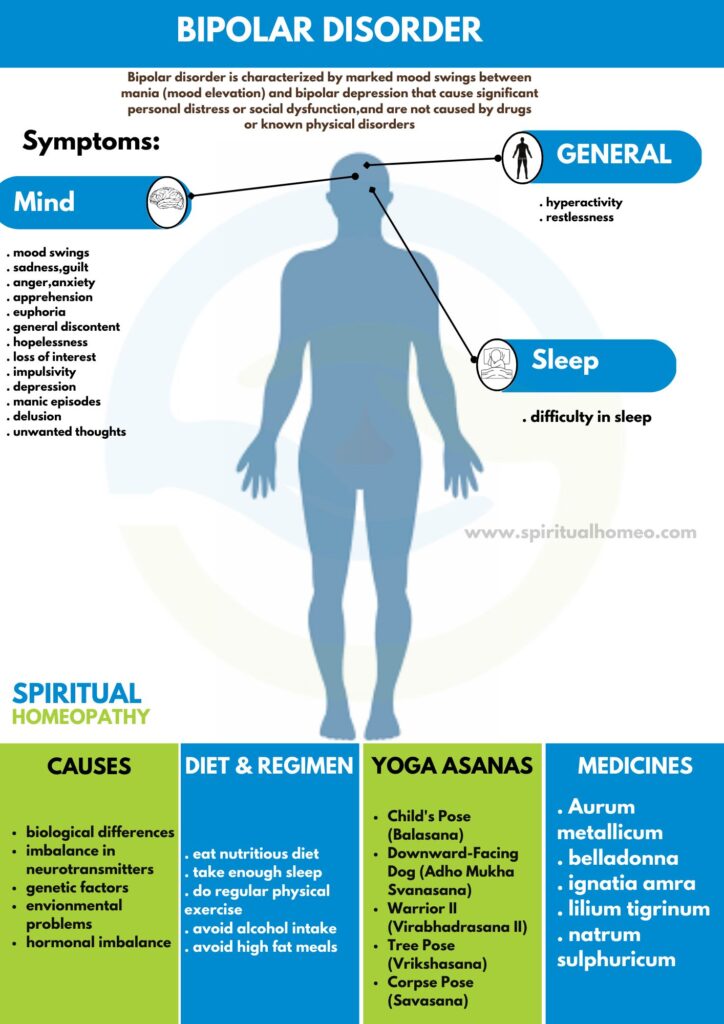
Bipolar disorder, previously known as manic depression, is a mental health condition characterized by significant mood changes that range from extreme emotional highs (mania or hypomania) to deep emotional lows (depression).
During a depressive episode, individuals may experience persistent feelings of sadness, hopelessness, low energy, and a reduced interest or pleasure in daily activities. In contrast, a manic episode may involve elevated mood, increased energy, heightened activity levels, and, in some cases, impulsive or risky behavior.
These mood changes may occur infrequently—such as a few episodes in a year—or more often, sometimes several times a week, depending on the type and severity of bipolar disorder. Proper clinical evaluation helps in understanding the pattern and intensity of these episodes.
At Spiritual Homeopathy Clinic, consultations for bipolar disorder are available across multiple branches in Hyderabad, as well as through online and international consultation services, allowing continued medical guidance based on individual needs.
The exact cause of bipolar disorder is not fully understood. However, research indicates that a combination of biological, genetic, and chemical factors may contribute to its development. Key contributing factors include:
Brain imaging studies suggest that individuals with bipolar disorder may show certain physical or functional changes in the brain. Although the precise significance of these changes is still under study, they may help researchers better understand how the condition develops and affects mood regulation.
An imbalance in neurotransmitters—the brain chemicals responsible for regulating mood and emotional responses—is considered an important factor in bipolar disorder and other mood-related conditions. Disruptions in these chemical signals may contribute to episodes of elevated or depressed mood.
Bipolar disorder often runs in families. Individuals with a first-degree relative, such as a parent or sibling, who has bipolar disorder may have a higher likelihood of developing the condition. While no single gene has been identified, ongoing research continues to explore genetic patterns associated with increased risk.
Understanding these contributing factors helps guide individualized care, as symptom patterns and underlying influences can vary from person to person.
Bipolar disorder is a complex mental health condition that includes several subtypes, each with distinct patterns of mood episodes. These mood changes may range from extreme emotional highs (mania or hypomania) to periods of deep depression. Understanding the different types of bipolar disorder supports accurate diagnosis and appropriate clinical management.
Bipolar I disorder is considered a more severe form of the condition. It is characterized by manic episodes that last at least seven days, or by manic symptoms that are severe enough to require immediate medical attention. Depressive episodes usually last at least two weeks and may occur before or after manic episodes. Some individuals may also experience mixed features.
Bipolar II disorder involves recurring episodes of hypomania and major depression. Hypomania is a milder elevation of mood compared to mania and generally does not cause marked functional impairment. However, depressive episodes in Bipolar II can be equally severe and, in some cases, more functionally limiting than those seen in Bipolar I disorder.
Cyclothymic disorder is a milder but chronic form of bipolar disorder. It is marked by frequent mood fluctuations between hypomanic symptoms and mild depressive symptoms that do not meet full diagnostic criteria for hypomanic or major depressive episodes. These symptoms must persist for at least two years in adults, or one year in children and adolescents.
This form involves the presence of both manic and depressive symptoms occurring simultaneously or in rapid succession. Individuals may experience increased energy, racing thoughts, and reduced need for sleep, along with feelings of sadness, irritability, or hopelessness. Episodes with mixed features are often more challenging to manage and may carry higher clinical risk.
Rapid cycling bipolar disorder is defined by the occurrence of four or more mood episodes—manic, hypomanic, or depressive—within a 12-month period. In some cases, mood shifts may occur more frequently, including weekly or even daily changes, sometimes described as ultra-rapid cycling.
Rapid cycling is reported more commonly in women and is associated with increased illness severity, including a higher risk of emotional instability and suicidal behavior. Some research has explored the role of antidepressant exposure in rapid cycling, although findings remain inconclusive.
Identifying the specific type of bipolar disorder helps clinicians plan individualized care, as symptom patterns and clinical needs can differ significantly between individuals.
Bipolar disorder is characterized by intense and often unpredictable mood changes that affect a person’s emotions, behavior, energy levels, and overall daily functioning. Symptoms may vary widely between individuals and typically occur during manic, hypomanic, or depressive episodes.
Individuals with bipolar disorder may experience marked shifts in mood, including:
Sudden mood changes
Persistent sadness or depressed mood
Periods of elevated, expansive, or euphoric mood
Feelings of anger, anxiety, or emotional numbness
Guilt, apprehension, or hopelessness
Loss of interest or pleasure in activities once enjoyed
Noticeable behavioral changes may include:
Irritability or agitation
Aggressive or risk-taking behavior
Impulsivity and restlessness
Disorganized or erratic actions
Crying spells or emotional outbursts
Increased sexual desire or activity
Hyperactivity during manic phases
Self-harm tendencies during severe depressive episodes
Cognitive changes are commonly observed and may involve:
Racing thoughts or intrusive thinking
Delusions or fixed false beliefs, such as exaggerated self-esteem
Difficulty concentrating or maintaining focus
Slowed thinking or reduced mental activity during depressive phases
Psychological disturbances associated with bipolar disorder may include:
Depressive states
Agitated depression
Episodes of excitement or mania
Paranoia or increased suspiciousness
Sleep pattern changes are a key feature of bipolar episodes, such as:
Insomnia or difficulty initiating sleep
Excessive sleepiness during depressive phases
Changes in appetite may lead to:
Unexplained weight gain or weight loss
Additional symptoms may include:
Persistent fatigue or reduced energy
Rapid, pressured, or unusually fast speech
If these symptoms are frequent, severe, or interfere with daily life, a medical consultation is advised for proper assessment and ongoing care.
Maintaining a balanced diet and a structured daily routine plays an important role in supporting emotional stability and overall mental health in individuals living with bipolar disorder. While dietary and lifestyle measures are not a substitute for medical care or psychological support, they may help complement ongoing treatment and assist in reducing mood fluctuations.
A nutrient-rich and balanced diet may support brain health, mood regulation, and steady energy levels. Helpful dietary considerations include:
Omega-3 Fatty Acids: Found in fatty fish such as salmon, as well as flaxseeds and walnuts, omega-3 fatty acids are associated with brain function and emotional balance.
Complex Carbohydrates: Whole grains, legumes, oats, and brown rice may help maintain stable blood sugar levels, which can support mood consistency.
Magnesium-Rich Foods: Spinach, almonds, bananas, and avocados may assist with stress regulation and sleep quality.
Lean Proteins: Eggs, chicken, lentils, and tofu provide amino acids important for healthy neurotransmitter activity.
Limit Sugar and Caffeine: Reducing sugary foods and caffeinated beverages may help minimize mood variability and sleep disturbances.
Dietary needs and tolerances can vary between individuals, so nutritional guidance should be adapted based on personal health status and professional advice.
Establishing consistent daily habits may help in managing bipolar symptoms more effectively. Key lifestyle measures include:
Regular Exercise: Moderate physical activities such as walking, swimming, or yoga may help improve mood, reduce stress, and support mental clarity.
Consistent Sleep Schedule: Maintaining regular sleep and wake times, with adequate rest each night, can help stabilize mood patterns.
Stress Management Techniques: Practices such as mindfulness, meditation, or controlled breathing may help manage emotional triggers.
Medication Adherence: Following the treatment plan advised by a qualified healthcare professional is important, as inconsistent care may contribute to symptom recurrence.
A balanced diet combined with a structured daily routine can provide supportive benefits for mood stability and overall well-being in individuals with bipolar disorder. Any significant dietary or lifestyle changes should be discussed with a qualified healthcare provider to ensure safe and appropriate care.
Yoga practices may help support emotional balance, reduce stress, and promote relaxation in individuals living with bipolar disorder. These practices are intended as supportive measures and should be used alongside professional medical care.
Benefits: Calms the mind, relieves stress and fatigue, and supports emotional relaxation.
How to do: Kneel on the mat, sit back on your heels, and extend your arms forward while resting your forehead on the mat.
Benefits: Encourages mindfulness and may help reduce feelings of anxiety.
How to do: Sit cross-legged with a straight spine, rest your hands on your knees, close your eyes, and focus on slow, steady breathing.
Benefits: Supports relaxation of the nervous system, helps manage insomnia, and reduces fatigue.
How to do: Lie on your back and rest your legs vertically against a wall, keeping the arms relaxed at your sides.
Benefits: Helps calm the mind and may reduce feelings of anxiety and low mood.
How to do: Lie on your back, bend your knees, place feet hip-width apart, and gently lift your hips upward.
Benefits: Improves circulation, relieves muscular tension, and promotes overall alertness.
How to do: From an all-fours position, lift your hips upward and back to form an inverted V shape.
Benefits: Promotes grounding, improves posture, and enhances body awareness.
How to do: Stand upright with feet together and arms by your sides, focusing on balanced posture and steady breathing.
Benefits: Encourages deep relaxation, reduces stress, and supports nervous system balance.
How to do: Lie flat on your back with arms and legs relaxed, focusing on natural breathing and complete bodily rest.
Avoid intense or fast-paced yoga practices during periods of heightened mood or agitation.
Use yoga primarily for grounding, calming, and relaxation rather than stimulation.
Practice under the supervision of a qualified yoga instructor familiar with mental health considerations.
Gentle breathing practices, such as slow alternate breathing or humming-based techniques, may be used to support mental calmness.
Yoga should be considered a supportive lifestyle practice and not a substitute for medical evaluation or ongoing professional care.
At Spiritual Homeopathy Clinic, a holistic approach to care is followed, based on the principles of classical homeopathy and an understanding of emotional and mental well-being. The focus is on supporting long-term management rather than providing short-term symptom relief, by addressing contributing physical and emotional factors associated with bipolar disorder.
The clinic’s homeopathic practitioners across Hyderabad provide individualized care based on detailed case evaluation. In-clinic, online, and international consultations are available to support continuity of care for patients with varying needs.
At Spiritual Homeopathy Clinic, treatment is guided by the understanding that mental, emotional, and physical health are interconnected. Care is planned to look beyond surface symptoms and consider underlying imbalances that may influence mood patterns and emotional stability.
For individuals experiencing mood fluctuations, emotional stress, or associated physical concerns, the homeopathic approach aims to support the body’s natural regulatory processes through individualized care, planned under professional supervision.
Homeopathic consultations involve a detailed discussion of medical history, emotional state, lifestyle factors, and symptom patterns. Based on this assessment, care plans are structured to support long-term management of bipolar disorder. Consultations are available both in person and online.
Treatment plans are designed to address contributing factors affecting mood balance and overall well-being. The focus remains on supporting emotional regulation and stability rather than symptom suppression alone.
Regular follow-up consultations allow practitioners to monitor progress, understand symptom changes, and adjust care strategies when required. Ongoing professional guidance supports consistent and structured management over time.
Care at Spiritual Homeopathy Clinic is guided by the following principles:
Individualized care based on personal health patterns
A holistic perspective addressing emotional and physical factors
Supportive, long-term management under professional guidance
A patient-centered approach that encourages active participation in care
Homeopathic care for bipolar disorder is generally well-tolerated under professional guidance and is intended to complement overall mental health management, not replace psychiatric evaluation or emergency care when required.
For consultations or guidance, contact 9069 176 176.
You should consult a healthcare professional if symptoms of bipolar disorder become frequent, persistent, or begin to interfere with daily functioning, relationships, work, or sleep. Early evaluation helps identify mood patterns, contributing factors, and supports timely clinical care.
Seek consultation if you experience:
Recurrent or severe mood swings
Periods of extreme sadness, hopelessness, or emotional withdrawal
Episodes of unusually elevated mood, excessive energy, or impulsive behavior
Sleep disturbances that persist or worsen over time
Difficulty concentrating or managing daily responsibilities
Thoughts of self-harm, emotional distress, or behavioral changes affecting safety
Symptoms not improving with routine lifestyle measures
At Spiritual Homeopathy Clinic, consultations for bipolar disorder are available across multiple branches in Hyderabad, including Kukatpally, Chandanagar, Dilsukhnagar, and Nallagandla. Online and international consultations are also available for individuals who are unable to visit in person. A professional assessment supports an individualized care approach based on symptom patterns and overall health status.
For appointments or guidance, contact 9069 176 176.
Bipolar disorder, also known as bipolar affective disorder or manic-depressive illness, is a mental health condition characterized by significant mood swings that alternate between episodes of mania (high energy, elevated mood) and depression (low energy, sadness, or hopelessness). These mood changes can affect a person’s daily functioning, relationships, and emotional well-being. The condition is not caused by substance use or other physical health issues.
Evaluation and guidance are important for managing bipolar disorder. Consultations are available at Spiritual Homeopathy Clinic, with multiple branches in Hyderabad, along with online and international consultation options.
Symptoms of bipolar disorder can vary depending on whether a person is experiencing a manic, hypomanic, or depressive episode. Common signs include:
Sudden mood swings
Persistent sadness or feelings of emptiness
Elevated or euphoric mood
Anger, anxiety, or apathy
Hyperactivity, impulsivity, or restlessness
Unwanted or racing thoughts
Delusions or unrealistic beliefs
Difficulty with concentration or decision-making
Episodes of depression or emotional withdrawal
Manic episodes marked by excessive energy or risky behavior
If these symptoms are frequent, severe, or interfere with daily life, professional consultation is advised.
The exact cause of bipolar disorder is not fully understood, but research indicates several contributing factors:
Biological Differences: Brain imaging studies show structural and functional changes in individuals with bipolar disorder.
Neurotransmitter Imbalance: Irregular activity of brain chemicals involved in mood regulation may contribute to symptoms.
Genetic Factors: Bipolar disorder often runs in families, suggesting a hereditary influence, with higher risk among close relatives.
Understanding these factors supports an individualized approach to care rather than uniform treatment.
WhatsApp us