
Bulimia Nervosa is an eating disorder marked by frequent episodes of binge eating, where individuals consume large amounts of food in a short period, followed by compensatory behaviors such as vomiting, excessive exercise, or fasting to prevent weight gain. This disorder is often driven by an intense fear of gaining weight and a distorted body image.
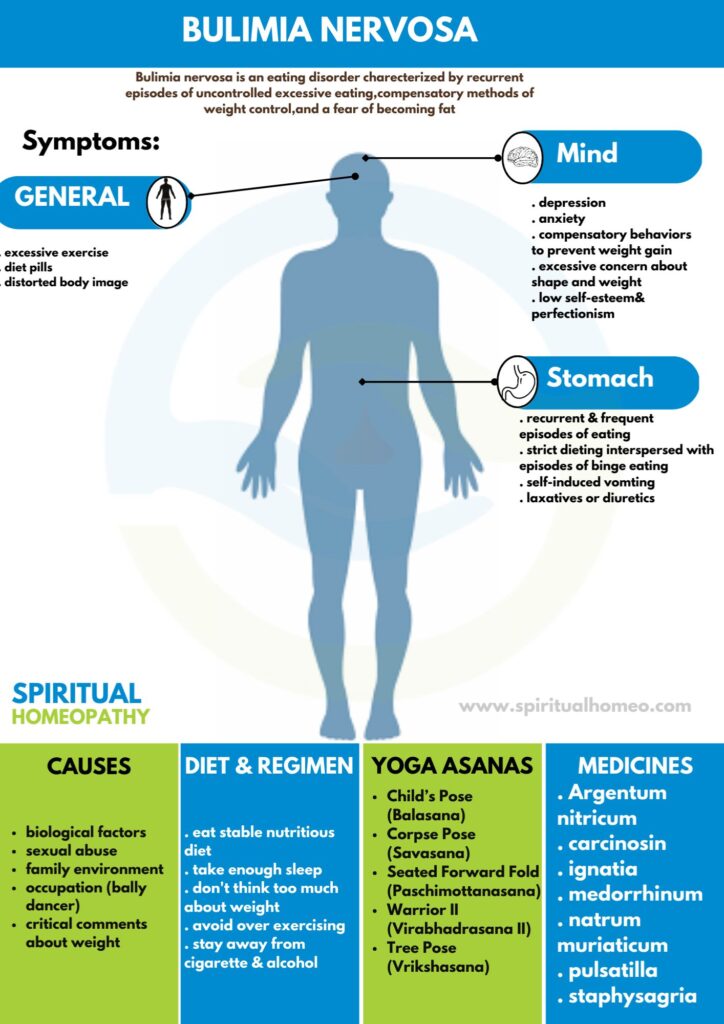
Bulimia nervosa is an eating disorder characterized by recurring episodes of uncontrollable overeating, often followed by compensatory behaviors such as self-induced vomiting, excessive exercise, or fasting. Unlike anorexia nervosa, which has historical records dating back to medieval times, bulimia nervosa was first identified as a distinct clinical condition in 1979.
The term “bulimia nervosa” was introduced by British psychiatrist Gerald Russell, who described the disorder based on a study of 30 patients and highlighted its key features. Since then, bulimia nervosa has been widely recognized, and evidence-based approaches are now available to help manage its physical, emotional, and behavioral aspects.
At Spiritual Homeopathy Clinic, patients can access consultations at multiple Hyderabad branches as well as online and international sessions. Early professional assessment supports an individualized care approach, addressing both the underlying triggers and the symptoms of bulimia nervosa.
The causes of bulimia nervosa are multifactorial, involving a combination of biological, psychological, and social influences. Understanding these factors can help guide an individualized care approach for effective management.
Gender: Bulimia nervosa is more common in females, particularly between the ages of 15 and 40.
Family History: A history of mood disorders, substance abuse, or eating disorders in the family can increase risk.
Obesity: Individuals with a history of obesity may be more susceptible.
Type 1 Diabetes: Higher incidence has been noted among individuals with Type 1 diabetes.
Early Menarche: Early onset of menstruation may contribute to an elevated risk.
Early Life Comments: Critical remarks regarding eating habits, body shape, or weight during childhood can contribute to the disorder.
Family Environment: A family emphasis on dieting, body image, or weight may increase susceptibility.
Childhood Abuse: Experiences of sexual or physical abuse during childhood are significant psychological contributors.
Low Self-Esteem: Poor self-image or low self-esteem can increase vulnerability.
Perfectionism: A perfectionist mindset, leading to an intense desire to meet high or unrealistic standards, may play a role.
Cultural Influence: Living in societies that idealize thinness can increase risk.
Diet Culture: Environments emphasizing dieting or pursuing a thin body shape are linked to higher rates of bulimia.
Occupation: Professions that focus on appearance, such as modeling or ballet, may contribute to the development of the disorder.
These factors often interact in complex ways, highlighting the importance of a comprehensive assessment and personalized treatment plan. At Spiritual Homeopathy Clinic, consultations are available at multiple Hyderabad branches, as well as online and international consultations, to address these underlying factors alongside symptom management.
Bulimia nervosa can be classified into two main types based on the methods used to prevent weight gain after episodes of binge eating:
This type involves self-induced vomiting or the excessive use of laxatives to remove food from the body. Some individuals may also use diuretics as a form of purging. These behaviors aim to prevent weight gain but can have serious physical and emotional consequences.
In this type, individuals do not engage in purging behaviors such as vomiting or using laxatives. Instead, they may compensate for overeating through extreme measures such as fasting or excessive exercise. While non-purging, these behaviors are still unhealthy and may significantly affect both physical and mental health.
Both types share similar underlying psychological and social factors, and treatment involves a comprehensive, individualized approach. At Spiritual Homeopathy Clinic, patients can access in-clinic consultations at multiple Hyderabad branches, as well as online and international consultations, to receive guidance tailored to their type and overall health needs.
Bulimia nervosa is characterized by recurrent episodes of binge eating, where individuals consume large amounts of food in a short period and experience a loss of control. These episodes are often followed by compensatory behaviors to prevent weight gain, such as:
Self-induced vomiting
Excessive use of laxatives or diuretics
Fasting
Excessive exercise
A combination of these actions
Intense Fear of Weight Gain: Individuals with bulimia often have a persistent fear of becoming overweight, driving their compensatory behaviors.
Distorted Body Image: There is frequently a disconnect between perceived and actual body size.
Preoccupation with Food: Obsession with eating, dieting, and weight control may manifest in reading diet-related material or rigidly planning meals.
Strict dieting interspersed with binge episodes
Compensatory actions to avoid weight gain, including self-induced vomiting, overuse of laxatives or diuretics, excessive physical activity, or diet pills
Excessive concern about shape and weight
Low self-esteem and perfectionism
Strong desire to meet unrealistic standards
Normal body weight despite extreme behaviors
Electrolyte imbalances (e.g., low potassium or sodium levels)
Menstrual irregularities or absence of periods
Swollen parotid glands due to vomiting
Dental enamel erosion
Russell’s sign: Calluses or scars on fingers from vomiting
Peripheral edema (swelling of limbs)
Elevated plasma amylase levels
Depression and anxiety disorders
Risk of self-harm or substance misuse
Occasionally, borderline personality traits
To evaluate physical health, doctors may recommend:
Serum electrolytes, magnesium, and creatinine
Nutritional assessments (B12 and red blood cell folate)
ECG to monitor heart function
Urine pregnancy test if applicable
Supporting recovery from bulimia nervosa involves maintaining a balanced lifestyle that promotes both physical and emotional well-being. The following practical tips can help manage the condition:
Consume a stable, nutritious diet that provides essential vitamins and minerals. Focus on whole foods, including fruits, vegetables, lean proteins, and whole grains, to support healing, energy, and overall health.
Aim for 7–9 hours of restful sleep each night. Sufficient sleep is important for emotional balance, mental clarity, and physical recovery.
Shift attention from weight and appearance to overall health. Reducing constant thoughts about weight loss can help prevent unhealthy behaviors and binge episodes.
Engage in regular, moderate physical activity that is enjoyable and sustainable. Avoid excessive exercise routines aimed solely at controlling weight, as they may worsen symptoms.
Refrain from smoking and alcohol consumption, as these can negatively affect physical and mental health and may exacerbate bulimia-related behaviors.
Yoga can support the emotional and physical aspects of bulimia nervosa by reducing stress, improving body awareness, and promoting a healthier relationship with food and the body. These asanas (poses) can be helpful as part of a broader management plan:
Benefits: Calms the mind, reduces anxiety, and promotes relaxation.
How to Do It:
Start on your knees with your big toes touching and knees spread wide.
Lower your torso down between your thighs, extending your arms forward.
Rest your forehead on the mat and take deep breaths, releasing tension.
Benefits: Relieves spinal tension, improves flexibility, and enhances body awareness.
How to Do It:
Begin on all fours with hands under shoulders and knees under hips.
Inhale to arch your back (cow pose), exhale to round your spine (cat pose).
Repeat for several breaths, synchronizing movement with your breath.
Benefits: Improves balance, focus, and connection with the body.
How to Do It:
Stand tall, feet hip-width apart.
Shift weight to one foot and place the other foot on your inner thigh or calf (avoid the knee).
Bring hands into prayer position at your chest or extend overhead.
Hold for a few breaths, then switch sides.
Benefits: Calms the nervous system and stretches the body, helping reduce stress.
How to Do It:
Sit on the floor with legs extended.
Inhale to lengthen your spine, exhale to fold forward, reaching for your feet.
Keep your back straight and hold for a few breaths.
Benefits: Relieves stress, calms the nervous system, and promotes relaxation.
How to Do It:
Sit next to a wall and lie on your back.
Swing your legs up against the wall, keeping your torso on the ground.
Rest arms by your sides and breathe deeply.
Benefits: Opens the chest, strengthens the back, and boosts energy.
How to Do It:
Lie on your back with knees bent and feet flat, hip-width apart.
Press your feet into the ground and lift hips toward the ceiling.
Keep shoulders and head on the ground, clasp hands under your back if possible.
Benefits: Promotes deep relaxation, mental clarity, and stress relief.
How to Do It:
Lie flat with legs extended and arms by your sides, palms up.
Close your eyes, focus on your breath, and fully relax for 5–10 minutes.
Benefits: Opens the chest and shoulders, encourages deep breathing, and releases emotional tension.
How to Do It:
Lie on your back with knees bent and feet flat.
Place a bolster or cushion under your back to open the chest.
Rest arms by your sides or on your stomach for deeper relaxation.
Benefits: Reduces anxiety, stress, and triggers for emotional eating.
How to Do It:
Practice deep breathing techniques such as Nadi Shodhana (Alternate Nostril Breathing) or Ujjayi Pranayama (Victorious Breath) to calm the nervous system and improve focus.
Tips for Yoga Practice:
Listen to your body and avoid pushing too hard, especially during emotional vulnerability.
Practice mindfulness, focusing on breath and body sensations.
If new to yoga or managing bulimia nervosa, consider guidance from a certified yoga instructor or therapist for safety and support.
At Spiritual Homeopathy Clinic, we offer a holistic and compassionate approach to supporting individuals with bulimia nervosa. Our practice combines classical homeopathy with an understanding of emotional and psychological well-being. Our skilled homeopathic practitioners provide personalized care designed to address the unique physical, emotional, and behavioral aspects of each patient. Consultations are available at our Hyderabad branches as well as online and international sessions for those unable to attend in person.
Effective support for bulimia nervosa involves addressing both physical and emotional contributing factors. Our approach focuses on:
Understanding the individual’s emotional triggers, dietary patterns, and lifestyle factors
Supporting long-term management of binge-purge behaviors
Strengthening overall mental and physical resilience
Promoting healthy coping strategies and body awareness
This approach emphasizes individualized care, aiming to create a balanced, sustainable path to recovery rather than focusing solely on symptoms.
Consultations: Our homeopaths conduct detailed consultations—either in person or online—to evaluate eating patterns, emotional health, and overall lifestyle. This allows for a tailored care plan that suits your needs.
Individualized Remedies: We offer natural, gentle remedies that help support the body and mind, generally well-tolerated under professional guidance. These remedies are used as part of a comprehensive care plan and are not intended as a sole treatment.
Follow-Up Care: Recovery from bulimia nervosa requires ongoing monitoring. We provide regular follow-ups to assess progress, adjust the care plan as needed, and provide continued guidance for emotional and physical well-being.
At Spiritual Homeopathy Clinic, your overall well-being is our priority. Our focus is on restoring balance—physical, emotional, and behavioral—to help you develop a healthier relationship with food and your body. Whether managing ongoing symptoms or supporting lifestyle adjustments, our team provides guidance and care every step of the way.
You should consult a healthcare professional if bulimia nervosa behaviors become frequent, persistent, or begin to affect your physical or emotional well-being. Early evaluation helps identify underlying factors and allows for a personalized treatment plan.
Seek consultation if you experience:
Recurrent episodes of binge eating followed by compensatory behaviors (vomiting, excessive exercise, or fasting)
Persistent concern about weight, body shape, or appearance affecting daily life
Signs of physical complications such as electrolyte imbalances, dental erosion, or menstrual irregularities
Anxiety, depression, or self-harming behaviors associated with eating patterns
Symptoms that do not improve despite efforts to manage diet and lifestyle
At Spiritual Homeopathy Clinic, consultations are available at multiple branches in Hyderabad, including Kukatpally, Chandanagar, Dilsukhnagar, and Nallagandla. Online and international consultations are also offered for patients who cannot visit in person. Professional assessment supports an individualized care approach, addressing both physical and emotional aspects of bulimia nervosa.
For appointments or guidance, contact 9069 176 176.
1. What is Bulimia Nervosa?
Bulimia nervosa is a serious eating disorder characterized by repeated episodes of binge eating, where a person consumes large amounts of food in a short time and feels a loss of control. These episodes are often followed by behaviors aimed at preventing weight gain, such as purging, fasting, or excessive exercise. Individuals with bulimia frequently have a distorted body image and an intense fear of gaining weight.
2. What Causes Bulimia Nervosa?
The development of bulimia nervosa involves a combination of biological, psychological, and social factors, including:
Gender: More common in females, though males can also be affected.
Age: Often begins in adolescence or early adulthood (ages 15–40).
Family History: A family history of eating disorders or mental health conditions can increase risk.
Health Conditions: Type 1 diabetes, hormonal changes, or metabolic issues may contribute.
Early Menarche: Early onset of menstruation can be a risk factor.
Family Environment: Emphasis on dieting, weight, or appearance during upbringing may impact body image.
History of Abuse: Childhood experiences of sexual or physical abuse can increase vulnerability.
Psychological Factors: Low self-esteem, anxiety, or perfectionist tendencies are often associated.
These factors interact uniquely in each individual, highlighting the importance of personalized care under professional guidance.
3. What Are the Symptoms of Bulimia Nervosa?
Symptoms may include:
Dieting Habits: Recurrent strict dieting alternating with binge-eating episodes.
Compensatory Behaviors: Self-induced vomiting, misuse of laxatives or diuretics, or excessive exercise.
Body Image Issues: Preoccupation with shape and weight, often leading to distorted self-perception.
Physical Effects: Menstrual irregularities, gastrointestinal disturbances, or fluctuations in body weight.
Mental Health Challenges: Depression, anxiety, self-harming behaviors, or suicidal thoughts may occur.
If these symptoms are frequent, persistent, or worsening, professional consultation is strongly advised.
4. How Can Homeopathy Support Bulimia Nervosa?
At Spiritual Homeopathy Clinic, homeopathic treatment focuses on individualized care, addressing emotional, behavioral, and physical aspects of the disorder. Treatment includes comprehensive consultations (in-clinic, online, or international) and continuous follow-up to support long-term management and overall well-being.
5. When Should I Consult a Doctor?
Seek professional help if you or someone you know experiences:
Frequent binge-purge episodes or loss of control over eating
Persistent anxiety or depression related to body image
Physical complications such as electrolyte imbalance, extreme weight changes, or gastrointestinal problems
Difficulty maintaining daily activities due to the disorder
Early evaluation allows for a personalized and structured care plan to address both physical and emotional health.
WhatsApp us