
Conjunctivitis, commonly known as pink eye, is the inflammation or infection of the conjunctiva—the clear, thin membrane that lines the inner eyelids and covers the white part of the eyeball.
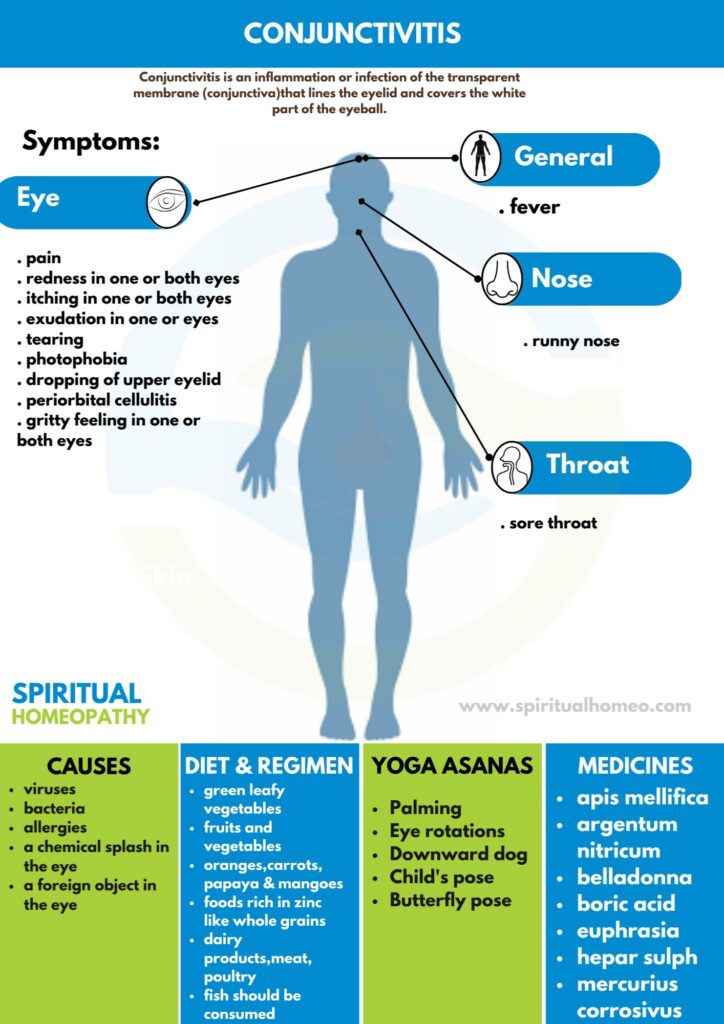
Conjunctivitis, commonly called pink eye, occurs when the small blood vessels in the conjunctiva—the clear tissue covering the white part of the eye—become inflamed, causing the eyes to appear red or pink. This condition can result from infections, allergies, or eye irritation.
One frequent cause of conjunctivitis is irritation from chemicals, dust, or foreign objects entering the eye. In such cases, the redness and discomfort are the body’s natural response to the irritant.
To relieve symptoms and prevent further irritation, the affected eye is often gently rinsed or flushed to remove the offending substance. Prompt cleaning can help reduce redness, swelling, and discomfort.
For persistent or severe symptoms, professional evaluation is recommended. Spiritual Homeopathy Clinic offers consultations at multiple branches in Hyderabad, as well as online and international consultation options, to provide guidance tailored to each individual’s eye health and overall well-being.
Conjunctivitis can develop due to a variety of factors, ranging from infections to irritants. Common causes include:
Viral Infections – Often associated with colds or respiratory illnesses, viral conjunctivitis is contagious and can spread easily.
Bacterial Infections – Certain bacteria can cause conjunctivitis, sometimes producing thick eye discharge and requiring professional evaluation.
Allergies – Allergic conjunctivitis occurs in response to allergens like pollen, dust, or pet dander and often affects both eyes.
Chemical Irritants – Contact with chemicals, such as cleaning products, smoke, or fumes, can irritate the eyes and trigger inflammation.
Foreign Objects – Small particles or debris entering the eye may cause irritation and redness.
Blocked Tear Duct in Newborns – Infants with a blocked tear duct may develop symptoms resembling conjunctivitis.
Understanding the underlying cause is essential for appropriate care. At Spiritual Homeopathy Clinic, practitioners consider individual factors when providing guidance, ensuring an approach tailored to each patient’s eye health and overall well-being.
Conjunctivitis can be classified into different types based on its cause. Each type has distinct symptoms, transmission methods, and considerations for care.
Viral conjunctivitis is highly contagious and may affect one or both eyes. It typically produces a watery discharge and is often linked with respiratory infections such as the common cold or sore throat.
This type spreads easily through direct or indirect contact with infected eye secretions, making hygiene and prompt care important. Both adults and children are susceptible. Professional evaluation can help manage symptoms and prevent complications.
Bacterial conjunctivitis may also involve one or both eyes and often produces a thick yellow or green discharge. It spreads through contact with contaminated hands, objects, or surfaces exposed to infected eye fluids.
People of all ages can be affected. While treatment may require medical care, early consultation ensures proper guidance to prevent worsening or secondary infections.
Allergic conjunctivitis usually affects both eyes and arises from exposure to allergens such as pollen, pet dander, or dust. In response to allergens, the body releases immunoglobulin E (IgE), triggering inflammation in the eyes.
Common symptoms include itching, redness, and tearing. Unlike viral or bacterial types, allergic conjunctivitis is not contagious. Management often involves reducing exposure to triggers and following guidance from healthcare professionals.
Consultation Guidance:
At Spiritual Homeopathy Clinic, patients can receive individualized assessment and guidance for all types of conjunctivitis through in-clinic visits across Hyderabad or via online and international consultations.
The symptoms of conjunctivitis can vary depending on the type—viral, bacterial, or allergic. Common signs of pink eye include:
General Symptoms:
Pain, discomfort, or irritation in one or both eyes
Redness or pink discoloration of the eyes
Itching or burning sensation
Watery or thick discharge, which may crust over at night, making it difficult to open the eyes in the morning
Excessive tearing or watering of the eyes
Sensitivity to light (photophobia)
Drooping of the upper eyelid (ptosis) in some cases
Swelling around the eyes (periorbital edema), often seen in bacterial infections
Associated Symptoms (especially in viral or bacterial cases):
Fever (more common in viral infections)
Sore throat, runny nose, or cold-like symptoms (viral conjunctivitis)
A gritty or foreign-body sensation in the eyes
If these symptoms are frequent, severe, or persist for more than a few days, it is important to consult a healthcare professional. Spiritual Homeopathy Clinic offers consultations at multiple Hyderabad branches, as well as online and international consultations for patients who cannot visit in person.
Managing conjunctivitis involves supportive self-care practices and avoiding actions that may worsen the condition. The following measures can help relieve discomfort and support recovery:
Apply a Warm Compress
Gently place a clean, warm cloth over closed eyes to soothe irritation, reduce inflammation, and relieve swelling.
Use Eye Drops with Care
Artificial tears or antihistamine drops (for allergic conjunctivitis) may help ease dryness, itching, or irritation. Always consult a healthcare provider before using any eye drops.
Pause Contact Lens Use
Remove contact lenses until the infection resolves to prevent further irritation and reduce the risk of spreading infection.
Limit Exposure to Bright Light
If experiencing light sensitivity (photophobia), reduce exposure to bright lights. Wearing sunglasses outdoors can provide extra comfort.
Avoid Rubbing the Eyes
Rubbing or touching the eyes can introduce bacteria or irritants, worsening symptoms or spreading infection.
Clean the Eyes Properly
Gently rinse the eyes with sterile water or saline. Wipe from the inner corner (near the nose) to the outer corner to remove discharge and help prevent contamination.
Yoga can be a gentle and supportive way to promote relaxation, relieve eye strain, and reduce stress during recovery from conjunctivitis. It is important to note that yoga is not a treatment for conjunctivitis and should be used alongside proper medical care.
How to do it: Kneel on the floor, sit back on your heels, and fold forward, bringing your forehead to the ground with arms extended in front.
Benefits: Calms the nervous system, reduces stress, improves circulation, and helps relieve eye strain.
How to do it: Lie on your back with legs extended up a wall. Use a cushion under the hips for support.
Benefits: Promotes relaxation, reduces swelling, and increases blood flow to the upper body, easing discomfort.
How to do it: Sit with legs extended. Hinge at the hips and reach toward your toes or ankles, keeping your back straight.
Benefits: Stretches the spine and hamstrings, calms the mind, and improves circulation.
How to do it: In a tabletop position, inhale arching the back (cow), exhale rounding the spine (cat). Repeat several times.
Benefits: Relieves neck and shoulder tension, improves posture, and encourages relaxation.
Alternate Nostril Breathing (Nadi Shodhana): Balances energy, calms the mind, reduces stress.
Bhramari (Bee Breath): Inhale deeply, hum while exhaling; calms the nervous system and anxiety.
How to do it: Lie flat on your back with legs and arms relaxed. Focus on breathing and release tension.
Benefits: Promotes deep relaxation and mental clarity.
How to do it: Focus on a small object or candle flame without blinking as long as comfortable.
Benefits: Improves concentration, relieves eye tension, and enhances mental clarity.
Important Notes:
Yoga and eye exercises are supportive practices and do not replace medical treatment for conjunctivitis.
Stop immediately if any exercise causes discomfort or irritation, and consult a healthcare professional.
Personalized guidance may vary; Spiritual Homeopathy Clinic provides tailored advice through in-clinic, online, and international consultations.
At Spiritual Homeopathy Clinic, we follow a holistic and individualized approach to support recovery from conjunctivitis. Homeopathy focuses on long-term management by addressing the underlying factors that may contribute to eye irritation, inflammation, or sensitivity, while also supporting the body’s natural healing processes.
Homeopathic care for conjunctivitis considers not only the physical symptoms—such as redness, discharge, and irritation—but also emotional and lifestyle factors that may influence eye health. Each treatment plan is personalized based on the patient’s medical history, symptom patterns, and overall well-being, aiming to reduce the frequency and severity of episodes over time.
Every patient receives a thorough assessment of their symptoms, triggers, and daily habits. This allows practitioners to plan a treatment that is specific to the individual’s needs, promoting balance and comfort while preventing further irritation or recurrence.
Homeopathic care for conjunctivitis is generally well-tolerated under professional guidance and may be used alongside other supportive measures, such as proper hygiene, eye care routines, and dietary considerations. This integrated approach helps maintain eye health and may aid in faster recovery.
Recovery from conjunctivitis is monitored carefully, with follow-up consultations—in-clinic, online, or international—ensuring that care remains appropriate to changing symptoms and that any adjustments are made promptly.
You should consult a healthcare professional if symptoms of conjunctivitis become persistent, severe, or interfere with daily activities. Early evaluation helps identify the cause and prevents complications or the spread of infection.
Seek consultation if you experience:
Redness or swelling that worsens over time
Persistent eye pain or discomfort
Thick or colored discharge from the eyes
Sensitivity to light (photophobia) that affects vision
Blurred vision or sudden changes in vision
Symptoms that do not improve with basic home care measures
Fever or other signs of systemic infection
At Spiritual Homeopathy Clinic, consultations are available at multiple branches in Hyderabad, including Kukatpally, Chandanagar, Dilsukhnagar, and Nallagandla. We also offer online and international consultations for patients who cannot visit in person. A professional assessment supports an individualized care approach based on your symptoms, overall health, and recovery needs.
For appointments or guidance, contact 9069 176 176.
1. What Is Conjunctivitis?
Conjunctivitis, or pink eye, is inflammation of the conjunctiva—the clear membrane covering the white part of the eye and the inner eyelids. It can affect one or both eyes, causing redness, irritation, and discharge. While often mild, it can be contagious or uncomfortable if not properly managed. Consultations are available at Spiritual Homeopathy Clinic in Hyderabad or online for guidance.
2. What Are the Symptoms of Conjunctivitis?
Symptoms vary by cause and severity. Common signs include:
Red or bloodshot eyes
Itching, burning, or irritation
Watery or thick discharge, sometimes forming crusts around the eyelids
Swelling or puffiness around the eyes
Increased tearing
Sensitivity to light (photophobia)
A gritty or sandy sensation
Mild pain or discomfort
Drooping eyelids in some cases
Associated symptoms such as fever, sore throat, or runny nose (more common in viral infections)
If these symptoms are frequent or severe, consult a healthcare professional promptly.
3. What Causes Conjunctivitis?
Common causes include:
Viral Infections – Often linked to colds or respiratory viruses; highly contagious.
Bacterial Infections – May cause thick yellow or green discharge.
Allergic Reactions – Triggered by pollen, dust, or pet dander; usually affects both eyes.
Chemical Irritants – Smoke, chlorine, or cleaning agents may inflame the eyes.
Foreign Bodies – Dust or debris entering the eye can cause irritation.
Blocked Tear Ducts – Common in newborns, leading to bacterial buildup.
Understanding the cause helps guide individualized care and management.
4. Can Natural or Holistic Support Help With Conjunctivitis?
Complementary approaches may help relieve discomfort once the infection or irritation is under professional care:
Maintaining proper eye hygiene
Using cold or warm compresses
Avoiding allergens and irritants
Supporting overall immunity with diet, rest, and hydration
These approaches should always be supervised by a qualified practitioner and are not a substitute for medical care.
5. When Should I Seek Professional Help?
Seek consultation if symptoms are persistent, worsening, or affecting daily activities. Early professional assessment can prevent complications and guide a safe, personalized care plan. Spiritual Homeopathy Clinic offers in-clinic, online, and international consultations for patients unable to visit in person.
WhatsApp us