Hypochondriasis

Hypochondriasis: A Comprehensive Guide to Symptoms, Causes, and Treatment

Hypochondriasis

Effective Homeopathic Treatment for Hypochondriasis

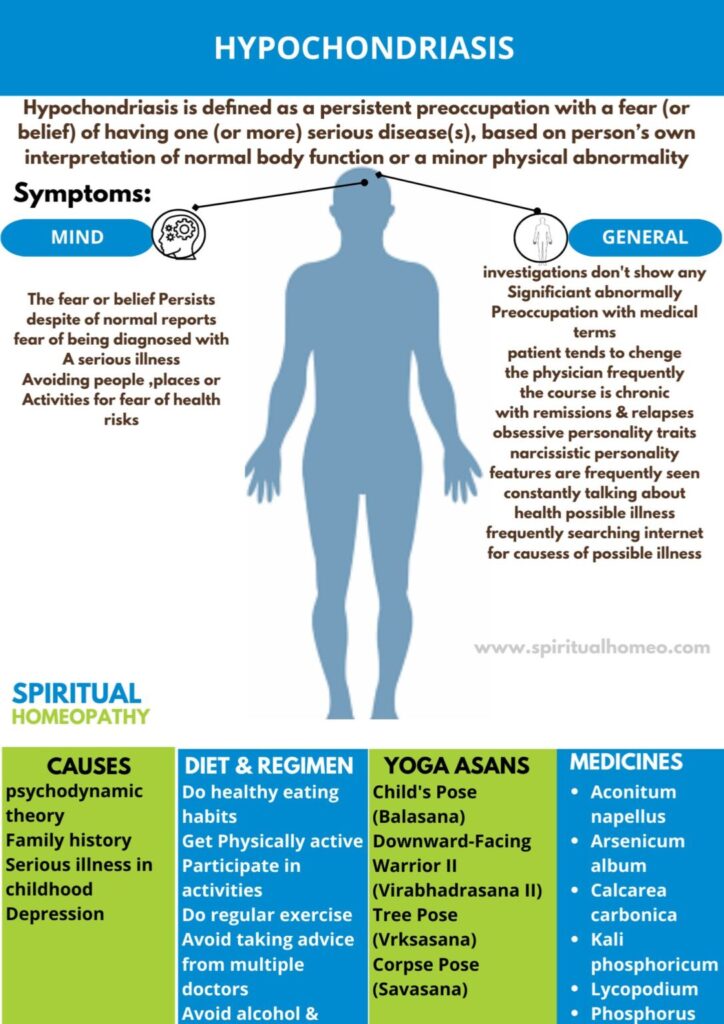
Hypochondriasis, or illness anxiety disorder, is a mental health condition marked by persistent fear or belief of having serious diseases. Individuals with hypochondriasis often misinterpret normal body functions or minor physical symptoms as signs of severe illness. This preoccupation can cause significant distress and impact daily life, even when medical tests show no evidence of a serious condition. Treatment typically involves therapy and, in some cases, medication to address underlying anxiety.

Everything You Need to Know

Overview

Hypochondriasis, also known as health anxiety or illness anxiety disorder, is a mental health condition characterized by excessive worry about having or developing a serious illness. Individuals may misinterpret normal bodily sensations—such as fatigue, minor aches, or digestive changes—as signs of severe disease, even when medical evaluations indicate no underlying health issues.

This persistent anxiety can cause more distress than the physical sensations themselves, often impacting daily functioning, work, and social life. Symptoms may fluctuate over time and can worsen during periods of stress or with age.

Management of hypochondriasis typically involves psychotherapy, such as cognitive behavioral therapy, and in some cases, supportive interventions to reduce anxiety and improve overall well-being.

At Spiritual Homeopathy Clinic, patients can access professional evaluation and guidance through in-clinic consultations at multiple Hyderabad branches, online sessions, and international consultations, allowing for a personalized approach to mental health support.

Causes of Hypochondriasis (Illness Anxiety Disorder)

Hypochondriasis, also called Illness Anxiety Disorder (IAD), involves excessive concern about having or developing a serious illness, even when medical evaluations show no significant health issues. While the exact cause is not fully understood, a combination of biological, psychological, and environmental factors can contribute:

  1. Psychological Factors

  • Health-related anxiety: A general tendency to worry excessively about health increases susceptibility to IAD.

  • Cognitive distortions: Normal body sensations may be misinterpreted as serious illness.

  • Low tolerance for uncertainty: Constant need for reassurance about health can reinforce anxiety.

  1. Personality Traits

  • Neuroticism and perfectionism: These traits may predispose individuals to heightened health anxiety.

  • Obsessive-compulsive tendencies: Focusing excessively on bodily sensations can intensify symptoms.

  1. Environmental & Social Factors

  • Overexposure to health information: Frequent online searches or media exposure about diseases (cyberchondria) can increase worry.

  • Family attitudes toward health: Growing up in a household that emphasizes illness or medical concerns may influence behavior.

  • Stressful life events: Experiences such as loss of a loved one, job changes, or relationship difficulties can trigger or worsen symptoms.

  1. Biological Factors

  • Brain chemistry: Imbalances in neurotransmitters, such as serotonin, may play a role.

  • Genetics: Family history of anxiety disorders or somatic symptom disorders may increase risk.

Understanding these causes helps healthcare professionals design an individualized care plan that addresses both the psychological and physical aspects of hypochondriasis. Consultations at Spiritual Homeopathy Clinic, available in Hyderabad branches as well as online and international sessions, provide personalized guidance tailored to each patient’s needs.

Understanding Types of Hypochondriasis: DSM-5 Classifications

The term hypochondriasis has been replaced in the DSM-5 with more specific diagnoses: Illness Anxiety Disorder (IAD) and Somatic Symptom Disorder (SSD). These classifications help differentiate between individuals primarily concerned with the fear of illness and those focused on distressing physical symptoms.

  1. Illness Anxiety Disorder (IAD)
    IAD involves excessive worry about having or developing a serious illness, even when somatic symptoms are minimal or absent. Individuals may frequently check their bodies for signs of illness or, in some cases, avoid medical care due to fear. This condition is typically divided into:

  • Care-seeking type: Frequent doctor visits and requests for medical tests.

  • Care-avoidant type: Avoidance of appointments or tests due to fear of bad news.

Diagnosis usually requires persistent anxiety for at least six months.

  1. Somatic Symptom Disorder (SSD)
    SSD is characterized by one or more distressing physical symptoms, such as pain, fatigue, or gastrointestinal issues, accompanied by excessive thoughts, feelings, or behaviors related to these symptoms. The focus is on the distress caused by symptoms, rather than their medical explanation. Individuals may:

  • Experience persistent thoughts about the seriousness of their symptoms.

  • Devote disproportionate time and energy to health concerns.

SSD can coexist with medical conditions, and treatment typically addresses both the physical and psychological aspects of the disorder.

Signs and Symptoms of Hypochondriasis (Illness Anxiety Disorder)

Hypochondriasis, also called Illness Anxiety Disorder (IAD), involves persistent worry about having a serious illness, even when medical evaluations show no underlying health problem. Key signs and symptoms may include:

  • Persistent health anxiety: Continuous fear of life-threatening illnesses such as cancer or heart disease.

  • Frequent self-checking: Regularly inspecting the body for lumps, rashes, or other perceived signs of illness.

  • Misinterpreting normal sensations: Normal body sensations like fatigue or minor aches are seen as dangerous.

  • Excessive medical consultations: Repeated doctor visits, tests, or “doctor shopping,” despite normal results.

  • Avoidance behaviors: Avoiding hospitals, medical news, or health-related media due to anxiety.

  • Reassurance seeking: Frequently asking family members or healthcare providers for confirmation of health.

  • Daily life disruptions: Anxiety impacting work, mood, relationships, and overall quality of life.

If these symptoms are frequent or severely affect daily functioning, consultation with a qualified healthcare professional—including homeopathy consultations at Spiritual Homeopathy Clinic (Hyderabad branches, online, or international)—can support an individualized management plan. Early professional guidance helps address anxiety and improves long-term coping strategies.

Diet and Regimen for Hypochondriasis (Illness Anxiety Disorder)

Managing hypochondriasis involves supporting both the mind and body through a calming diet and structured daily habits. While these measures are helpful, guidance may vary for each individual, and professional consultation is recommended.

Diet Tips:

  • Include omega-3 fatty acids (salmon, walnuts, flaxseeds) to support brain function and reduce anxiety.

  • Eat magnesium- and B-vitamin-rich foods such as spinach, whole grains, legumes, and nuts to help balance the nervous system.

  • Add probiotics (yogurt, kefir, fermented foods) to promote gut-brain health and mood regulation.

  • Limit caffeine and refined sugar, which can trigger anxiety or obsessive thoughts.

  • Stay well-hydrated to maintain energy and emotional balance.

Daily Regimen:

  • Practice mindfulness or meditation to ease health-related worry.

  • Engage in at least 30 minutes of moderate exercise daily to improve mood and stress resilience.

  • Maintain a consistent sleep schedule for better emotional regulation.

  • Reduce screen time, especially online symptom-checking, to prevent anxiety spikes.

When combined with professional therapy or homeopathy consultations at Spiritual Homeopathy Clinic (Hyderabad branches, online, or international), these lifestyle habits can help manage hypochondriasis symptoms more effectively.

Yoga and Lifestyle for Hypochondriasis (Illness Anxiety Disorder)

Supportive yoga and lifestyle practices can help manage stress, reduce health-related anxiety, and promote emotional balance. These practices are complementary and not a replacement for professional therapy or homeopathic consultation at Spiritual Homeopathy Clinic (Hyderabad branches, online, and international consultations).

1. Balasana (Child’s Pose)

  • Benefits: Calms the mind, relieves tension, and soothes the nervous system.

  • How to Do: Kneel on the mat, sit back on your heels, and fold forward with arms extended. Breathe deeply and maintain a gentle focus on relaxation.

2. Viparita Karani (Legs-Up-the-Wall Pose)

  • Benefits: Reduces anxiety, improves circulation, and encourages deep relaxation.

  • How to Do: Lie on your back and extend your legs up against a wall. Close your eyes and focus on slow, even breathing.

3. Sukhasana (Easy Sitting Pose) with Deep Breathing

  • Benefits: Supports mental clarity, mindfulness, and calm breathing patterns.

  • How to Do: Sit cross-legged with a straight spine. Practice slow, deep inhales and exhales, focusing attention on the breath.

4. Anulom Vilom (Alternate Nostril Breathing)

  • Benefits: Balances the nervous system and helps reduce obsessive or anxious thoughts.

  • How to Do: Inhale through one nostril, close it, exhale through the other, and repeat for several cycles while seated comfortably.

5. Shavasana (Corpse Pose)

  • Benefits: Promotes full-body relaxation and supports stress management.

  • How to Do: Lie flat on your back with arms at your sides and eyes closed. Focus on natural, steady breathing and allow the body to release tension.

Practice Tips:

  • Practice 3–5 times per week for consistent benefits.

  • Combine yoga with meditation or mindfulness exercises to further ease anxiety.

  • Always consult a healthcare professional if symptoms persist or worsen.

Spiritual Homeopathy Clinic – Holistic Health Care Through Homeopathy

🌿 Why Choose Homeopathy?

Homeopathy is a gentle, natural system of healing that focuses on treating the root cause of illness, rather than just alleviating symptoms. By supporting the body’s innate ability to heal itself, homeopathy aims to restore balance across physical, emotional, and mental levels. It is safe for individuals of all ages and can be customized to each patient, promoting long-term health and overall well-being.

Whether managing chronic conditions or addressing acute symptoms, homeopathy offers a personalized, holistic approach that considers your unique health profile, lifestyle, and emotional needs.


🌟 Spiritual Homeopathy: Your Partner in Natural Healing

At Spiritual Homeopathy Clinic, our mission is to provide compassionate, individualized care using the principles of classical homeopathy combined with modern clinical insights.

We focus on identifying and addressing underlying imbalances that contribute to illness, rather than only suppressing symptoms. Our approach supports physical, emotional, and spiritual wellness, helping patients achieve lasting health and vitality.


💫 Why Spiritual Homeopathy Stands Apart

  • Root-Cause Healing: Our care looks beyond surface-level symptoms to identify the source of health concerns.

  • Personalized Treatment: Treatment plans are tailored to your body, lifestyle, and emotional profile.

  • Experienced Team: Skilled homeopathy doctors provide consultations across multiple Hyderabad branches and online platforms for national and international patients.

  • Safe & Gentle: Remedies are non-addictive, free from harmful chemicals, and generally well-tolerated under professional guidance.

  • Holistic Care: We integrate the mind-body-spirit connection into all aspects of treatment, supporting overall wellness.


🔍 Our Treatment Process

🩺 1. In-Depth Consultation

We take time to listen attentively to your health history, lifestyle, emotional state, and current symptoms. This allows us to develop a highly individualized treatment plan designed to address both immediate concerns and long-term health.

💊 2. Holistic Remedies

Our remedies are carefully selected based on your unique health profile, whether you are experiencing acute illness or managing chronic conditions. Homeopathy supports natural healing and is used to address contributing factors and support overall well-being.

🔄 3. Ongoing Support & Follow-Up

Healing is a journey. Regular follow-ups help monitor progress, adjust treatment as needed, and provide continuous guidance. This ensures that care is responsive to changes in your health over time.


❤️ Our Commitment to Patients

Your well-being is our highest priority. At Spiritual Homeopathy, we aim to provide safe, individualized, and professional care that empowers patients to improve both their health and quality of life.

Whether seeking support for specific health issues or aiming to maintain overall vitality, our team guides you through every step of the healing process with clinical expertise and empathy.


📞 Start Your Healing Journey Today

Our multi-branch presence in Hyderabad (Kukatpally, Chandanagar, Dilsukhnagar, and Nallagandla) allows patients to visit in person, while online and international consultations provide accessible care for those unable to attend physically.

A professional assessment ensures individualized care based on symptoms, lifestyle, and emotional health.

Contact us at 9069 176 176 to book your consultation and take the first step toward balanced, vibrant health.


👉 Schedule Your Appointment Today

Experience the benefits of natural, root-cause homeopathic care and take control of your health through personalized, holistic healing.

When to Consult a Doctor

You should consult a healthcare professional if health-related worries become frequent, persistent, or start affecting daily life, work, or sleep. Early evaluation can help identify contributing factors and guide appropriate management.

Seek consultation if you experience:

  • Constant worry about having a serious illness despite medical reassurance

  • Repeatedly checking the body for signs of illness

  • Avoidance of medical care or overuse of healthcare services due to anxiety

  • Intrusive thoughts about health interfering with work, relationships, or daily activities

  • Difficulty controlling health-related fears or compulsive reassurance-seeking

At Spiritual Homeopathy Clinic, consultations are available at multiple branches in Hyderabad, including Kukatpally, Chandanagar, Dilsukhnagar, and Nallagandla. Online and international consultations are also offered for patients unable to visit in person. A professional assessment supports an individualized care approach based on your symptoms, emotional state, and overall health.

For appointments or guidance, contact 9069 176 176.

FAQ – Hypochondriasis (Illness Anxiety Disorder)

  1. What is hypochondriasis?
    Hypochondriasis, also known as Illness Anxiety Disorder (IAD), is a mental health condition where a person persistently fears having a serious illness, even when medical evaluations show little or no evidence of disease.

  2. Is hypochondriasis the same as health anxiety?
    Yes. Health anxiety is another term for hypochondriasis. Both involve excessive worry about health and frequent misinterpretation of normal body sensations as signs of illness.

  3. What are the common symptoms of hypochondriasis?
    Symptoms often include:

  • Persistent fear of serious illness

  • Frequent doctor visits or, conversely, avoidance of medical care

  • Excessive research about diseases

  • Misinterpreting minor bodily sensations as dangerous

If these symptoms are frequent or severely affect daily life, consulting a healthcare professional is recommended.

  1. Can hypochondriasis be managed?
    While there is no instant cure, hypochondriasis can be effectively managed through psychotherapy (especially CBT), lifestyle adjustments, and supportive interventions. Homeopathy may complement care with individualized, holistic approaches.

  2. What causes hypochondriasis?
    A combination of psychological, biological, and environmental factors may contribute, such as childhood experiences, stress, personality traits, or family history of anxiety. Understanding these factors helps develop personalized care plans.

  3. How is hypochondriasis diagnosed?
    Diagnosis is made by a mental health professional after assessing symptoms, medical history, and ruling out other medical or psychiatric conditions.

  4. What treatments are available?
    Treatment options may include:

  • Cognitive Behavioral Therapy (CBT)

  • Mindfulness and stress-reduction techniques

  • Lifestyle interventions, including diet and exercise

  • Supportive homeopathic care for individualized symptom management

  1. Does hypochondriasis affect physical health?
    Yes. Chronic anxiety can lead to fatigue, headaches, digestive issues, or sleep disturbances, even though the primary condition is psychological.

  2. Can yoga or diet help with hypochondriasis?
    Yes. Regular yoga, mindfulness exercises, and a balanced diet can help reduce anxiety and support emotional and physical well-being. Guidance may vary based on individual needs.

  3. Should I continue visiting doctors if I have hypochondriasis?
    Yes, but it is important to maintain a consistent relationship with one trusted healthcare provider. This helps avoid unnecessary tests while ensuring appropriate support for managing anxiety.

Consultation Note: At Spiritual Homeopathy Clinic, expert guidance is available at multiple Hyderabad branches, with online and international consultations for those who cannot visit in person. Contact 9069 176 176 to schedule a professional assessment.